
Adhesives and Rubbers
Adhesives and rubber materials play a critical role in structural bonding, sealing, vibration damping, insulation, and flexible component design across industries including automotive, aerospace, electronics, medical devices, packaging, and construction. Whether evaluating structural adhesives for load-bearing assemblies or elastomeric compounds for sealing applications, comprehensive material validation is essential to ensure durability, safety, and regulatory compliance.
At Genuine Testing, we provide advanced adhesives and rubber testing services designed to assess bond integrity, mechanical resilience, thermal stability, environmental durability, and chemical resistance. As an independent materials testing laboratory and Contract Research Organization (CRO), we support manufacturers, formulators, and product developers with accurate, standards-aligned performance data. Adhesive systems and elastomers are highly sensitive to surface preparation, curing conditions, formulation chemistry, and environmental exposure. Our integrated evaluation programs simulate real-world service conditions to verify long-term reliability and reduce product failure risks.
Our Adhesives & Rubbers Testing Capabilities
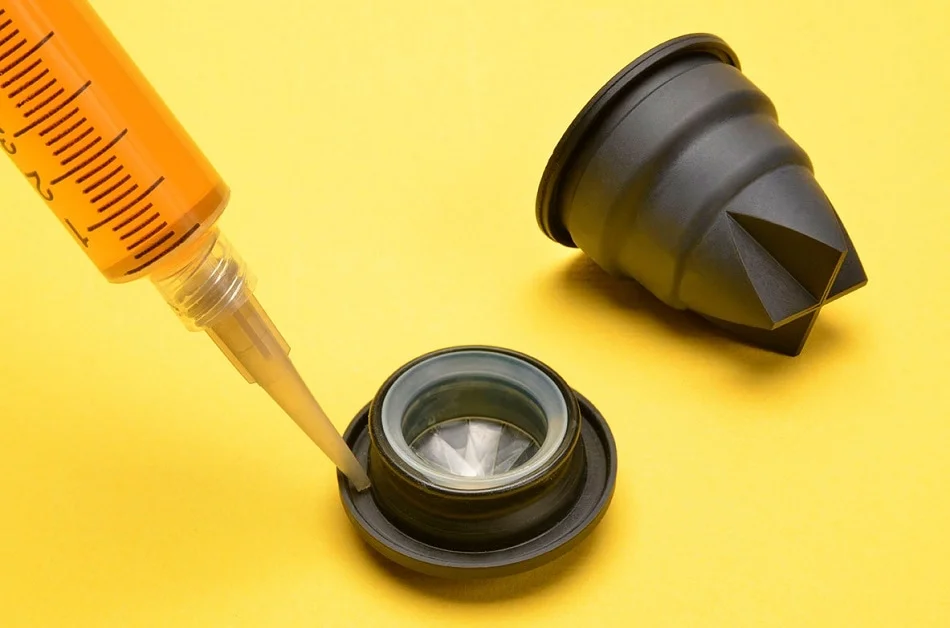
We analyze a wide variety of rubber materials and adhesive formulations to help you achieve optimal performance and meet requirements. Our services include:
Material Identification & Composition
Determine the type of rubber or adhesive, identify fillers, plasticizers, and other additives.Mechanical & Physical Property Testing
Evaluate elasticity, tensile strength, hardness, abrasion resistance, and elongation.Thermal & Environmental Testing
Assess thermal stability, aging behavior, UV resistance, and chemical compatibility.Failure Analysis
Investigate causes of cracking, delamination, loss of adhesion, or degradation.
Materials We Test
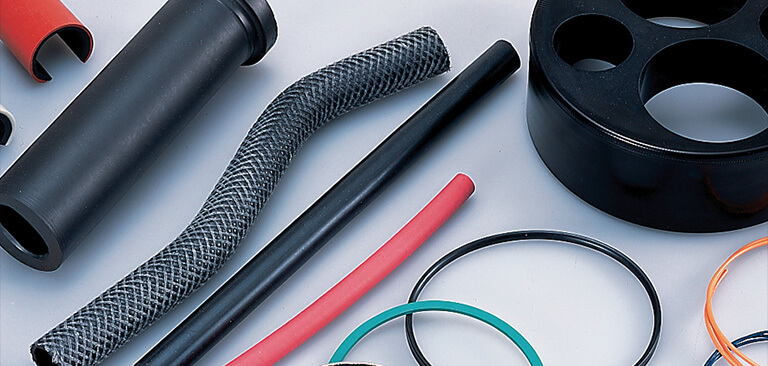
Our laboratory routinely works with a variety of adhesives and elastomeric materials, including:
Natural rubber
Nitrile (NBR), EPDM, and silicone rubbers
Polyurethane (PU) elastomers
Acrylic and epoxy adhesives
Hot-melt and pressure-sensitive adhesives
Urethane and cyanoacrylate systems
Industries We Serve
Our adhesives and rubbers testing supports applications in:
Automotive & Transportation
Aerospace & Defense
Medical Devices & Healthcare
Electronics & Electrical
Construction & Infrastructure
Consumer Goods & Packaging
Adhesive Bond Strength & Mechanical Performance
Adhesives must maintain structural integrity under tensile, shear, peel, and impact forces. Mechanical testing determines whether bonded assemblies can withstand operational stresses without delamination, cracking, or cohesive failure.
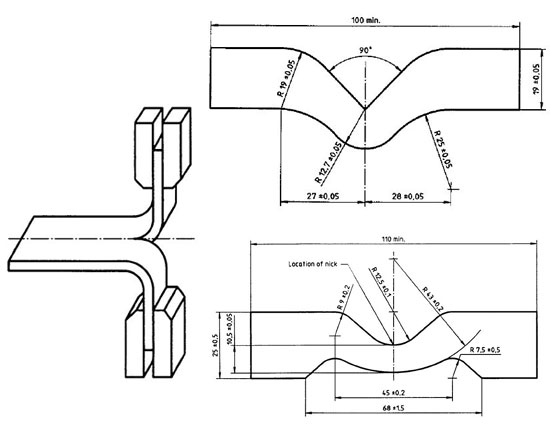
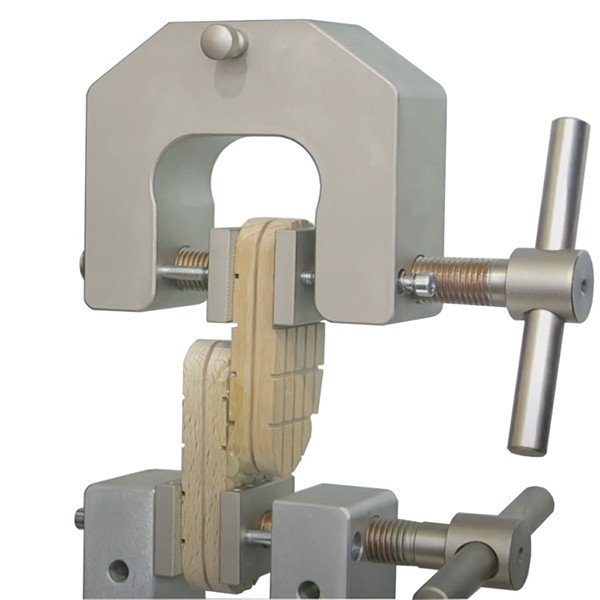
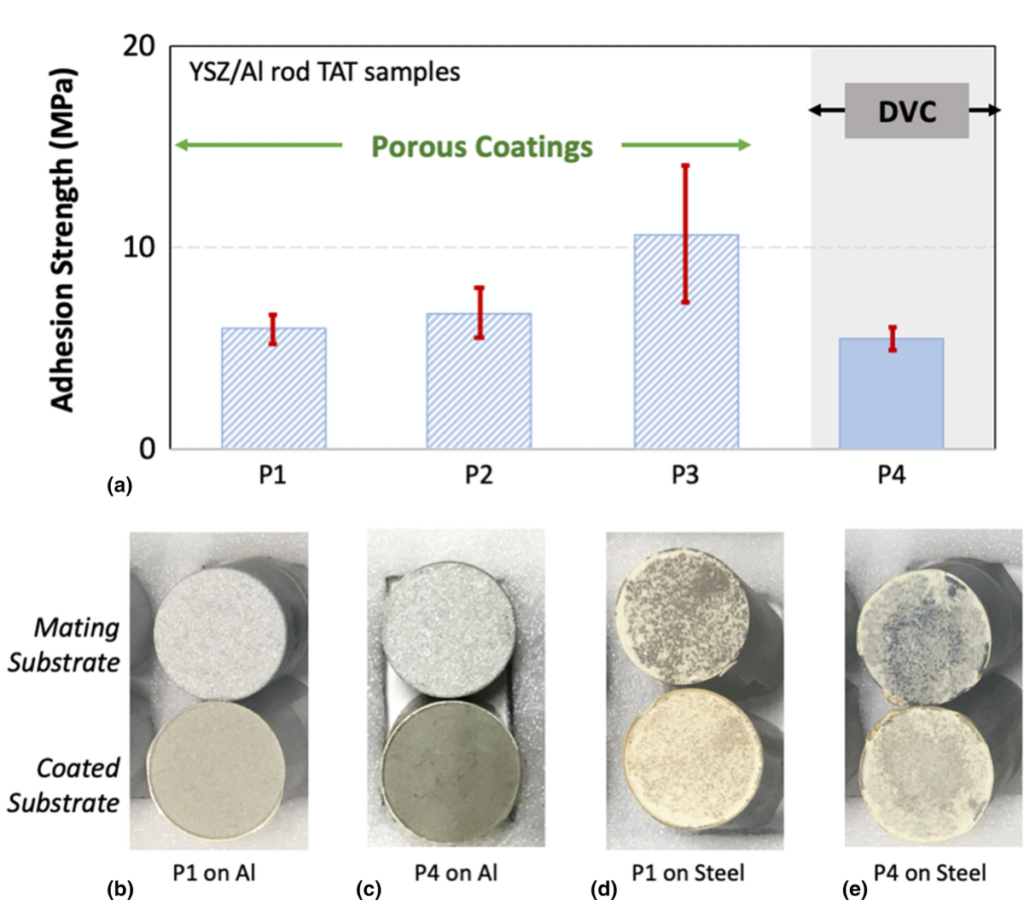
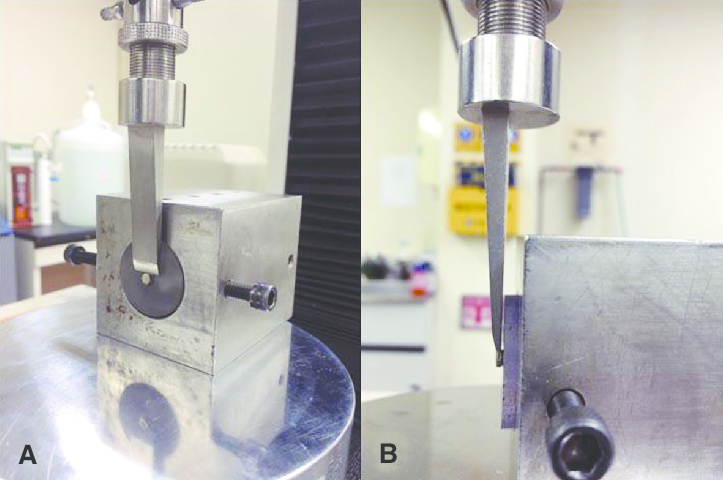
Our laboratory conducts lap shear testing, tensile adhesion evaluation, peel resistance analysis, cleavage testing, and impact performance assessments. These tests quantify bond strength across substrates such as metals, plastics, composites, and glass. We also evaluate cohesive versus adhesive failure modes to identify weaknesses in formulation or surface preparation.
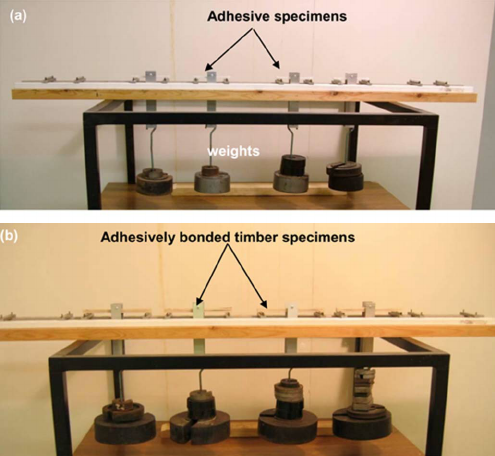
For structural adhesives used in transportation and industrial assemblies, fatigue testing assesses long-term durability under cyclic loading. By correlating mechanical data with curing parameters and substrate preparation methods, we help optimize bonding performance and assembly reliability.
Rubber & Elastomer Mechanical Properties
Rubber and elastomeric materials are designed to provide flexibility, resilience, and sealing performance under mechanical and environmental stress. Accurate characterization ensures materials perform reliably in gaskets, seals, bushings, hoses, and vibration dampers.
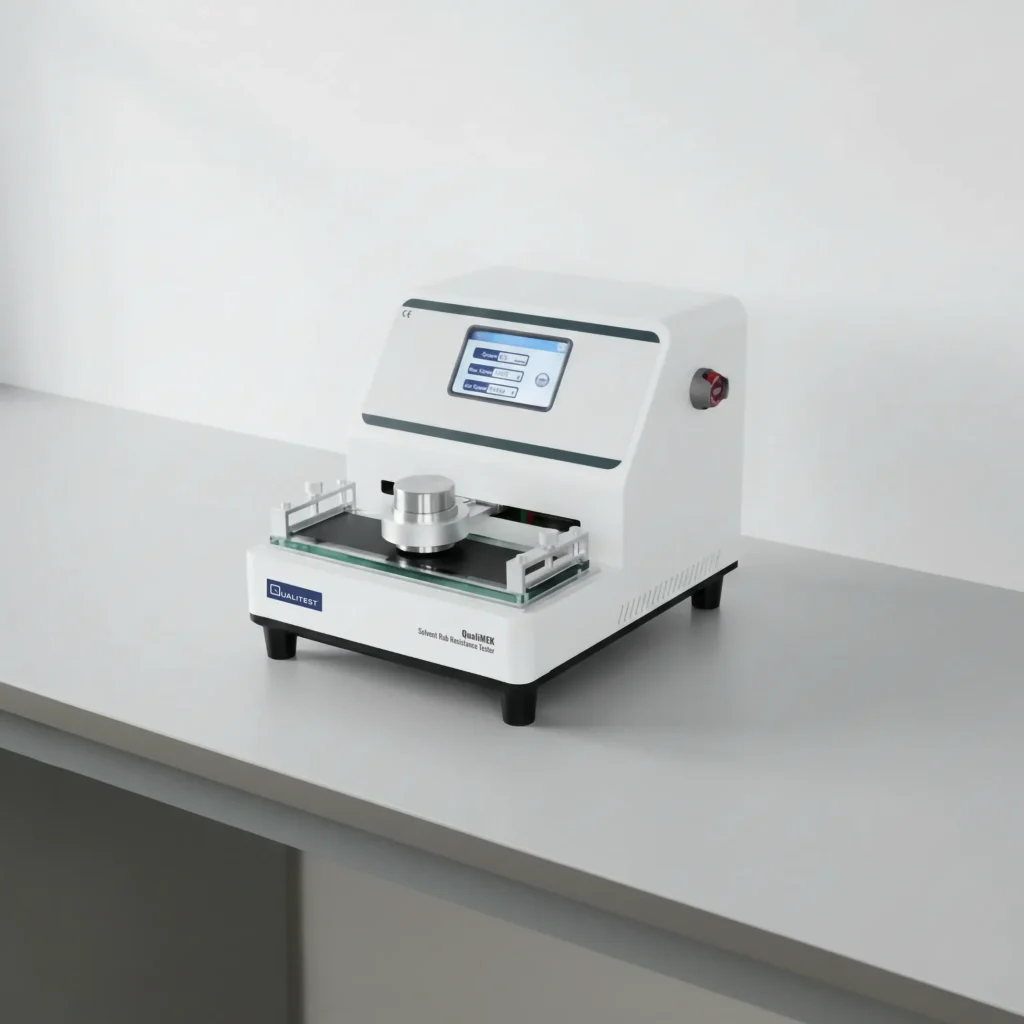
We perform tensile strength testing, elongation analysis, tear resistance evaluation, hardness measurement, and compression set testing. Dynamic mechanical analysis evaluates viscoelastic behavior across temperature ranges, providing insight into damping performance and resilience. For components exposed to repetitive motion or load cycling, fatigue and rebound testing assess long-term elasticity retention. These evaluations support optimized compound formulation and predictable in-service behavior.
Thermal Stability & Environmental Aging
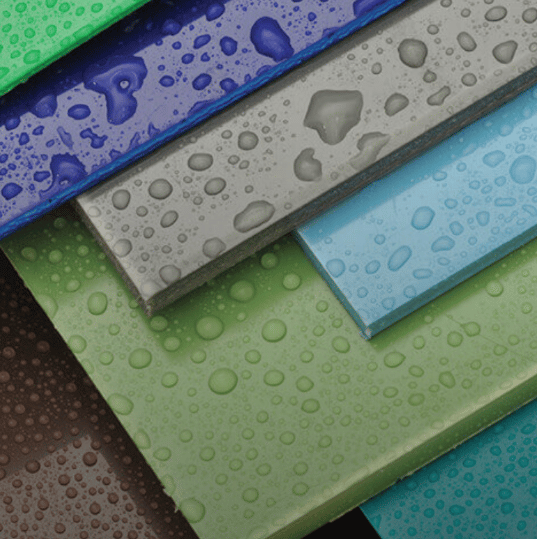
Temperature fluctuations and prolonged environmental exposure can significantly affect adhesive bonds and rubber elasticity. Heat may accelerate degradation, while low temperatures can increase brittleness and reduce flexibility.
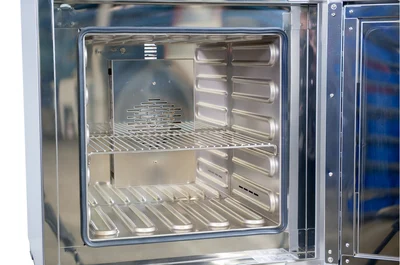
Our thermal aging studies evaluate property retention after prolonged exposure to elevated temperatures. Environmental chambers simulate humidity, thermal cycling, and UV radiation to assess long-term durability. For bonded assemblies, we evaluate bond strength before and after environmental conditioning to identify potential degradation mechanisms.
These accelerated aging programs help predict service life and confirm performance under real-world operating conditions.
Chemical Resistance & Fluid Compatibility
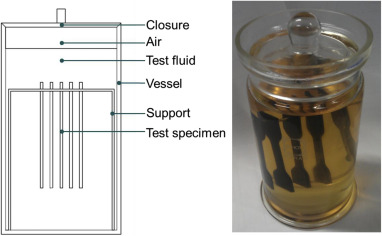
Adhesives and rubber materials frequently encounter oils, fuels, solvents, cleaning agents, and other aggressive chemicals. Chemical incompatibility can lead to swelling, softening, cracking, or bond failure.
Our chemical resistance testing evaluates dimensional stability, weight change, hardness variation, and mechanical property retention after controlled exposure to specific substances. For automotive and industrial applications, fuel and oil resistance testing is critical to maintaining sealing integrity and bond durability.
Comprehensive fluid compatibility analysis supports proper material selection and minimizes in-field failures caused by chemical attack.
Material Characterization & Formulation Analysis
Understanding chemical composition and microstructure is essential for optimizing performance and ensuring quality consistency. Additives, curing agents, fillers, and plasticizers significantly influence mechanical and environmental behavior.
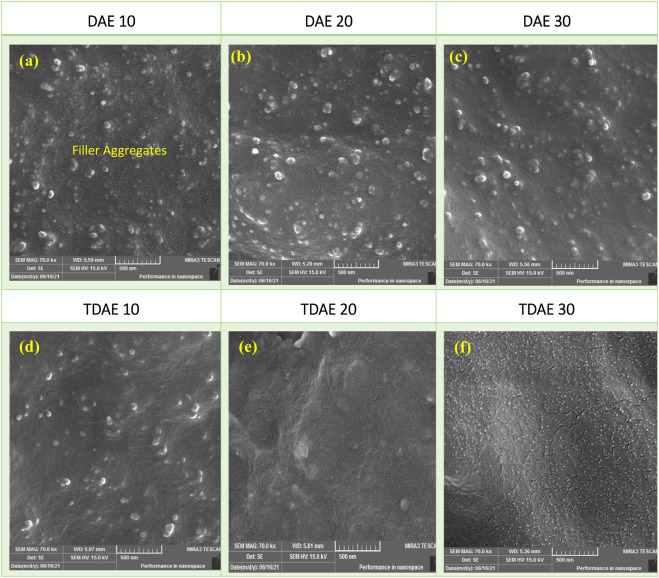
Our laboratory provides spectroscopic analysis for material identification, thermogravimetric analysis for composition evaluation, and microscopy for filler dispersion and interfacial bonding assessment. For adhesives, cross-sectional imaging reveals bond line thickness, void formation, and substrate interaction.
Batch verification and formulation comparison studies help maintain consistent production quality and support supplier validation initiatives.
Regulatory Compliance & Safety Testing
Adhesives and elastomers used in consumer, automotive, medical, and construction products must meet strict regulatory requirements. Flammability, emissions, electrical insulation, and biocompatibility considerations may apply depending on end use.
Our laboratory conducts flammability testing, emissions and VOC analysis, electrical property evaluation, and application-specific safety assessments aligned with relevant industry standards. Independent third-party validation strengthens documentation for regulatory submissions and quality audits.
Early compliance verification reduces approval delays and ensures readiness for commercial deployment.
Failure Analysis & Root Cause Investigation
Bond failures or elastomer degradation can result from improper curing, substrate contamination, environmental exposure, formulation imbalance, or mechanical overload. Identifying root causes is essential to prevent recurrence and maintain product reliability.
Our failure analysis services integrate mechanical testing, chemical characterization, fractography, and environmental evaluation to determine contributing factors. Fracture surface analysis distinguishes adhesive versus cohesive failure and identifies crack initiation sites.
Clear, data-driven reporting supports corrective actions, process optimization, and improved long-term durability.
Supporting Innovation in Adhesive & Elastomer Technologies
Emerging technologies in structural adhesives, pressure-sensitive adhesives, high-temperature elastomers, bio-based rubbers, and advanced sealing materials demand rigorous validation. As formulations evolve, thorough performance evaluation ensures reliability and compliance across demanding applications.
At Genuine Testing, we collaborate with formulators, engineers, and manufacturers to design customized testing programs aligned with specific operational environments and regulatory requirements. Our multidisciplinary expertise enables comprehensive evaluation of adhesives and rubber materials from development through production. Through precise, independent adhesives and rubber testing services, Genuine Testing empowers organizations to enhance product durability, optimize formulations, and deliver high-performance bonding and elastomeric solutions with confidence.
Adhesives and rubber materials frequently encounter oils, fuels, solvents, cleaning agents, and other aggressive chemicals. Chemical incompatibility can lead to swelling, softening, cracking, or bond failure.
Our chemical resistance testing evaluates dimensional stability, weight change, hardness variation, and mechanical property retention after controlled exposure to specific substances. For automotive and industrial applications, fuel and oil resistance testing is critical to maintaining sealing integrity and bond durability.
Comprehensive fluid compatibility analysis supports proper material selection and minimizes in-field failures caused by chemical attack.