
Metallurgical Analysis Services
What is Metallurgical Analysis?
Metallurgical analysis is a critical process for understanding the composition, internal structure, and performance behavior of metals and alloys. In industries where safety, durability, and structural integrity are essential, even minor variations in chemical composition or processing conditions can significantly affect material performance. Metallurgical analysis provides detailed insights into metal properties, enabling engineers and manufacturers to confirm whether materials meet required specifications and industry standards.
Through advanced laboratory techniques, metallurgical analysis evaluates how metals respond under different conditions such as mechanical stress, heat exposure, corrosion, and manufacturing operations. This helps identify impurities, defects, and inconsistencies that may impact the reliability of a component. By addressing these issues early, industries can improve product quality, enhance manufacturing efficiency, and reduce the risk of failure in critical applications.
Why Choose Genuine Testing for Metallurgical Analysis?
In-depth Expertise
Our metallurgists and materials scientists bring deep knowledge of metal behavior, processing, and performance.State-of-the-Art Tools
We use cutting-edge equipment and methods to analyze metals and alloys with precision and reliability.Actionable Results
Our clear and accurate reports help you optimize materials, improve processes, and prevent costly failures.Wide Application Range
From aerospace components to medical implants and industrial machinery, we test metals for diverse industries.


Our Testing Capabilities
Our metallurgical analysis services include:
Chemical composition analysis of metals & alloys
Microstructural examination (grain size, phase distribution)
Failure analysis of metal components
Heat treatment verification and analysis
Hardness and mechanical property testing
Surface & coating evaluation
Corrosion testing of metals
Application-Focused Evaluation of Metallurgical Analysis
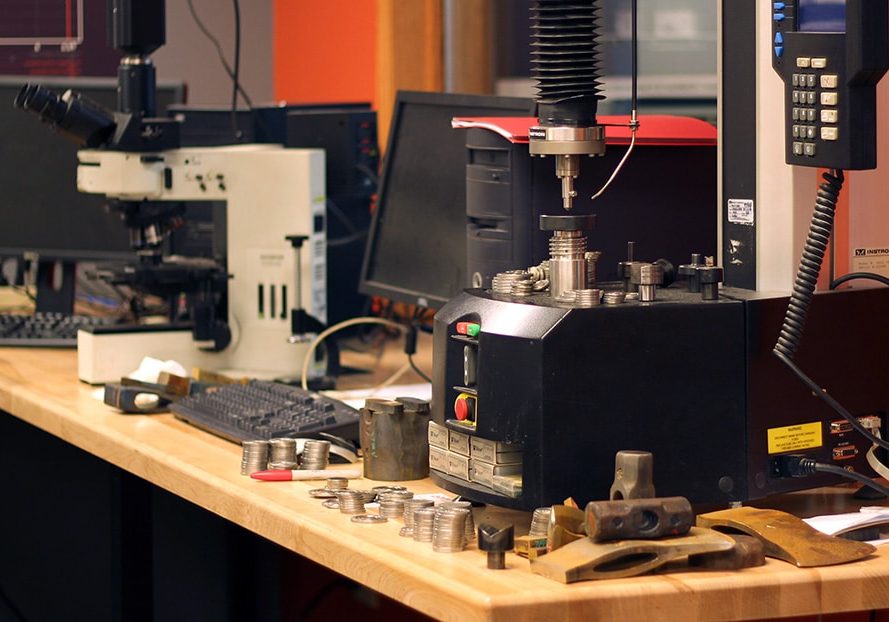
Material performance depends on more than a single specification or laboratory measurement. For metals, alloys, welds, castings, forgings, heat-treated components and finished parts, a useful testing program should connect measurable properties with the conditions the product will experience during manufacturing, storage, transportation, and service. Our Metallurgical Analysis services are designed to generate practical evidence that helps engineers understand why a material behaves as it does and what that behavior means for product reliability. By evaluating grain structure, phases, inclusions, hardness, heat-treatment condition and chemical composition, organizations can move beyond pass/fail results and develop a clearer technical basis for material selection, process improvement, and product validation.
Metallurgical Analysis in Manufacturing and Quality Control
Metallurgical analysis plays a vital role in sectors such as aerospace, automotive, construction, medical devices, energy, and heavy engineering. Components used in these industries must withstand extreme operating environments while maintaining strength, hardness, and structural stability. Metallurgical evaluation ensures that metals and alloys are properly processed through methods such as casting, forging, welding, and heat treatment.
This analysis also helps confirm that materials meet design expectations and perform reliably under real-world conditions. By studying mechanical and chemical behavior, manufacturers can optimize material selection and ensure long-term durability of engineered components.
Microstructural Examination and Material Properties
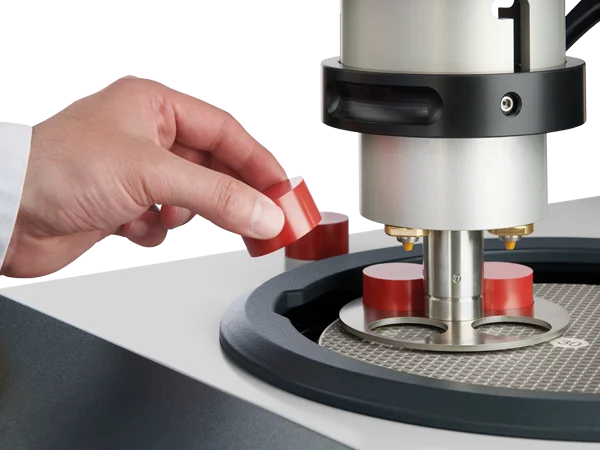
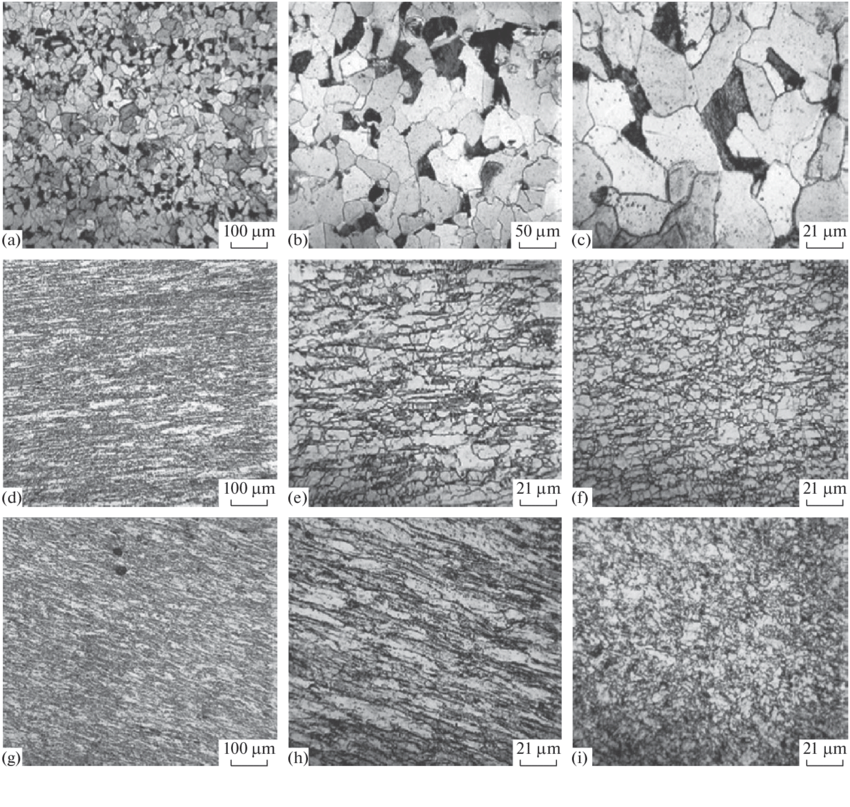
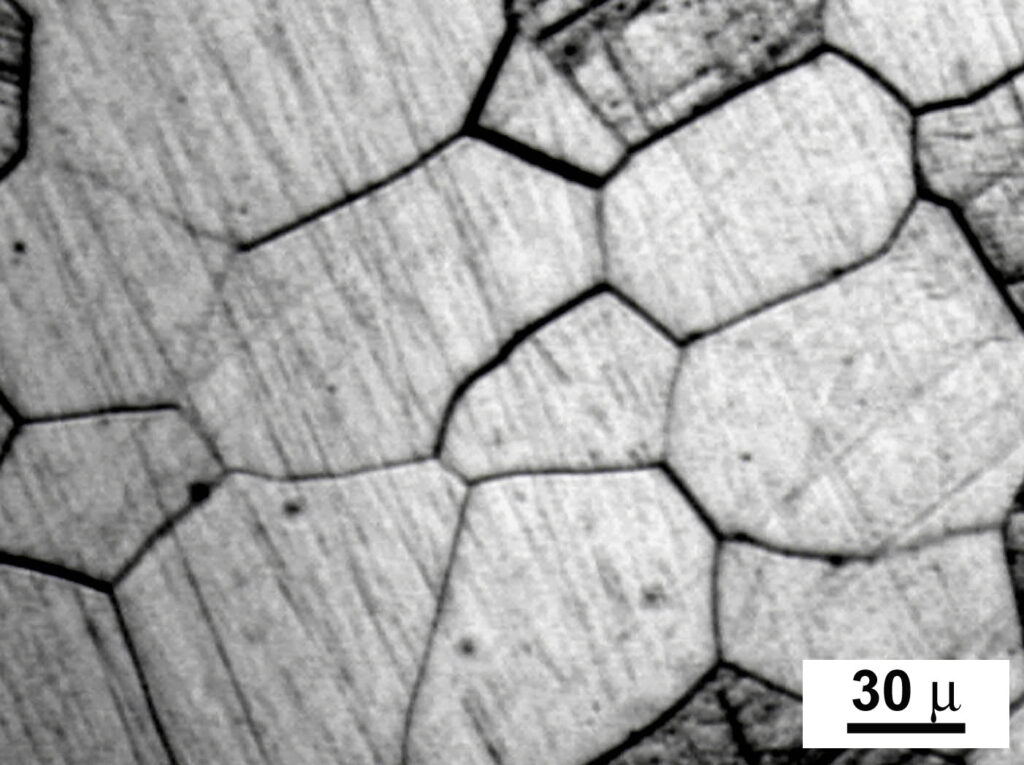
Microstructural examination is a core aspect of metallurgical analysis that reveals the internal grain structure and phase distribution of metals. Through metallography, samples are prepared, polished, and etched to make internal features visible under optical or electron microscopes.
This examination helps determine how processing methods such as heat treatment influence grain size, hardness, ductility, and overall material strength. It also assists in identifying defects such as voids, cracks, and inclusions that may compromise structural integrity. These insights are essential for ensuring that materials perform reliably in demanding applications.
Failure Analysis and Root Cause Investigation
Failure analysis materials testing is an essential part of metallurgical analysis used to determine why metal components fail in service. Despite careful design and manufacturing, failures can still occur due to factors such as fatigue, corrosion, improper heat treatment, material defects, or excessive mechanical loading.
Through detailed examination of fracture surfaces and internal structures, metallurgists can identify the root cause of failure. Microstructural studies and chemical evaluation help detect issues such as contamination, improper alloy composition, or structural weaknesses. Understanding these failure mechanisms allows industries to implement corrective actions, improve material selection, and refine design and manufacturing processes to prevent future breakdowns.
Integrated Testing and Analytical Interpretation
Many technical questions cannot be answered by one analytical method alone. Our laboratory can combine metallography, microscopy, hardness testing, elemental analysis and fracture examination to build a more complete picture of a sample. For example, a change in mechanical performance may be related to composition, microstructure, surface condition, environmental exposure, or manufacturing history. Using complementary techniques allows scientists to compare observations, confirm suspected causes, and distinguish a true material issue from a processing or handling effect. This integrated approach is particularly valuable when samples are limited, when a product has failed unexpectedly, or when a new formulation must be compared with an established material. Where structural evidence is needed, our Metallurgical Analysis can also be paired with Corrosion Testing to investigate related material characteristics and Mechanical Property Testing when the project requires additional evidence about performance, degradation, or root cause.
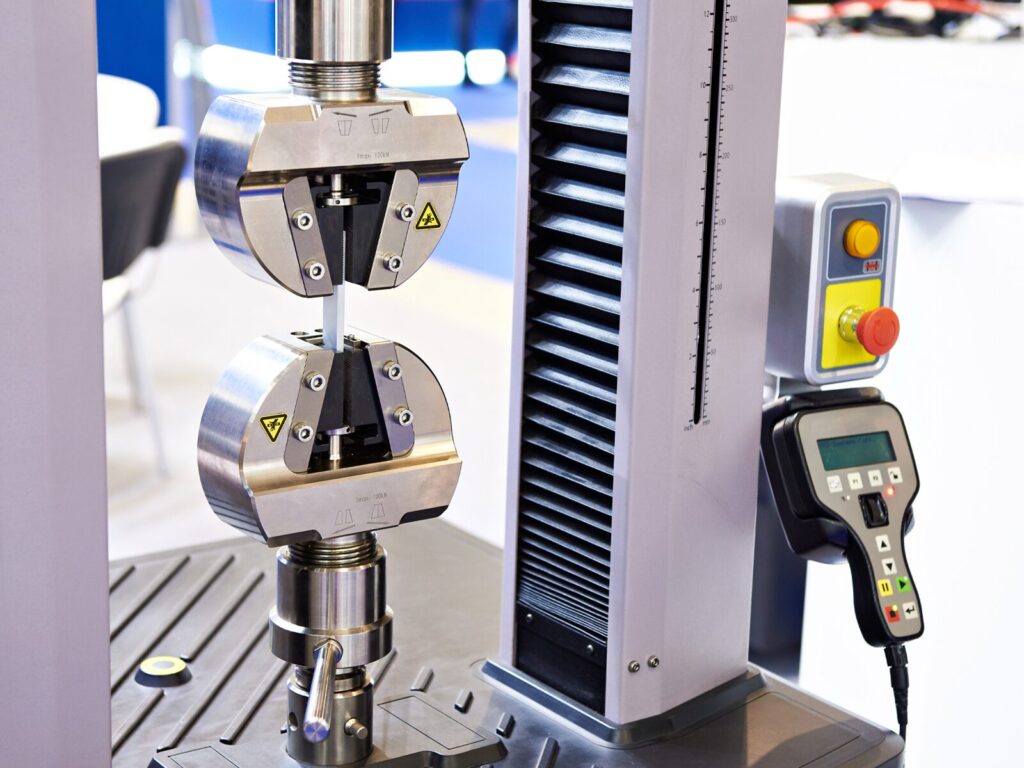
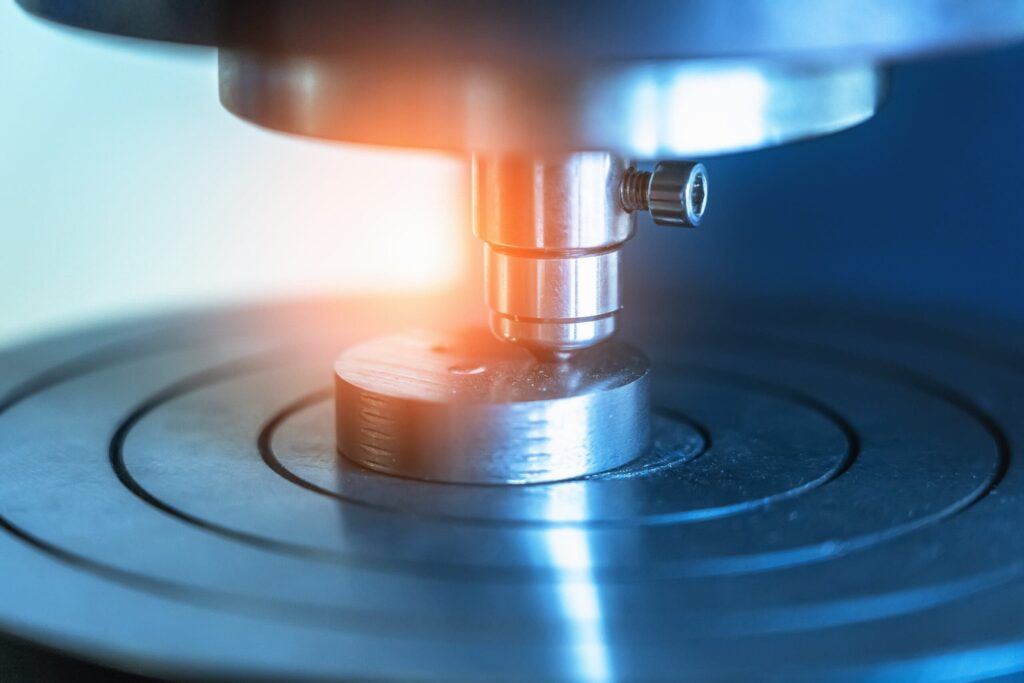
Infrastructure and construction industries depend on metallurgical analysis to verify the strength and durability of structural materials such as steel beams, reinforcement bars, and industrial components. These materials must perform reliably over decades of use while withstanding environmental stresses and heavy loads.
At Genuine Testing, our metallurgical analysis services are designed to support organizations across these industries. By combining advanced analytical equipment with deep scientific expertise, we provide reliable data that helps clients evaluate materials, improve manufacturing processes, and develop innovative engineering solutions. Our goal is to help manufacturers and researchers achieve higher levels of quality, safety, and performance in their metal-based products.
Supporting Innovation Across Engineering Industries
Metallurgical analysis supports innovation in engineering industries by enabling the development of stronger, lighter, and more durable materials. Aerospace, automotive, energy, and construction sectors rely heavily on material testing to ensure performance under demanding conditions.
Failure analysis materials studies also help engineers understand long-term material behavior and improve product design. By combining metallurgical analysis with hardness testing laboratory evaluations and microstructural studies, industries can enhance safety, performance, and efficiency in metal-based applications.
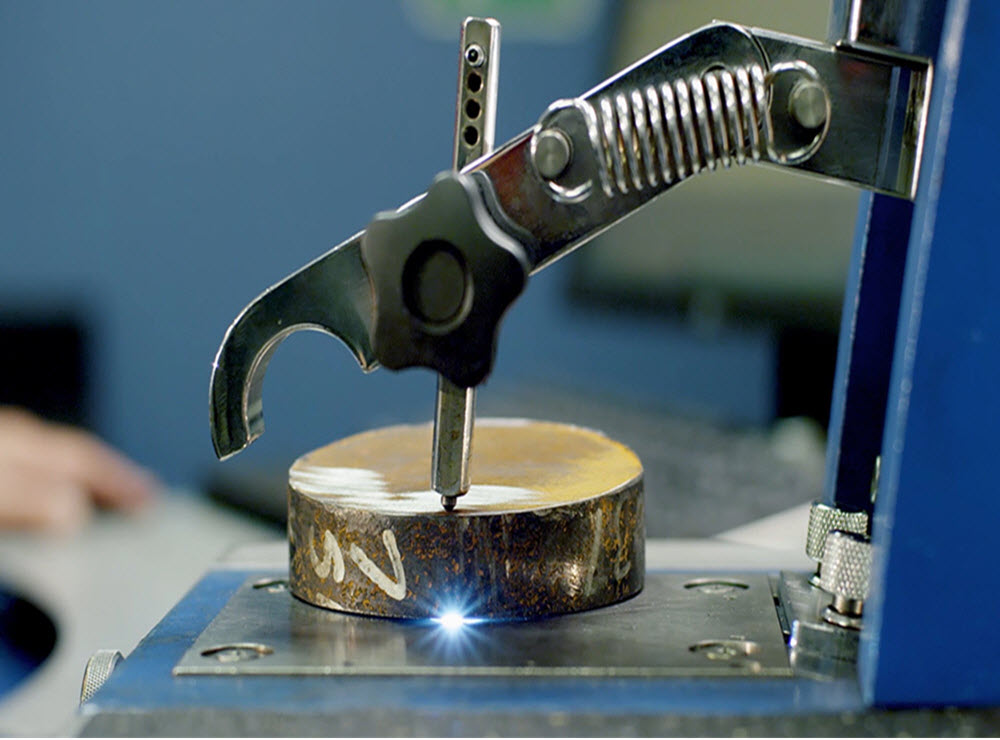

Support for Product Development, Quality, and Failure Investigation
Testing is most valuable when the results can be translated into an engineering decision. During research and development, laboratory data can help teams compare candidate materials, refine formulations, establish acceptance criteria, and identify potential weaknesses before commercialization. During manufacturing, testing can support incoming inspection, batch-to-batch comparison, supplier qualification, and process troubleshooting. When a problem occurs in the field, a structured analytical program can help determine whether the cause is related to material selection, processing, contamination, environmental exposure, design, or service conditions. The resulting technical evidence can support corrective actions, design changes, warranty investigations, and long-term reliability programs.
Industries and Applications
Our Metallurgical Analysis capabilities can be adapted to the requirements of aerospace, automotive, energy, oil and gas, medical devices, construction and industrial manufacturing. Each application may require different sample preparation, conditioning, analytical methods, or reporting criteria. Rather than applying a one-size-fits-all workflow, our technical team can define a testing plan around the material, the suspected failure mechanism, the applicable specification, and the decision the client needs to make. Results can be presented with clear observations, measurements, supporting images or analytical data, and technical interpretation so that engineering and quality teams can act on the findings.