

Advanced Laboratory Research — How Custom Synthesis, Polymer Chemistry, and Surface Analysis Support Material Innovation
Material innovation depends on more than developing a new formulation or selecting the right raw material. Researchers need reliable compounds, a clear understanding of polymer…

Chemical Compatibility Testing — How to Know if Your Material Will Survive Its Environment, Reveal Hidden Extractables & Leachables, and Prevent Failure Before It Happens
Materials can perform reliably in one environment and deteriorate rapidly in another. Chemical exposure, temperature, moisture, solvents, cleaning agents, and process conditions can all influence…

What Is Contaminant Identification Testing and Why Does It Matter? Exploring Chemical Analysis and Advanced Microscopy for Reliable Material Testing
Contaminants can affect material performance, product safety, regulatory compliance, and long-term reliability—often without being immediately visible. Contaminant Identification, supported by precise Chemical Analysis and Advanced…

Deformulation Analysis — How to Reverse Engineer a Competitor Product Formulation with Composition Materials ID and Chemical Compatibility Testing
Deformulation analysis provides a scientific pathway for understanding what a product is made of, how its components work together, and why its formulation performs the…

Advancing Medical Device Safety Through In Vitro Compatibility, Materials Characterization, and Metallurgical Analysis
Medical device performance depends on more than design alone. The materials used in a device must be carefully evaluated for compatibility, composition, structure, durability, and…

Polymer Chemistry Services — How We Identify, Characterise and Analyse Complex Plastics, Polymers and Surface Systems for Reliable Material Performance
Polymer materials are at the heart of modern manufacturing, product development, healthcare, automotive systems, aerospace applications, energy technologies, construction, and countless industrial products. But understanding…

Turning Material Questions Into Reliable Answers: Glass Analysis, Chemical Analysis and Deformulation Analysis for Better Product Decisions
Reliable material data can make the difference between a product that performs as expected and one that creates costly quality, safety, or compliance challenges. Glass…
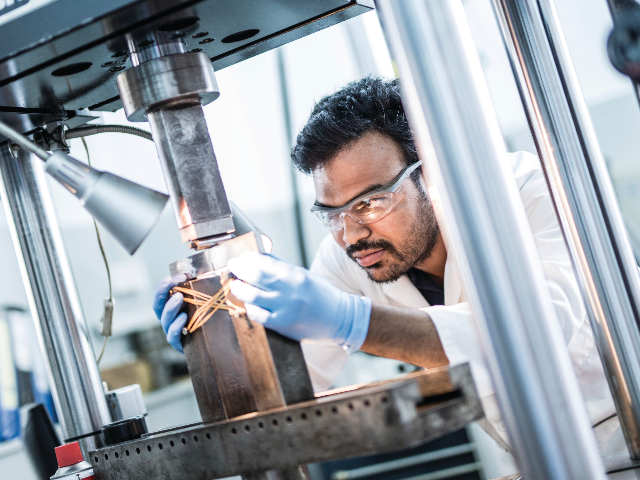
Engineering Confidence for Long-Term Performance: How Creep, Mechanical Property, and Reliability Testing Support Material Decisions
Materials can perform exceptionally well in initial laboratory evaluations yet behave very differently after months or years of exposure to sustained loads, elevated temperatures, environmental…

Understanding Material Durability: Advanced Wear Testing, Surface Interaction Analysis, and Composite Testing for Industrial Performance
Industrial materials are expected to perform reliably under demanding conditions, where friction, abrasion, repeated contact, environmental exposure, and mechanical stress can gradually affect their performance.…
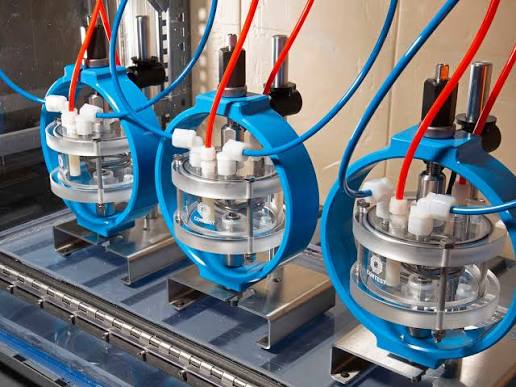
Corrosion Testing Methods — How to Evaluate Material Resistance to Environmental Degradation Through Metallurgical Analysis and Polymer Chemistry
Corrosion, chemical exposure, moisture, temperature changes, and environmental conditions can significantly affect the performance and service life of materials. Corrosion testing, metallurgical analysis, and polymer…

Extractables and Leachables Testing — A Regulatory Guide to In Vitro Compatibility and Advanced Microscopy for Medical Device and Pharma Manufacturers
Discover how Extractables & Leachables, In Vitro Compatibility, and Advanced Microscopy help medical device and pharmaceutical manufacturers evaluate material safety, compatibility, contamination, and performance. Learn…
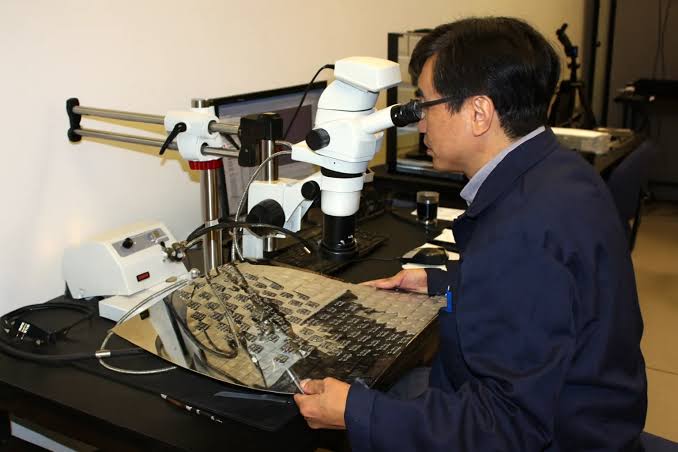
Metallurgical Analysis — A Complete Guide for Engineers, Quality Teams, and Manufacturers Working with Metals and Alloys
Metallurgical analysis provides critical insight into the composition, structure, properties, and performance of metals and alloys. From identifying material failures to validating raw materials and…
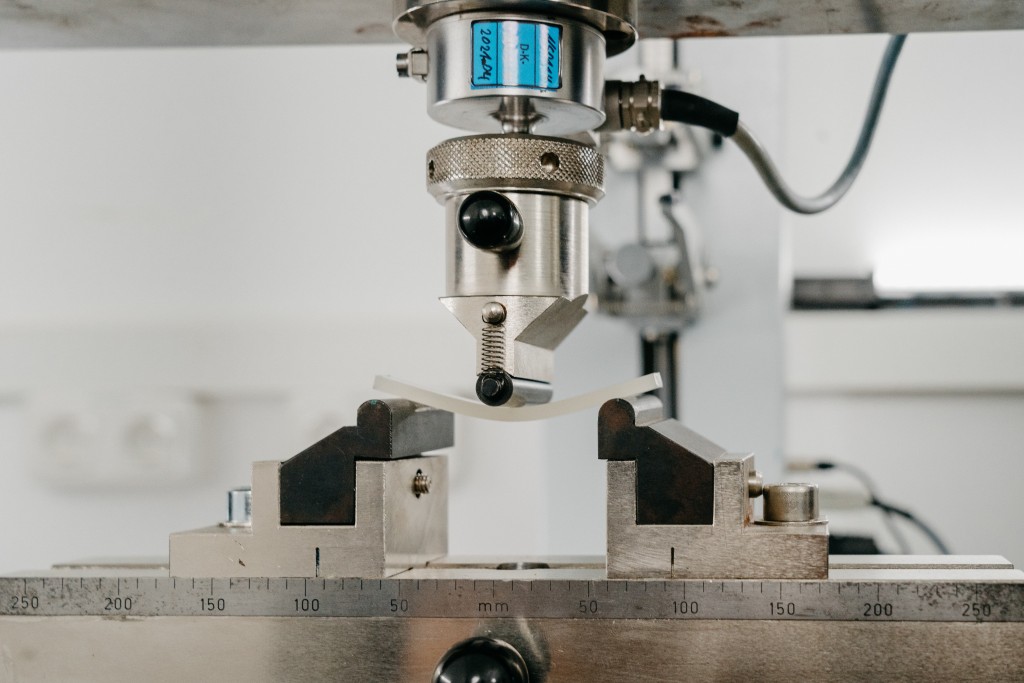
How Material Durability Testing Helps Products Withstand Real-World Stress and Perform for the Long Run
Products are expected to perform reliably under pressure, temperature changes, moisture, chemicals, friction, repeated use, and demanding environmental conditions. Material durability testing helps manufacturers understand…
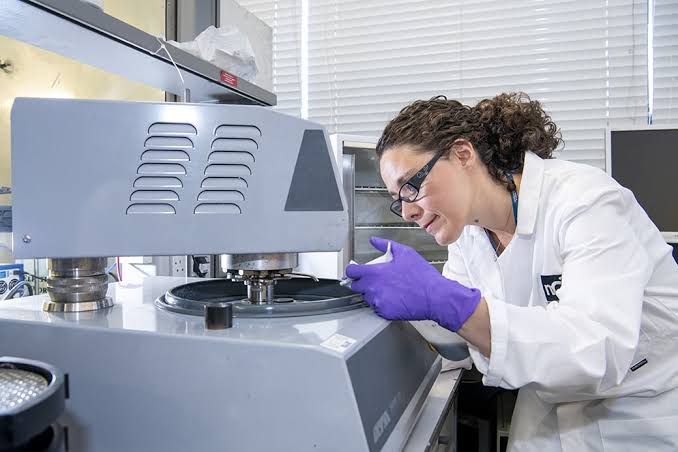
From Hidden Surface Flaws to Long-Term Performance: How Advanced Material Testing Uncovers What the Eye Cannot See
Materials can look flawless while concealing microscopic defects, structural weaknesses, contamination, or wear mechanisms that may eventually affect product safety and performance. Advanced testing methods…
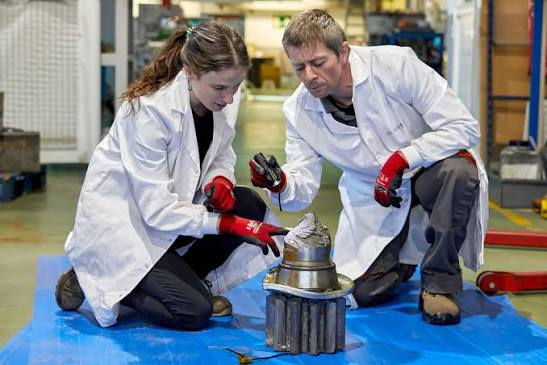
How Advanced Materials Testing Reveals Hidden Risks and Prevents Product Failures Before They Reach the Market
Product failures rarely happen without warning. Cracks, fractures, corrosion, deformation, fatigue, and environmental damage often begin with weaknesses that conventional inspections may overlook. Advanced Failure…
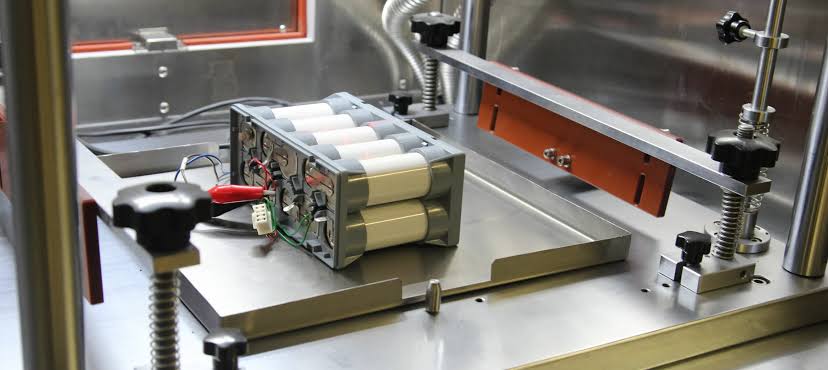
Beyond Conventional Battery Testing: How Material Analysis Supports Safer and More Reliable Energy Storage Systems
As battery technologies continue to evolve across electric vehicles, consumer electronics, renewable energy systems, and industrial applications, accurate material characterization has become essential. A dependable…
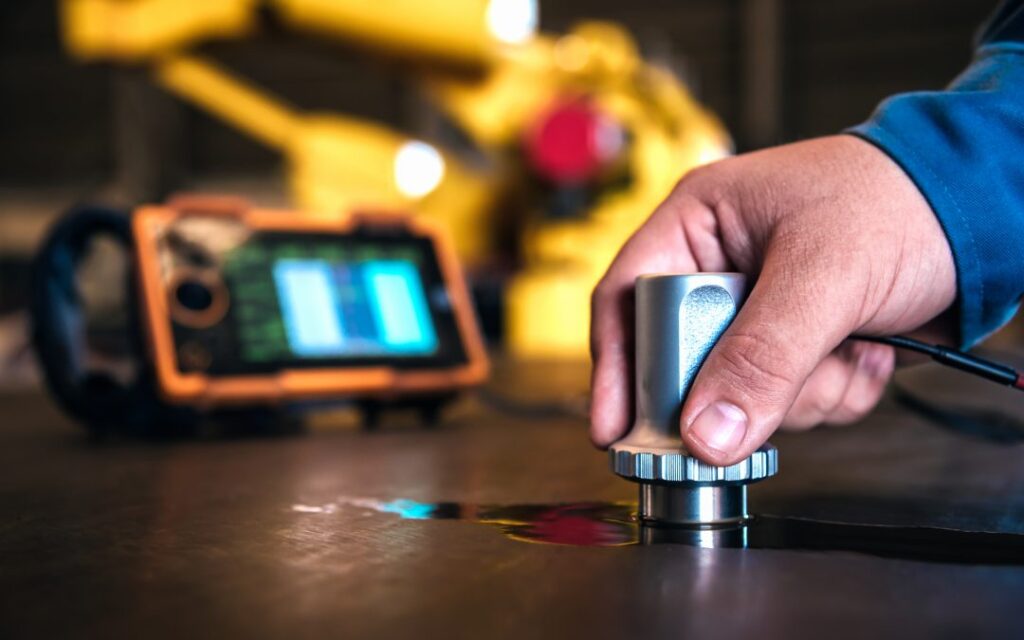
From Inspection to Confidence: How Non-Destructive Testing Services Reveal Material Defects Without Damage
Materials can look flawless on the surface while hidden cracks, inclusions, corrosion, structural weaknesses, or manufacturing defects quietly threaten product performance and safety. Non-destructive testing…

Sample Preparation in Materials Testing: The Critical Foundation Behind Accurate Characterization, Reliable Material Identification, and Scientific Results
Accurate materials testing starts long before advanced instruments analyze a sample. Discover how Specialized Sample Prep supports reliable Materials Characterization and Composition Materials ID, helping…
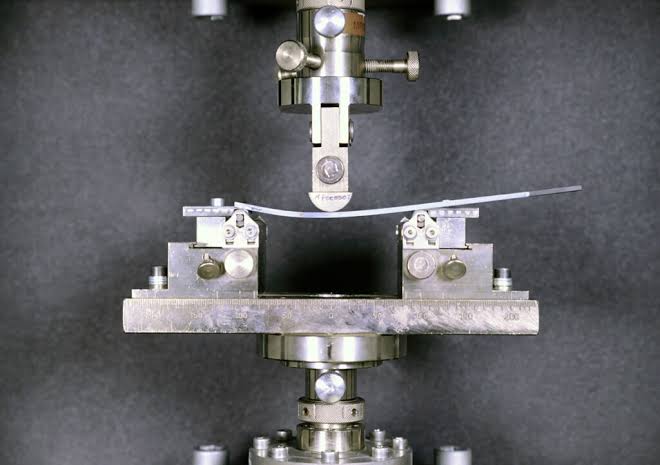
Composite Testing Explained: Advanced Methods, Mechanical Property Testing, and Chemical Compatibility for Reliable Material Performance
Composite testing reveals how advanced materials perform under mechanical stress, chemical exposure, and real-world conditions. Explore key methods in composite materials evaluation, mechanical property testing,…

What Is Extractables and Leachables Testing and Why Does It Matter? A Complete Guide to Chemical Compatibility, Advanced Microscopy, and Material Safety
Extractables & Leachables testing helps manufacturers understand chemical substances that may migrate from materials, while Chemical Compatibility and Advanced Microscopy provide deeper insight into material…

Semiconductor Materials Testing: Ensuring Reliability in Advanced Electronics and Microelectronics
Semiconductors are at the foundation of modern technology. From artificial intelligence and data centers to smartphones, electric vehicles, medical devices, industrial automation, and renewable energy…

Advanced Coatings and Surface Treatments: How Surface Engineering Improves Material Performance
The performance of a material is often determined not only by what exists beneath its surface, but also by what happens at the surface itself.…
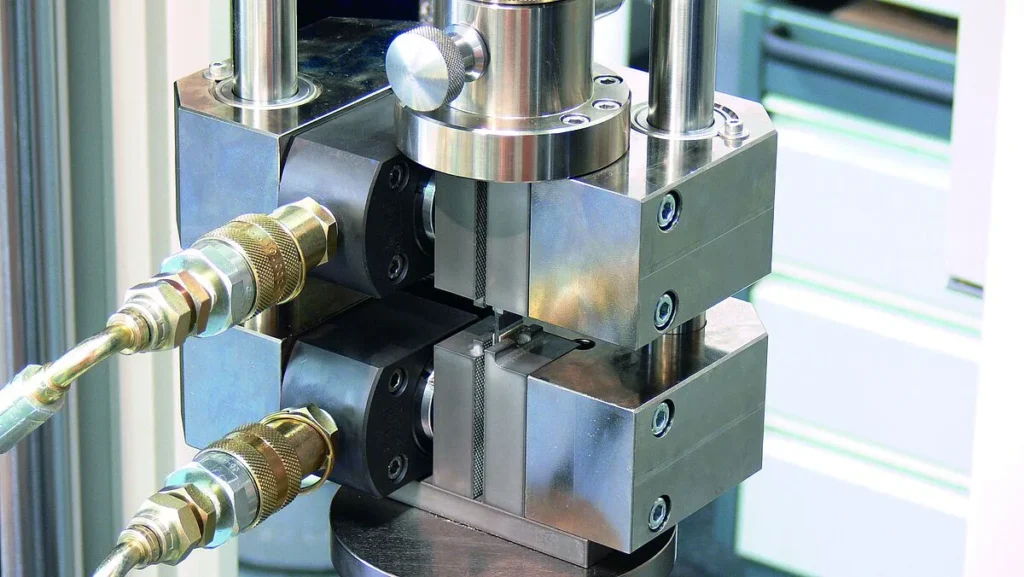
Sustainable Materials Testing: How Material Science Is Driving the Circular Economy
Sustainability is rapidly changing the way products are designed, manufactured, tested, and brought to market. Across industries, manufacturers are looking for ways to reduce material…

Advanced Materials for Medical Devices: Why Material Testing Is Critical for Safety and Performance
Medical technology is advancing rapidly, with new materials enabling the development

Battery Material Recycling: Why Advanced Testing Is Essential for a Sustainable Energy Future
The rapid growth of electric vehicles, renewable energy storage, and portable electronics is creating unprecedented demand for rechargeable batteries. As battery production increases, so does…

3D Printed Materials Testing: Ensuring Quality, Performance, and Reliability in Additive Manufacturing
Additive manufacturing, commonly known as 3D printing, has transformed the way companies design, prototype, and manufacture products. From aerospace components and automotive parts to medical…
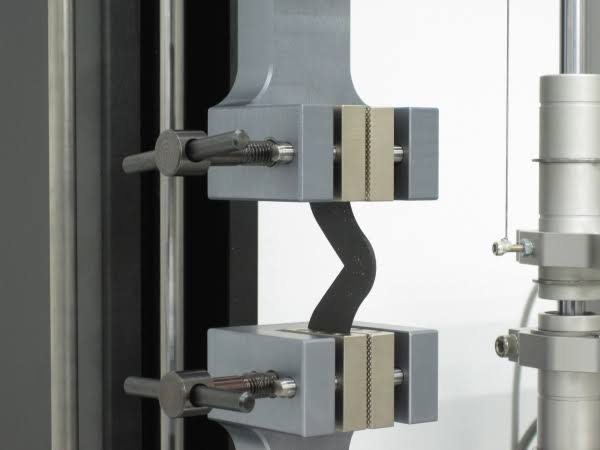
Materials That Last Longer Start with Smarter Science: The Essential Role of Plastic Durability Testing, Rubber Durability Testing, and a Trusted NDT Testing Laboratory
Modern industries depend on materials that can perform reliably under demanding conditions. From automotive components to industrial equipment and consumer products, material quality directly impacts…
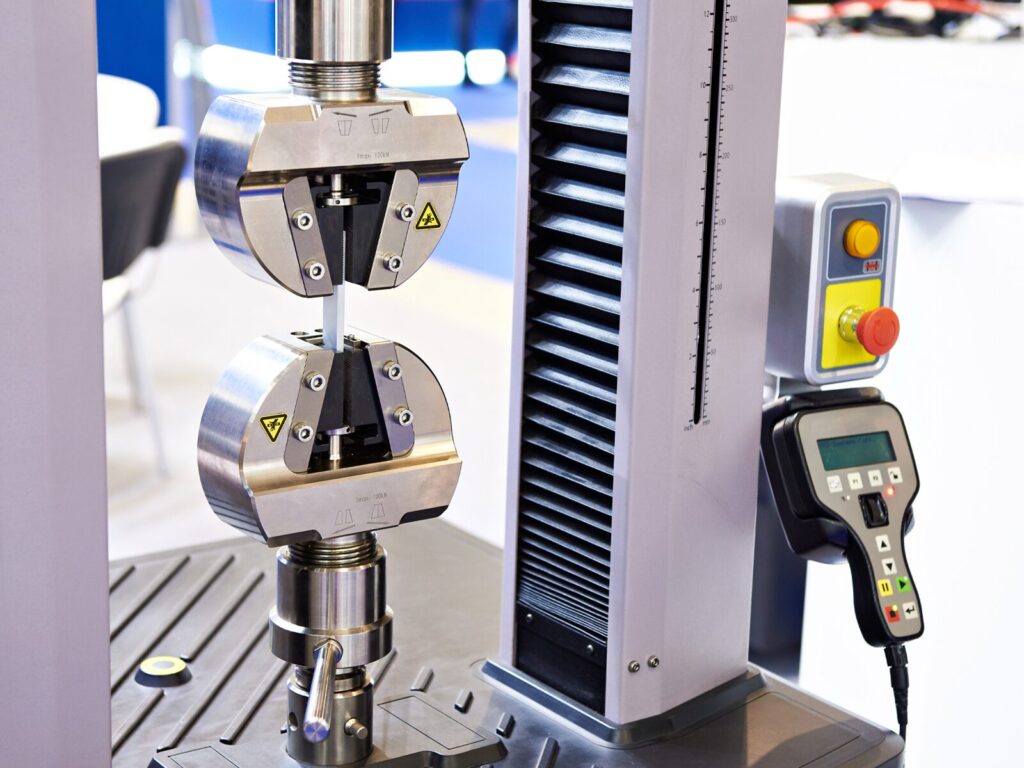
Strengthening Product Performance Through Advanced Mechanical Testing Services, Precision Abrasion Analysis, and Reliable Stress Rupture Evaluation
High-quality materials are the foundation of safe, durable, and high-performing products. From aerospace and automotive components to industrial equipment and energy systems, advanced laboratory analysis…

Elevating Product Quality Through Advanced Scientific Solutions with Comprehensive Testing Capabilities, IPC Testing, and Metro Analytical Laboratories
Reliable laboratory analysis plays a vital role in product development, regulatory compliance, and long-term performance. Organizations that invest in advanced Testing Capabilities, specialized IPC Testing,…

Why Material Characterization Is Essential for Product Development and Manufacturing Success
Every successful product begins with a thorough understanding of the materials used to manufacture it. Whether developing aerospace components, medical devices, electronic products, batteries