
Biomedical Analysis
Biomedical materials must meet the highest standards of safety, reliability, and performance. Whether used in implantable devices, surgical instruments, diagnostic systems, drug delivery platforms, or wearable healthcare technologies, these materials function in complex biological environments where mechanical strength, chemical stability, and biocompatibility are essential. Biomedical Analysis plays a critical role in ensuring these requirements are met throughout research, development, and regulatory evaluation.
Independent laboratories and contract research organizations provide objective, high-precision data to support manufacturers in quality assurance, product development, and failure investigation. Advanced material testing for medical devices ensures that metals, polymers, ceramics, coatings, composites, and functional biomaterials perform reliably in clinical applications.
Why Choose Genuine Testing for Biomedical Analysis?
Precision Insights into Biomedical Materials
We deliver accurate, detailed information on biomaterials, coatings, interfaces, and contaminants to ensure your products meet regulatory and functional requirements.
Expertise Across Applications
From implantable devices and prosthetics to drug delivery systems and diagnostic equipment, our services support a wide range of biomedical innovations.
Advanced Analytical Techniques
We use state-of-the-art tools and methodologies to investigate structure, chemistry, and performance — helping you improve product reliability and biocompatibility.
Fast & Reliable Results
Our efficient processes and knowledgeable team ensure timely, actionable data to accelerate your projects.

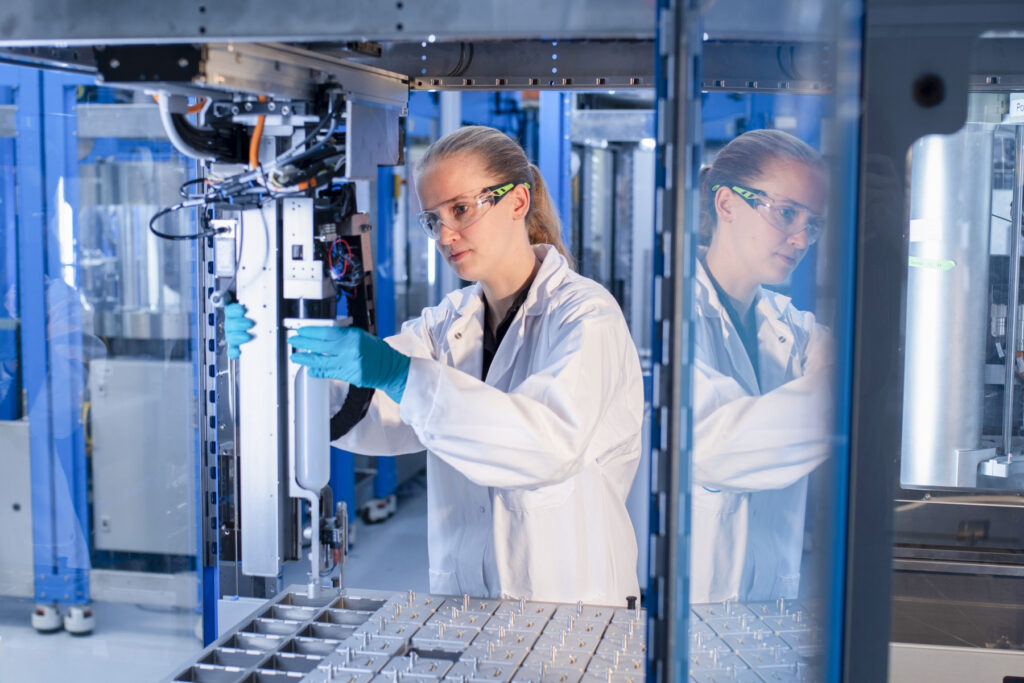
Our Biomedical Testing Capabilities
We offer a comprehensive suite of analytical services for biomedical materials and devices, including:
- Structural and surface analysis of biomaterials (e.g., polymers, ceramics, metals)
- Microstructure and morphology assessment of medical devices
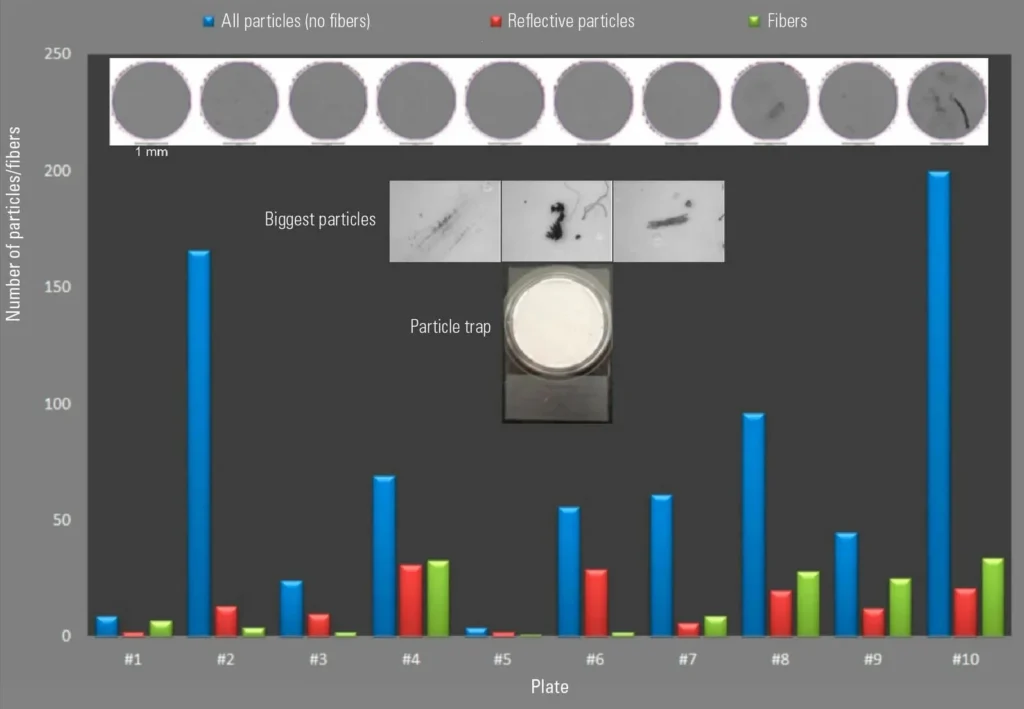
- Chemical composition and contamination analysis
- Coating thickness and uniformity measurement
- Biocompatibility-related surface chemistry studies
Commonly used techniques:
✅ Scanning Electron Microscopy (SEM)
✅ Transmission Electron Microscopy (TEM)
✅ Energy Dispersive X-Ray Spectroscopy (EDS)
✅ X-Ray Photoelectron Spectroscopy (XPS)
✅ Fourier Transform Infrared Spectroscopy (FTIR)
✅ Time-of-Flight Secondary Ion Mass Spectrometry (TOF-SIMS)
Industries We Serve
Our biomedical analysis services are trusted by clients in diverse sectors:
- Medical Device Manufacturers — Assuring material integrity, cleanliness, and regulatory compliance.
- Pharmaceutical & Biotech — Supporting drug delivery systems and biocompatibility studies.
- Academic & Clinical Research — Enabling breakthroughs in medical materials and technologies.
- Regulatory & QA Teams — Providing data to meet stringent international standards.
We work closely with you at every stage of your product development lifecycle to deliver insights that matter.

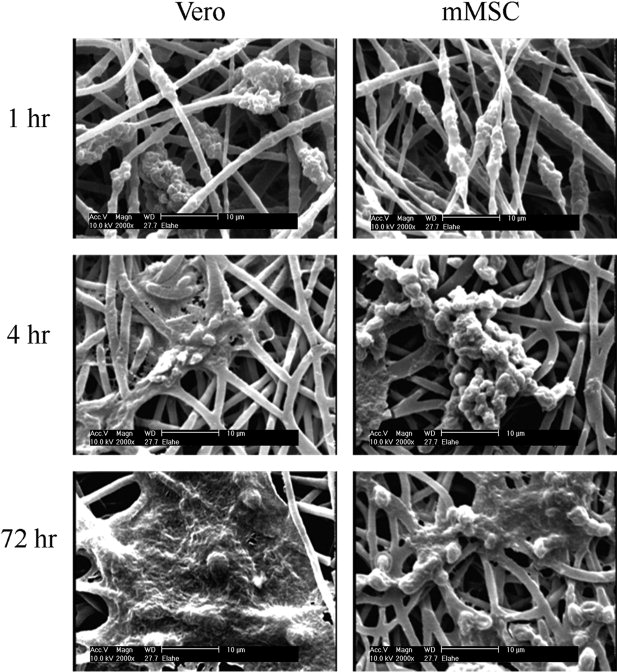
Biomaterials Characterization & Microstructural Evaluation
Biomedical Analysis involves comprehensive evaluation of medical-grade materials to understand their structural, chemical, and functional properties. This includes microstructural assessment, surface evaluation, and contamination detection to ensure compliance with performance and safety standards.
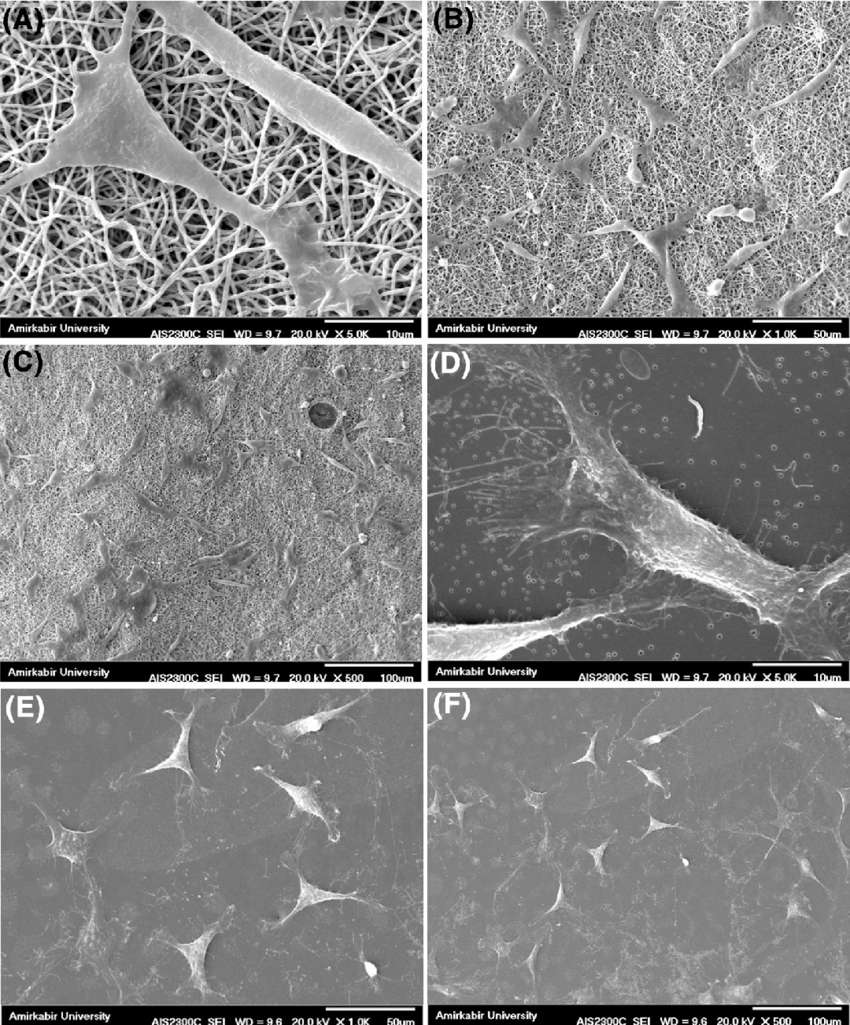
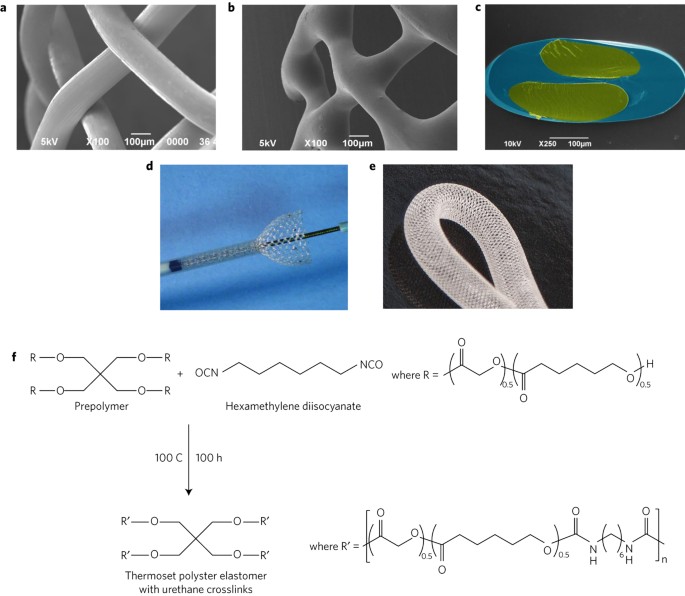
Structural integrity directly influences device performance within the human body. Factors such as grain structure in metals, porosity in scaffolds, polymer morphology in tubing systems, and coating adhesion in implants are carefully analyzed. High-resolution imaging and microscopy techniques help identify defects such as microcracks, voids, inclusions, and delamination that may compromise device safety or lifespan.
Surface Chemistry & Interface Analysis
Surface properties are particularly critical in biomedical applications because the interface between material and tissue governs biological response. Surface roughness, chemical composition, coating thickness, and cleanliness influence osseointegration, cell adhesion, antimicrobial performance, and corrosion resistance.
Our advanced surface analysis services evaluate chemical composition, coating uniformity, and potential contamination. Elemental mapping and compositional testing detect trace residues, manufacturing byproducts, or degradation products that may impact biocompatibility. We also assess surface treatments such as passivation layers, plasma coatings, and antimicrobial finishes to ensure stability and functional performance.
Comprehensive surface characterization supports both product optimization and regulatory documentation requirements.
Medical Device Failure Analysis
When medical devices fail—whether through fracture, corrosion, wear, or material degradation—thorough investigation is essential. Biomedical failure analysis requires careful handling, precise imaging, and expert interpretation to determine root causes while preserving evidence.
Our laboratory conducts detailed fractography, corrosion analysis, and compositional evaluation to identify crack initiation sites, fatigue patterns, environmental damage, and manufacturing defects. We examine retrieved implants, surgical components, and device fragments to determine whether failure resulted from material selection, processing irregularities, mechanical overload, or in-service degradation.
Clear, defensible reporting provides valuable insight for corrective actions, product redesign, quality system improvements, and legal documentation.
Biocompatibility Support & Regulatory Alignment
Biomedical products must comply with stringent regulatory standards governing material safety and performance. While biocompatibility testing often involves biological assays, materials characterization forms a critical foundation for regulatory submissions and risk assessments.
We provide analytical data that supports biocompatibility evaluations, including surface chemistry verification, contamination analysis, degradation studies, and extractables assessment. Our documentation aligns with industry-recognized standards and regulatory frameworks to facilitate smooth submission processes.
Independent third-party testing enhances credibility with regulatory authorities, notified bodies, and healthcare partners by ensuring transparency and traceability throughout product development.
Wear, Corrosion & Degradation Studies
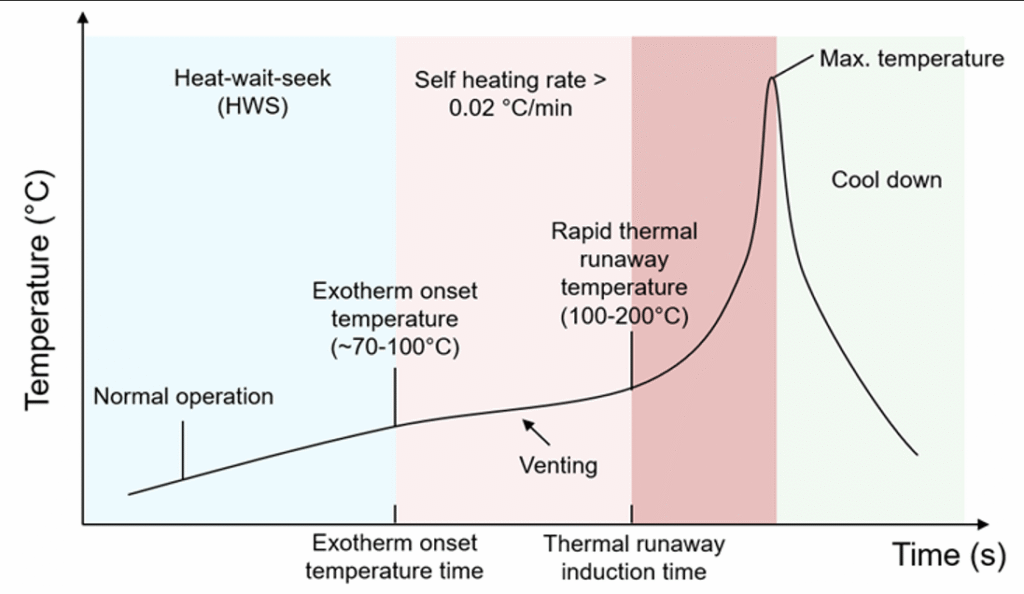
Biomedical materials are continuously exposed to mechanical stress and biological fluids, making wear and corrosion critical considerations. Over time, these factors may lead to ion release, surface pitting, or structural weakening.
Simulated environment testing is used to study degradation behavior under controlled conditions. Post-exposure analysis reveals microstructural changes, tribological wear patterns, and chemical alterations that influence device lifespan and performance reliability.
Polymer & Soft Material Analysis in Healthcare
Polymers are widely used in medical tubing, syringes, catheters, prosthetics, and packaging systems. Their flexibility and chemical stability make them essential in healthcare applications, but they must maintain integrity under sterilization and physiological conditions.
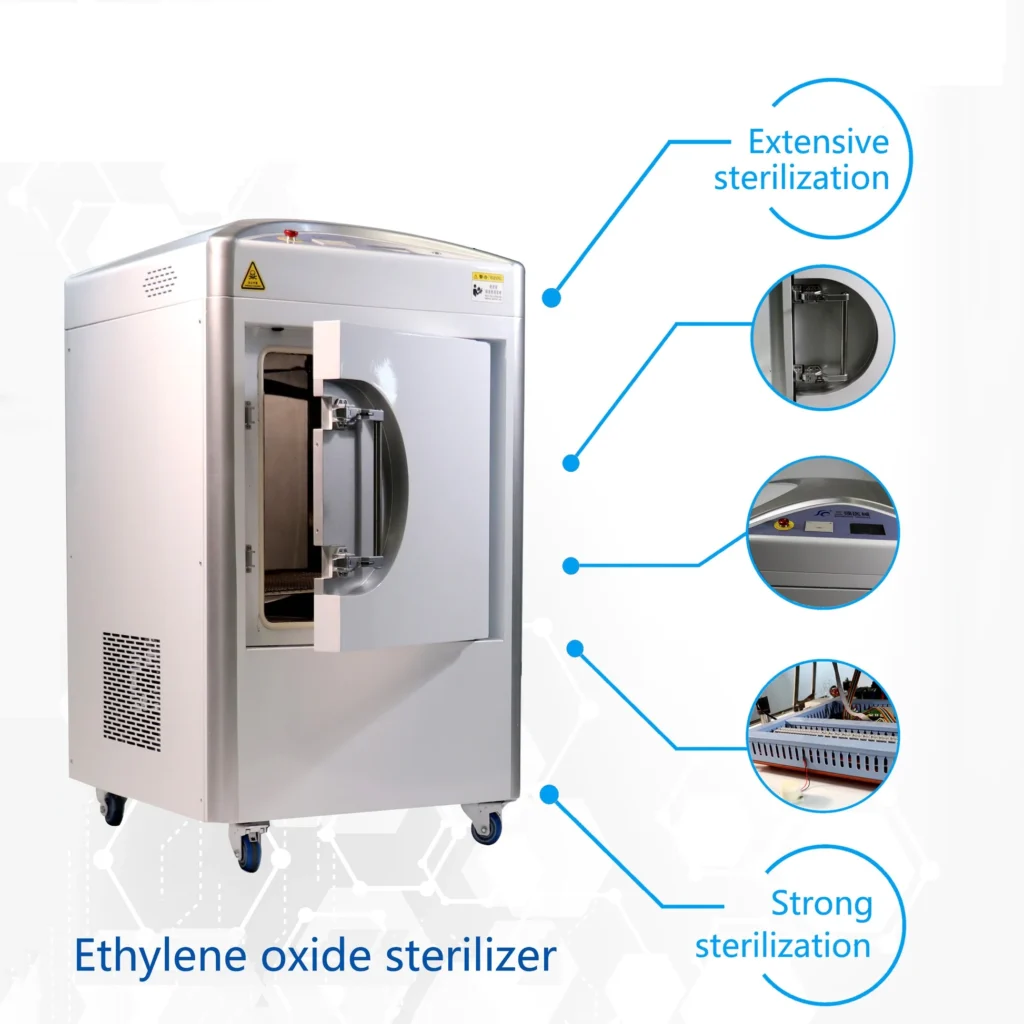
Polymer analysis includes evaluation of thermal stability, morphology, additive distribution, and degradation behavior. Studies also assess potential leachables, plasticizer migration, and structural changes caused by sterilization methods such as gamma irradiation or autoclaving.
These evaluations ensure long-term safety and functional stability of polymer-based medical systems.
Supporting Innovation in Medical Technology
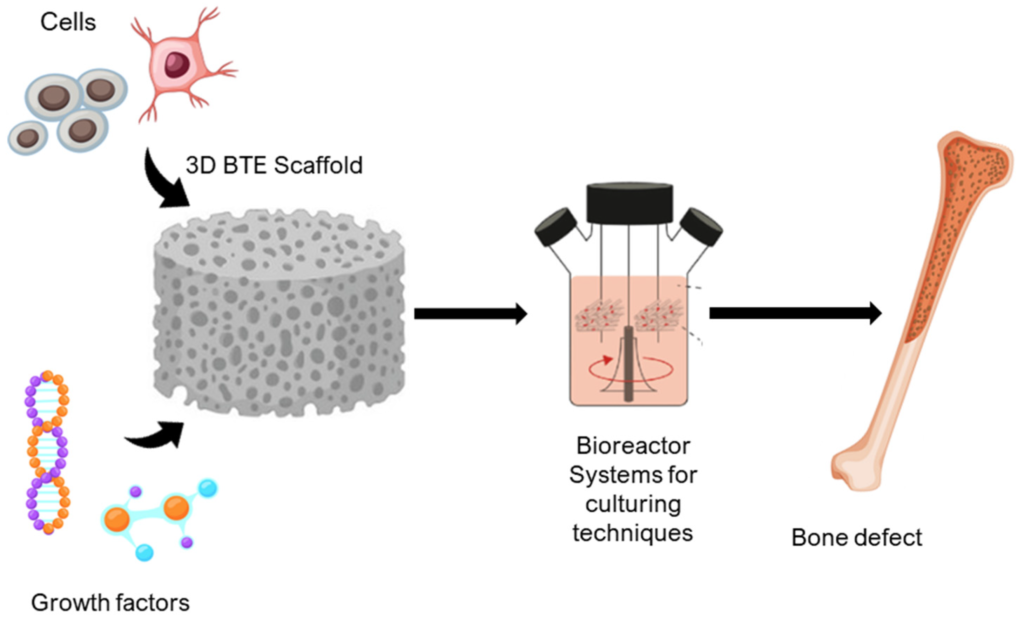
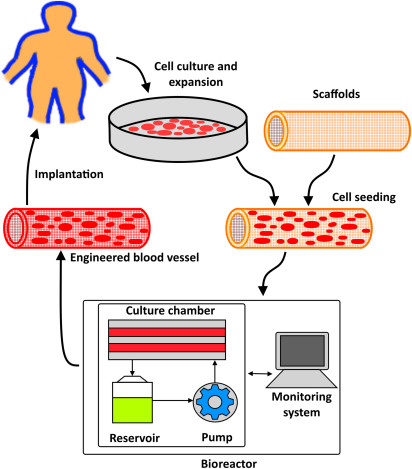
Biomedical innovation is rapidly advancing in areas such as minimally invasive surgery, bioresorbable implants, smart wearable devices, and regenerative medicine scaffolds. Each advancement introduces new material challenges that demand precise characterization and rigorous validation.
Genuine Testing partners with medical device manufacturers, research institutions, and healthcare technology developers to deliver comprehensive biomedical analysis tailored to each project’s objectives. Our integrated approach connects microstructural imaging, compositional analysis, thermal evaluation, and mechanical testing to provide a complete understanding of material behavior in medical environments.
Through scientific rigor, regulatory awareness, and independent verification, our Biomedical Analysis services help ensure that medical materials perform safely, reliably, and consistently—ultimately supporting improved patient outcomes and advancing the future of healthcare technology.
Application-Focused Evaluation of Biomedical Analysis
Material performance depends on more than a single specification or laboratory measurement. For medical devices, biomaterials, coatings, polymers, metals and diagnostic components, a useful testing program should connect measurable properties with the conditions the product will experience during manufacturing, storage, transportation, and service. Our Biomedical Analysis services are designed to generate practical evidence that helps engineers understand why a material behaves as it does and what that behavior means for product reliability. By evaluating structure, chemistry, surface condition, contamination, dimensional stability and biological performance, organizations can move beyond pass/fail results and develop a clearer technical basis for material selection, process improvement, and product validation.
Integrated Testing and Analytical Interpretation
Many technical questions cannot be answered by one analytical method alone. Our laboratory can combine microscopy, spectroscopy, surface characterization, elemental analysis and targeted compatibility studies to build a more complete picture of a sample. For example, a change in mechanical performance may be related to composition, microstructure, surface condition, environmental exposure, or manufacturing history. Using complementary techniques allows scientists to compare observations, confirm suspected causes, and distinguish a true material issue from a processing or handling effect. This integrated approach is particularly valuable when samples are limited, when a product has failed unexpectedly, or when a new formulation must be compared with an established material. Where structural evidence is needed, our Biomedical Analysis can also be paired with In Vitro Biocompatibility to investigate related material characteristics and Extractables & Leachables Testing when the project requires additional evidence about performance, degradation, or root cause.
Support for Product Development, Quality, and Failure Investigation
Testing is most valuable when the results can be translated into an engineering decision. During research and development, laboratory data can help teams compare candidate materials, refine formulations, establish acceptance criteria, and identify potential weaknesses before commercialization. During manufacturing, testing can support incoming inspection, batch-to-batch comparison, supplier qualification, and process troubleshooting. When a problem occurs in the field, a structured analytical program can help determine whether the cause is related to material selection, processing, contamination, environmental exposure, design, or service conditions. The resulting technical evidence can support corrective actions, design changes, warranty investigations, and long-term reliability programs.
Industries and Applications
Our Biomedical Analysis capabilities can be adapted to the requirements of implantable devices, surgical components, drug-delivery systems, diagnostic equipment and wearable technologies. Each application may require different sample preparation, conditioning, analytical methods, or reporting criteria. Rather than applying a one-size-fits-all workflow, our technical team can define a testing plan around the material, the suspected failure mechanism, the applicable specification, and the decision the client needs to make. Results can be presented with clear observations, measurements, supporting images or analytical data, and technical interpretation so that engineering and quality teams can act on the findings.