
Glass materials
Advanced Glass Analysis, Ceramics, Refractories and Glass Testing for Performance, Safety & Reliability
Glass is one of the most versatile and widely used engineered materials across modern industries. From skyscraper façades and automotive windshields to pharmaceutical vials and optical lenses, glass must meet strict performance, durability, and safety standards. Despite its transparency and elegance, glass is inherently brittle and highly sensitive to flaws, stress concentrations, and environmental exposure. Even minor surface imperfections can significantly influence strength and fracture behavior. At Genuine Testing, we provide comprehensive Glass Analysis, Ceramics, Refractories and Glass testing services designed to evaluate mechanical performance, thermal stability, structural integrity, and long-term durability under real-world conditions.
The increasing adoption of large-format architectural glass panels and lightweight automotive glazing has intensified the need for reliable glass strength testing and fracture analysis. Minor process variations in tempering, lamination, or surface finishing can significantly influence final performance. Through comprehensive laboratory evaluation, manufacturers gain confidence in material behavior before deployment in critical applications. In high-precision industries such as electronics and renewable energy, micro-level defects or surface inconsistencies may impact product lifespan and efficiency. Our Glass Analysis, Ceramics, Refractories and Glass testing services provide detailed insight into surface condition, flaw distribution, and stress performance, supporting both innovation and regulatory compliance.
As a trusted materials testing laboratory and Contract Research Organization (CRO), we support manufacturers, architects, automotive suppliers, renewable energy companies, ceramics manufacturers, refractory producers, and specialty glass developers with advanced glass characterization and validation. Our testing programs help ensure compliance with industry standards, optimize product design, reduce risk of failure, and improve lifecycle performance. Whether the application involves architectural glazing, laminated safety glass, ceramic materials, refractory components, optical systems, borosilicate laboratory ware, or solar panel glass, our expertise ensures reliable and actionable test data.
Glass Analysis, Ceramics, Refractories and Glass testing has become increasingly important as industries move toward larger glass structures, lightweight automotive components, energy-efficient glazing systems, advanced ceramic formulations, and high-performance refractory materials. Modern engineering demands data-driven validation, and our laboratory delivers the accuracy and repeatability required for critical decision-making.
Mechanical Strength and Structural Glass Evaluation
The mechanical behavior of glass differs significantly from ductile materials such as metals. Unlike metals, glass and ceramic materials do not plastically deform before failure. Instead, fracture occurs suddenly once stress exceeds tensile capacity. Because of this brittle behavior, understanding strength characteristics, flaw sensitivity, and stress distribution is critical for safe engineering design.
Our laboratory performs detailed mechanical testing and Glass Analysis to evaluate flexural strength, surface flaw sensitivity, and resistance to impact loading. Structural evaluation is particularly important for architectural glazing systems, refractory components, and engineered ceramic applications where materials must withstand mechanical loads, thermal stress, and environmental exposure.
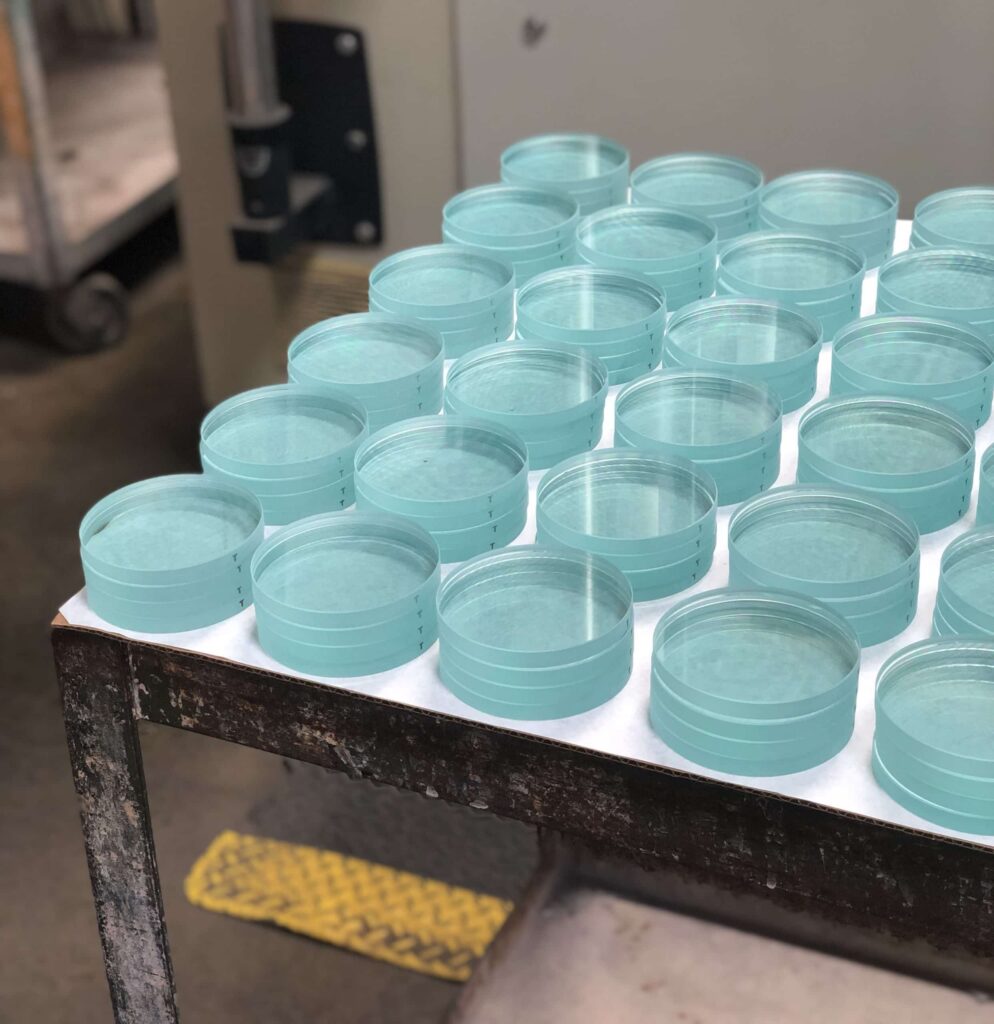
We evaluate monolithic glass, laminated systems, insulated panels, tempered glass, ceramic composites, and refractory materials under controlled loading conditions designed to simulate real-world service environments. Tempered glass testing is especially critical in safety-sensitive applications because tempering introduces compressive surface stresses that improve strength and alter fracture characteristics.
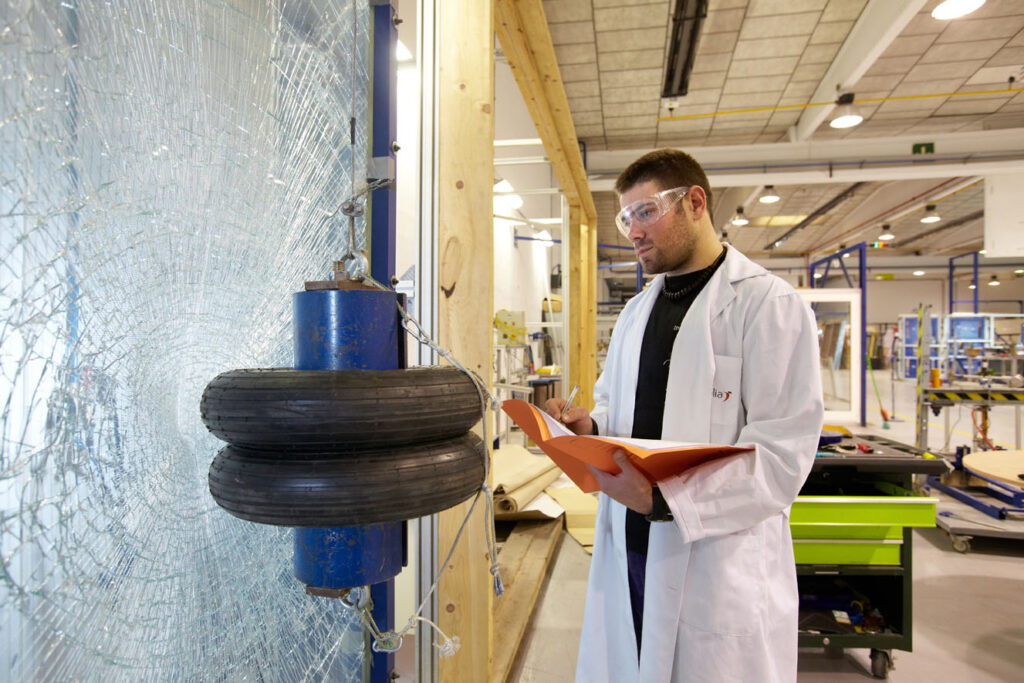
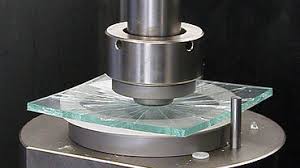
Impact resistance testing evaluates performance under sudden loading conditions such as debris impact, hail exposure, accidental contact, or operational stress. By combining strength evaluation with fracture surface analysis, our experts identify crack initiation points and determine root causes of failure. This scientific approach supports manufacturing optimization, improved quality control, and reduced breakage rates.
Complete elemental characterization of glass formulations — including quantification of silica, boron, aluminium, alkali oxides, and trace modifiers — is conducted through our Chemical Analysis services using XRF and ICP-MS techniques, supporting both composition verification and regulatory compliance documentation.
Thermal Performance and Environmental Resistance
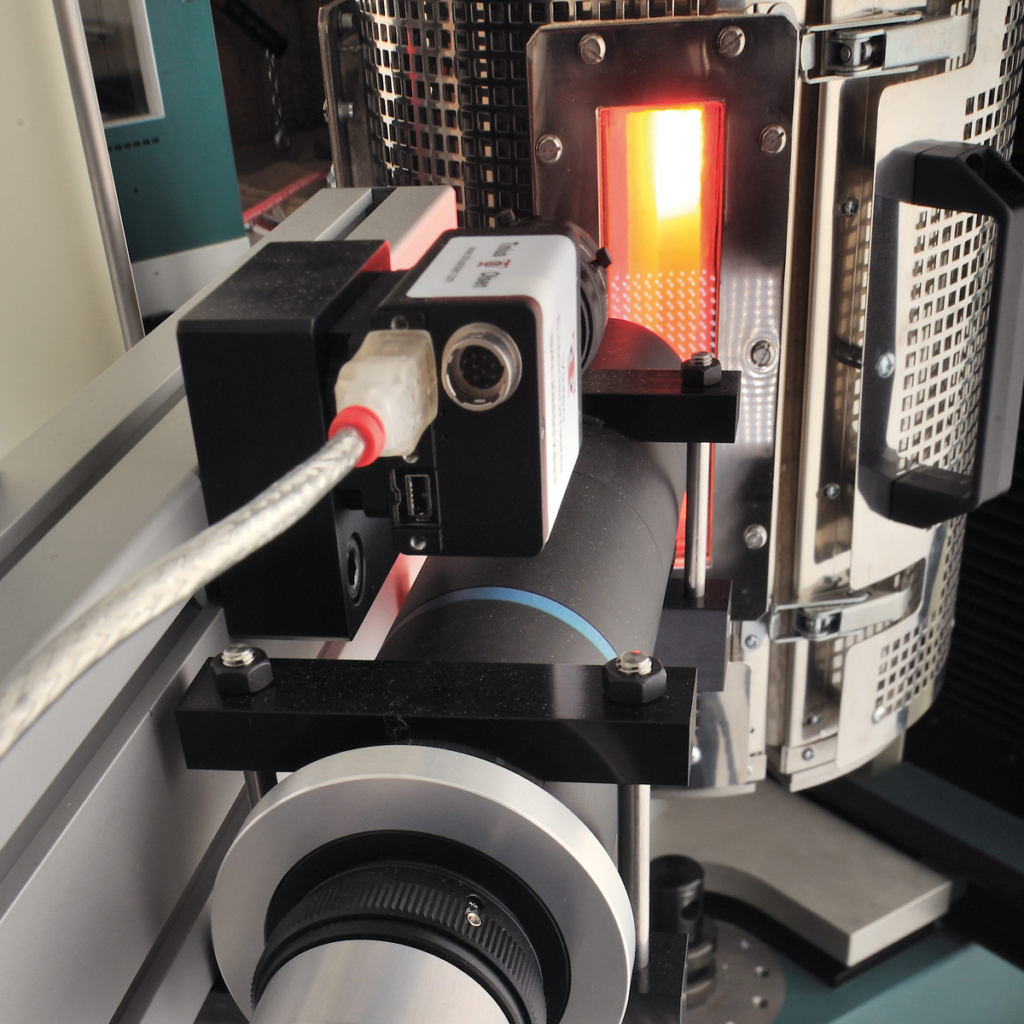
Glass, ceramics, and refractory materials are frequently exposed to extreme temperature variations during service. Architectural glazing systems experience seasonal thermal cycling, solar glass faces continuous UV exposure, and laboratory or industrial refractory materials must tolerate rapid heating and cooling conditions. Thermal shock testing evaluates how materials respond to sudden temperature differentials and identifies susceptibility to cracking or structural failure.
Our laboratory conducts controlled thermal cycling and heat resistance testing to evaluate dimensional stability, thermal endurance, and resistance to stress-induced fracture. For borosilicate glass, ceramic systems, and refractory materials used in scientific, pharmaceutical, and industrial processing environments, thermal durability is essential to maintaining long-term structural integrity.
Environmental exposure testing further evaluates resistance to humidity, UV radiation, corrosion, and chemically aggressive conditions. In industrial and coastal environments, surfaces may experience chemical attack, weathering, or degradation over time. Our environmental simulation programs assess durability under prolonged exposure conditions to support accurate lifecycle predictions.
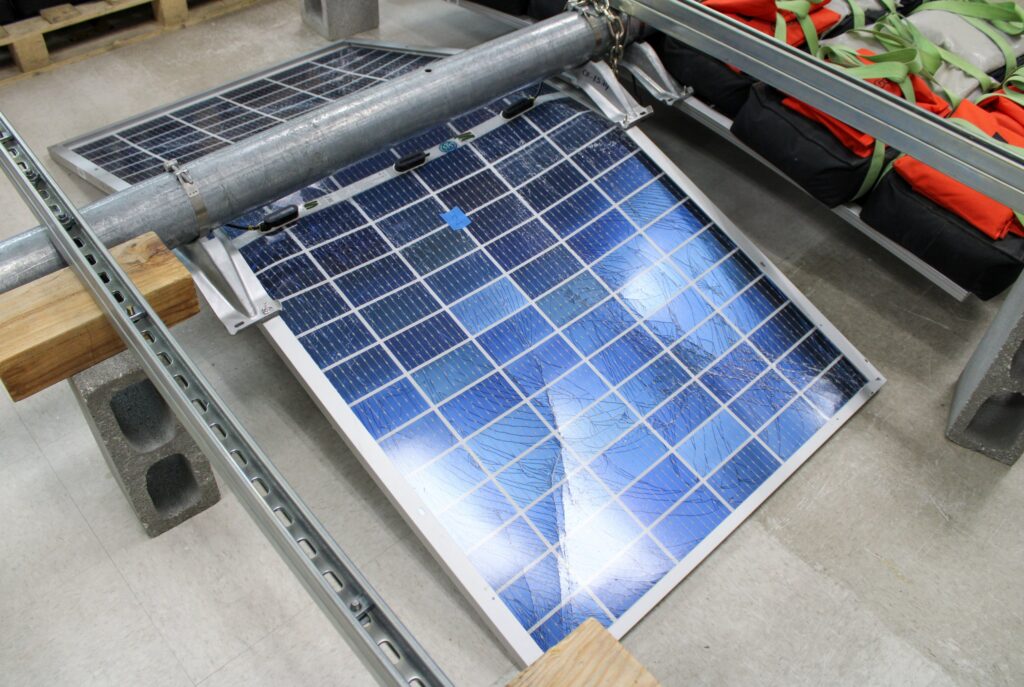
For renewable energy applications such as solar glass systems, durability testing is critical for maintaining optical transparency and structural strength over decades of outdoor operation. Through advanced Glass Analysis, we evaluate optical clarity retention, resistance to microcracking, and long-term environmental stability to help clients maintain efficiency and reduce performance losses.
Optical and Specialty Glass Characterization
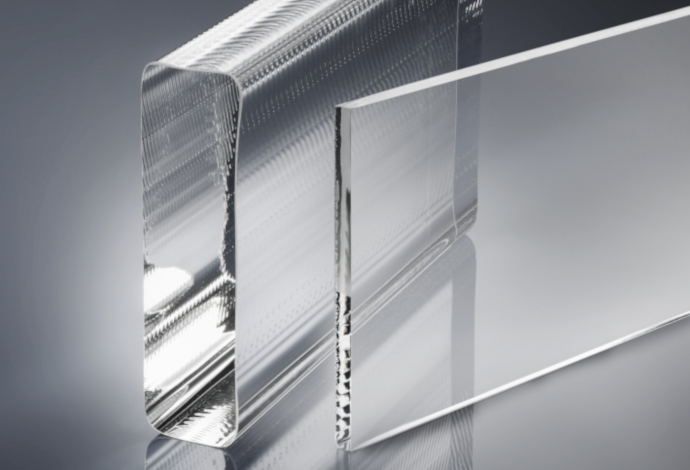
Optical glass and specialty formulations require highly precise characterization to ensure clarity, transmission efficiency, dimensional accuracy, and structural reliability. In industries such as electronics, aerospace, telecommunications, and medical devices, even minor surface defects or internal inclusions may impact overall performance.
Our laboratory performs advanced Glass Analysis to assess surface quality, defect distribution, and structural consistency. Using microscopy and advanced imaging methods, we identify microcracks, inclusions, and flaw populations that may compromise long-term durability in Ceramics, Refractories and Glass applications.
Specialty glasses used in displays, touchscreens, instrumentation, and precision optical systems often require validation of both mechanical durability and surface performance. As products become thinner and more lightweight, maintaining impact resistance and structural reliability becomes increasingly important. Comprehensive testing ensures reduced thickness does not compromise safety or operational performance.
Application-Specific Glass Testing Across Industries
Testing requirements for Ceramics, Refractories and Glass materials vary significantly depending on industry applications. In automotive environments, laminated windshields and side windows must demonstrate impact resistance, fragmentation safety, and long-term durability. Testing ensures compliance with transportation safety standards while supporting lightweight design initiatives.
Architectural glazing applications require structural performance validation for curtain walls, skylights, façades, and high-rise systems. Our structural evaluation programs assess load-bearing performance and resistance to environmental stresses to ensure safety and compliance.
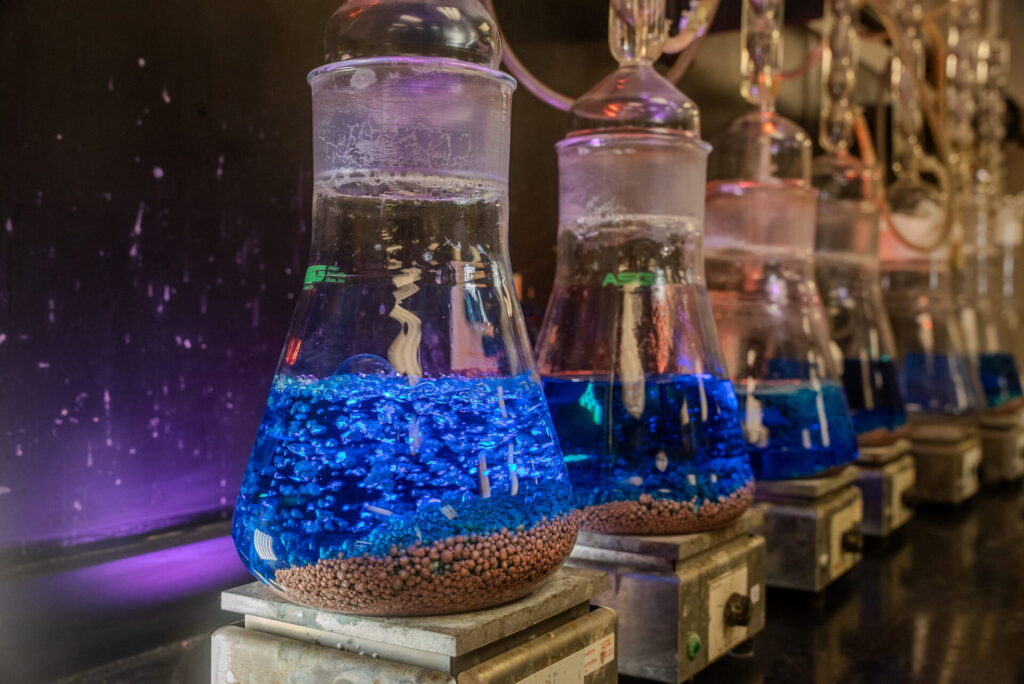
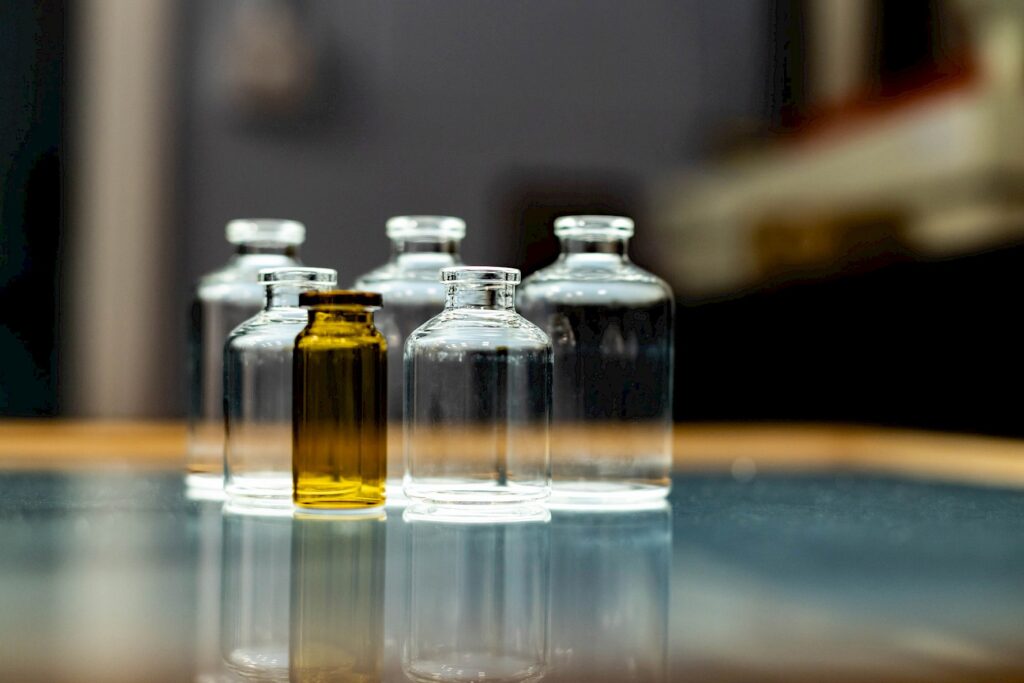
Pharmaceutical containers, laboratory ware, and borosilicate glass products must maintain integrity during sterilization, transport, and storage. Testing confirms resistance to thermal cycling, cracking, and chemical degradation, ensuring product reliability and regulatory acceptance.
Refractory and ceramic materials used in industrial furnaces, processing systems, and high-temperature environments require specialized thermal endurance and mechanical testing. Our laboratory evaluates resistance to thermal fatigue, structural degradation, and operational stress under demanding industrial conditions.
Solar and renewable energy systems rely on durable protective glass layers and ceramic materials to maintain long-term efficiency. Impact resistance, thermal endurance, and optical clarity remain essential to preserving energy output and extending operational lifespan.
Quality Assurance, Compliance & Failure Prevention
Unexpected failures involving glass, ceramics, or refractory materials can lead to costly damage, operational downtime, and safety concerns. Implementing rigorous Glass Analysis programs supports proactive quality assurance, regulatory compliance, and long-term product reliability.
Our laboratory follows internationally recognized testing methodologies to ensure repeatable, accurate, and defensible results. Testing data supports certification programs, customer validation requirements, and product qualification initiatives across Ceramics, Refractories and Glass industries.
By identifying weaknesses early in development, manufacturers can improve formulations, optimize tempering and lamination processes, refine refractory compositions, and enhance surface finishing methods. Fracture analysis and root cause investigations also play an essential role in understanding unexpected failures. Our technical specialists evaluate fracture surfaces, stress patterns, and defect characteristics to determine underlying causes and recommend corrective actions.
Partner with a Trusted Glass Testing Laboratory
At Genuine Testing, we combine advanced instrumentation, scientific expertise, and extensive materials engineering knowledge to deliver reliable Glass Analysis services for Ceramics, Refractories and Glass applications. Our CRO-level confidentiality, precision-driven methodologies, and client-focused approach ensure testing data supports real-world engineering decisions and product improvements.
We work closely with manufacturers, R&D teams, quality departments, and design engineers to develop customized testing programs aligned with specific application requirements. Whether validating a new specialty glass formulation, evaluating refractory durability, or investigating structural failure in architectural glazing systems, we provide clear and actionable reporting that supports confident decision-making.
Glass fracture surface examination and defect origin identification are performed using our Advanced Microscopy services, including SEM imaging of fracture mirrors, hackle patterns, and Wallner lines that reveal the origin point and propagation direction of glass failures.
Partner with Genuine Testing
Glass Analysis plays a critical role in ensuring safety, durability, and long-term performance across construction, automotive, renewable energy, pharmaceutical, electronics, and industrial manufacturing sectors. As product designs become larger, thinner, lighter, and more performance-driven, rigorous mechanical, thermal, structural, and environmental evaluation becomes increasingly important.
At Genuine Testing, we deliver comprehensive testing solutions including glass strength evaluation, fracture analysis, thermal shock testing, environmental durability assessment, and application-specific validation for Ceramics, Refractories and Glass industries. Our scientific approach supports product optimization, failure prevention, quality enhancement, and regulatory compliance for next-generation engineered materials.
By partnering with an experienced materials testing laboratory, manufacturers gain valuable insight into performance improvement, lifecycle reliability, and risk reduction. Whether developing advanced architectural glazing, automotive glass systems, pharmaceutical containers, specialty ceramics, refractory products, or optical components, comprehensive testing ensures materials meet evolving industry demands and customer expectations with confidence and reliability.