Materials Characterization
Materials characterization is a fundamental process in modern research, product development, and quality assurance, especially in the fields of In Vitro Compatibility, Biomedical Analysis, and material testing for medical devices. It involves evaluating the physical, chemical, mechanical, and structural properties of materials to understand how they behave in biological environments and under real-world conditions. For medical devices and healthcare applications, the reliability and safety of materials are directly dependent on their intrinsic properties and compatibility with biological systems.
Through advanced analytical methods used in Biomedical Analysis, materials can be studied at microscopic and molecular levels to assess composition, structure, and performance. These insights are essential for determining In Vitro Compatibility, ensuring that materials interact safely with biological environments without causing toxicity or adverse reactions. Early identification of potential risks allows developers to refine formulations and improve overall material performance before clinical or commercial use.
Why Choose Genuine Testing for Materials Characterization?
Comprehensive Analysis
From elemental composition to crystallography and microstructure, we offer a full suite of advanced characterization techniques.Expertise You Can Trust
Our experienced scientists and engineers bring decades of knowledge across industries and materials types.Support for Every Stage
Whether you’re developing new materials, verifying suppliers, or troubleshooting failures, we help at every step.Detailed, Actionable Results
We deliver clear, accurate reports that help you understand your material properties and how to optimize them.
Our Testing Capabilities
We use advanced analytical techniques to reveal critical information about your materials:
Elemental and chemical composition analysis
Phase identification & crystallography
Surface & interface characterization
Mechanical property assessment (hardness, strength, elasticity)
Microstructure and morphology studies
Thermal & optical properties evaluation
Application-Focused Evaluation of Materials Characterization
Material performance depends on more than a single specification or laboratory measurement. For metals, polymers, ceramics, composites, coatings, glass and advanced functional materials, a useful testing program should connect measurable properties with the conditions the product will experience during manufacturing, storage, transportation, and service. Our Materials Characterization services are designed to generate practical evidence that helps engineers understand why a material behaves as it does and what that behavior means for product reliability. By evaluating composition, phase structure, morphology, surface condition, thermal behavior and mechanical properties, organizations can move beyond pass/fail results and develop a clearer technical basis for material selection, process improvement, and product validation.
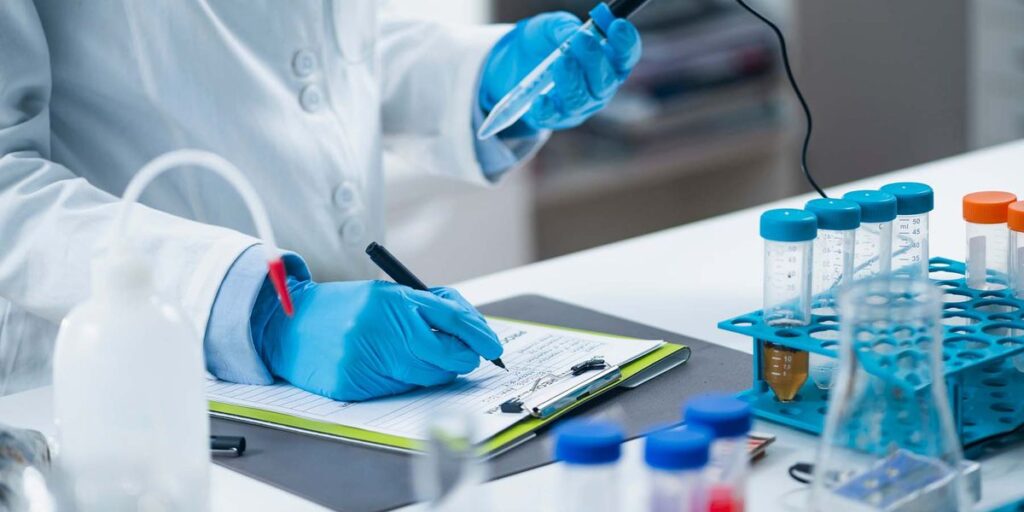
The Role of Materials Characterization in Product Development
Our analytical capabilities for material testing for medical devices include:
- Elemental and chemical composition analysis relevant to Biomedical Analysis
- Phase identification and crystallography for structural evaluation
- Surface and interface studies for In Vitro Compatibility assessment
- Mechanical property testing such as strength, elasticity, and hardness
- Microstructure and morphology evaluation of biomaterials
- Thermal and optical behavior analysis for medical-grade materials
Advanced Analytical Techniques for Material Evaluation
Modern materials characterization relies on a wide range of advanced analytical techniques that allow scientists to study materials with exceptional precision. These techniques provide detailed information about the composition, structure, and physical properties of materials, enabling researchers to understand how they behave under different conditions.
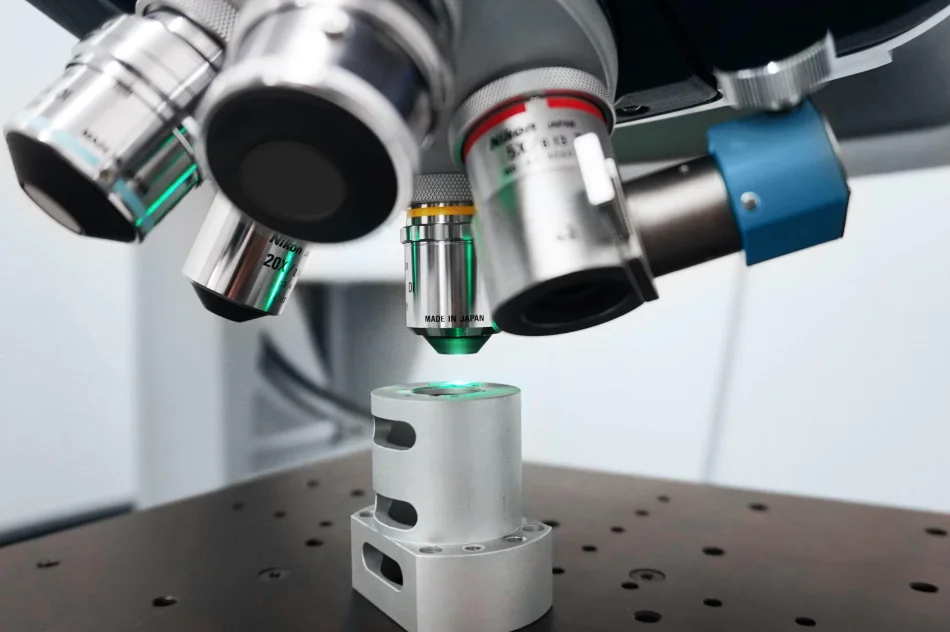
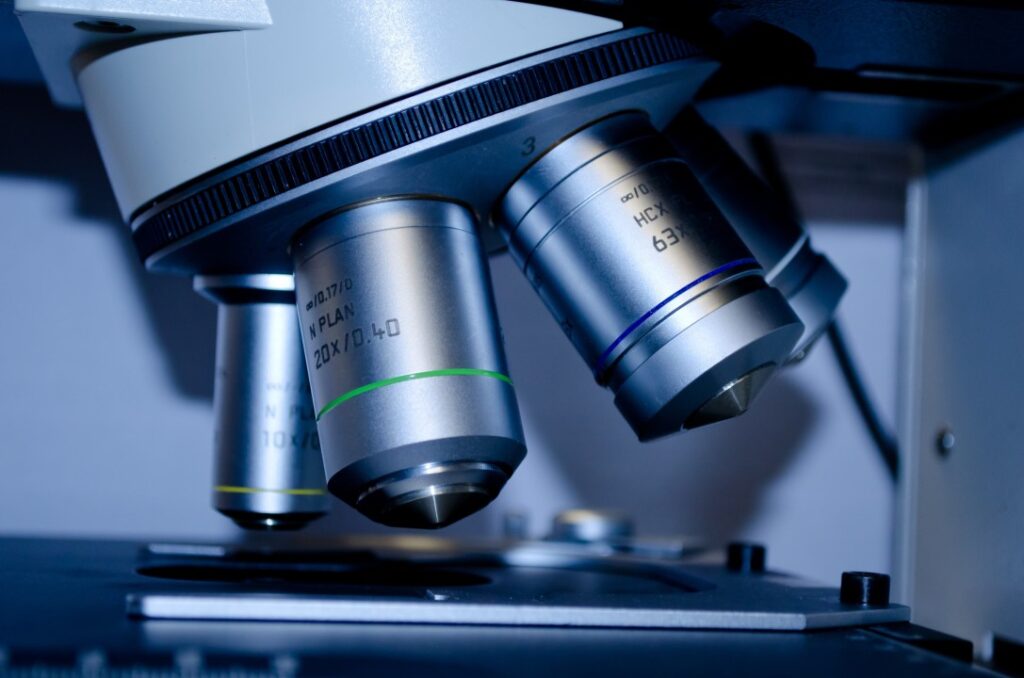
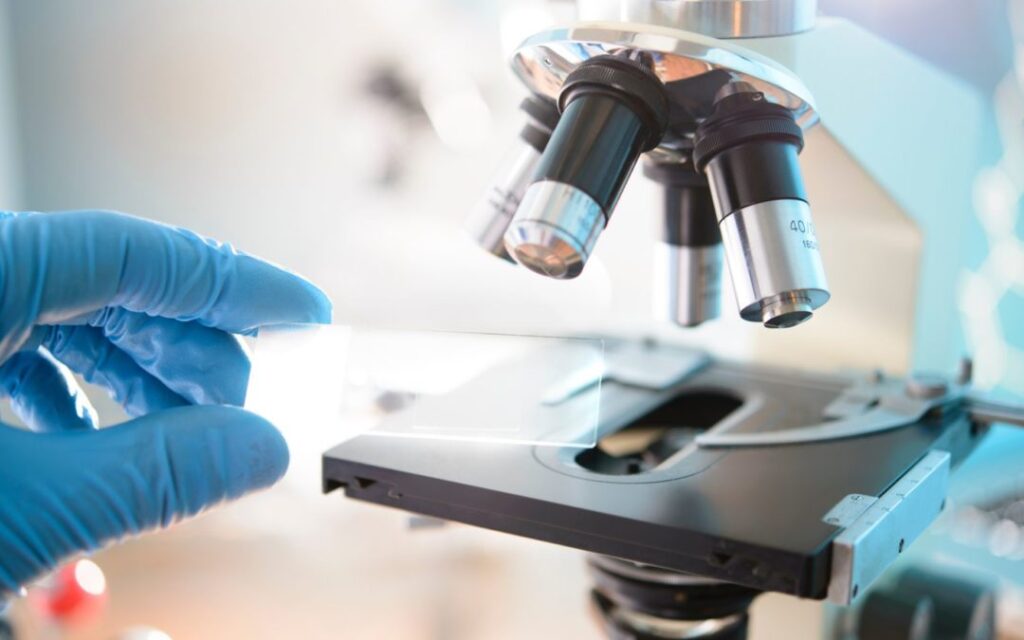
Microscopy techniques are commonly used to observe the microstructure of materials. Instruments such as scanning electron microscopes allow researchers to examine surfaces at extremely high magnification, revealing features that are invisible to the naked eye. These observations help scientists identify structural defects, surface irregularities, or contamination that may affect performance.
Spectroscopic methods are also widely used in materials characterization. These techniques analyze how materials interact with electromagnetic radiation to determine their chemical composition and molecular structure. By studying these interactions, scientists can identify the presence of specific compounds, impurities, or additives within a material.
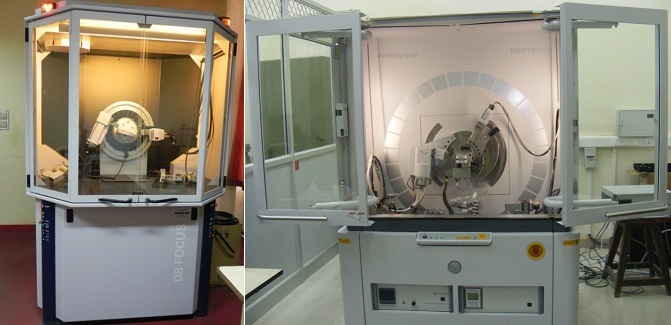
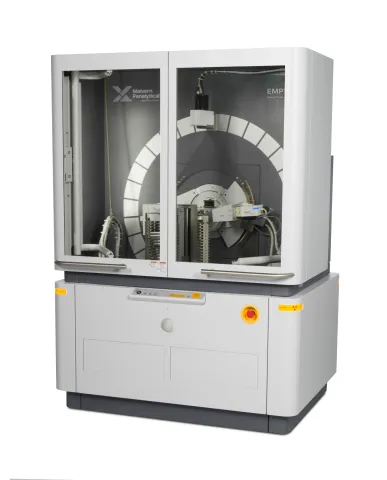
Ensuring Quality and Consistency in Manufacturing
Maintaining consistency in biomedical materials is essential for safe and effective medical device performance. Variations in composition or processing conditions can directly affect In Vitro Compatibility and device reliability.
Through rigorous Biomedical Analysis, material testing for medical devices helps detect inconsistencies early, ensuring that only compliant materials are used in production. This is particularly important in regulated healthcare environments where safety standards are critical.
When performance issues arise, analytical testing supports root cause analysis by identifying changes in material structure, chemistry, or stability.
Supporting Innovation Across Multiple Industries
Material testing for medical devices supports innovation across healthcare and life sciences by enabling the development of safer and more effective technologies. In Biomedical Analysis, advanced characterization techniques help engineers and scientists design materials that meet strict biological performance requirements.
In pharmaceutical and medical industries, In Vitro Compatibility testing ensures that packaging materials and device components do not negatively interact with drugs or biological systems. This helps maintain product stability, safety, and effectiveness throughout their lifecycle.
Electronics used in wearable and diagnostic medical devices also benefit from Biomedical Analysis, ensuring that materials remain stable, durable, and safe for continuous use in healthcare environments.
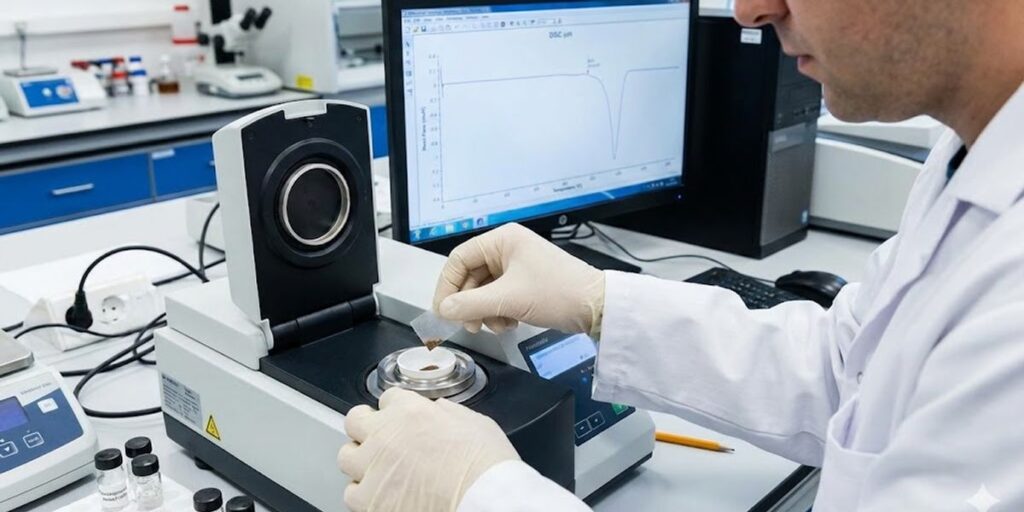

Integrated Testing and Analytical Interpretation
Many technical questions cannot be answered by one analytical method alone. Our laboratory can combine microscopy, spectroscopy, diffraction, elemental analysis, thermal testing and mechanical characterization to build a more complete picture of a sample. For example, a change in mechanical performance may be related to composition, microstructure, surface condition, environmental exposure, or manufacturing history. Using complementary techniques allows scientists to compare observations, confirm suspected causes, and distinguish a true material issue from a processing or handling effect. This integrated approach is particularly valuable when samples are limited, when a product has failed unexpectedly, or when a new formulation must be compared with an established material. Where structural evidence is needed, our Materials Characterization can also be paired with Advanced Microscopy to investigate related material characteristics and Chemical Analysis when the project requires additional evidence about performance, degradation, or root cause.
Support for Product Development, Quality, and Failure Investigation
Testing is most valuable when the results can be translated into an engineering decision. During research and development, laboratory data can help teams compare candidate materials, refine formulations, establish acceptance criteria, and identify potential weaknesses before commercialization. During manufacturing, testing can support incoming inspection, batch-to-batch comparison, supplier qualification, and process troubleshooting. When a problem occurs in the field, a structured analytical program can help determine whether the cause is related to material selection, processing, contamination, environmental exposure, design, or service conditions. The resulting technical evidence can support corrective actions, design changes, warranty investigations, and long-term reliability programs.
Industries and Applications
Our Materials Characterization capabilities can be adapted to the requirements of research, product development, supplier qualification, quality control and failure investigation. Each application may require different sample preparation, conditioning, analytical methods, or reporting criteria. Rather than applying a one-size-fits-all workflow, our technical team can define a testing plan around the material, the suspected failure mechanism, the applicable specification, and the decision the client needs to make. Results can be presented with clear observations, measurements, supporting images or analytical data, and technical interpretation so that engineering and quality teams can act on the findings.