
Chemical Analysis
At our laboratory, advanced chemical analysis services are designed to help you understand the composition, structure, and properties of materials at a fundamental level. Whether you are developing new products, validating manufacturing processes, or investigating material failures, our expertise combined with state-of-the-art instrumentation delivers reliable and actionable insights. We support industries working with metals, polymers, ceramics, and composites by providing precise chemical data that guides critical technical and business decisions.
Our chemical analysis capabilities are widely used across manufacturing, energy, aerospace, automotive, construction, electronics, healthcare, and environmental sectors. As an independent testing laboratory, we provide objective, high-accuracy analytical results that support research and development, process control, failure analysis, and regulatory compliance. Our multidisciplinary approach integrates FTIR testing services, XRF analysis laboratory techniques, ICP-MS testing services, chromatography, and thermal analysis to deliver a complete understanding of material composition and behavior.
Elemental Composition & Trace Analysis
Accurate elemental analysis is essential for verifying material specifications, detecting contamination, and ensuring product reliability. Even trace levels of metallic or non-metallic impurities can significantly impact corrosion resistance, mechanical strength, conductivity, and chemical stability.
Our ICP-MS testing services enable ultra-trace elemental detection and precise quantification of both major and trace elements. This supports alloy verification, contamination identification, regulatory compliance, and supplier quality assurance.
In failure investigations, ICP-MS analysis helps identify trace-level contaminants, corrosion byproducts, or unintended elemental inclusions that may have contributed to product degradation. When combined with high-sensitivity instrumentation and expert interpretation, we deliver dependable compositional insights across a wide range of materials.

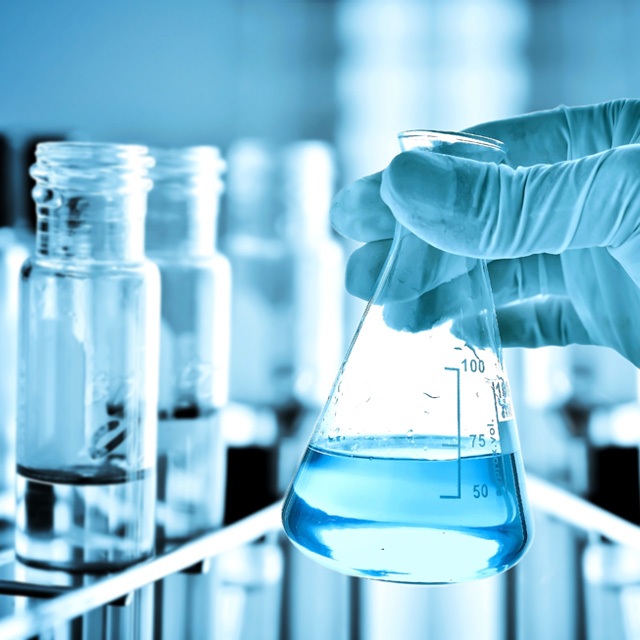
Spectroscopic Analysis for Structural Identification
Spectroscopic techniques provide detailed insight into molecular structure, chemical bonding, and functional group identification. These methods are invaluable for characterizing polymers, coatings, adhesives, pharmaceuticals, fuels, and specialty chemicals.
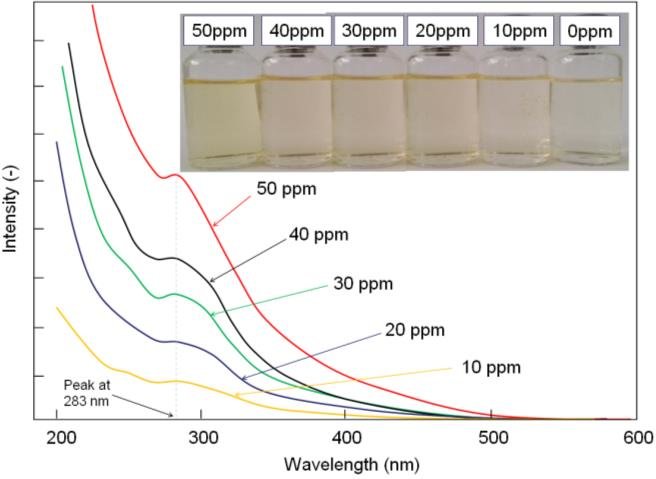
Using infrared spectroscopy, Raman spectroscopy, ultraviolet-visible spectroscopy, and related techniques, we identify organic compounds, monitor chemical degradation, and verify formulation consistency. Spectroscopy also plays a key role in confirming polymer identity, detecting oxidation, and evaluating surface treatments.
These analyses help manufacturers ensure product consistency, diagnose material aging, and maintain compliance with industry standards.
Industries We Serve
Our chemical testing solutions support a wide array of industries:
Aerospace & Automotive — Material verification, coatings analysis, contamination control.
Electronics & Semiconductors — Thin film characterization, trace impurity detection.
Medical & Pharmaceutical — Ensuring compliance and material compatibility for critical applications.
Energy & Environment — Analyzing catalysts, batteries, and environmental samples.
Consumer Goods & Packaging — Quality assurance and compliance testing.
We help you overcome challenges at every stage of your product’s lifecycle — from R&D to production and beyond.
Chromatographic Separation & Compound Identification
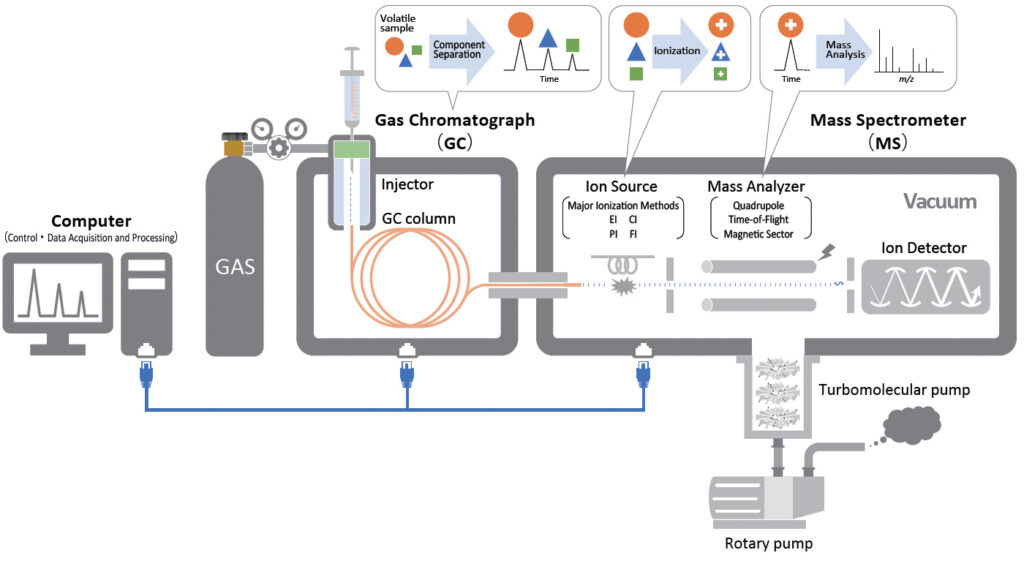
Complex chemical mixtures often require separation before accurate identification. Chromatographic techniques, combined with advanced detectors, enable precise separation and identification of volatile and non-volatile compounds.
Our chemical analysis services include advanced chromatography integrated with mass spectrometry for impurity profiling, residual solvent detection, and purity assessment. These methods are critical in pharmaceuticals, environmental testing, food safety, and polymer additive analysis.
This level of compound identification is essential for resolving contamination issues, formulation inconsistencies, and unexpected product performance behavior.
Surface Chemistry & Coating Analysis
Surface chemistry plays a critical role in material performance, influencing adhesion, corrosion resistance, wear behavior, and biological compatibility.
We perform detailed chemical analysis of coatings, thin films, and treated surfaces using FTIR testing services, elemental mapping, and complementary spectroscopic techniques. This helps verify coating composition, detect contaminants, and assess surface uniformity.
Such analysis is essential for industries including aerospace coatings, biomedical devices, electronics, and industrial protection systems.

Contamination Investigation & Root Cause Analysis
Contamination can significantly impact product quality, safety, and reliability. Identifying the source requires precise analytical methods and systematic investigation.
We conduct contamination analysis using XRF analysis laboratory techniques, ICP-MS testing services, microscopy, and chemical fingerprinting to trace foreign materials back to their origin. This may include raw materials, processing equipment, environmental exposure, or packaging sources.
Root cause analysis supports corrective actions, process optimization, and prevention of recurring manufacturing issues.
Thermal & Stability Analysis
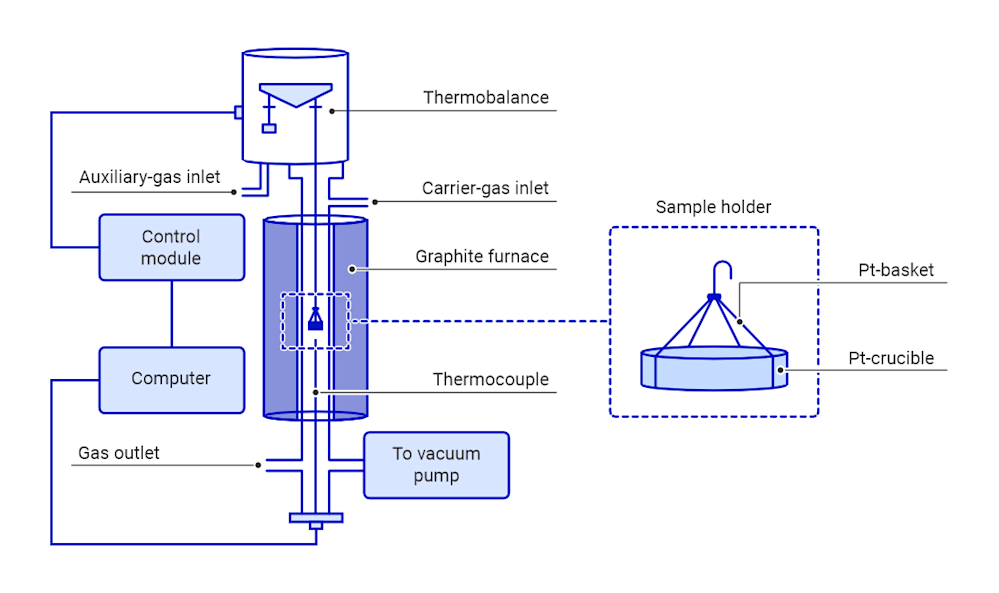
Thermal behavior is closely linked to chemical stability and product performance. Understanding decomposition patterns, phase transitions, and oxidation resistance is essential for safe and reliable product design.
Our thermal analysis services evaluate material stability under controlled temperature conditions, identifying degradation onset, mass loss behavior, and structural changes.
These insights are critical for polymers, pharmaceuticals, adhesives, fuels, and advanced composites to ensure optimized processing and long-term durability.
Application-Focused Evaluation of Chemical Analysis
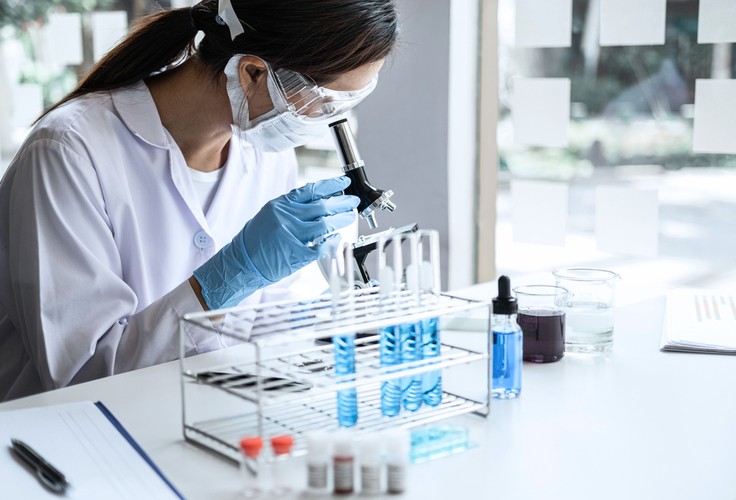
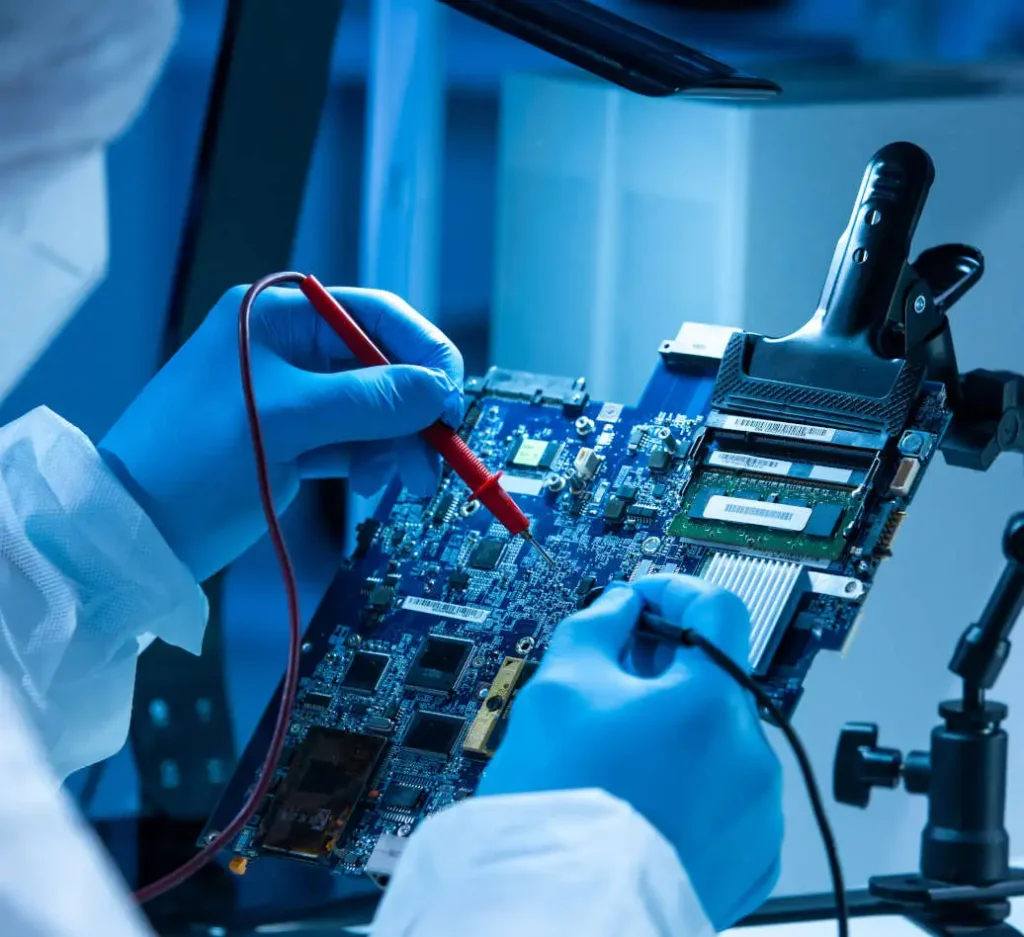
Material performance depends on more than a single specification or laboratory measurement. For metals, polymers, ceramics, coatings, composites and specialty chemicals, a useful testing program should connect measurable properties with the conditions the product will experience during manufacturing, storage, transportation, and service. Our Chemical Analysis services are designed to generate practical evidence that helps engineers understand why a material behaves as it does and what that behavior means for product reliability. By evaluating chemical identity, elemental composition, molecular structure, impurities and degradation products, organizations can move beyond pass/fail results and develop a clearer technical basis for material selection, process improvement, and product validation.
Integrated Testing and Analytical Interpretation
Many technical questions cannot be answered by one analytical method alone. Our laboratory can combine FTIR, XRF, ICP-based methods, chromatography, spectroscopy and thermal analysis to build a more complete picture of a sample. For example, a change in mechanical performance may be related to composition, microstructure, surface condition, environmental exposure, or manufacturing history. Using complementary techniques allows scientists to compare observations, confirm suspected causes, and distinguish a true material issue from a processing or handling effect. This integrated approach is particularly valuable when samples are limited, when a product has failed unexpectedly, or when a new formulation must be compared with an established material. Where structural evidence is needed, our Chemical Analysis can also be paired with Composition & Materials ID to investigate related material characteristics and Trace Elemental Analysis when the project requires additional evidence about performance, degradation, or root cause.
Support for Product Development, Quality, and Failure Investigation
Testing is most valuable when the results can be translated into an engineering decision. During research and development, laboratory data can help teams compare candidate materials, refine formulations, establish acceptance criteria, and identify potential weaknesses before commercialization. During manufacturing, testing can support incoming inspection, batch-to-batch comparison, supplier qualification, and process troubleshooting. When a problem occurs in the field, a structured analytical program can help determine whether the cause is related to material selection, processing, contamination, environmental exposure, design, or service conditions. The resulting technical evidence can support corrective actions, design changes, warranty investigations, and long-term reliability programs.
Industries and Applications:
Our Chemical Analysis capabilities can be adapted to the requirements of quality control, supplier qualification, formulation development, failure investigation and regulatory support. Each application may require different sample preparation, conditioning, analytical methods, or reporting criteria. Rather than applying a one-size-fits-all workflow, our technical team can define a testing plan around the material, the suspected failure mechanism, the applicable specification, and the decision the client needs to make. Results can be presented with clear observations, measurements, supporting images or analytical data, and technical interpretation so that engineering and quality teams can act on the findings.
Complementary Materials Testing
Because material performance is interconnected, Chemical Analysis is often strengthened by complementary laboratory services. Where the project involves composition, structure, or formulation questions,
A coordinated testing strategy can reduce duplicate work, improve confidence in conclusions, and provide a stronger technical record for product-development and quality decisions. Our goal is to deliver defensible analytical data together with clear scientific interpretation, helping clients understand not only what was measured, but why the result matters to the material or product.

Frequently Asked Questions
We offer FTIR, NMR, XRF, ICP-MS, and other elemental and molecular analysis techniques for material identification and contaminant detection.
Yes, our chemical analysis services are commonly used to identify unknown substances, contaminants, and material composition.
Our chemical analysis is used across medical, automotive, electronics, and industrial manufacturing for quality control and regulatory compliance.
XRF provides reliable, non-destructive elemental composition data; for ultra-trace elements, we may recommend ICP-MS for higher sensitivity.
Yes, our reports are formatted to support regulatory and compliance documentation requirements.