Chemical Compatibility
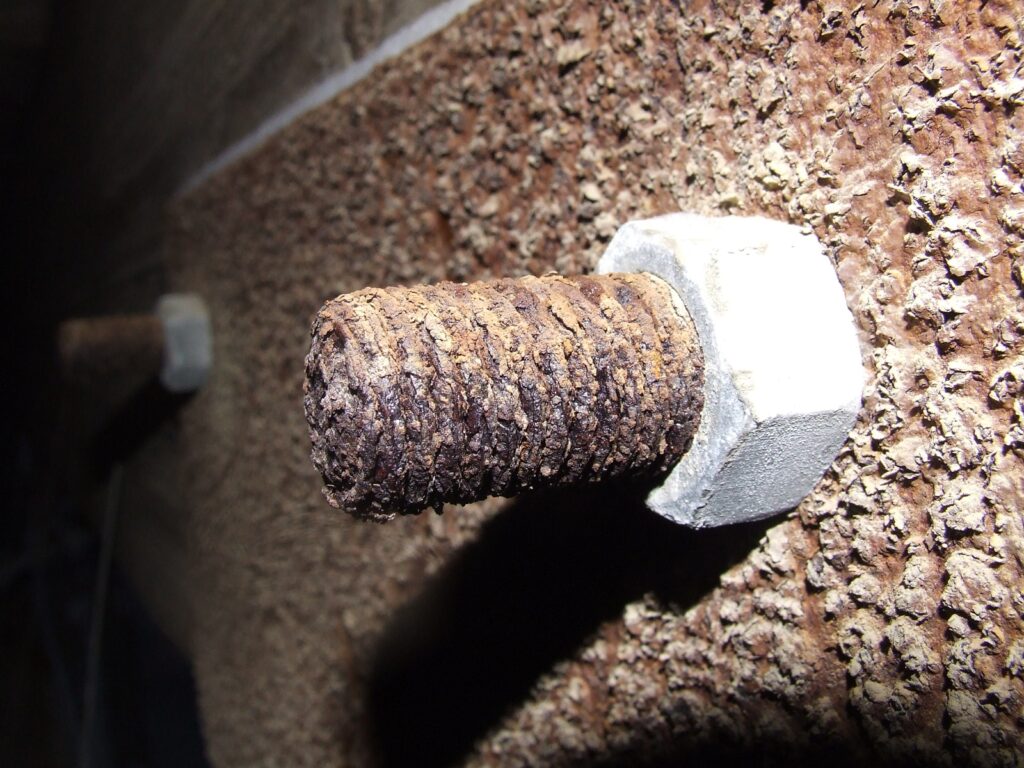
Chemical compatibility is a vital parameter in determining whether a material can safely and effectively perform in its intended environment. When materials come into contact with fuels, solvents, cleaning agents, pharmaceuticals, industrial chemicals, acids, alkalis, or biological media, chemical interactions can significantly influence mechanical strength, surface integrity, dimensional stability, and long-term durability. Even minor chemical reactions may lead to swelling, cracking, discoloration, corrosion, embrittlement, or degradation that compromises overall performance.
Chemical compatibility and chemical analysis together provide a complete understanding of how materials behave under chemical exposure. In addition, extractables & leachables studies help identify and quantify substances that may migrate from materials into surrounding environments, particularly in pharmaceutical, medical, and packaging applications where safety and purity are critical.
We provide comprehensive chemical compatibility, chemical analysis, and extractables & leachables evaluation services to assess how materials respond under real-world chemical conditions. As an independent materials testing laboratory and Contract Research Organization (CRO), we deliver objective, data-driven insights that support product development, regulatory compliance, failure prevention, and quality assurance across industries such as aerospace, automotive, energy, healthcare, construction, electronics, and manufacturing. Through controlled exposure testing and advanced analytical characterization, we help organizations understand material behavior under chemical stress and ensure long-term safety and reliability.
Why Choose Genuine Testing for Chemical Compatibility?
- Comprehensive Evaluation Approach
We assess material resistance, degradation behavior, and chemical interactions when exposed to aggressive environments, supported by detailed chemical analysis and extractables & leachables profiling where applicable. - Expertise Across Materials & Industries
Our expertise spans polymers, metals, elastomers, and coatings, allowing us to design customized testing programs aligned with specific industry and application requirements. - Simulated Real-World Exposure Conditions
Testing conditions are designed to replicate actual service environments, including variations in temperature, pressure, concentration, and exposure duration for realistic performance evaluation. - Reliable Data with Scientific Interpretation
Beyond raw data, we provide detailed interpretation of chemical compatibility results, chemical analysis findings, and extractables & leachables outcomes to support informed engineering and regulatory decisions.
Our Chemical Compatibility Testing Capabilities
We offer structured testing programs designed to evaluate:
- Resistance of materials to acids, alkalis, solvents, fuels, oils, and process chemicals
- Long-term and repeated chemical exposure effects on material performance
- Chemical changes identified through advanced chemical analysis techniques
- Migration profiling through extractables & leachables studies
- Surface degradation such as cracking, swelling, blistering, or discoloration
- Interaction effects in multi-material or multi-component systems
Testing methods include:
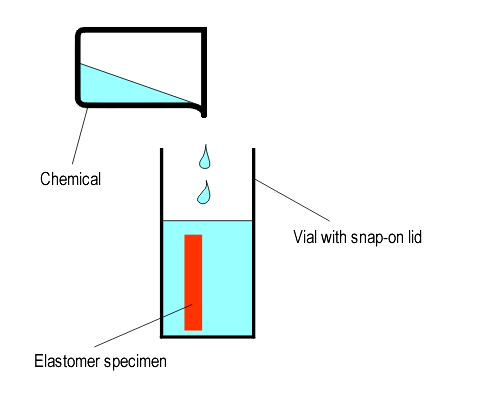
- Immersion and soak testing under controlled conditions
- Vapor, liquid, and mist exposure studies
- Mechanical testing after chemical exposure (tensile, elongation, strength retention)
- Microscopy and surface characterization analysis
- Weight change, dimensional variation, and hardness measurements
- Analytical screening for extractables & leachables identification
Industries We Serve
Our chemical compatibility, chemical analysis, and extractables & leachables services support a wide range of industries:
Aerospace & Defense — Evaluation of fuel, hydraulic fluid, and lubricant compatibility for critical components.
Automotive & Transportation — Assessment of material resistance to fuels, oils, coolants, and cleaning agents.
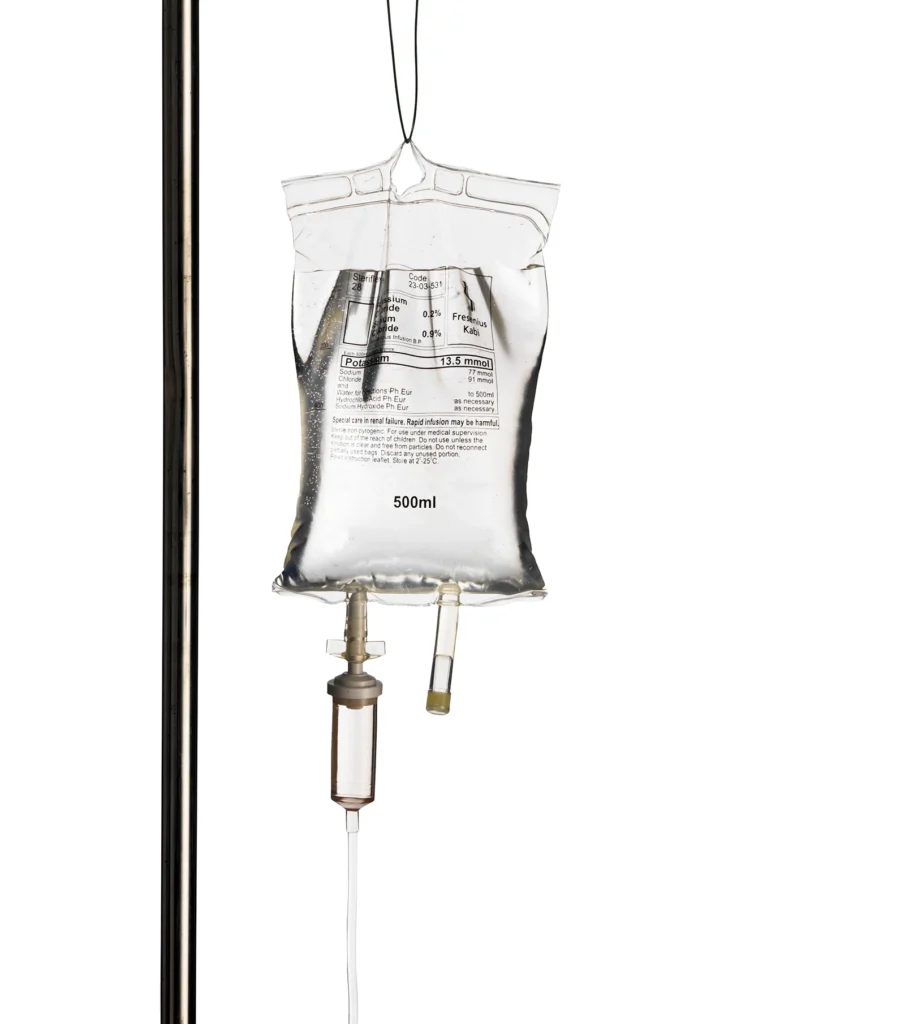
Medical & Pharmaceutical — Extractables & leachables studies for medical devices, packaging systems, and drug-contact materials.
Oil, Gas & Energy — Chemical compatibility evaluation under corrosive and high-risk industrial environments.
Consumer Products & Packaging — Analysis of material interaction with product contents, preservatives, and cleaning chemicals.
We ensure materials remain safe, stable, and compliant throughout their intended lifecycle
Understanding Material–Chemical Interactions
When materials are exposed to chemical agents, multiple interaction mechanisms may occur simultaneously. Polymers may absorb solvents leading to swelling through molecular diffusion. Metals may experience oxidation, pitting, or galvanic corrosion. Elastomers may lose elasticity due to chain scission or plasticizer extraction. Coatings may delaminate or blister if chemical penetration occurs.
Chemical compatibility studies combined with chemical analysis help identify these changes under controlled laboratory conditions. Extractables & leachables testing further identifies migrating compounds that may not be visible through physical inspection alone.
Samples are exposed under defined conditions of concentration, temperature, and duration. Post-exposure evaluations include mechanical testing, surface analysis, compositional studies, and extractables & leachables profiling. These combined assessments provide a complete understanding of material stability and long-term risk behavior.
Polymer & Elastomer Compatibility Analysis
Polymers and elastomers are widely used in seals, tubing, gaskets, and flexible components, but they are highly sensitive to chemical environments. Exposure may lead to swelling, softening, oxidation, or additive migration.
Our testing evaluates polymer compatibility using chemical exposure methods supported by chemical analysis to detect structural and compositional changes. Extractables & leachables studies identify potential migrating substances that may affect safety, performance, or regulatory compliance.
We assess changes in mechanical properties such as tensile strength, elongation, flexibility, and surface condition after exposure. This ensures reliable performance in demanding chemical environments.

Metal & Alloy Corrosion Compatibility
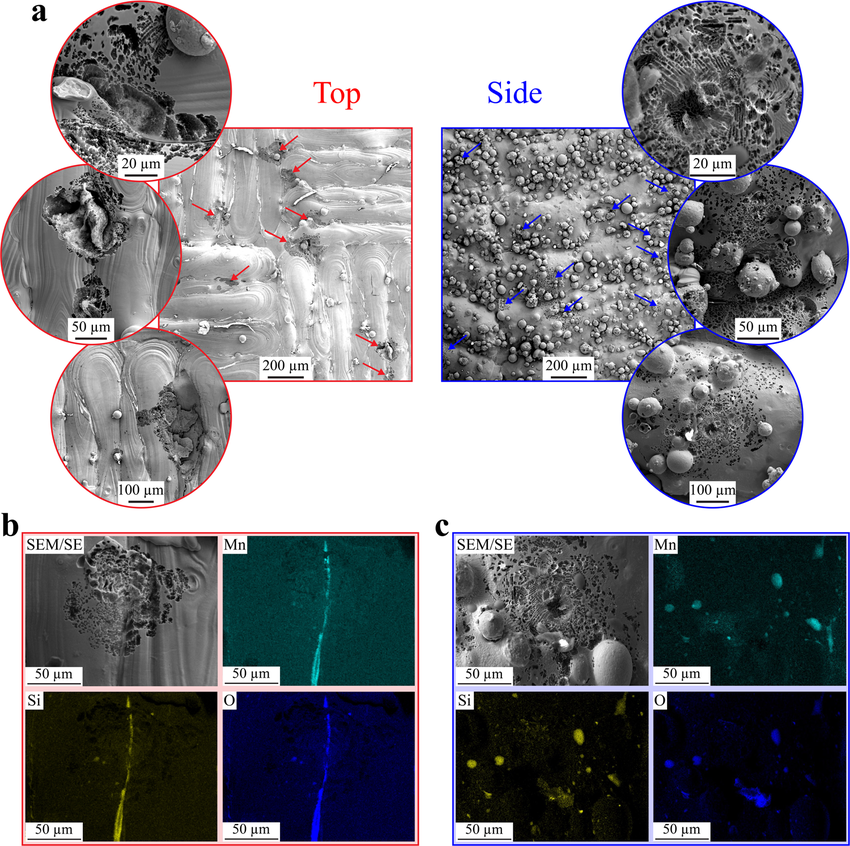
Metals and alloys exposed to chemical environments may undergo corrosion processes including pitting, crevice corrosion, oxidation, or intergranular attack.
Chemical compatibility and chemical analysis techniques are used to evaluate corrosion behavior under controlled exposure conditions. Surface morphology and compositional changes are examined to determine degradation rates and mechanisms.
This evaluation is critical for industries such as oil and gas, marine engineering, and chemical processing, where material failure can result in operational risks and safety concerns.
Application-Focused Evaluation of Chemical Compatibility
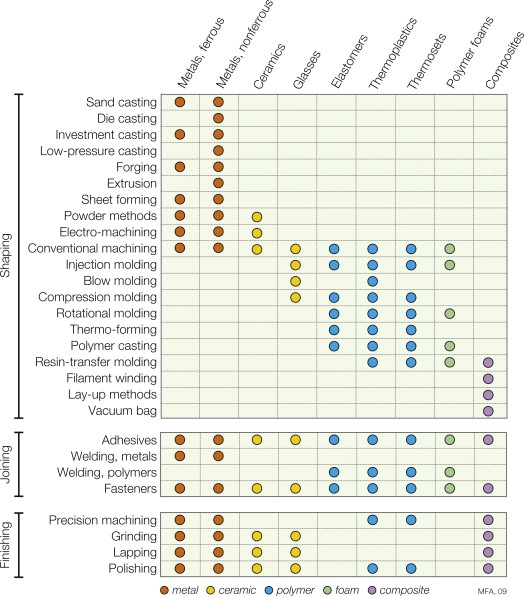
Material performance depends on more than a single specification or laboratory measurement. For polymers, elastomers, metals, coatings, glass and packaging materials, a useful testing program should connect measurable properties with the conditions the product will experience during manufacturing, storage, transportation, and service. Our Chemical Compatibility services are designed to generate practical evidence that helps engineers understand why a material behaves as it does and what that behavior means for product reliability. By evaluating swelling, mass change, cracking, discoloration, embrittlement, corrosion and loss of mechanical performance, organizations can move beyond pass/fail results and develop a clearer technical basis for material selection, process improvement, and product validation.
Integrated Testing and Analytical Interpretation
Many technical questions cannot be answered by one analytical method alone. Our laboratory can combine controlled immersion, accelerated exposure, mass/visual measurements and post-exposure analytical characterization to build a more complete picture of a sample. For example, a change in mechanical performance may be related to composition, microstructure, surface condition, environmental exposure, or manufacturing history. Using complementary techniques allows scientists to compare observations, confirm suspected causes, and distinguish a true material issue from a processing or handling effect. This integrated approach is particularly valuable when samples are limited, when a product has failed unexpectedly, or when a new formulation must be compared with an established material. Where structural evidence is needed, our Chemical Compatibility can also be paired with Extractables & Leachables Testing to investigate related material characteristics and Chemical Analysis when the project requires additional evidence about performance, degradation, or root cause.
Support for Product Development, Quality, and Failure Investigation
Testing is most valuable when the results can be translated into an engineering decision. During research and development, laboratory data can help teams compare candidate materials, refine formulations, establish acceptance criteria, and identify potential weaknesses before commercialization. During manufacturing, testing can support incoming inspection, batch-to-batch comparison, supplier qualification, and process troubleshooting. When a problem occurs in the field, a structured analytical program can help determine whether the cause is related to material selection, processing, contamination, environmental exposure, design, or service conditions. The resulting technical evidence can support corrective actions, design changes, warranty investigations, and long-term reliability programs.
Industries and Applications
Our Chemical Compatibility capabilities can be adapted to the requirements of automotive, aerospace, medical, pharmaceutical, energy, industrial and packaging applications. Each application may require different sample preparation, conditioning, analytical methods, or reporting criteria. Rather than applying a one-size-fits-all workflow, our technical team can define a testing plan around the material, the suspected failure mechanism, the applicable specification, and the decision the client needs to make. Results can be presented with clear observations, measurements, supporting images or analytical data, and technical interpretation so that engineering and quality teams can act on the findings.
Complementary Materials Testing
Because material performance is interconnected, Chemical Compatibility is often strengthened by complementary laboratory services. Where the project involves composition, structure, or formulation questions,
A coordinated testing strategy can reduce duplicate work, improve confidence in conclusions, and provide a stronger technical record for product-development and quality decisions. Our goal is to deliver defensible analytical data together with clear scientific interpretation, helping clients understand not only what was measured, but why the result matters to the material or product.