
In Vitro Biocompatibility
In vitro biocompatibility plays a fundamental role in modern biomedical analysis and the development of safe healthcare products. Any material intended for medical use must be evaluated for its interaction with biological systems to ensure it does not produce harmful cellular responses. This is especially important in medical device development, where products such as implants, surgical tools, pharmaceutical packaging, and wearable technologies come into direct or indirect contact with the human body.
Through controlled laboratory-based studies focused on in vitro compatibility, researchers can observe how living cells respond when exposed to different materials. These evaluations form a core part of biomedical analysis, helping identify potential toxicity, irritation, inflammation, or other adverse biological effects early in the development process. This allows manufacturers to refine materials and improve safety before advancing to clinical or regulatory stages.
Why Choose Genuine Testing for In Vitro Biocompatibility?
Regulatory Compliance
We follow ISO 10993 standards and other global guidelines to help you meet regulatory approval for your medical devices.Experienced Team
Our scientists bring deep expertise in biomedical materials and testing methods.Cost-Effective & Ethical
In vitro methods are faster, more affordable, and more humane than traditional in vivo testing.Clear, Actionable Reports
You get detailed and easy-to-understand results to support your development process.

Our Testing Capabilities
Our in vitro tests help you determine the safety and suitability of your materials and products, including:
Cytotoxicity testing – Evaluating whether materials harm or kill cells in culture.
Irritation and sensitization potential – Assessing how materials might cause skin or mucosal irritation.
Hemocompatibility – Testing compatibility with blood and blood components.
Endotoxin testing – Detecting pyrogens and contaminants that may cause adverse reactions.
Material characterization – Analyzing composition to ensure consistency and compliance.
Integrated Testing and Analytical Interpretation
Many technical questions cannot be answered by one analytical method alone. Our laboratory can combine controlled in-vitro study design supported by materials characterization, surface analysis and chemical assessment to build a more complete picture of a sample. For example, a change in mechanical performance may be related to composition, microstructure, surface condition, environmental exposure, or manufacturing history. Using complementary techniques allows scientists to compare observations, confirm suspected causes, and distinguish a true material issue from a processing or handling effect. This integrated approach is particularly valuable when samples are limited, when a product has failed unexpectedly, or when a new formulation must be compared with an established material. Where structural evidence is needed, our In Vitro Biocompatibility can also be paired with Biomedical Analysis to investigate related material characteristics and Extractables & Leachables Testing when the project requires additional evidence about performance, degradation, or root cause.
Application-Focused Evaluation of In Vitro Biocompatibility
Material performance depends on more than a single specification or laboratory measurement. For medical-device materials, polymers, metals, coatings, ceramics and biomaterial surfaces, a useful testing program should connect measurable properties with the conditions the product will experience during manufacturing, storage, transportation, and service. Our In Vitro Biocompatibility services are designed to generate practical evidence that helps engineers understand why a material behaves as it does and what that behavior means for product reliability. By evaluating cell or biological response, surface-related risks, material stability and potential adverse interactions, organizations can move beyond pass/fail results and develop a clearer technical basis for material selection, process improvement, and product validation.
Such evaluations are particularly important for implantable devices that remain inside the body for extended periods. Long-term exposure to certain materials can potentially trigger inflammatory responses or interfere with normal tissue function. By studying cellular responses in vitro, developers can identify these issues early and modify materials accordingly. This proactive approach helps reduce costly redesigns later in the development cycle and accelerates the pathway toward regulatory approval.
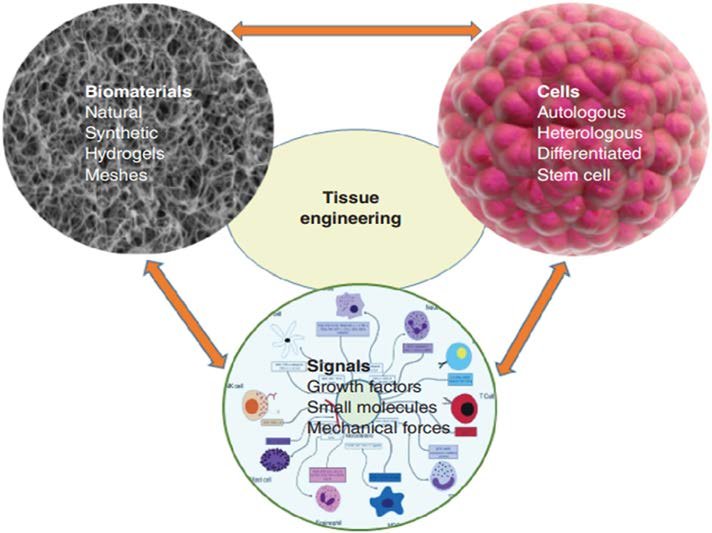
The increasing complexity of modern medical devices also makes biocompatibility evaluation more important than ever. Advanced biomaterials, coatings, polymers, and composite materials are now commonly used in devices ranging from orthopedic implants to drug delivery systems. Each of these materials must undergo thorough safety evaluation to ensure that they perform as intended without compromising patient health.

Regulatory Standards and Global Compliance
Global regulatory frameworks require strict evaluation of materials used in healthcare products. Standards such as ISO 10993 guide manufacturers in conducting proper biological evaluations as part of material testing for medical devices.
These guidelines recommend a structured, risk-based approach depending on the type and duration of body contact. Testing may include cytotoxicity, sensitization, irritation, systemic toxicity, and other biological endpoints. In vitro compatibility studies provide essential data that supports regulatory approval across international markets.
Biomedical analysis conducted under these standards ensures that medical devices meet required safety benchmarks and maintain consistent quality.
Support for Product Development, Quality, and Failure Investigation
Testing is most valuable when the results can be translated into an engineering decision. During research and development, laboratory data can help teams compare candidate materials, refine formulations, establish acceptance criteria, and identify potential weaknesses before commercialization. During manufacturing, testing can support incoming inspection, batch-to-batch comparison, supplier qualification, and process troubleshooting. When a problem occurs in the field, a structured analytical program can help determine whether the cause is related to material selection, processing, contamination, environmental exposure, design, or service conditions. The resulting technical evidence can support corrective actions, design changes, warranty investigations, and long-term reliability programs.
Industries and Applications
Our In Vitro Biocompatibility capabilities can be adapted to the requirements of device development, material screening, design verification, risk assessment and regulatory documentation. Each application may require different sample preparation, conditioning, analytical methods, or reporting criteria. Rather than applying a one-size-fits-all workflow, our technical team can define a testing plan around the material, the suspected failure mechanism, the applicable specification, and the decision the client needs to make. Results can be presented with clear observations, measurements, supporting images or analytical data, and technical interpretation so that engineering and quality teams can act on the findings.

Supporting Innovation Across Healthcare Industries
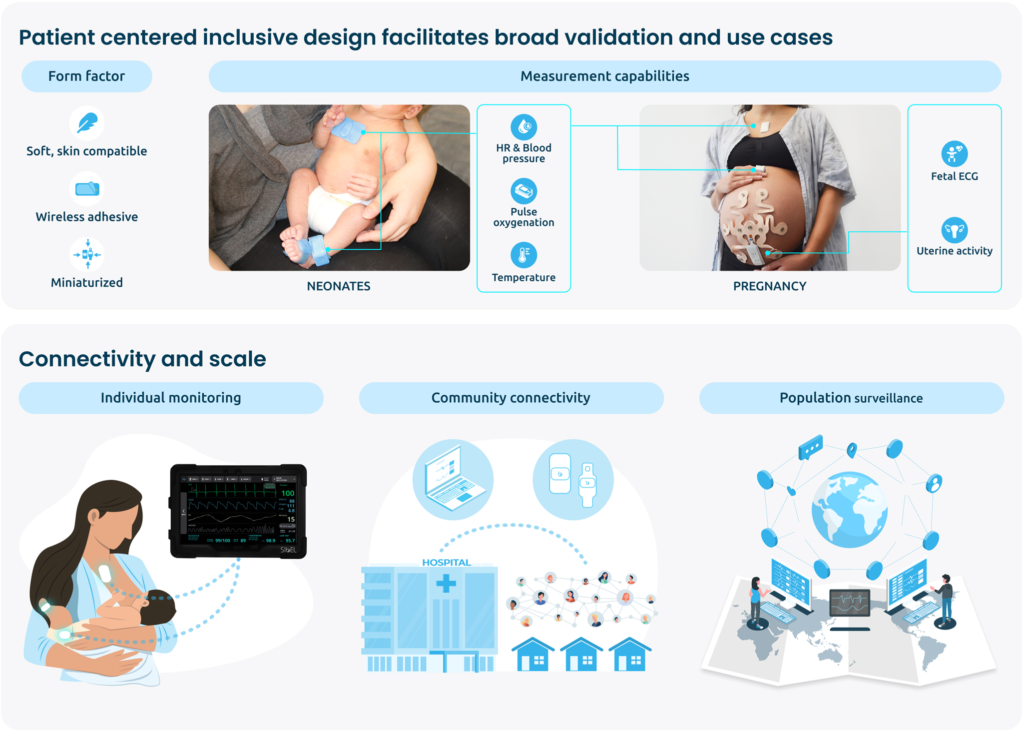
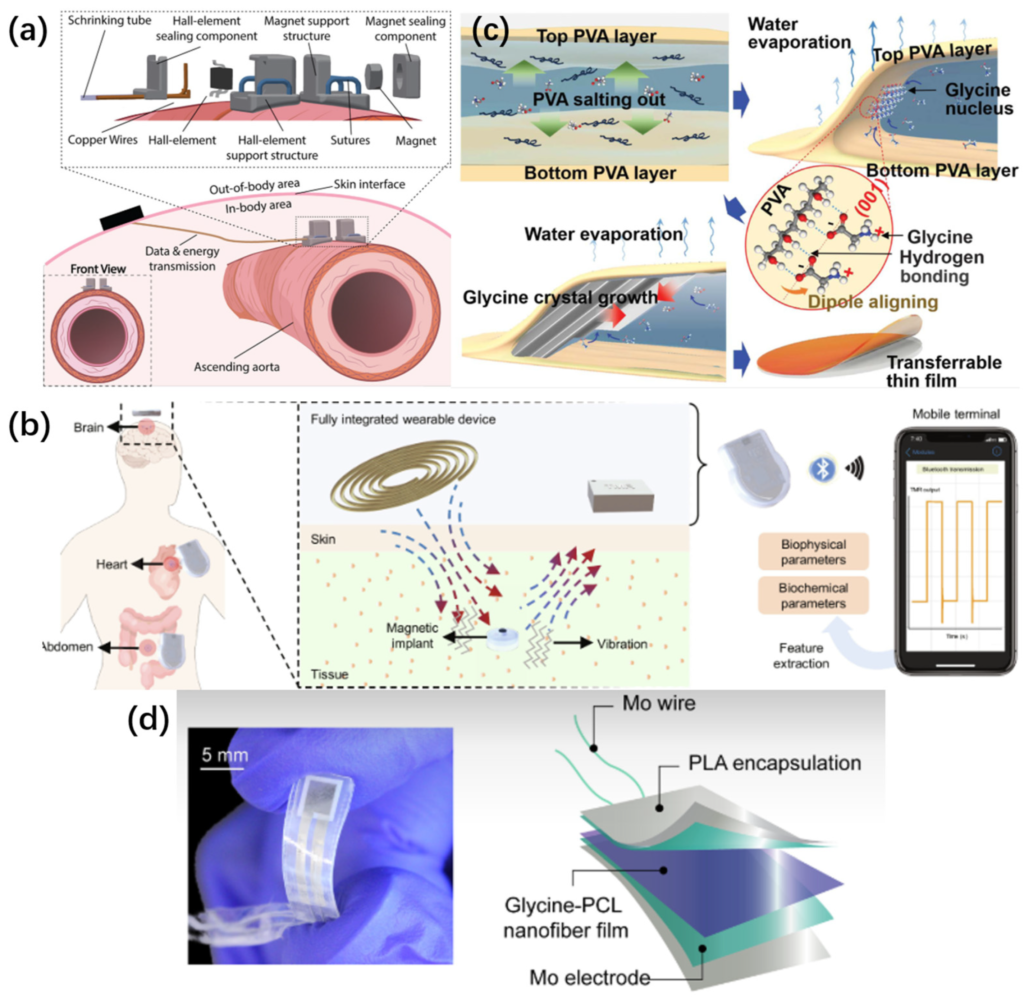
As healthcare innovation accelerates, the importance of in vitro compatibility in biomedical analysis continues to increase. New technologies such as wearable sensors, regenerative scaffolds, and smart drug delivery systems require extensive material testing for medical devices to ensure safety and effectiveness.
Wearable devices must be evaluated for skin compatibility during long-term use, while tissue engineering materials must support healthy cell growth without adverse reactions. Biomedical analysis ensures that these requirements are met before products reach patients.