
Trace Elemental Analysis
At Genuine Testing, our Trace Elemental Analysis services are designed to detect and quantify extremely low concentrations of elements in a wide range of materials. This advanced form of Chemical Analysis is essential for quality control, regulatory compliance, product development, and failure investigation. Using highly sensitive instrumentation, we deliver precise measurements at parts-per-million (ppm), parts-per-billion (ppb), and even lower levels, enabling confident decision-making for critical applications.
Trace Elemental Analysis is a fundamental branch of Chemical Analysis that identifies and measures minute quantities of chemical elements within a sample. Even at very low levels, these trace elements can significantly influence physical, chemical, and biological properties. Industries such as pharmaceuticals, environmental science, materials engineering, and manufacturing rely on accurate elemental data to ensure safety, performance, and compliance. Modern analytical methods, including ICP-MS testing services and other advanced techniques, allow detection of ultra-trace elements with exceptional sensitivity. These technologies ensure reliable identification and quantification of contaminants, impurities, and essential elements in complex matrices.
Why Choose Genuine Testing for Trace Elemental Analysis?
High Sensitivity & Precision
Our advanced techniques can detect minute quantities of elements with exceptional accuracy.Broad Material Expertise
We analyze metals, polymers, ceramics, composites, liquids, and more.Regulatory Compliance
Meet industry and environmental standards with precise testing and documented results.Fast Turnaround & Expert Support
Our team ensures timely delivery of results with clear interpretation and support.
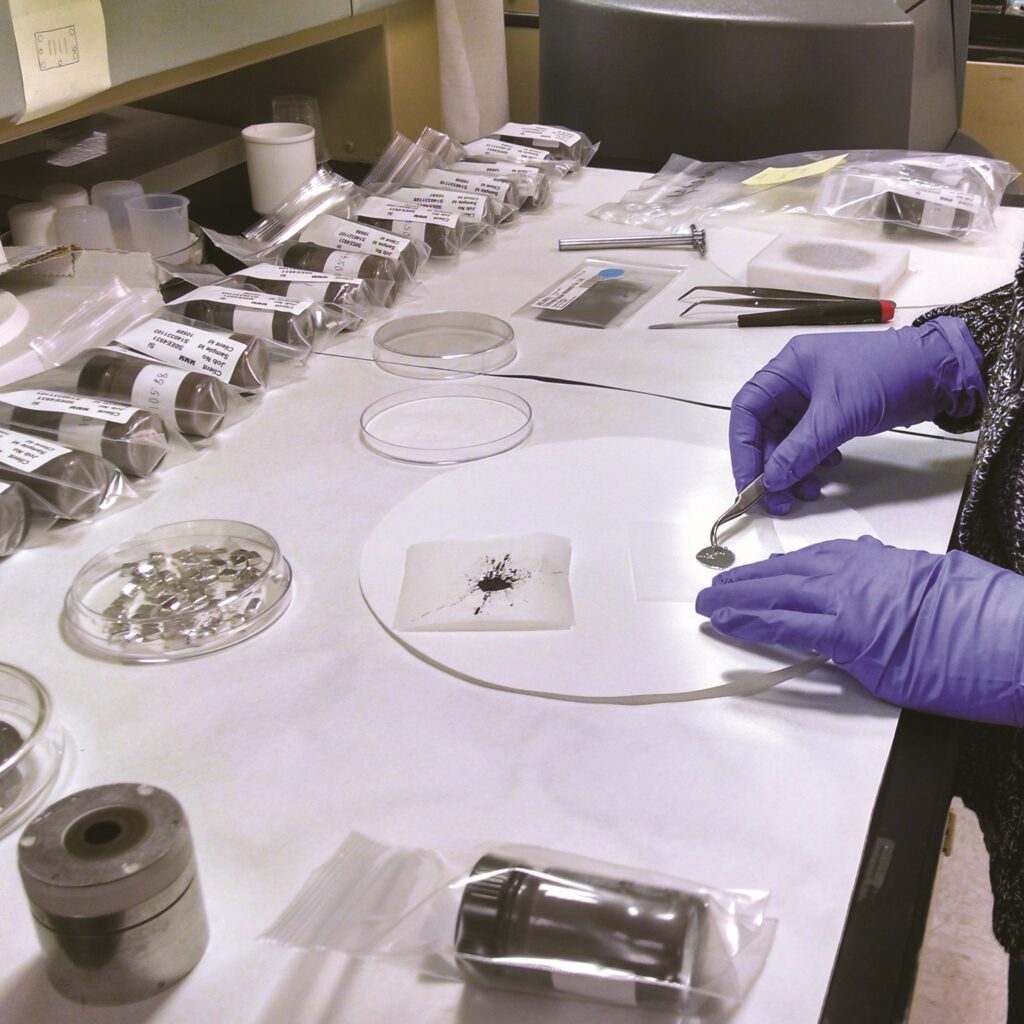
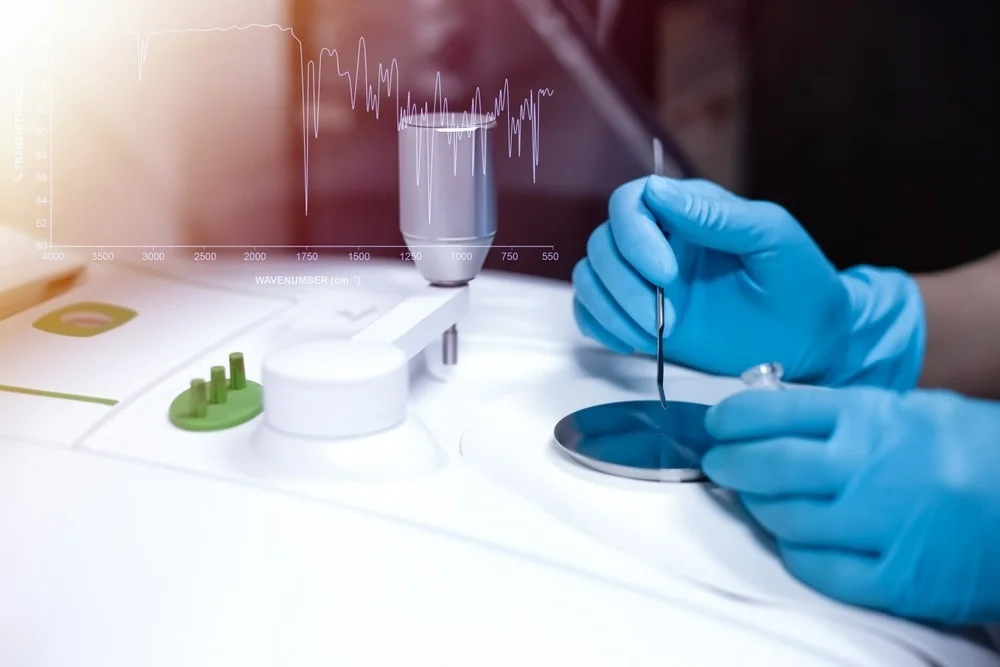
Application-Focused Evaluation of Trace Elemental Analysis
Material performance depends on more than a single specification or laboratory measurement. For metals, polymers, chemicals, powders, environmental samples and specialty materials, a useful testing program should connect measurable properties with the conditions the product will experience during manufacturing, storage, transportation, and service. Our Trace Elemental Analysis services are designed to generate practical evidence that helps engineers understand why a material behaves as it does and what that behavior means for product reliability. By evaluating major, minor and ultra-trace elemental concentrations that may affect safety, quality or performance, organizations can move beyond pass/fail results and develop a clearer technical basis for material selection, process improvement, and product validation.
Techniques We Use
We employ a range of powerful techniques to achieve ultra-sensitive detection:
Inductively Coupled Plasma Mass Spectrometry (ICP-MS)
Inductively Coupled Plasma Optical Emission Spectroscopy (ICP-OES)
Glow Discharge Mass Spectrometry (GDMS)
X-ray Fluorescence (XRF)
Atomic Absorption Spectroscopy (AAS)
Secondary Ion Mass Spectrometry (SIMS)
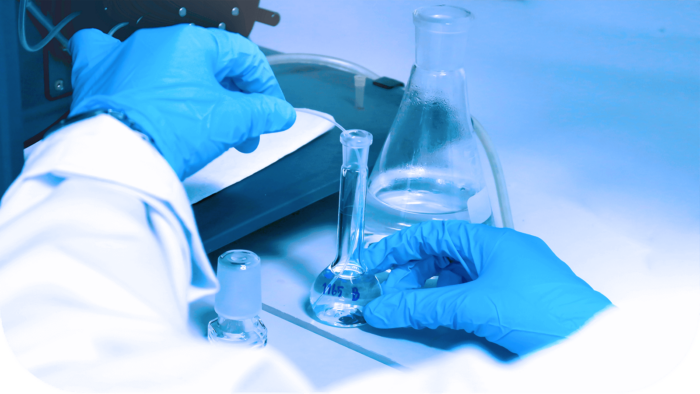

Integrated Testing and Analytical Interpretation
Many technical questions cannot be answered by one analytical method alone. Our laboratory can combine ICP-based techniques, spectroscopy, digestion or preparation workflows and contamination-controlled analysis to build a more complete picture of a sample. For example, a change in mechanical performance may be related to composition, microstructure, surface condition, environmental exposure, or manufacturing history. Using complementary techniques allows scientists to compare observations, confirm suspected causes, and distinguish a true material issue from a processing or handling effect. This integrated approach is particularly valuable when samples are limited, when a product has failed unexpectedly, or when a new formulation must be compared with an established material. Where structural evidence is needed, our Trace Elemental Analysis can also be paired with Chemical Analysis to investigate related material characteristics and Contaminant Identification when the project requires additional evidence about performance, degradation, or root cause.
Advanced Analytical Techniques for Elemental Detection
Trace elemental analysis relies on sophisticated analytical techniques capable of detecting extremely small concentrations of elements. These methods are designed to provide accurate identification and quantification of metals and other elements within complex materials. Each analytical technique offers unique advantages depending on the type of sample and the level of sensitivity required.
One widely used method involves plasma-based spectrometry techniques, which use high-energy plasma to excite atoms within a sample. When these excited atoms release energy, they produce characteristic signals that allow scientists to identify the elements present and determine their concentrations. These techniques are particularly effective for analyzing multiple elements simultaneously and detecting trace levels of metals.
Another important analytical approach involves atomic absorption methods, which measure how atoms absorb specific wavelengths of light. This technique allows laboratories to quantify the concentration of individual elements with high accuracy. It is frequently used in applications such as environmental testing, pharmaceutical analysis, and industrial quality control.

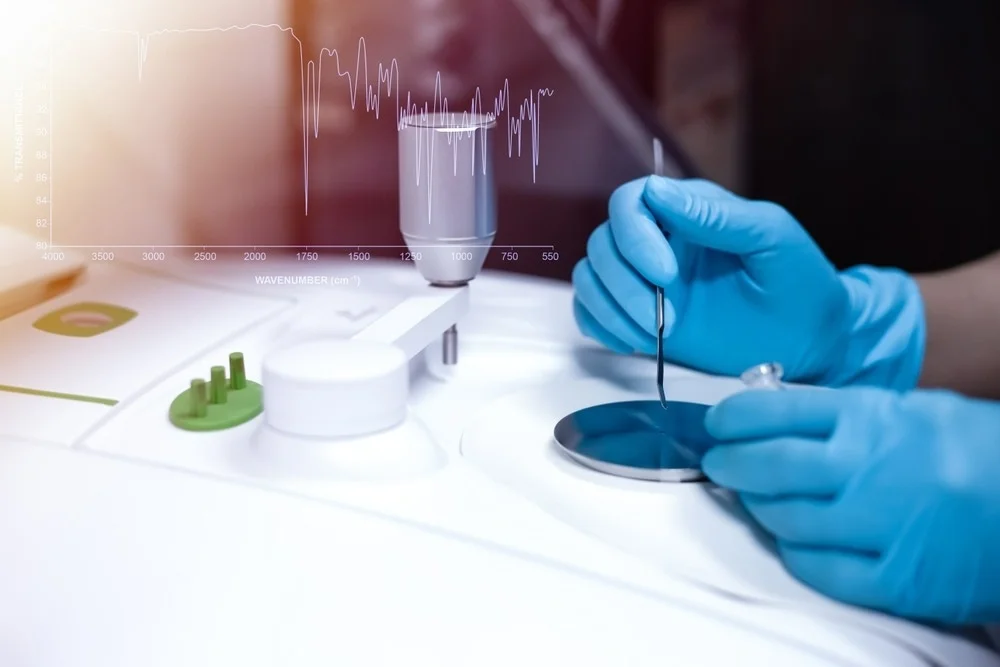
Support for Product Development, Quality, and Failure Investigation
Testing is most valuable when the results can be translated into an engineering decision. During research and development, laboratory data can help teams compare candidate materials, refine formulations, establish acceptance criteria, and identify potential weaknesses before commercialization. During manufacturing, testing can support incoming inspection, batch-to-batch comparison, supplier qualification, and process troubleshooting. When a problem occurs in the field, a structured analytical program can help determine whether the cause is related to material selection, processing, contamination, environmental exposure, design, or service conditions. The resulting technical evidence can support corrective actions, design changes, warranty investigations, and long-term reliability programs.
Industries and Applications
Our Trace Elemental Analysis capabilities can be adapted to the requirements of supplier verification, contamination investigations, regulatory testing, process control and research. Each application may require different sample preparation, conditioning, analytical methods, or reporting criteria. Rather than applying a one-size-fits-all workflow, our technical team can define a testing plan around the material, the suspected failure mechanism, the applicable specification, and the decision the client needs to make. Results can be presented with clear observations, measurements, supporting images or analytical data, and technical interpretation so that engineering and quality teams can act on the findings.
Quality Control and Regulatory Compliance
Trace Elemental Analysis is a key component of quality control and regulatory compliance across multiple industries. Chemical Analysis ensures that products meet strict standards for elemental impurities and material safety.
In pharmaceuticals, ICP-MS testing services are used to monitor toxic elements such as lead, mercury, arsenic, and cadmium. Environmental testing relies on Chemical Analysis to detect pollutants in water, soil, and air. Industrial manufacturing uses XRF analysis laboratory techniques to verify raw materials and finished product composition.
These analytical methods help organizations maintain compliance, improve product safety, and ensure consistent quality.
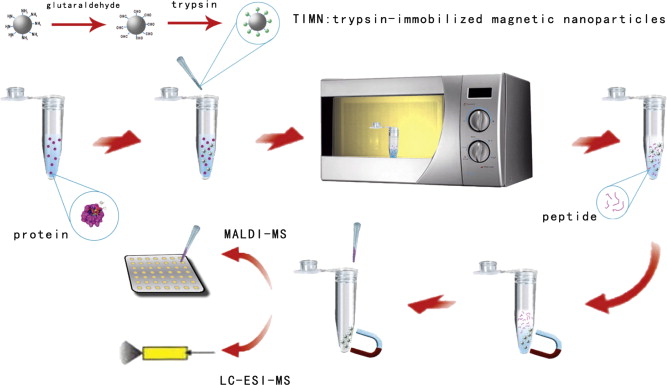

Industrial manufacturers use elemental testing to verify the composition of raw materials and finished products. Even small variations in elemental content can affect material performance, making accurate analysis essential for maintaining consistent quality. Trace elemental analysis provides the data needed to confirm material purity and detect potential contamination.
Through reliable testing and detailed analytical reports, Genuine Testing helps clients meet regulatory requirements and maintain confidence in their products. Our trace elemental analysis services provide precise measurements that support quality assurance and regulatory compliance efforts.
Applications Across Industries and Scientific Fields
Trace Elemental Analysis and Chemical Analysis are widely applied in pharmaceuticals, environmental monitoring, aerospace, electronics, food safety, and materials engineering.
ICP-MS testing services are essential for ultra-trace detection in regulated industries, while XRF analysis laboratory techniques support rapid industrial screening and material verification. Together, these tools provide comprehensive elemental insights for research, development, and quality assurance.
In semiconductor and electronics manufacturing, Trace Elemental Analysis ensures material purity to prevent performance failure. In biomedical research, Chemical Analysis helps study the role of trace elements in biological systems and drug development. In materials science, these techniques support alloy development, contamination detection, and performance optimization.
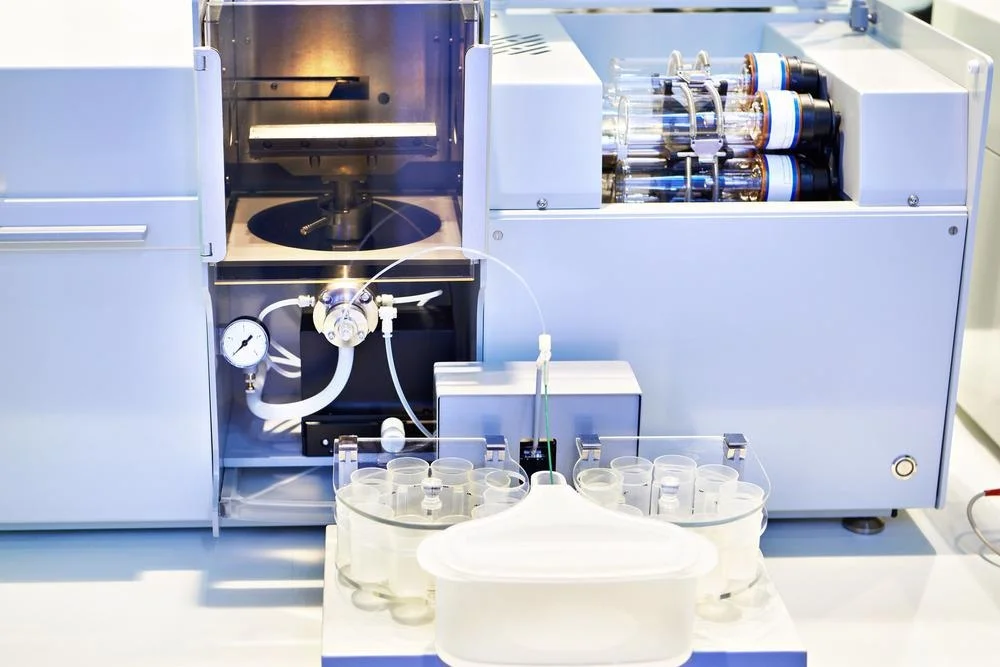
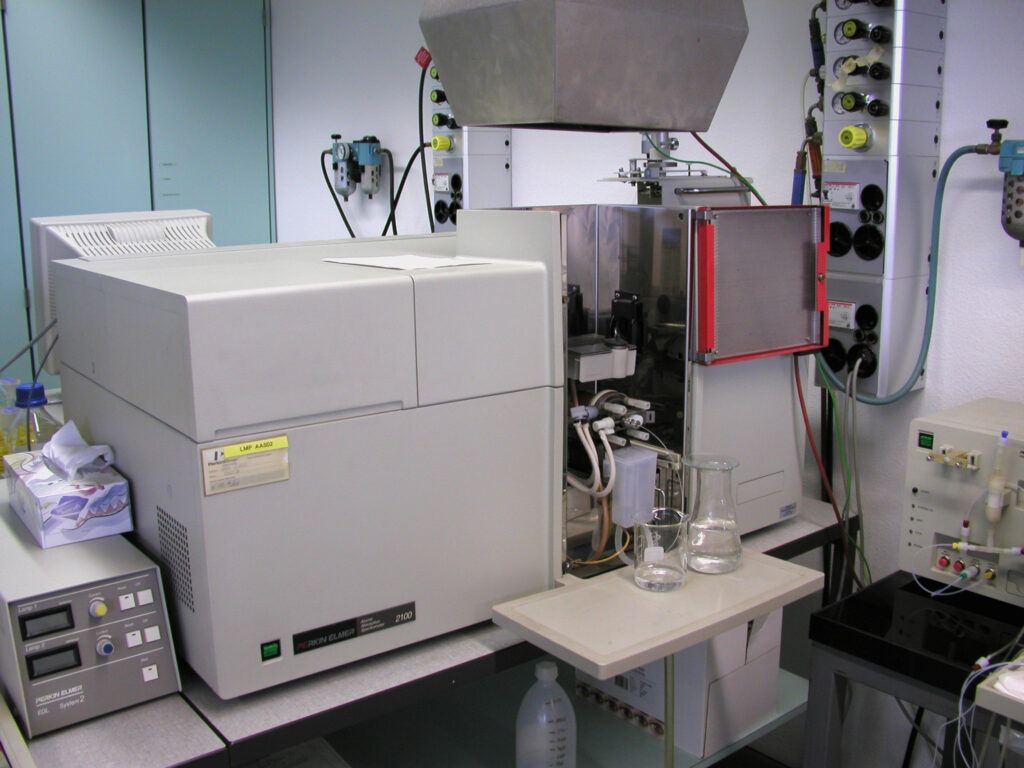
The electronics industry uses trace elemental analysis to ensure the purity of materials used in semiconductor manufacturing. Extremely small concentrations of contaminants can affect the electrical performance of electronic components, making precise analysis essential for maintaining product reliability.
At Genuine Testing, our trace elemental analysis services support clients across these diverse industries. By providing accurate and reliable data on elemental composition, we help organizations better understand their materials, improve product quality, and maintain compliance with regulatory standards. Our goal is to deliver analytical insights that support innovation, safety, and performance across a wide range of scientific and industrial applications.