
Surface Analysis
Surface analysis is an essential scientific approach used to study the outermost layers of materials and understand how they interact with their surrounding environment. The surface of a material often governs its most important functional properties, including adhesion, corrosion resistance, friction behavior, and chemical reactivity. Even when the bulk material remains unchanged, minor variations in the surface can significantly influence overall performance. For this reason, surface analysis, including surface wear analysis, plays a critical role in modern materials science, manufacturing, and product development.
The outer surface of any material is continuously exposed to environmental conditions such as air, moisture, mechanical stress, and chemical reactions. These factors can gradually alter both the chemical composition and physical structure of the surface. Surface analysis techniques help identify and understand these changes at microscopic and atomic levels, providing valuable insights into material behavior during production, service life, and after exposure to wear conditions. This is especially important in surface wear analysis, where degradation patterns are studied in detail.
Why Choose Genuine Testing for Surface Analysis?
Cutting-Edge Techniques
We use a variety of high-resolution, surface-sensitive tools to uncover details invisible to bulk analysis.Expert Guidance
Our knowledgeable team helps interpret the data and recommends the right methods for your specific challenge.Diverse Material Expertise
We can analyze metals, polymers, ceramics, composites, thin films, and more.Accurate & Reliable Results
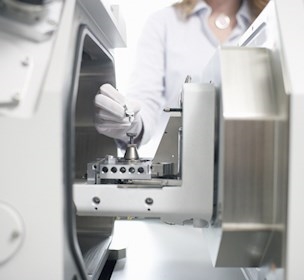
Careful sample handling and rigorous methodology ensure the highest quality results you can trust.
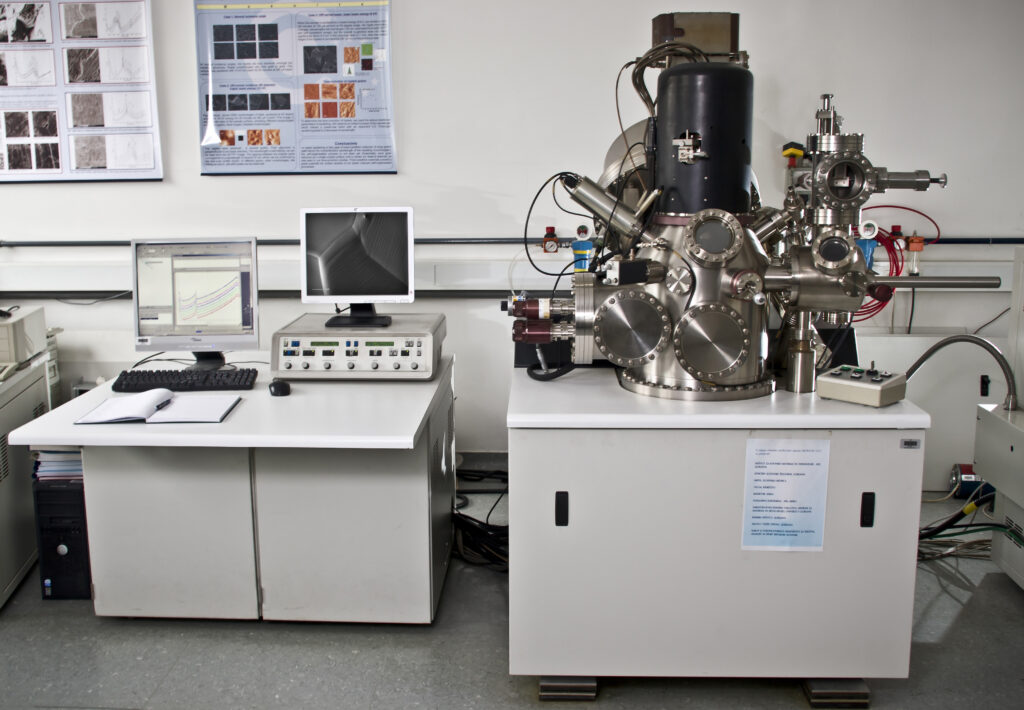
Our Surface Analysis Capabilities
We support industries where metal performance is critical, including:
Aerospace & defense
Automotive & transportation
Oil & gas equipment
Medical devices
Energy & power generation
Manufacturing & construction
Surface Analysis Techniques
We use a range of advanced techniques tailored to your application, including:
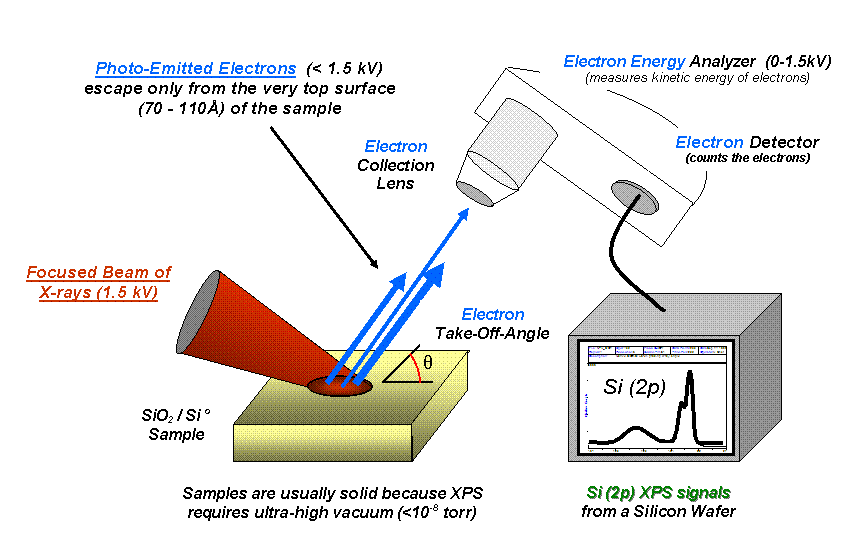
X-ray Photoelectron Spectroscopy (XPS / ESCA)
Auger Electron Spectroscopy (AES)
Secondary Ion Mass Spectrometry (SIMS)
Scanning Electron Microscopy (SEM) with EDS
Atomic Force Microscopy (AFM)
Time-of-Flight SIMS (TOF-SIMS)
Contact angle measurements and surface energy characterization
Integrated Testing and Analytical Interpretation
Many technical questions cannot be answered by one analytical method alone. Our laboratory can combine microscopy, spectroscopy, elemental mapping, surface-sensitive chemical methods and targeted physical measurements to build a more complete picture of a sample. For example, a change in mechanical performance may be related to composition, microstructure, surface condition, environmental exposure, or manufacturing history. Using complementary techniques allows scientists to compare observations, confirm suspected causes, and distinguish a true material issue from a processing or handling effect. This integrated approach is particularly valuable when samples are limited, when a product has failed unexpectedly, or when a new formulation must be compared with an established material. Where structural evidence is needed, our Surface Analysis can also be paired with Advanced Microscopy to investigate related material characteristics and Corrosion Testing when the project requires additional evidence about performance, degradation, or root cause.
Spectroscopic techniques provide valuable insights into the chemical composition of surfaces. These methods analyze how materials interact with different forms of energy, such as X-rays or electrons, to identify the elements and chemical compounds present on the surface. Such analyses are particularly useful for detecting thin layers of contaminants or coatings that may influence the behavior of the material.
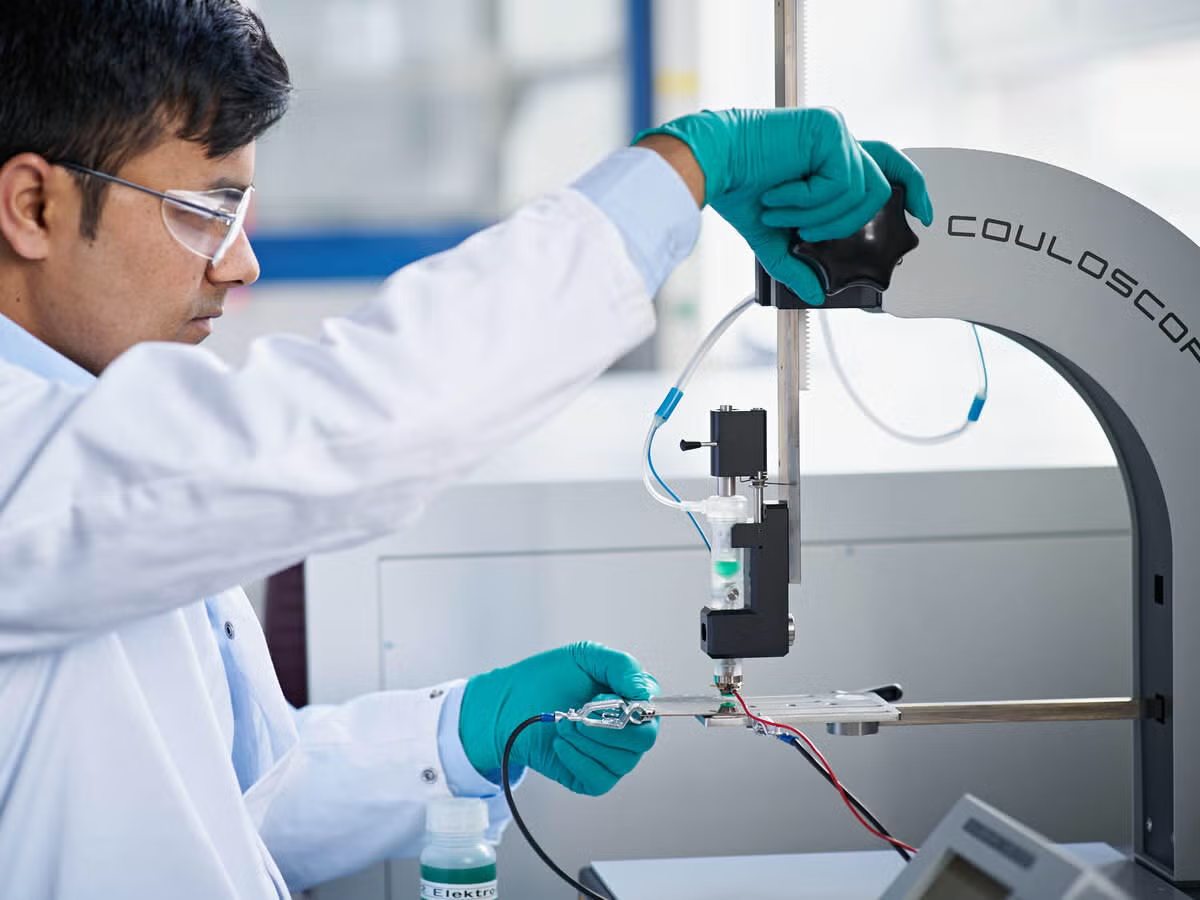
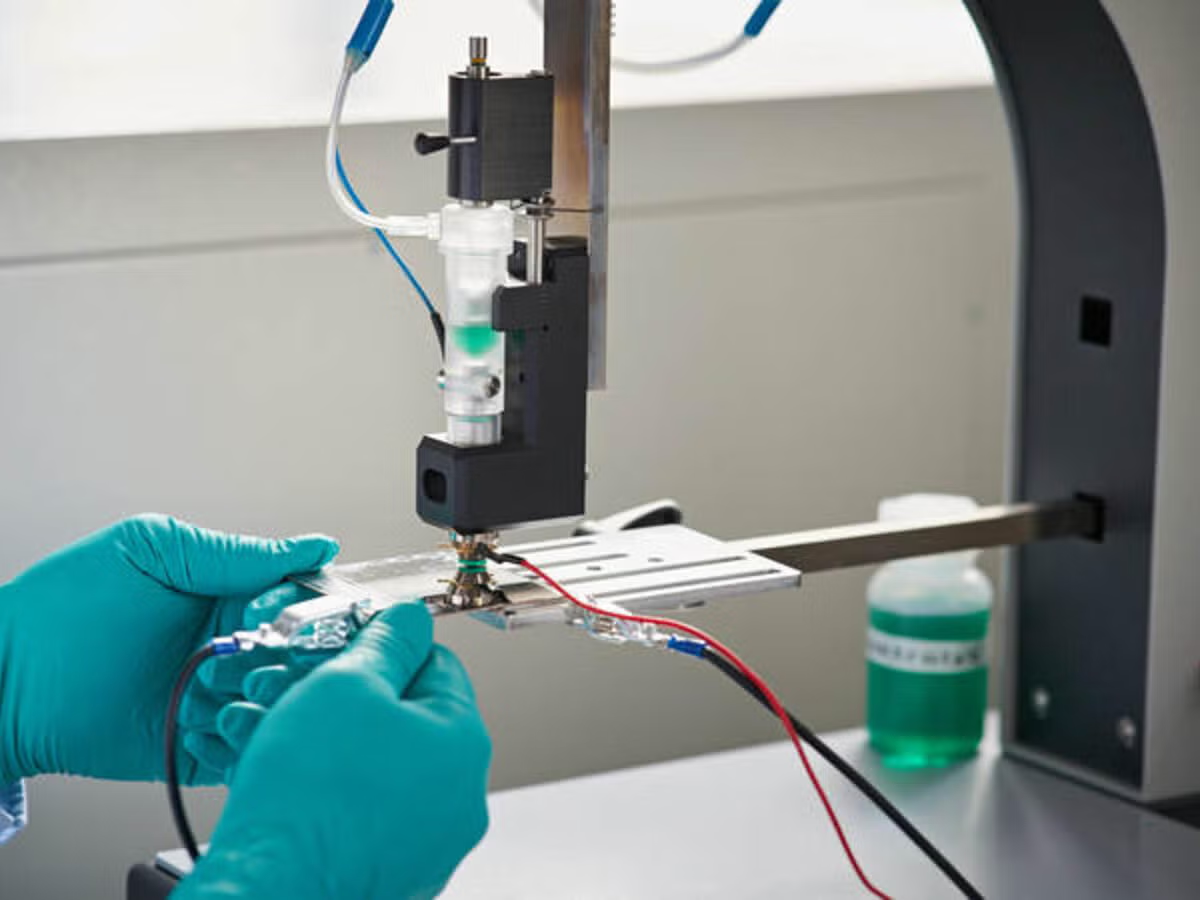
Another important aspect of surface characterization involves studying the thickness and uniformity of coatings or thin films. Many modern materials rely on precisely engineered surface layers that are only a few nanometers or micrometers thick. Accurate measurement of these layers is essential to ensure that coatings provide the intended protective or functional properties.
By combining multiple analytical techniques, surface analysis laboratories can build a detailed picture of the material surface. At Genuine Testing, our analytical capabilities enable us to provide comprehensive surface characterization that supports both research and industrial applications.
The Role of Surface Analysis in Quality Control
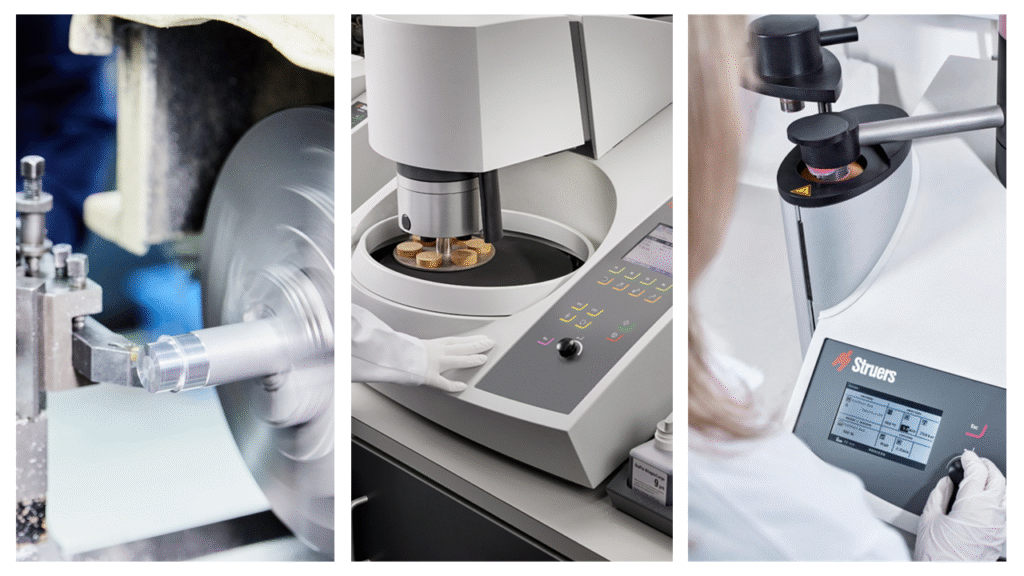
Surface analysis plays a vital role in quality control across manufacturing industries. During production, materials often undergo coatings and surface treatments such as plating, polishing, or chemical modification to enhance performance and durability.
Quality control processes use surface analysis to verify that coatings and surface treatments meet required specifications. These tests confirm coating presence, evaluate surface cleanliness, and detect contaminants that may impact adhesion, friction, or corrosion resistance.
Surface wear analysis is also used to identify early signs of degradation in manufactured components. Issues such as uneven coating thickness, incomplete surface treatment, or micro-level defects can be detected and corrected before products reach the market.
Surface Analysis for Failure Investigation
Surface wear analysis is essential in understanding material degradation and failure mechanisms. Many failures begin at the surface, where environmental exposure and mechanical stress are most intense.
Corrosion is one of the most common failure mechanisms studied through surface analysis. It reveals chemical changes, corrosion products, and surface pitting that develop over time. These insights help determine environmental causes and improve coatings and surface treatments for better protection.
Wear and friction damage are also key areas of surface wear analysis. Repeated mechanical contact between components leads to surface degradation, material transfer, and structural changes. Studying these patterns helps identify stress conditions and improve material selection.
Fracture surface examination is another important part of failure analysis. Surface analysis helps determine whether failure occurred due to fatigue, overload, corrosion, or manufacturing defects, supporting improved design and reliability.
Failure investigations often involve studying fracture surfaces to determine how cracks initiated and propagated through a material. The microscopic features present on these surfaces provide clues about whether the failure resulted from fatigue, overload, corrosion, or manufacturing defects. This information helps engineers improve material selection, redesign components, or modify operating conditions to enhance reliability.
At Genuine Testing, surface analysis is an important part of our failure investigation capabilities. Our laboratory techniques allow us to examine damaged materials in detail and provide scientifically supported explanations for observed failures.
Because material performance is interconnected, Surface Analysis is often strengthened by complementary laboratory services. Where the project involves composition, structure, or formulation questions,
A coordinated testing strategy can reduce duplicate work, improve confidence in conclusions, and provide a stronger technical record for product-development and quality decisions. Our goal is to deliver defensible analytical data together with clear scientific interpretation, helping clients understand not only what was measured, but why the result matters to the material or product.
Applications of Surface Analysis Across Industries
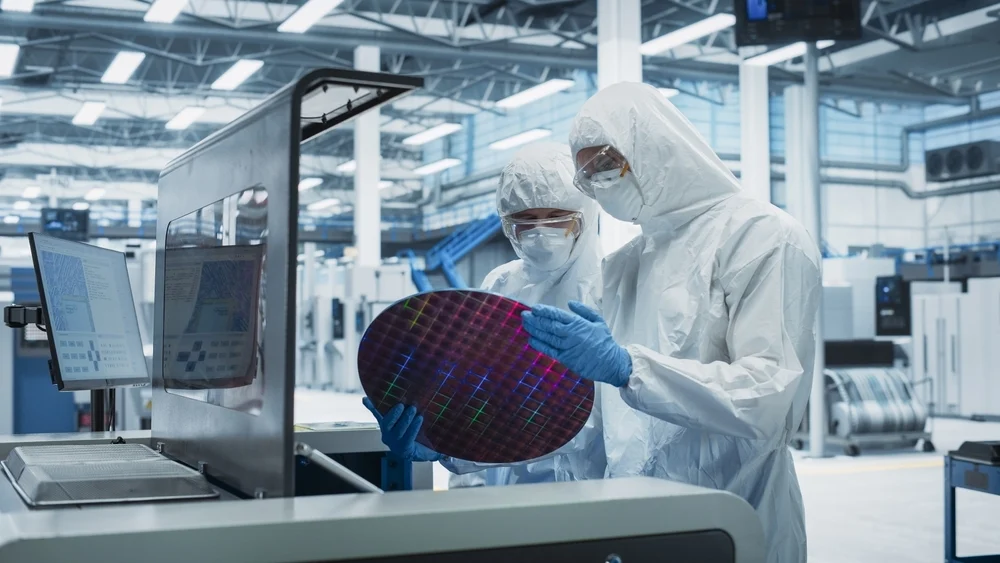
Surface analysis is widely used across industries where surface properties determine product performance. In electronics and semiconductor manufacturing, surface purity is critical, as contamination can affect conductivity and device reliability.
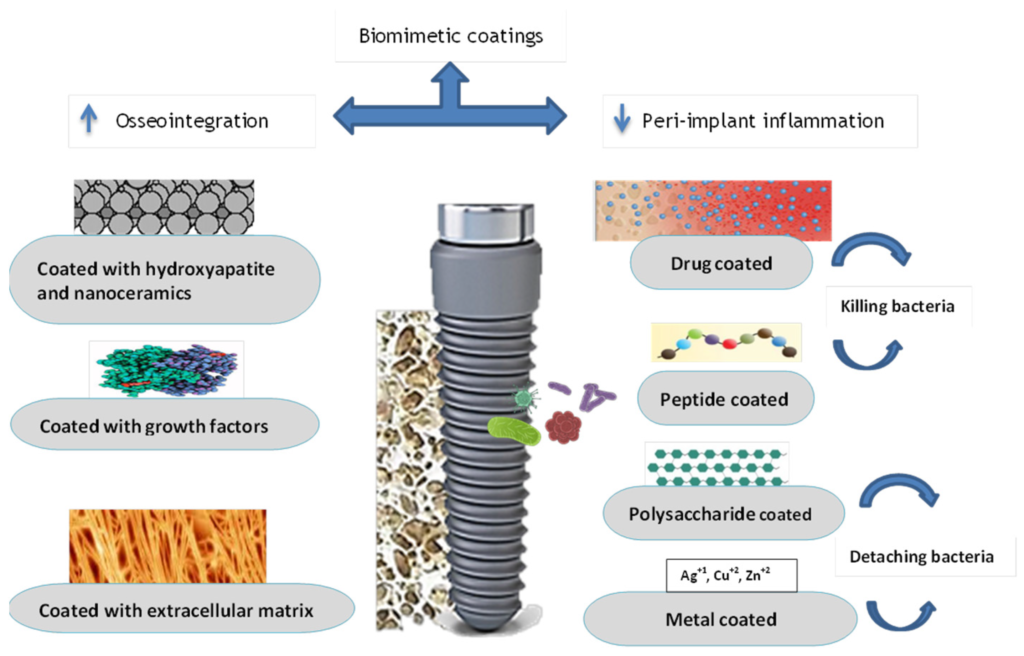
In the biomedical field, surface analysis is essential for evaluating implants and medical devices. Coatings and surface treatments are carefully analyzed to ensure biocompatibility and safe interaction with biological systems.
The automotive and aerospace industries rely heavily on surface wear analysis and protective coatings to ensure durability under extreme conditions such as heat, moisture, and mechanical stress. These industries depend on reliable coatings and surface treatments to extend component lifespan.
Advanced research in nanomaterials and thin films also depends on surface analysis to evaluate structure, composition, and performance at microscopic levels. This helps improve the design of next-generation materials and engineered surfaces.
Overall, surface analysis, surface wear analysis, and coatings and surface treatments work together to improve product reliability, durability, and performance across a wide range of industrial applications.