
Composition & Materials ID
At Genuine Testing, we specialize in precise Composition Materials ID, reverse engineering materials, unknown material identification, polymer identification testing to help you fully understand the exact makeup of your materials, products, or contaminants. Whether you are validating specifications, investigating failures, identifying unknown substances, or performing reverse engineering materials studies, our expertise delivers the detailed insights required for confident decision-making.
By combining advanced analytical instrumentation with expert interpretation, we reveal the elemental, chemical, and structural composition of metals, polymers, ceramics, coatings, composites, and advanced materials. Our approach ensures reliable unknown material identification and supports critical decisions related to quality, compliance, and performance.
Understanding exactly what a material is made of is essential for quality control, regulatory compliance, product development, and failure analysis. Whether confirming alloy composition, conducting polymer identification testing, verifying coating chemistry, or performing unknown material identification, accurate composition analysis forms the foundation for engineering confidence.
We provide comprehensive Composition Materials ID, reverse engineering materials, unknown material identification, polymer identification testing services for a wide range of materials, including metals, polymers, ceramics, composites, coatings, and functional materials. As an independent testing laboratory and Contract Research Organization (CRO), we deliver precise, defensible analytical results that support supplier validation, incoming inspection, product qualification, reverse engineering materials evaluation, and forensic investigation.
Through advanced instrumentation and scientific expertise, we help eliminate uncertainty and ensure materials meet design specifications and industry requirements.
Why Choose Us for Composition Materials ID and Unknown Material Identification?
- Accurate and Detailed Analysis
We use advanced analytical techniques to deliver precise Composition Materials ID results, identifying elements, compounds, and trace contaminants with high accuracy. - Fast and Reliable Results
Our streamlined workflows ensure quick turnaround without compromising the quality of unknown material identification and polymer identification testing results. - Broad Material Expertise
We handle a wide variety of samples, including unknown powders, coatings, finished components, films, and complex composites for reverse engineering materials studies. - Support Across the Product Lifecycle
Our services support R&D, manufacturing, failure analysis, compliance verification, supplier audits, and reverse engineering materials applications.


Our Composition & Materials Identification Capabilities
We offer comprehensive testing to identify and quantify:
Elements, compounds, and trace contaminants
Bulk and surface composition
Phase and crystallographic information
Additives, fillers, and coatings
Contaminants and foreign material in products or processes
Techniques we employ include:
✅ Energy Dispersive X-ray Spectroscopy (EDS/EDX)
✅ X-ray Fluorescence (XRF)
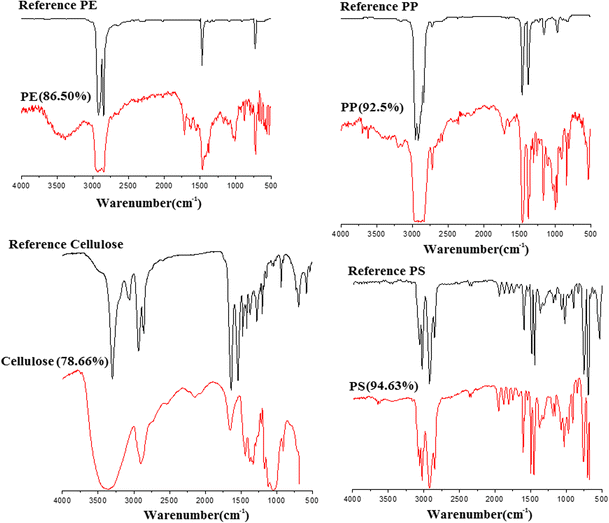
✅ Fourier Transform Infrared Spectroscopy (FTIR)
✅ X-ray Diffraction (XRD)
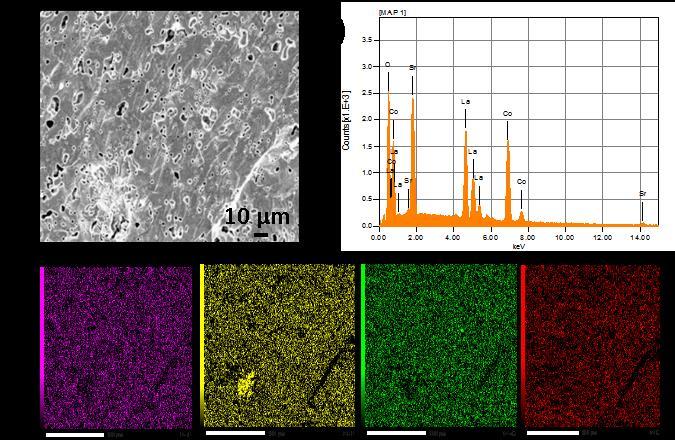
✅ Scanning Electron Microscopy (SEM) with elemental mapping
✅ Auger Electron Spectroscopy (AES)
✅ Inductively Coupled Plasma (ICP) techniques
✅ Raman Spectroscopy
Applications & Industries
Our composition and materials ID services are trusted across many industries:
Aerospace & Defense — Verifying material certifications and identifying failure mechanisms.
Electronics & Semiconductors — Identifying thin film and contamination issues.
Medical Devices & Pharma — Ensuring biocompatibility and regulatory compliance.
Automotive & Transportation — Material verification and competitive analysis.
Energy & Oil/Gas — Identifying deposits, scale, and corrosion products.
Consumer Goods & Packaging — Ensuring correct materials and investigating defects.

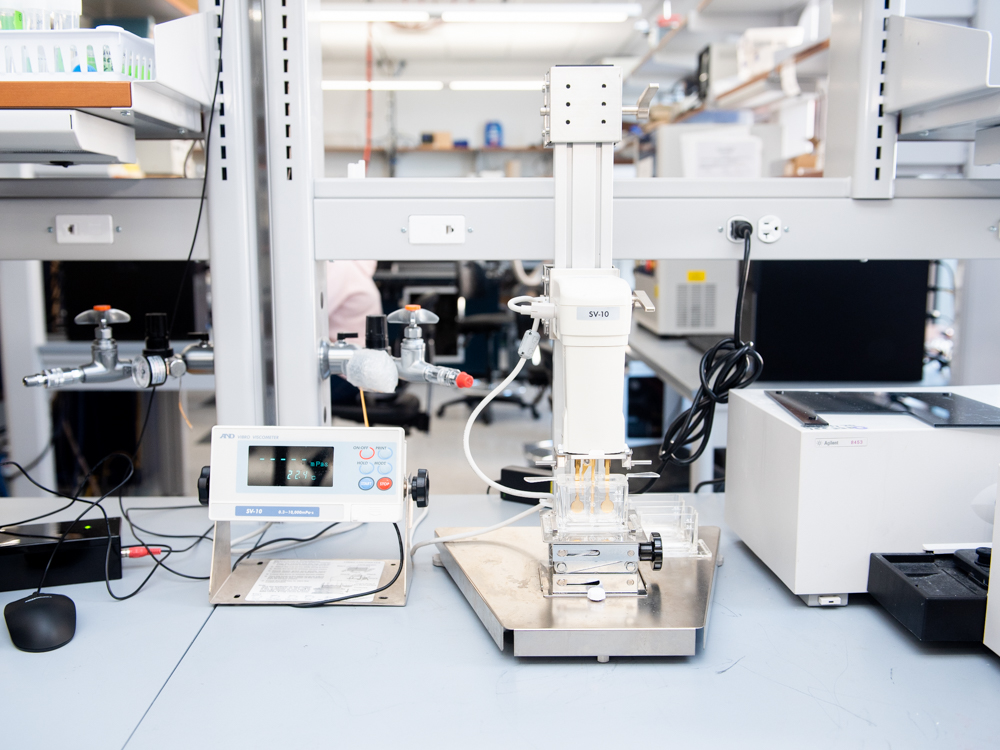
Elemental Composition Analysis for Metals & Alloys
Metals require strict compositional control to ensure performance, strength, and durability. Even minor deviations can impact structural integrity and safety. Our Composition Materials ID services include high-precision elemental analysis for metals and alloys, supporting quality assurance and reverse engineering materials studies.
We detect major, minor, and trace elements to verify alloy specifications and identify impurities. This is critical for aerospace, automotive, construction, and industrial manufacturing applications where material reliability is essential.
We also conduct failure analysis to determine whether compositional inconsistencies contributed to corrosion, cracking, or structural degradation.
Polymer & Plastic Identification
Polymers and plastics require specialized polymer identification testing due to their complex formulations. Visual inspection alone cannot determine material type or composition.
We use advanced spectroscopic and analytical techniques to identify polymer families, copolymers, additives, stabilizers, fillers, and flame retardants. This supports unknown material identification, recycling validation, supplier verification, and performance troubleshooting.
Our polymer identification testing services are widely used in packaging, automotive, medical devices, and consumer goods industries.
Unknown Material Identification & Reverse Engineering
When materials are undocumented, unlabelled, or contaminated, accurate unknown material identification becomes essential. These situations often arise during supply chain audits, product failure investigations, and forensic analysis.
Our reverse engineering materials approach combines microscopy, elemental analysis, and chemical characterization to determine composition and structural behavior. This enables identification of metals, polymers, coatings, ceramics, and composite systems with high confidence.
These insights support product benchmarking, competitive analysis, and formulation reconstruction.
Coatings, Thin Films & Surface Composition
Surface layers often determine product functionality. Protective coatings, decorative finishes, corrosion barriers, conductive films, and adhesive layers must meet strict compositional requirements to perform as intended.
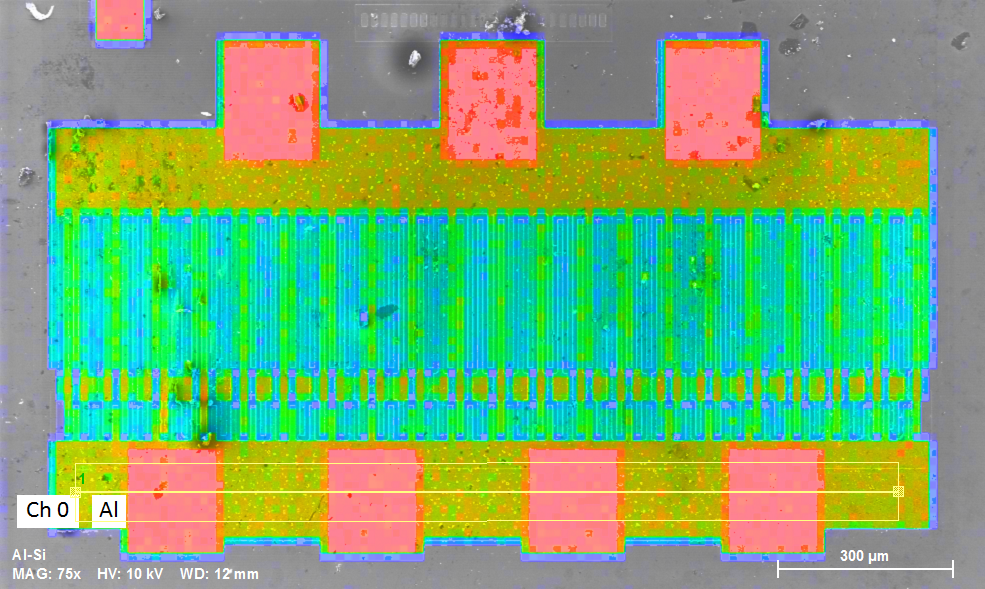
Our laboratory analyzes surface composition and layer structure to verify thickness, uniformity, and chemical integrity. Cross-sectional imaging combined with compositional mapping reveals multilayer architectures and potential contamination at interfaces. These evaluations are particularly important in aerospace coatings, electronics, industrial equipment, and medical devices.
Accurate surface composition data ensures performance reliability and regulatory compliance.
Trace Contaminant Detection
Trace contaminants can compromise mechanical strength, electrical conductivity, chemical stability, or product safety. Identifying the presence and origin of foreign materials requires sensitive analytical instrumentation and systematic investigation.
We perform trace-level elemental and chemical analysis to detect contamination in raw materials, finished products, and manufacturing environments. Whether investigating unexpected corrosion, discoloration, or performance anomalies, our laboratory identifies contaminants and supports corrective action strategies.
Third-party verification strengthens quality systems and reduces the risk of recurring production issues.
Integrated Analytical Techniques
Composition and materials identification often require a multi-technique approach. Our laboratory integrates elemental analysis, spectroscopy, thermal characterization, and advanced microscopy to provide comprehensive material profiles.
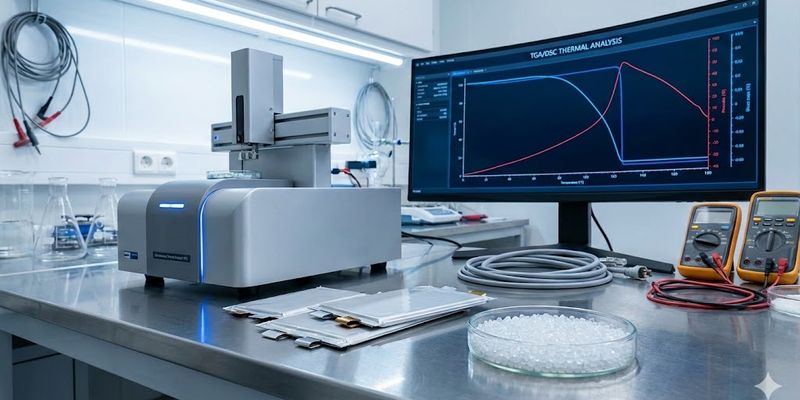
By combining structural imaging with chemical data, we correlate composition with performance characteristics. Thermal analysis reveals phase transitions and stability behavior, while spectroscopic techniques identify molecular structure and functional groups. This integrated methodology ensures accurate identification even for complex or multilayered systems.
Such comprehensive analysis supports product validation, supplier audits, and advanced research initiatives.

Quality Assurance, Compliance & Certification Support
Precise material identification is essential for maintaining compliance with industry regulations and material standards. Manufacturers must verify that supplied materials meet specified grades, composition limits, and restricted substance requirements.
Our structured laboratory reporting provides traceable analytical data suitable for audits, certification processes, and regulatory submissions. Independent third-party composition verification enhances credibility and reduces risk in supply chain management.
By ensuring accurate identification and documentation, we help organizations maintain consistent product quality and regulatory alignment.
Application-Focused Evaluation of Composition & Materials ID
Material performance depends on more than a single specification or laboratory measurement. For unknown solids, polymers, metals, coatings, powders, composites and finished components, a useful testing program should connect measurable properties with the conditions the product will experience during manufacturing, storage, transportation, and service. Our Composition & Materials ID services are designed to generate practical evidence that helps engineers understand why a material behaves as it does and what that behavior means for product reliability. By evaluating elemental composition, polymer identity, additives, fillers, phases, coatings and unexpected constituents, organizations can move beyond pass/fail results and develop a clearer technical basis for material selection, process improvement, and product validation.
Integrated Testing and Analytical Interpretation
Many technical questions cannot be answered by one analytical method alone. Our laboratory can combine microscopy, spectroscopy, elemental analysis, thermal analysis and complementary chemical characterization to build a more complete picture of a sample. For example, a change in mechanical performance may be related to composition, microstructure, surface condition, environmental exposure, or manufacturing history. Using complementary techniques allows scientists to compare observations, confirm suspected causes, and distinguish a true material issue from a processing or handling effect. This integrated approach is particularly valuable when samples are limited, when a product has failed unexpectedly, or when a new formulation must be compared with an established material. Where structural evidence is needed, our Composition & Materials ID can also be paired with Chemical Analysis to investigate related material characteristics and Deformulation when the project requires additional evidence about performance, degradation, or root cause.
Support for Product Development, Quality, and Failure Investigation
Testing is most valuable when the results can be translated into an engineering decision. During research and development, laboratory data can help teams compare candidate materials, refine formulations, establish acceptance criteria, and identify potential weaknesses before commercialization. During manufacturing, testing can support incoming inspection, batch-to-batch comparison, supplier qualification, and process troubleshooting. When a problem occurs in the field, a structured analytical program can help determine whether the cause is related to material selection, processing, contamination, environmental exposure, design, or service conditions. The resulting technical evidence can support corrective actions, design changes, warranty investigations, and long-term reliability programs.
Industries and Applications
Our Composition & Materials ID capabilities can be adapted to the requirements of reverse engineering, incoming inspection, supplier verification, troubleshooting, quality control and forensic investigations. Each application may require different sample preparation, conditioning, analytical methods, or reporting criteria. Rather than applying a one-size-fits-all workflow, our technical team can define a testing plan around the material, the suspected failure mechanism, the applicable specification, and the decision the client needs to make. Results can be presented with clear observations, measurements, supporting images or analytical data, and technical interpretation so that engineering and quality teams can act on the findings.


Complementary Materials Testing
Because material performance is interconnected, Composition & Materials ID is often strengthened by complementary laboratory services. Where the project involves composition, structure, or formulation questions,
A coordinated testing strategy can reduce duplicate work, improve confidence in conclusions, and provide a stronger technical record for product-development and quality decisions. Our goal is to deliver defensible analytical data together with clear scientific interpretation, helping clients understand not only what was measured, but why the result matters to the material or product.