
Deformulation
Modern products are often built from highly complex formulations that include polymers, additives, fillers, stabilizers, solvents, and functional chemical components. From coatings and adhesives to pharmaceuticals, cosmetics, and industrial materials, product performance depends heavily on the precise interaction of these ingredients.
When the exact formulation is unknown or needs deeper evaluation, Deformulation Analysis becomes a critical scientific approach. It is closely linked with Chemical Analysis and Composition Materials ID, helping scientists break down complex materials into identifiable components.
Why Choose Genuine Testing for Deformulation?
Comprehensive Analysis
We break down even the most complex formulations into their individual ingredients and quantify them accurately.Advanced Instrumentation
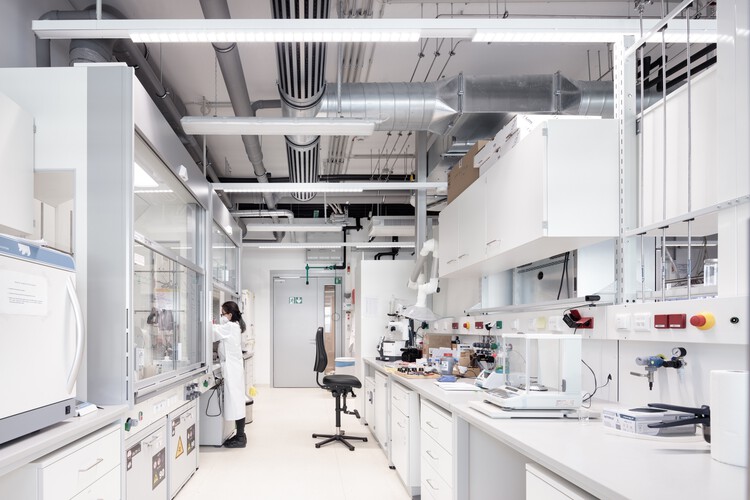
Our laboratory is equipped with state-of-the-art tools for chemical, physical, and thermal analysis.Experienced Scientists
Our experts have decades of experience in reverse engineering across a wide range of materials and industries.Confidential & Precise
We ensure your data is handled with complete confidentiality and deliver reliable, defensible results.
Our Deformulation Capabilities
Our deformulation analysis services cover a wide variety of products and materials, including:
Polymers, plastics, and rubbers
Coatings, adhesives, and sealants
Pharmaceuticals and nutraceuticals
Cosmetics and personal care products
Industrial chemicals and composites
Food contact materials and packaging
Techniques we employ include:
Chromatography (GC-MS, LC-MS)
Spectroscopy (FTIR, NMR, UV-Vis)
Thermal analysis (DSC, TGA)
Microscopy and elemental analysis (SEM-EDS, XRF)
Applications & Industries
Our deformulation services are valuable for:
Competitive product analysis & benchmarking
Investigating product failures or quality issues
Verifying supplier compliance
Supporting intellectual property or litigation cases
Reformulating or improving existing products
Ensuring regulatory and safety compliance
Industries we serve include:
Consumer Products — personal care, cleaning products, packaging
Industrial Manufacturing — adhesives, sealants, coatings
Pharmaceutical & Medical Devices — excipient analysis, reference formulations
Automotive & Aerospace — polymers, composites, coatings

The Science Behind Deformulation
Deformulation is far more sophisticated than simply identifying the major ingredients within a material. Many modern formulations contain trace additives, stabilizers, pigments, plasticizers, fillers, or catalysts that play critical roles in product functionality. Identifying these components requires a carefully designed analytical strategy that combines multiple scientific techniques.
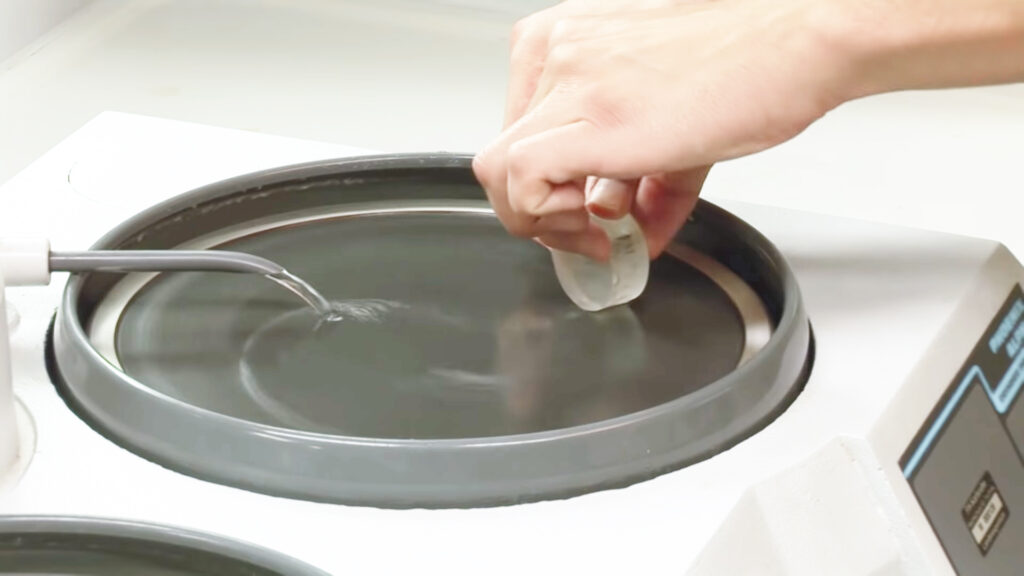
The process typically begins with a preliminary examination of the material, which may involve visual inspection, microscopy, or simple chemical tests. These initial observations help scientists understand the physical characteristics of the sample, including its structure, phase composition, and possible functional additives.
Following this initial evaluation, advanced analytical techniques are used to identify organic compounds, inorganic materials, polymers, and trace additives within the formulation. Spectroscopic methods allow scientists to determine chemical structures and functional groups, while chromatographic techniques help separate and identify individual chemical species within complex mixtures.
Supporting Product Development and Innovation
Deformulation Analysis plays a key role in innovation by helping researchers understand successful formulations and develop improved alternatives. It also supports regulatory compliance by verifying ingredient composition and ensuring materials meet safety requirements.
In intellectual property or dispute cases, Chemical Analysis provides objective, scientifically validated data that supports technical evaluation and decision-making.
Investigating Product Performance Issues
When a product fails or behaves unexpectedly, Deformulation Analysis helps identify root causes at a chemical level. Variations in stabilizers, fillers, or active ingredients can significantly impact durability, strength, viscosity, or stability.
Through precise Chemical Analysis and Composition Materials ID, differences between batches or formulations can be detected, helping manufacturers correct inconsistencies and improve quality control.
Competitive Product Analysis
Deformulation Analysis also supports competitive evaluation by revealing the types of materials and additives used in market-leading products. While exact manufacturing processes remain proprietary, Chemical Analysis provides insight into formulation strategies, including resin systems, fillers, pigments, and functional additives.
This supports better decision-making in product development, cost optimization, and material selection.
Applications Across Multiple Industries
Deformulation Analysis, Composition Materials ID, and Chemical Analysis are essential tools across industries dealing with advanced materials:
- Polymers and plastics: identifying stabilizers, fillers, and modifiers
- Coatings and adhesives: analyzing resins, curing agents, and pigments
- Pharmaceuticals: studying active ingredients and excipients
- Cosmetics: evaluating emulsifiers, preservatives, and active compounds
Each application relies on precise chemical characterization to ensure product performance and reliability.
Advanced Analytical Expertise
Successful deformulation requires more than sophisticated instrumentation. Interpreting analytical data from complex formulations demands significant expertise in chemistry, materials science, and industrial processes. Many compounds produce similar analytical signatures, and distinguishing between them requires careful interpretation and scientific experience.
At Genuine Testing, our scientists combine advanced analytical capabilities with extensive experience in materials characterization. By evaluating data from multiple analytical techniques, we construct a comprehensive understanding of the formulation and its functional components.
Our laboratory maintains strict quality control procedures to ensure accuracy and reproducibility in all analytical results. Detailed documentation and transparent reporting provide clients with confidence in the conclusions derived from deformulation studies.
This level of expertise allows us to tackle even highly complex materials that contain numerous interacting components.
Supporting Intellectual Property and Regulatory Needs
Deformulation analysis can also support intellectual property protection and regulatory compliance efforts. Understanding the composition of materials can help companies ensure that their formulations do not infringe upon existing patents or restricted chemical regulations.
Similarly, regulatory agencies in certain industries require detailed information about product ingredients, especially when materials are used in healthcare, food packaging, or consumer products. Analytical characterization through deformulation helps organizations verify ingredient composition and maintain compliance with applicable regulations.
In situations where disputes arise regarding product composition or formulation changes, independent analytical data from a qualified laboratory provides an objective foundation for resolving technical questions.
Partner with Genuine Testing for Deformulation Expertise
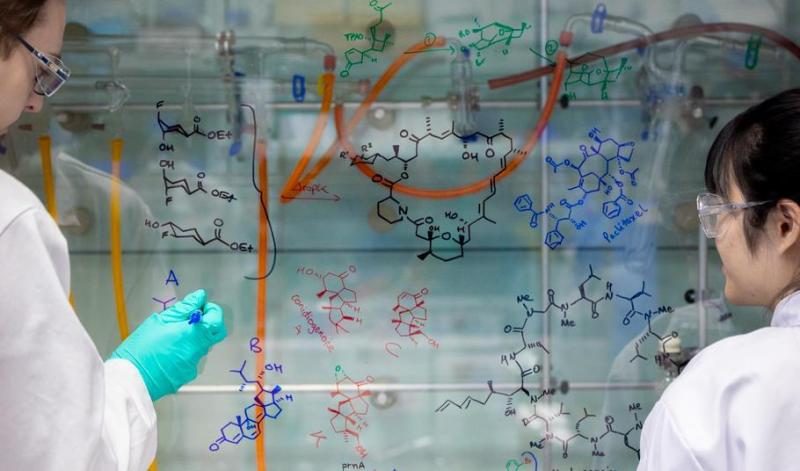
Understanding the composition of complex materials requires scientific precision, advanced analytical instrumentation, and experienced interpretation. Genuine Testing provides comprehensive deformulation services designed to reveal the chemical architecture of products and materials across a wide range of industries.
Our laboratory combines state-of-the-art analytical techniques with a systematic investigative approach to identify ingredients, additives, and functional components within complex formulations. By delivering reliable and detailed insights, we help organizations solve product challenges, improve formulations, and gain a deeper understanding of the materials they work with.
Whether you are investigating product performance issues, analyzing competitive materials, supporting research and development, or verifying formulation consistency, Genuine Testing offers the expertise and analytical capabilities needed to uncover the answers within your materials. Contact our team to discuss your deformulation project or request a customized analytical proposal tailored to your technical requirements.
Application-Focused Evaluation of Deformulation
Material performance depends on more than a single specification or laboratory measurement. For polymers, plastics, rubbers, coatings, adhesives, sealants and formulated products, a useful testing program should connect measurable properties with the conditions the product will experience during manufacturing, storage, transportation, and service. Our Deformulation services are designed to generate practical evidence that helps engineers understand why a material behaves as it does and what that behavior means for product reliability. By evaluating resins, additives, fillers, pigments, plasticizers, stabilizers, solvents and other formulation components, organizations can move beyond pass/fail results and develop a clearer technical basis for material selection, process improvement, and product validation.
Integrated Testing and Analytical Interpretation
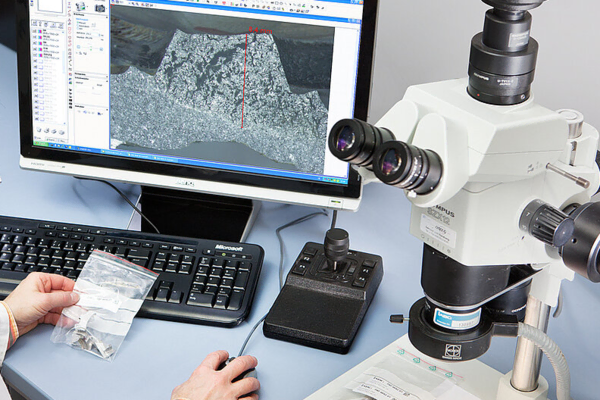
Many technical questions cannot be answered by one analytical method alone. Our laboratory can combine microscopy, spectroscopy, chromatography, thermal analysis and elemental characterization to build a more complete picture of a sample. For example, a change in mechanical performance may be related to composition, microstructure, surface condition, environmental exposure, or manufacturing history. Using complementary techniques allows scientists to compare observations, confirm suspected causes, and distinguish a true material issue from a processing or handling effect. This integrated approach is particularly valuable when samples are limited, when a product has failed unexpectedly, or when a new formulation must be compared with an established material. Where structural evidence is needed, our Deformulation can also be paired with Composition & Materials ID to investigate related material characteristics and Polymer Chemistry when the project requires additional evidence about performance, degradation, or root cause.

Support for Product Development, Quality, and Failure Investigation
Testing is most valuable when the results can be translated into an engineering decision. During research and development, laboratory data can help teams compare candidate materials, refine formulations, establish acceptance criteria, and identify potential weaknesses before commercialization. During manufacturing, testing can support incoming inspection, batch-to-batch comparison, supplier qualification, and process troubleshooting. When a problem occurs in the field, a structured analytical program can help determine whether the cause is related to material selection, processing, contamination, environmental exposure, design, or service conditions. The resulting technical evidence can support corrective actions, design changes, warranty investigations, and long-term reliability programs.
Industries and Applications
Our Deformulation capabilities can be adapted to the requirements of competitive benchmarking, product improvement, supplier verification, failure analysis, intellectual property and regulatory work. Each application may require different sample preparation, conditioning, analytical methods, or reporting criteria. Rather than applying a one-size-fits-all workflow, our technical team can define a testing plan around the material, the suspected failure mechanism, the applicable specification, and the decision the client needs to make. Results can be presented with clear observations, measurements, supporting images or analytical data, and technical interpretation so that engineering and quality teams can act on the findings.