
Polymer Chemistry
Polymer Chemistry plays a fundamental role in the development, evaluation, and optimization of modern materials used across multiple industries. Plastics and Polymers are large molecular structures composed of repeating monomer units, forming the backbone of countless materials used in daily life. From packaging materials and elastomers to biomedical devices and advanced coatings, Plastics and Polymers are essential in manufacturing, healthcare, electronics, construction, and aerospace applications. Understanding the structure, behavior, and performance of these materials is critical for ensuring quality, durability, and safety.
In Polymer Chemistry, scientists examine how polymers are synthesized, how molecular architecture affects physical and chemical properties, and how environmental factors such as temperature, pressure, chemicals, and mechanical stress influence material performance. This scientific understanding allows manufacturers and researchers to design Plastics and Polymers that meet precise functional requirements while maintaining consistency and reliability throughout their lifecycle.
Why Choose Genuine Testing for Polymer Chemistry?
Specialized Expertise
Our scientists have extensive experience analyzing and testing polymeric materials and their behavior.Advanced Analytical Techniques
We employ sophisticated tools and methods to analyze molecular structure, composition, and degradation.Comprehensive Support
From raw material verification to finished product testing, we support you at every stage of your process.Tailored Solutions
We design testing programs to meet your specific challenges and regulatory requirements.
Our Testing Capabilities
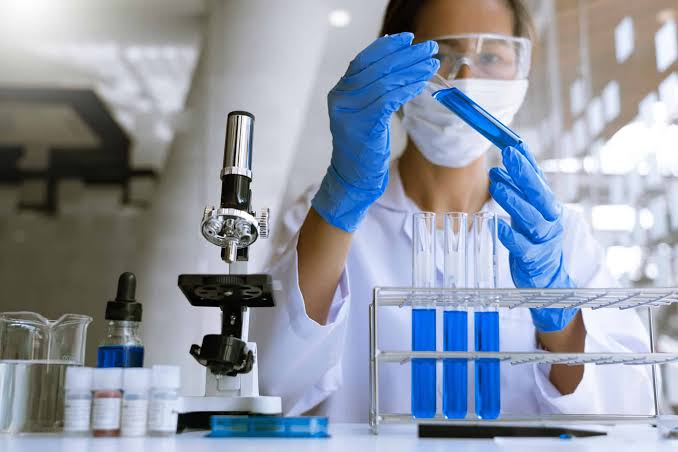
Our polymer chemistry services include:
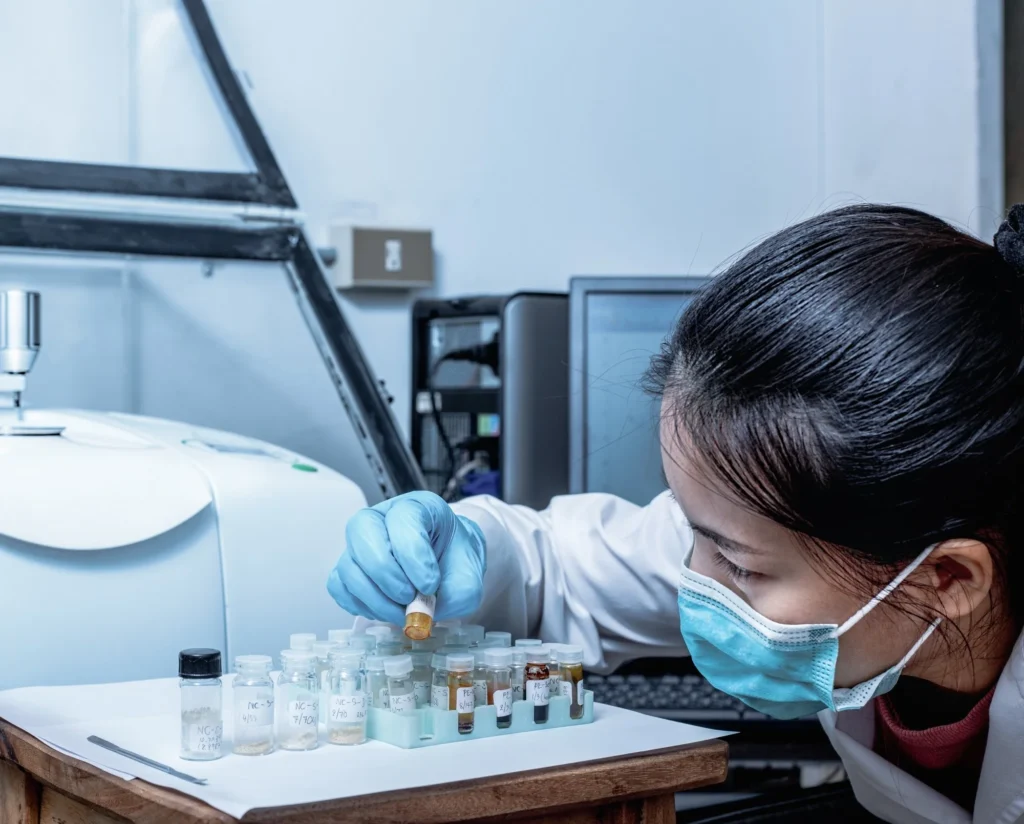
Identification of polymer types and additives
Molecular weight determination and distribution
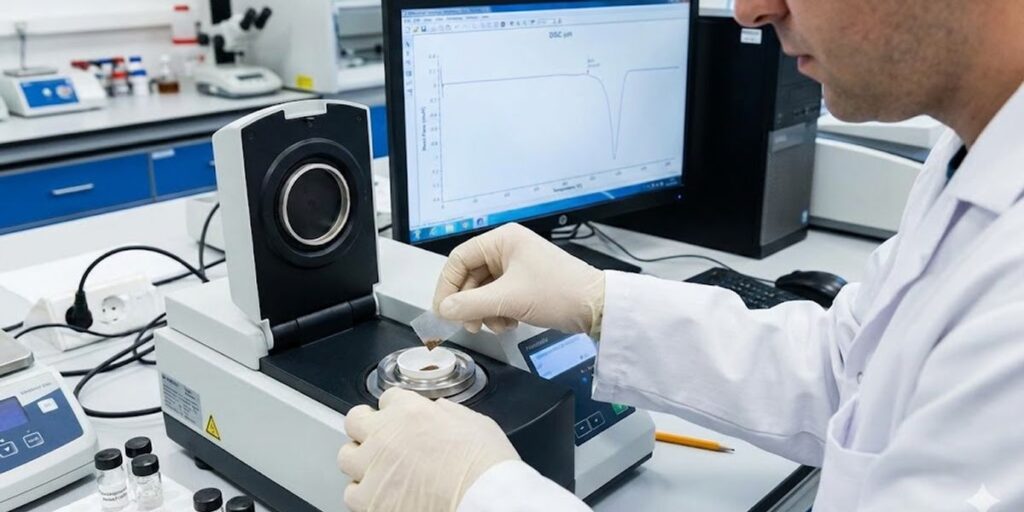
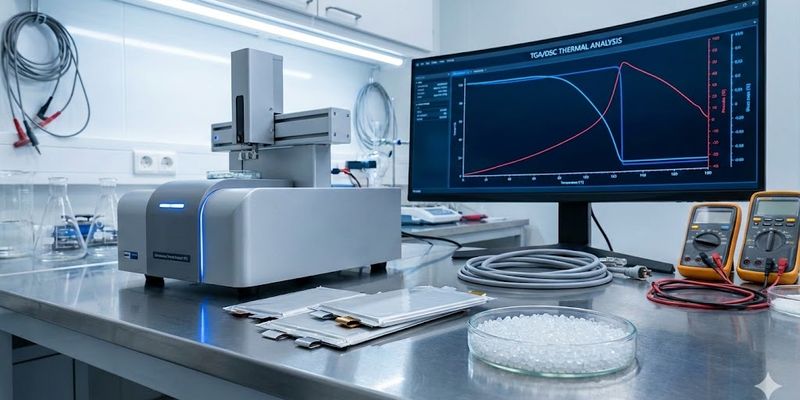
Thermal analysis (DSC, TGA) to study melting, glass transition, and stability
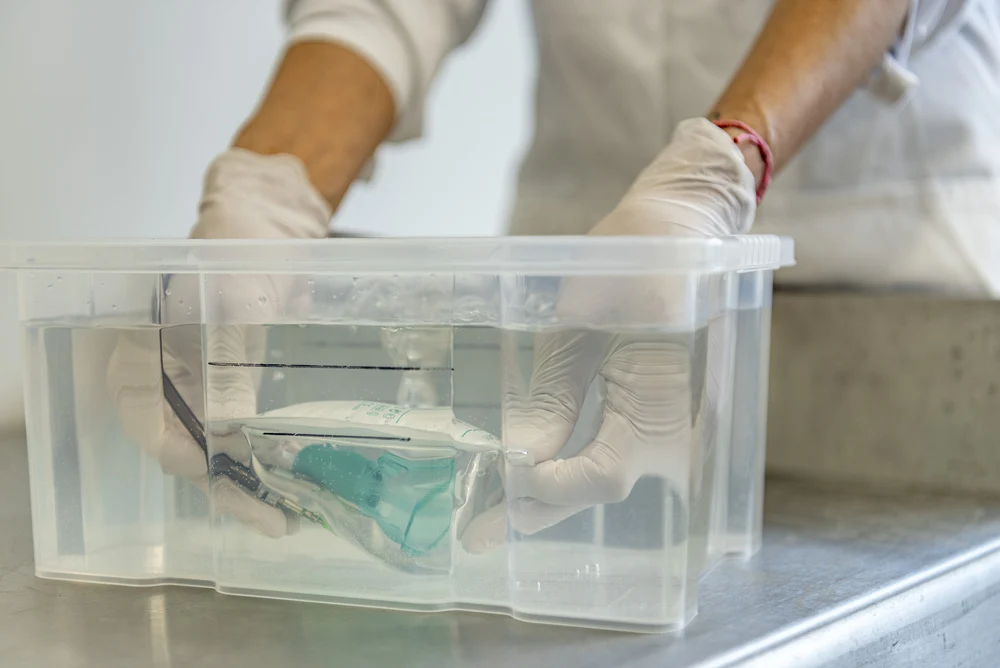
Chemical resistance and aging studies
Surface and interface analysis of coatings and films
Failure analysis of polymeric components
Extractables & leachables testing in polymers
Application-Focused Evaluation of Polymer Chemistry
Material performance depends on more than a single specification or laboratory measurement. For thermoplastics, thermosets, elastomers, adhesives, coatings and specialty polymers, a useful testing program should connect measurable properties with the conditions the product will experience during manufacturing, storage, transportation, and service. Our Polymer Chemistry services are designed to generate practical evidence that helps engineers understand why a material behaves as it does and what that behavior means for product reliability. By evaluating molecular structure, formulation, molecular-weight-related behavior, additives, degradation and processing effects, organizations can move beyond pass/fail results and develop a clearer technical basis for material selection, process improvement, and product validation.
ntegrated Testing and Analytical Interpretation
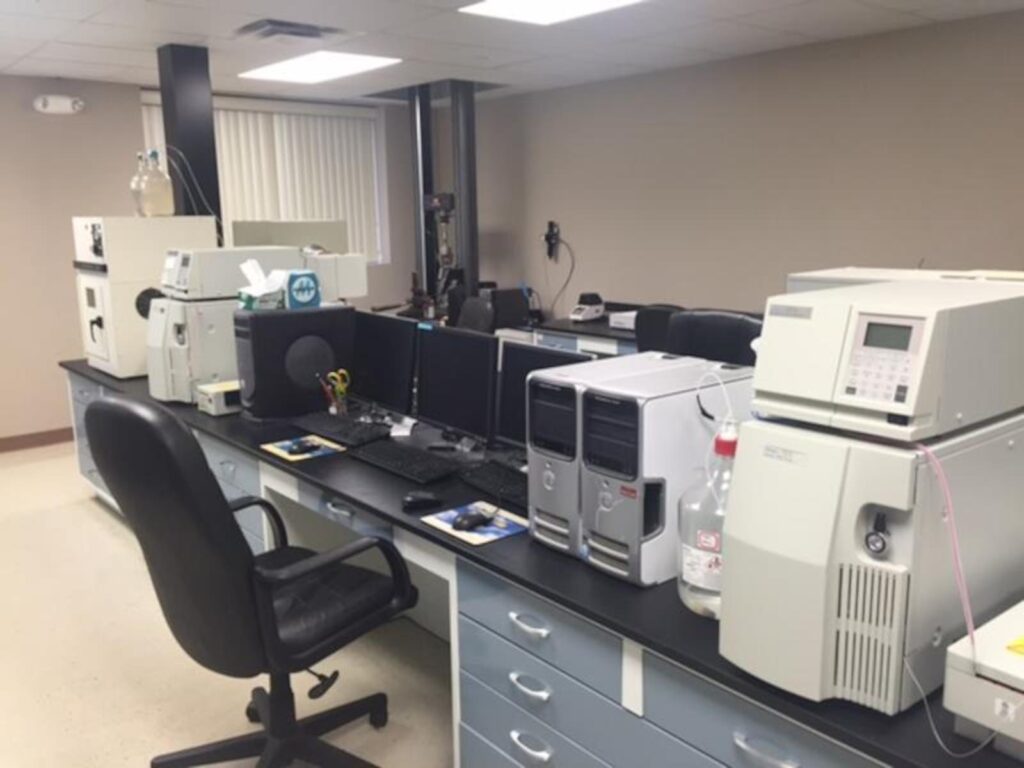
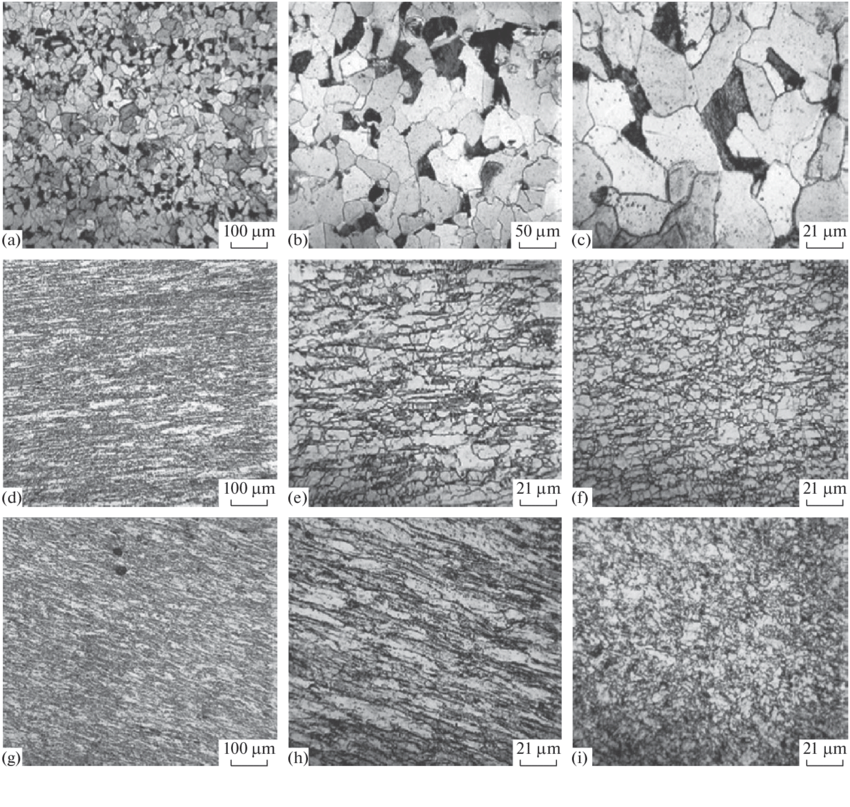
Many technical questions cannot be answered by one analytical method alone. Our laboratory can combine spectroscopy, chromatography, thermal analysis, microscopy and complementary materials characterization to build a more complete picture of a sample. For example, a change in mechanical performance may be related to composition, microstructure, surface condition, environmental exposure, or manufacturing history. Using complementary techniques allows scientists to compare observations, confirm suspected causes, and distinguish a true material issue from a processing or handling effect. This integrated approach is particularly valuable when samples are limited, when a product has failed unexpectedly, or when a new formulation must be compared with an established material. Where structural evidence is needed, our Polymer Chemistry can also be paired with Chemical Analysis to investigate related material characteristics and Deformulation when the project requires additional evidence about performance, degradation, or root cause.
In addition to chemical and thermal properties, polymer characterization often includes mechanical property evaluation. Understanding a polymer’s strength, flexibility, and elasticity is essential for determining its suitability for specific applications. For example, polymers used in flexible packaging must maintain durability while remaining lightweight and adaptable, whereas polymers used in engineering components must offer high structural integrity.
At Genuine Testing, polymer characterization services are designed to provide comprehensive material insights. By combining multiple analytical methods, our team can deliver a detailed understanding of polymer properties that helps clients improve product design, troubleshoot manufacturing issues, and ensure regulatory compliance.
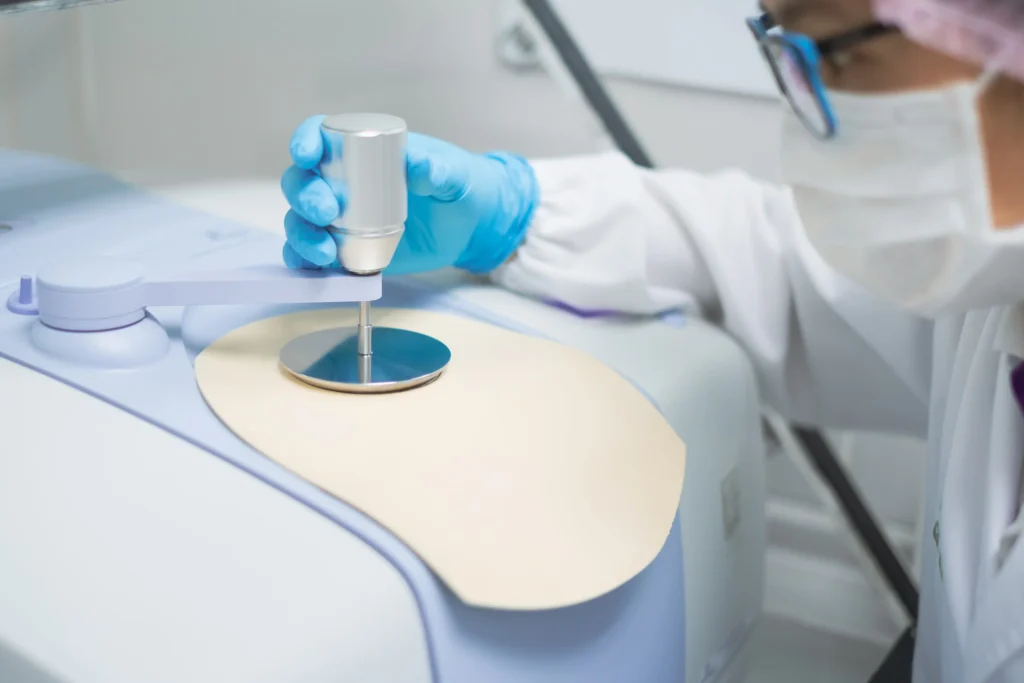
Polymer Testing for Quality Assurance and Manufacturing
Quality assurance is essential in ensuring the consistent performance of Plastics and Polymers during manufacturing. Even small variations in raw materials or processing conditions can significantly affect final product quality.
Polymer Chemistry testing helps verify raw materials before production begins, ensuring that Plastics and Polymers meet required specifications. This reduces defects, improves production efficiency, and ensures product consistency.
During manufacturing processes such as molding, extrusion, and curing, Polymer Chemistry analysis helps monitor changes in material structure. This ensures that Plastics and Polymers maintain their intended performance characteristics.
Testing also identifies degradation caused by heat, oxygen, or environmental exposure, helping manufacturers maintain material integrity throughout production and storage.
Polymer chemistry testing also helps identify potential contamination or degradation that may occur during manufacturing or storage. Exposure to heat, oxygen, or environmental factors can cause polymers to degrade over time, potentially affecting product performance. Analytical testing allows scientists to detect these changes and recommend solutions to maintain material integrity.
By supporting quality assurance efforts, polymer chemistry services help manufacturers produce reliable products that meet both industry standards and customer expectations.
Applications of Polymer Chemistry Across Industries
Polymer chemistry plays a key role in many industries by enabling the development of materials with specialized properties tailored to specific applications. In the healthcare and medical device sector, polymers are widely used in products such as implants, catheters, surgical instruments, and drug delivery systems. These materials must be carefully designed and tested to ensure they are safe for human contact and capable of performing reliably in biological environments.
In the pharmaceutical industry, polymer materials are frequently used in packaging systems that protect medications from moisture, oxygen, and contamination. Polymer chemistry analysis ensures that packaging materials do not interact with the drugs they contain and that they maintain product stability throughout the shelf life. The automotive and transportation industries also rely heavily on polymer materials to improve vehicle performance and efficiency. Lightweight polymers are used to replace traditional metal components, helping reduce vehicle weight and improve fuel economy. These materials must be thoroughly analyzed to ensure they can withstand mechanical stress, temperature variations, and environmental exposure.
Research, Development, and Innovation in Polymer Science
Research in Polymer Chemistry continues to drive innovation in Plastics and Polymers. Scientists are developing new materials with improved strength, flexibility, thermal resistance, and sustainability.
One major focus is the development of environmentally friendly Plastics and Polymers, including biodegradable and recyclable materials. Polymer identification testing plays a key role in evaluating these materials for commercial use.
High-performance polymers are also being developed for extreme environments, such as aerospace and industrial applications. These materials must withstand high temperatures, chemical exposure, and mechanical stress.
Advancements in Polymer Chemistry allow researchers to design materials with precise properties, enabling innovation across multiple industries.
Another important focus area is the development of high-performance polymers designed for extreme conditions. These materials may be required to withstand high temperatures, aggressive chemicals, or significant mechanical loads. By studying molecular structure and material behavior, polymer chemists can design materials that maintain stability and performance even under challenging conditions.
At Genuine Testing, our polymer chemistry expertise supports both research and industrial applications. We work closely with clients to analyze polymer materials, investigate performance characteristics, and provide insights that guide product development. Through advanced laboratory analysis and scientific expertise, we help organizations better understand their materials and move forward with confidence in their innovations.
Polymer Characterization and Material Analysis
Polymer characterization is a key component of Polymer Chemistry that focuses on evaluating the physical and chemical properties of Plastics and Polymers. This includes molecular structure, composition, thermal behavior, and mechanical properties.
Spectroscopic techniques help identify chemical bonds and functional groups in Plastics and Polymers, while thermal analysis methods examine melting behavior, glass transition temperature, and degradation resistance.
Mechanical testing evaluates strength, elasticity, and flexibility, which are essential for determining suitability in different applications. For example, flexible packaging requires durable yet adaptable polymers, while engineering components require high structural integrity.
Polymer identification testing is often combined with characterization techniques to provide a complete understanding of material behavior and performance.
Support for Product Development, Quality, and Failure Investigation
Testing is most valuable when the results can be translated into an engineering decision. During research and development, laboratory data can help teams compare candidate materials, refine formulations, establish acceptance criteria, and identify potential weaknesses before commercialization. During manufacturing, testing can support incoming inspection, batch-to-batch comparison, supplier qualification, and process troubleshooting. When a problem occurs in the field, a structured analytical program can help determine whether the cause is related to material selection, processing, contamination, environmental exposure, design, or service conditions. The resulting technical evidence can support corrective actions, design changes, warranty investigations, and long-term reliability programs.
Industries and Applications
Our Polymer Chemistry capabilities can be adapted to the requirements of new formulation development, troubleshooting, competitive analysis, quality control and product optimization. Each application may require different sample preparation, conditioning, analytical methods, or reporting criteria. Rather than applying a one-size-fits-all workflow, our technical team can define a testing plan around the material, the suspected failure mechanism, the applicable specification, and the decision the client needs to make. Results can be presented with clear observations, measurements, supporting images or analytical data, and technical interpretation so that engineering and quality teams can act on the findings.