Contaminant Identification
At Genuine Testing, we specialize in Contaminant Identification, Trace Elemental Analysis, and Chemical Analysis to help industries detect, characterize, and understand unwanted materials present in products, processes, or environments. Contamination can significantly impact product performance, safety, regulatory compliance, and brand reputation. Our analytical services help identify the source, composition, and behavior of contaminants so that issues can be resolved efficiently and effectively.
With advanced laboratory instrumentation and extensive cross-industry expertise, we analyze particulate, chemical, and biological contaminants found in raw materials, finished products, manufacturing equipment, and environmental samples. Whether the issue appears as visible foreign particles, microscopic inclusions, chemical residues, or unexpected discoloration, accurate identification is essential to prevent repeated failures and costly disruptions.
We support industries including manufacturing, pharmaceuticals, aerospace, automotive, electronics, healthcare, packaging, energy, and consumer products by delivering reliable data and scientifically validated conclusions.
Why Choose Genuine Testing for Contaminant Identification?
Precise & Reliable Results
Our advanced methods allow us to detect even trace contaminants and identify their composition and origin.Wide Range of Materials & Forms
We analyze solids, liquids, films, powders, and residues from diverse sources and environments.Rapid Turnaround
We understand that contamination issues are often urgent — we deliver fast, actionable results.Root Cause Insights
Beyond identifying the contaminant, we help you understand its likely source and recommend next steps.
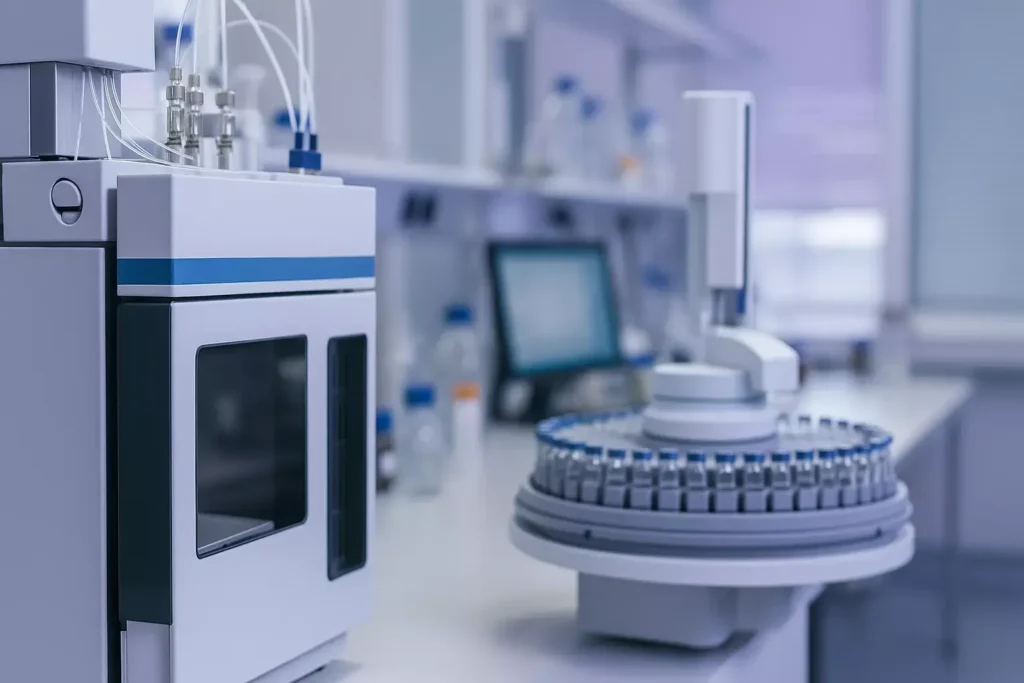
Our Chemical Testing Capabilities
We investigate and identify a wide range of contamination types, including:
Particulates on surfaces or within products
Unknown fibers, residues, or films
Chemical deposits and corrosion products
Environmental or biological contaminants
Foreign materials embedded in coatings, adhesives, or polymers
Techniques we employ include:
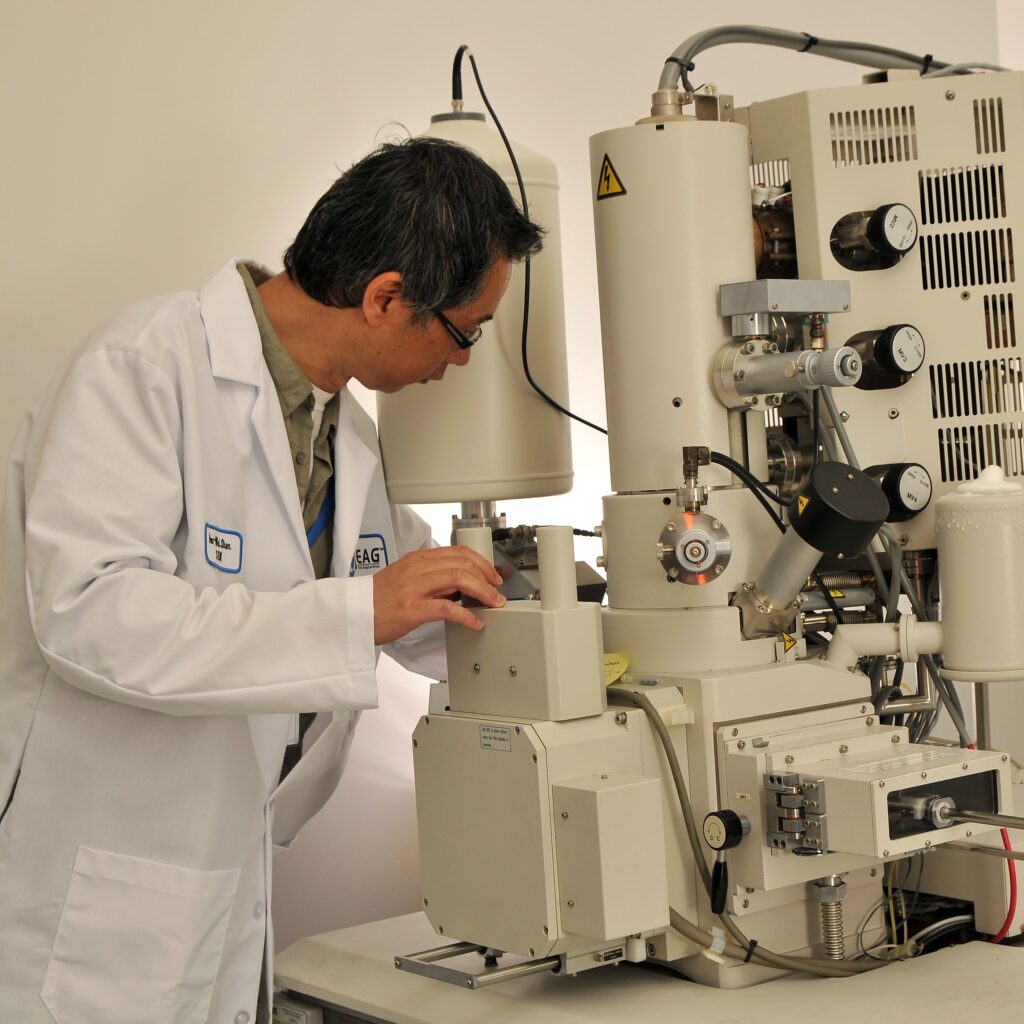
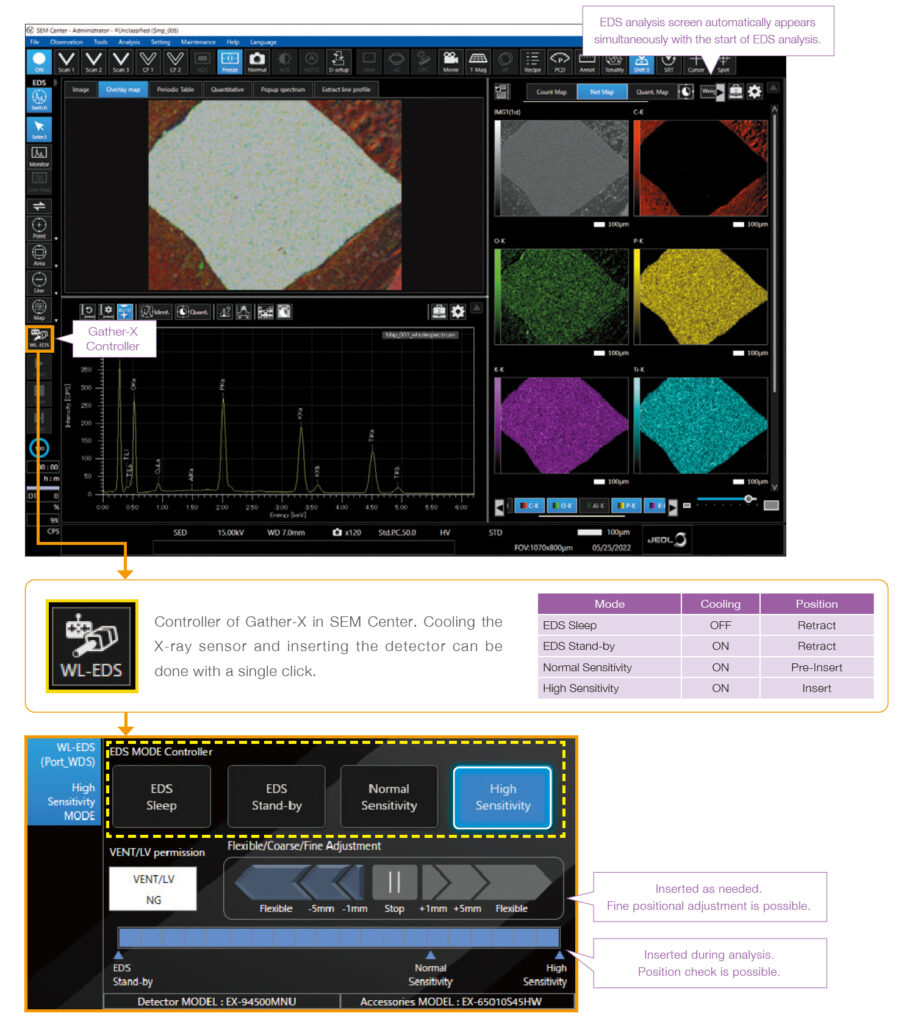
✅ Scanning Electron Microscopy (SEM) with Energy Dispersive X-ray Spectroscopy (EDS)
✅ Fourier Transform Infrared Spectroscopy (FTIR)
✅ X-ray Photoelectron Spectroscopy (XPS)
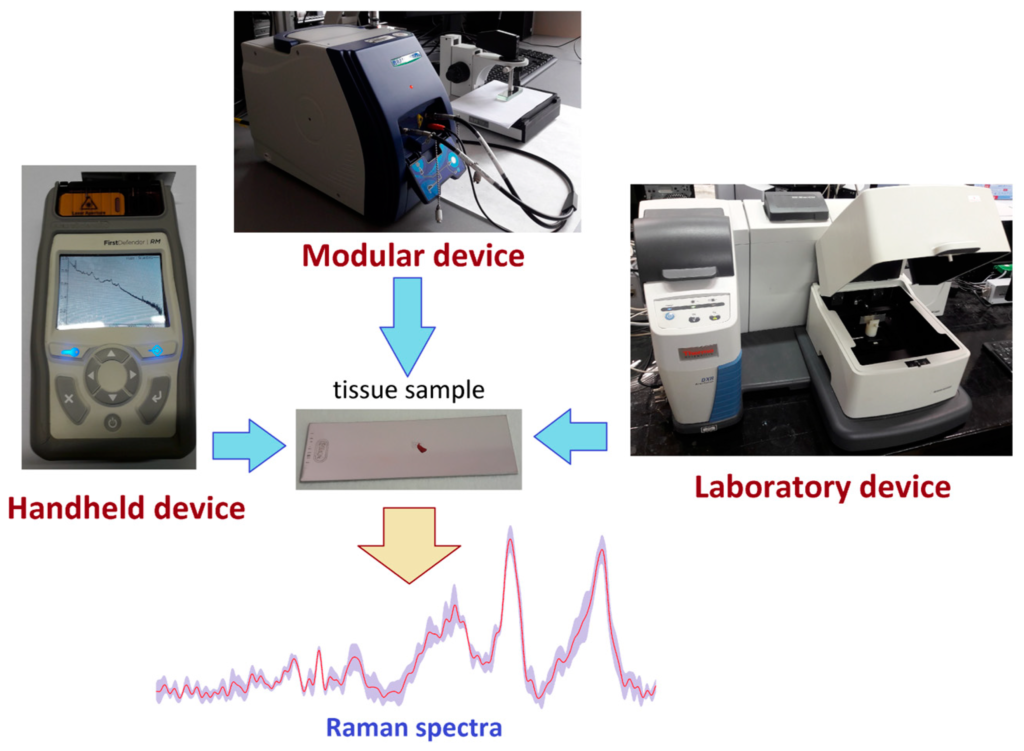
✅ Raman Spectroscopy
✅ Ion Chromatography (IC)
✅ Gas Chromatography-Mass Spectrometry (GC-MS)
✅ Inductively Coupled Plasma (ICP) techniques
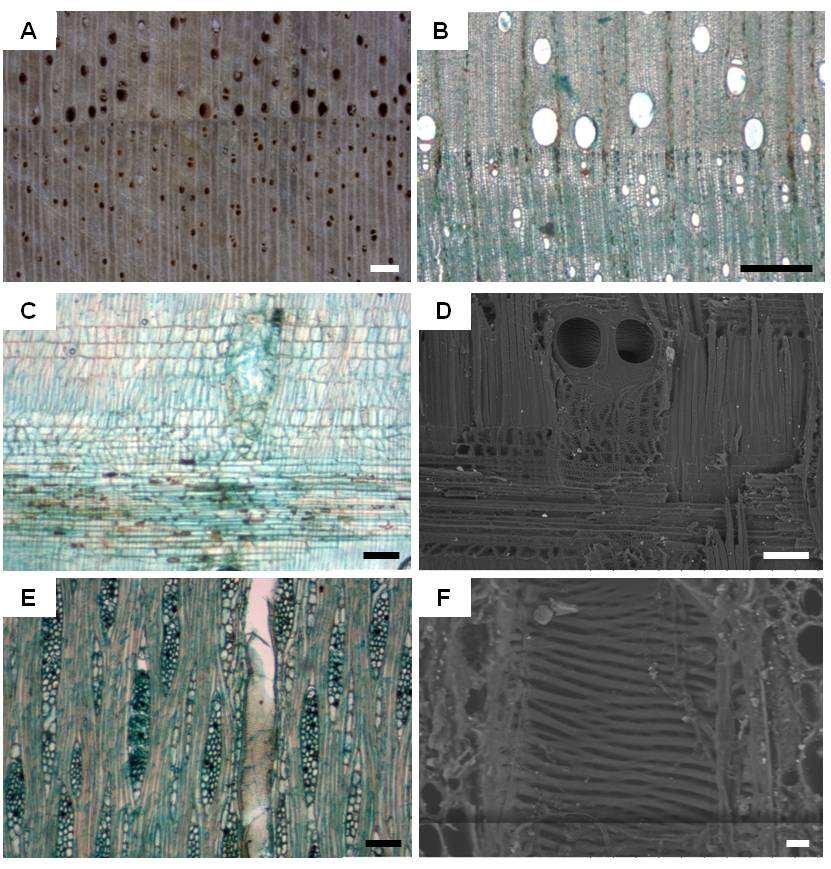
✅ Optical Microscopy & Imaging
Applications & Industries
Our contaminant identification testing services are trusted by companies in many industries, including:
Electronics & Semiconductors — Isolating process contaminants affecting yield or reliability.
Pharmaceutical & Medical Devices — Identifying particulate contamination for regulatory compliance.
Automotive & Aerospace — Investigating failure due to foreign materials or deposits.
Food & Consumer Products — Identifying unknown materials compromising product integrity.
Energy & Manufacturing — Pinpointing corrosion products or environmental contaminants.
Understanding the True Impact of Contamination
Contamination events are rarely isolated incidents. In many cases, the visible foreign particle or unexpected residue is only a symptom of a deeper process deviation, material incompatibility, environmental exposure, or supplier inconsistency. Without accurate identification, corrective actions are often based on assumptions rather than data, increasing the likelihood of recurrence and escalating costs over time.
Modern manufacturing environments are highly complex, incorporating multiple raw material sources, intricate processing steps, automated equipment, human interaction, and tightly controlled environmental conditions. Even a small change in humidity, airborne particulate levels, packaging materials, or cleaning procedures can introduce unwanted contaminants. When left unaddressed, these contaminants may cause premature product failure, reduced performance, cosmetic defects, regulatory non-compliance, or customer complaints.
Our Analytical Approach
Every contamination investigation begins with a structured analytical strategy. Rather than applying techniques at random, we design a testing pathway based on the nature of the sample, the suspected materials involved, and the failure mode observed. This approach ensures efficient use of time and resources while delivering definitive, defensible results.
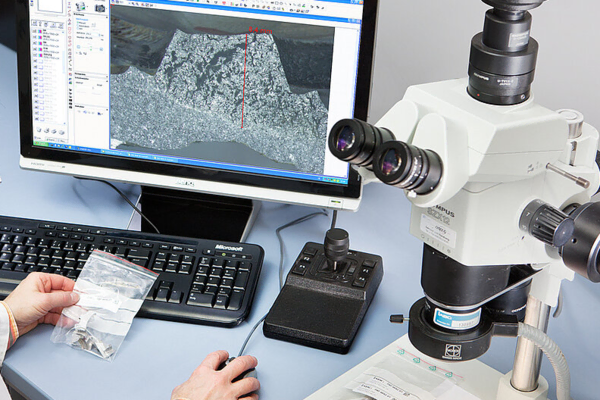
Microscopic examination is often the first step. High-resolution optical microscopy allows us to evaluate size, shape, color, texture, and distribution patterns. These characteristics frequently provide early clues regarding whether a contaminant originates from environmental dust, degraded polymer, corrosion byproduct, machining debris, textile fibers, or biological growth.
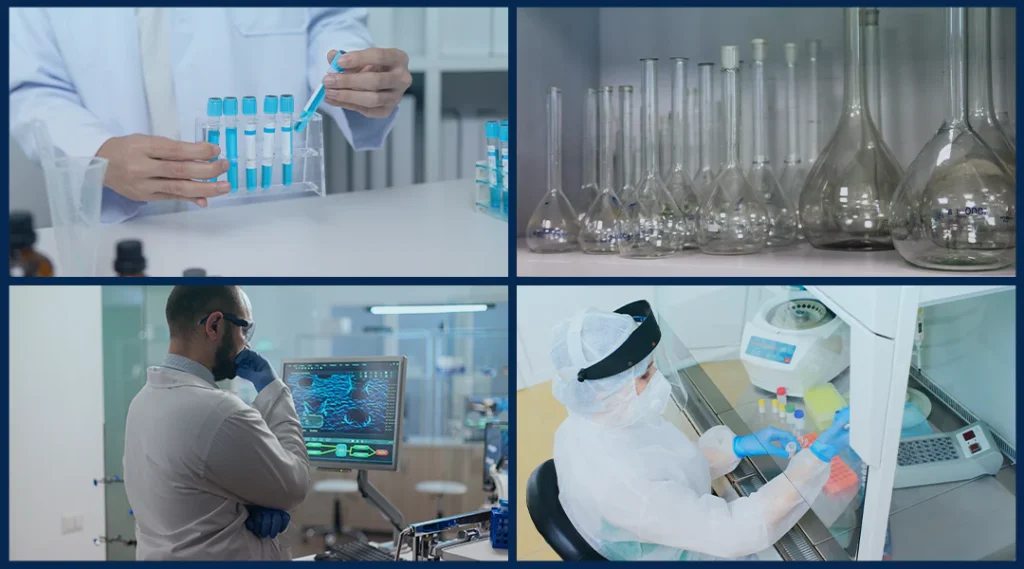
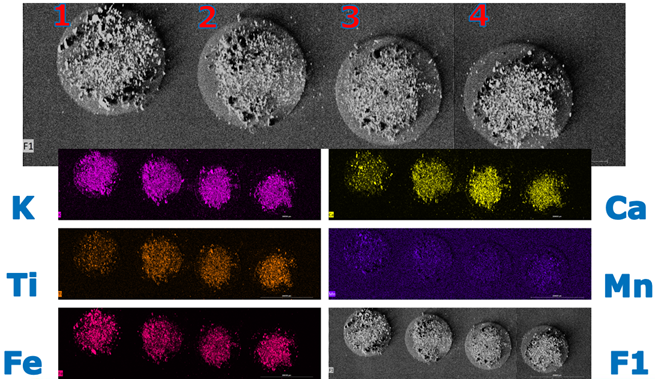
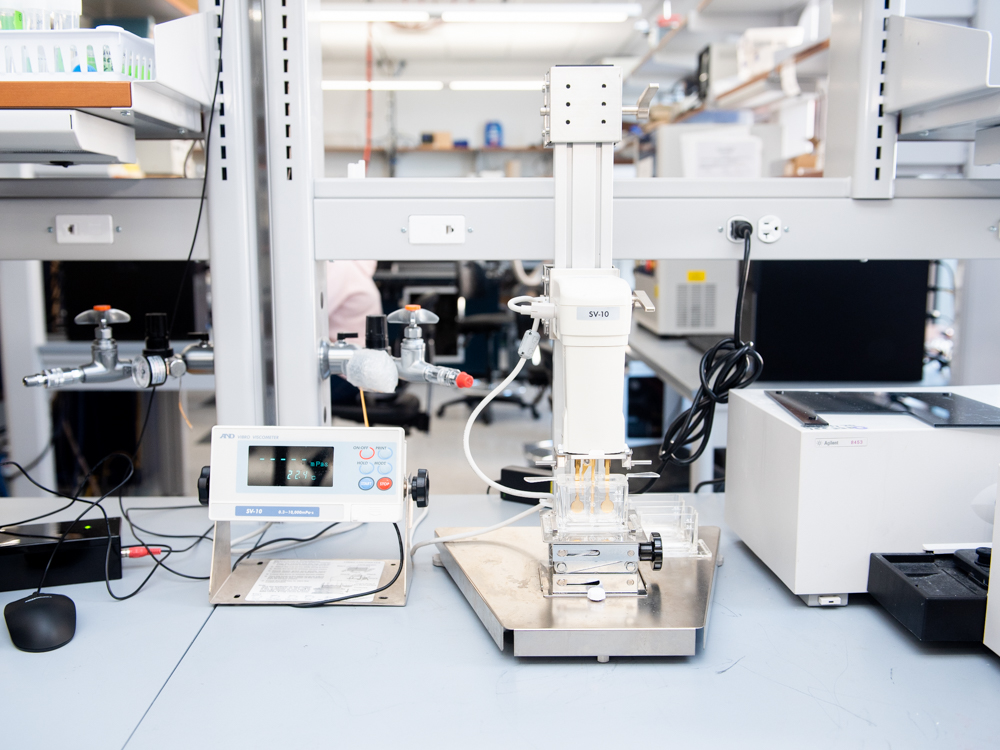
From there, advanced surface and compositional analysis techniques provide precise chemical identification. Elemental analysis can determine the presence of metals, oxides, salts, or inorganic particulates. Spectroscopic methods reveal polymer types, organic residues, oils, plasticizers, or adhesives. When volatile or semi-volatile compounds are suspected, chromatographic methods help isolate and identify trace chemical species.
By integrating multiple complementary techniques, we eliminate ambiguity. A single method may suggest possibilities; combined methods provide confirmation. This multi-layered strategy ensures confidence in the final report and supports regulatory, legal, or supplier discussions when required.
Identifying Root Cause and Preventing Recurrence
Accurate identification is only part of the solution. The true value of contaminant testing lies in connecting analytical findings to real-world process conditions. Our scientists interpret laboratory data within the context of your materials, manufacturing steps, storage conditions, and distribution chain.
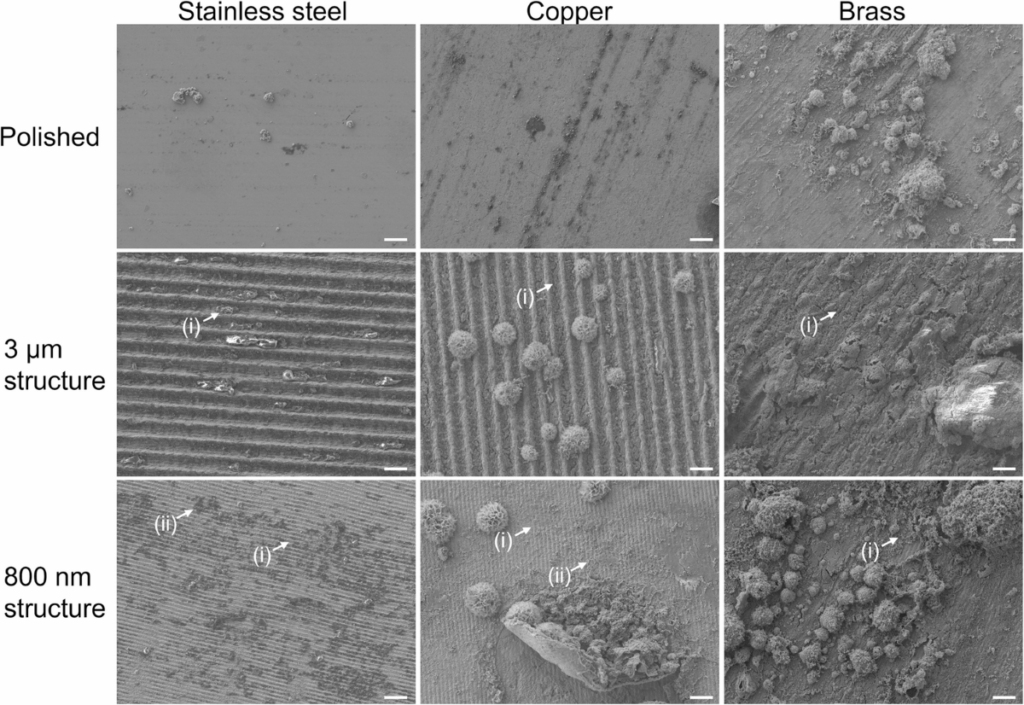
For example, metallic particles detected in a polymer component may correlate with upstream machining operations or worn tooling. Sodium and chloride residues on electronic assemblies may point to cleaning chemistry issues or environmental exposure. Organic films on medical devices may indicate packaging interactions or sterilization byproducts. By tracing contaminants to their source, organizations can implement targeted process controls rather than broad, costly changes.
Supporting Regulatory and Quality Compliance
Industries such as pharmaceuticals, medical devices, aerospace, electronics, and food production operate under strict regulatory frameworks. Contamination events in these sectors carry not only financial consequences but also legal and safety implications. Independent, third-party analytical data provides an objective foundation for regulatory reporting, customer communication, and internal documentation.
As an independent materials testing laboratory and Contract Research Organization, Genuine Testing delivers unbiased findings supported by validated methodologies and rigorous quality controls. Our reports include detailed descriptions of analytical procedures, instrument parameters, spectra or micrographs where applicable, and scientifically supported conclusions. This level of documentation ensures that results are suitable for audits, compliance reviews, supplier disputes, and technical investigations.
Handling a Wide Variety of Sample Types
Contaminants appear in countless forms, and each requires specific preparation and handling procedures. We routinely analyze loose particulates, adhered residues, embedded inclusions, liquid samples, extracted deposits, thin films, powders, gels, and composite fragments. Some samples arrive as visible debris collected from a production line, while others require micro-extraction from complex assemblies.
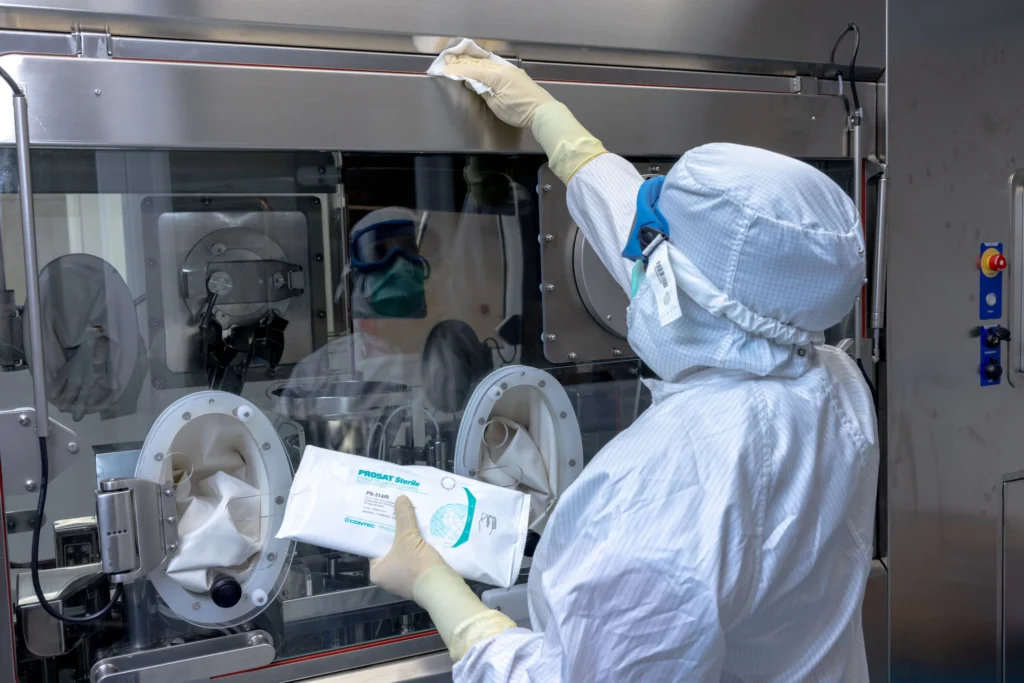
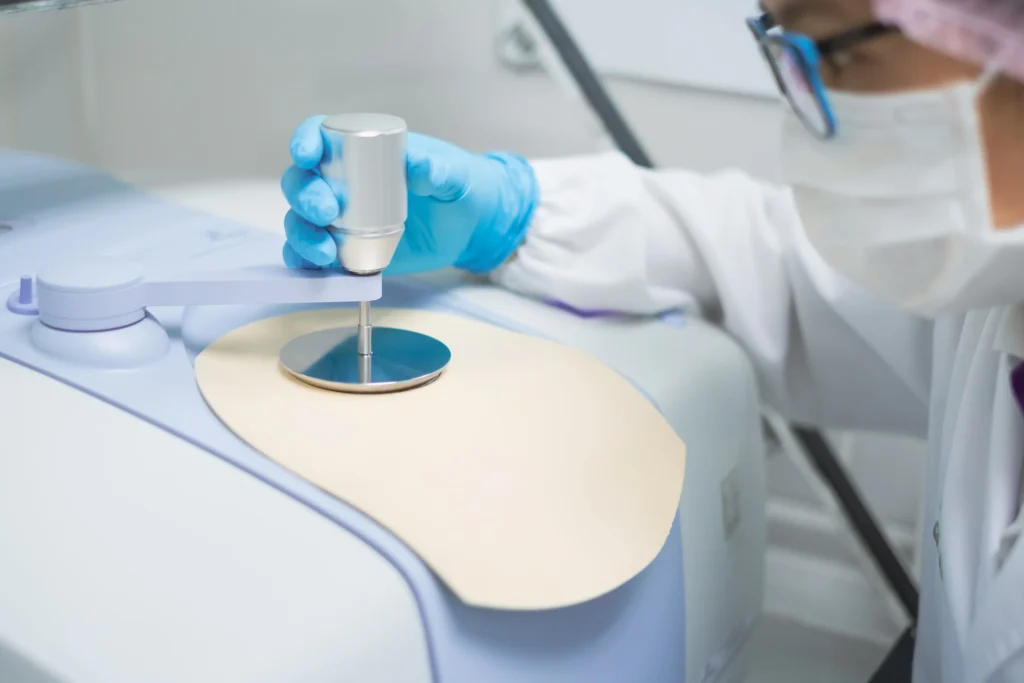
Proper sample preparation is critical to accurate identification. Cross-contamination during handling can compromise results, particularly when working with trace materials. Our laboratory follows strict contamination control procedures and uses clean tools, controlled environments, and validated preparation techniques to preserve sample integrity. In certain investigations, comparison testing is performed between the unknown contaminant and potential source materials provided by the client. This side-by-side analytical comparison strengthens conclusions and provides compelling evidence when identifying the origin of foreign materials.
Failure Analysis Integration
Contaminants are frequently linked to product failure, performance degradation, or cosmetic defects. In these cases, contaminant identification becomes part of a broader failure analysis investigation. Our multidisciplinary expertise allows us to integrate compositional testing with mechanical evaluation, surface characterization, and materials performance analysis.
For example, a crack in a coating system may reveal embedded foreign particles that initiated stress concentration. Electrical failure in a circuit board may trace back to ionic residues that promoted corrosion pathways. Discoloration in a polymer component may result from chemical contamination that altered the formulation during processing.
By combining contaminant identification with structural and functional testing, we provide a comprehensive understanding of both the immediate defect and the underlying mechanism.
Environmental and Process Monitoring Support
Beyond reactive investigations, contaminant identification also plays a proactive role in environmental and process monitoring. Manufacturing facilities often collect routine surface swabs, air samples, rinse solutions, or filter residues to evaluate cleanliness and process control. When unexpected materials are detected, rapid identification allows quality teams to intervene before widespread impact occurs.
This proactive approach is particularly critical in cleanroom environments, high-purity chemical manufacturing, semiconductor fabrication, and medical device assembly. Early detection of contamination trends can prevent yield losses, reduce rework, and protect sensitive components from damage.
Collaboration and Communication
At Genuine Testing, communication is central to successful investigations. From the initial consultation through final reporting, we maintain close interaction with our clients to ensure clarity and efficiency. Early discussions about product history, material composition, environmental conditions, and observed symptoms often shorten investigation timelines and enhance analytical accuracy.
Our scientists are available to explain findings in technical detail or translate complex data into practical guidance for management teams. We understand that laboratory results must ultimately inform real-world decisions, whether that involves supplier changes, equipment maintenance, formulation adjustments, or environmental controls.
Application-Focused Evaluation of Contaminant Identification
Material performance depends on more than a single specification or laboratory measurement. For particles, residues, fibers, films, deposits, powders and foreign materials, a useful testing program should connect measurable properties with the conditions the product will experience during manufacturing, storage, transportation, and service. Our Contaminant Identification services are designed to generate practical evidence that helps engineers understand why a material behaves as it does and what that behavior means for product reliability. By evaluating contaminant identity, elemental composition, morphology, distribution and likely source, organizations can move beyond pass/fail results and develop a clearer technical basis for material selection, process improvement, and product validation.
Integrated Testing and Analytical Interpretation
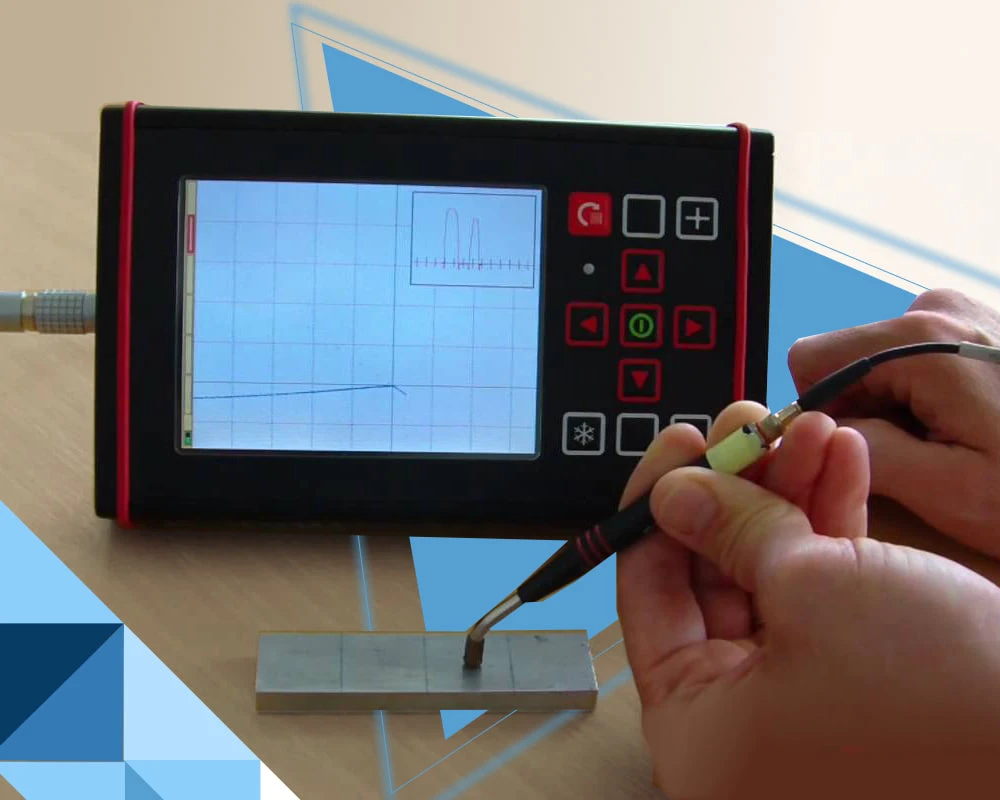
Many technical questions cannot be answered by one analytical method alone. Our laboratory can combine microscopy, spectroscopy, elemental mapping, chromatography and trace-level chemical analysis to build a more complete picture of a sample. For example, a change in mechanical performance may be related to composition, microstructure, surface condition, environmental exposure, or manufacturing history. Using complementary techniques allows scientists to compare observations, confirm suspected causes, and distinguish a true material issue from a processing or handling effect. This integrated approach is particularly valuable when samples are limited, when a product has failed unexpectedly, or when a new formulation must be compared with an established material. Where structural evidence is needed, our Contaminant Identification can also be paired with Advanced Microscopy to investigate related material characteristics and Trace Elemental Analysis when the project requires additional evidence about performance, degradation, or root cause.
Support for Product Development, Quality, and Failure Investigation
Testing is most valuable when the results can be translated into an engineering decision. During research and development, laboratory data can help teams compare candidate materials, refine formulations, establish acceptance criteria, and identify potential weaknesses before commercialization. During manufacturing, testing can support incoming inspection, batch-to-batch comparison, supplier qualification, and process troubleshooting. When a problem occurs in the field, a structured analytical program can help determine whether the cause is related to material selection, processing, contamination, environmental exposure, design, or service conditions. The resulting technical evidence can support corrective actions, design changes, warranty investigations, and long-term reliability programs.
Industries and Applications
Our Contaminant Identification capabilities can be adapted to the requirements of manufacturing defects, product complaints, process contamination, packaging issues and failure investigations. Each application may require different sample preparation, conditioning, analytical methods, or reporting criteria. Rather than applying a one-size-fits-all workflow, our technical team can define a testing plan around the material, the suspected failure mechanism, the applicable specification, and the decision the client needs to make. Results can be presented with clear observations, measurements, supporting images or analytical data, and technical interpretation so that engineering and quality teams can act on the findings.