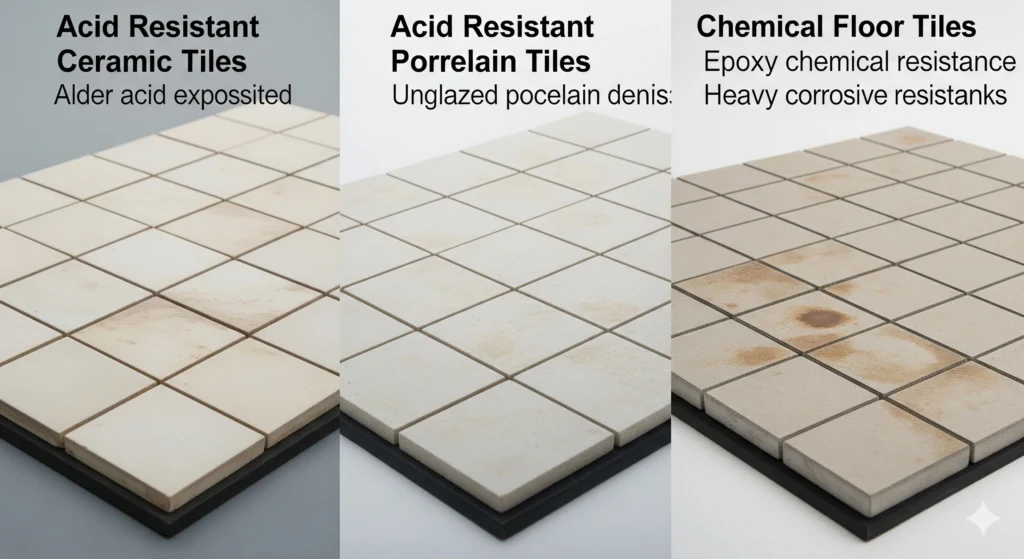
Ceramics, Refractories and Glass
Ceramics, Refractories and Glass materials play a critical role in industries that require exceptional thermal stability, wear resistance, chemical durability, and dimensional precision. From advanced engineered ceramics and refractory linings to specialty and architectural glass systems, these materials must perform reliably under extreme operating conditions while maintaining structural integrity and long-term durability.
At Genuine Testing we provide comprehensive Ceramics, Refractories and Glass testing services designed to evaluate mechanical performance, thermal resistance, chemical stability, and material reliability. As an independent materials testing laboratory and Contract Research Organization (CRO), we support manufacturers, aerospace suppliers, energy providers, construction firms, and research institutions with precise, standards-driven testing and validation programs.
Brittle materials are highly sensitive to microstructural flaws, porosity, thermal stress, and impact loading. Our integrated laboratory programs simulate real-world service environments to identify potential failure mechanisms before deployment in critical applications.
Our Capabilities in Ceramics, Refractories & Glass Testing
We provide specialized testing and analytical services to evaluate performance, compliance, and long-term reliability, including:
- Material Identification & Composition Analysis
- Glass Analysis & Chemical Characterization
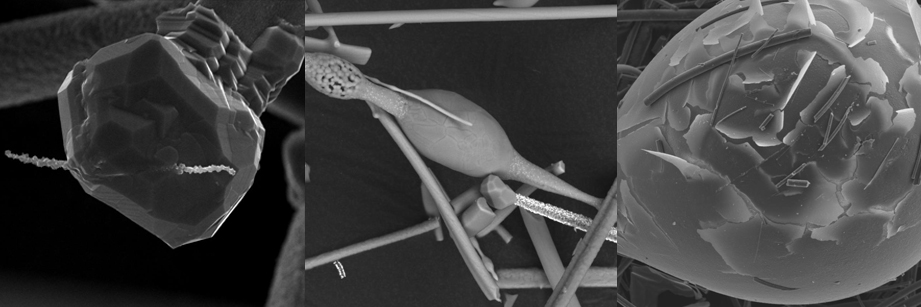
- Microstructure Evaluation
- Thermal & Mechanical Property Testing
- Failure Analysis & Root Cause Investigation
- Glass Materials Testing for structural and specialty applications
- High-temperature performance validation
- Corrosion and chemical resistance assessments
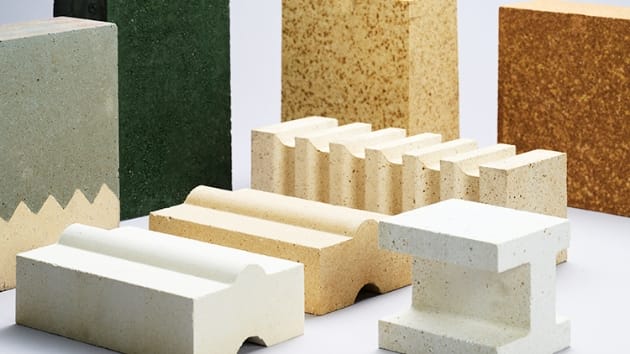
Materials We Test
Our laboratory works with a wide range of Ceramics, Refractories and Glass materials, including:
- Advanced technical ceramics
- Structural and insulating refractories
- Optical, architectural, and specialty glass
- Ceramic composites and engineered coatings
- Glazes and enamels
- Alumina, zirconia, silicon carbide, and related materials
- Heat-resistant and high-performance glass systems
Industries We Serve
Our Ceramics, Refractories and Glass testing services support applications across industries such as:
- Aerospace & Defense
- Electronics & Semiconductors
- Energy & Power Generation
- Automotive & Transportation
- Medical Devices & Healthcare
- Construction & Architecture
We collaborate closely with manufacturers, engineering teams, and research organizations to develop customized testing programs aligned with operational demands and regulatory requirements.
Mechanical Strength & Structural Integrity
Mechanical performance is essential for ceramic components, refractory systems, and glass structures exposed to thermal and structural stress. Because these materials are inherently brittle, hidden defects or stress concentrations can lead to sudden failure.
Our laboratory performs:
- Flexural strength testing
- Compressive strength evaluation
- Fracture toughness analysis
- Modulus measurement
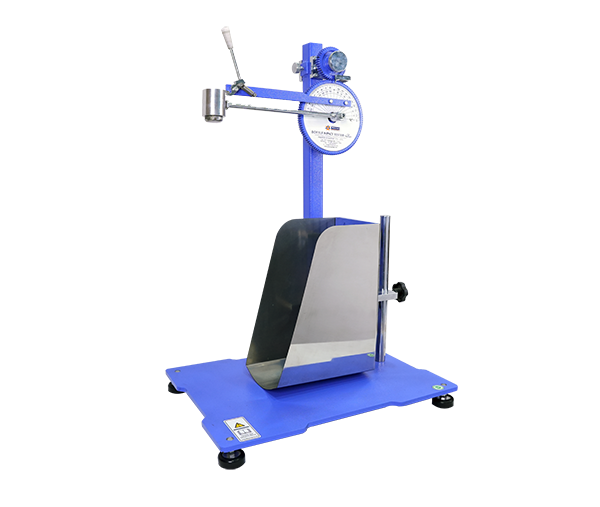
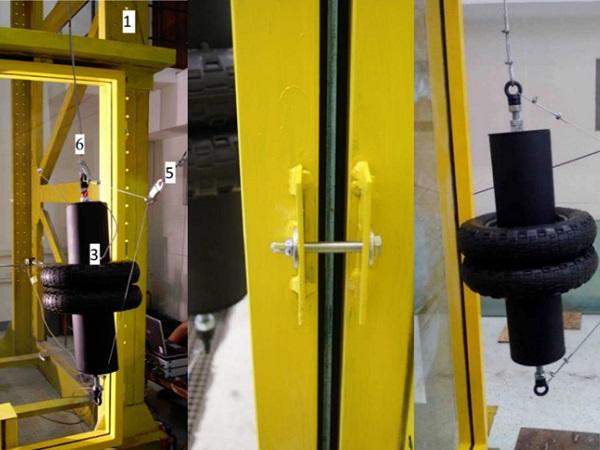
- Impact resistance testing
- Glass breakage and bending strength evaluation
For refractory materials, we conduct cold crushing strength testing and elevated-temperature load-bearing analysis to verify performance in high-temperature industrial environments.
Thermal Resistance & High-Temperature Performance
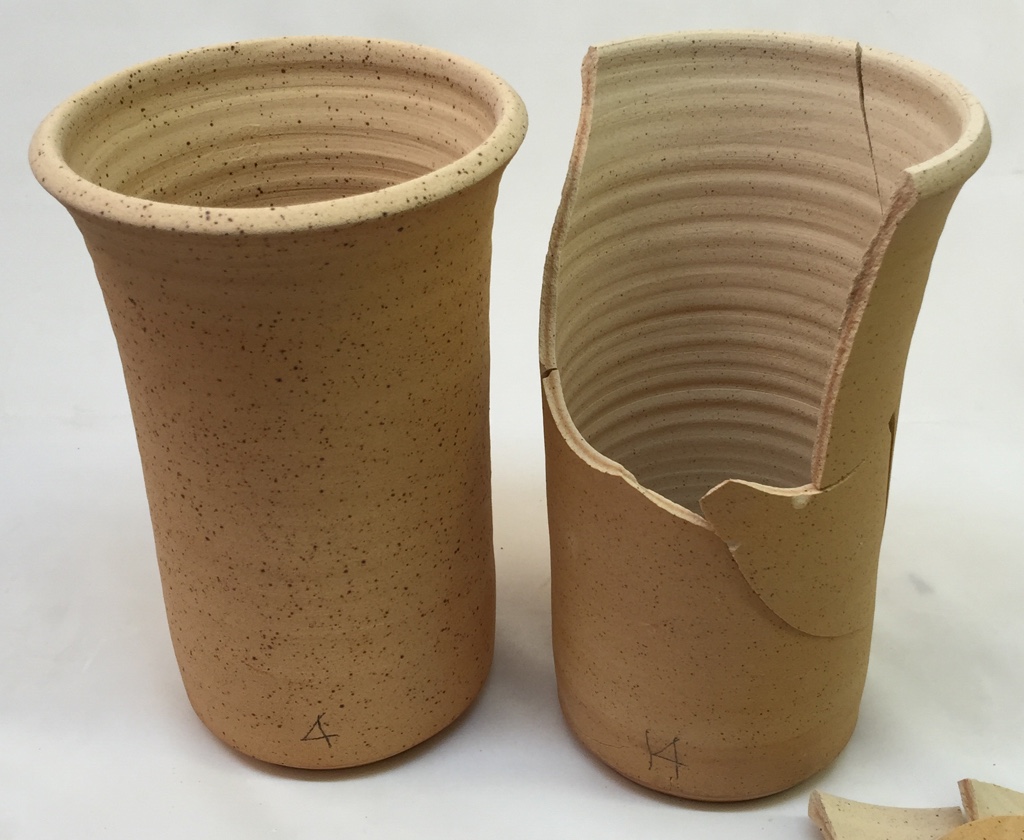
Thermal behavior defines the reliability of Ceramics, Refractories and Glass materials in demanding applications. Rapid temperature fluctuations, sustained heat exposure, and thermal cycling can result in cracking, spalling, or creep deformation.
Our thermal testing capabilities include:
- Thermal shock testing
- High-temperature furnace testing
- Dimensional stability analysis
- Softening behavior evaluation
- Coefficient of thermal expansion measurements
- Refractoriness under load testing
- High-temperature creep testing
These evaluations help predict long-term performance in furnaces, kilns, metallurgical systems, and high-heat industrial processes.
Chemical Resistance & Corrosion Testing
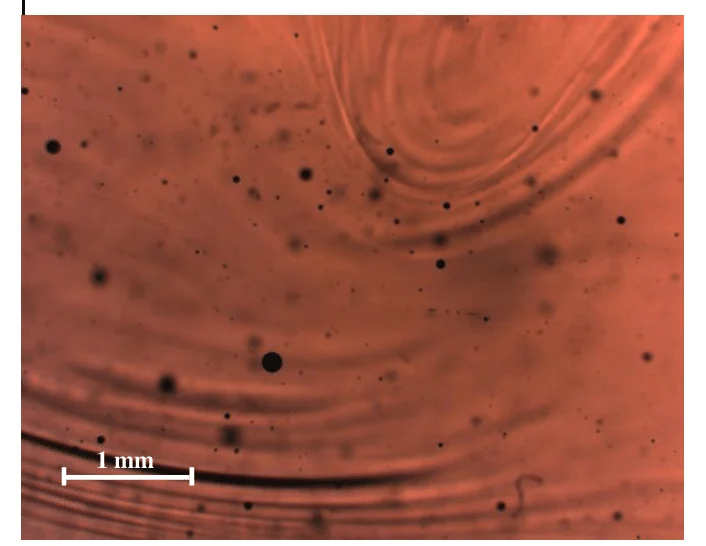
Ceramics and glass materials are often exposed to aggressive chemical environments involving acids, alkalis, molten metals, industrial gases, and slags. These conditions can significantly affect material durability and operational lifespan.
Our chemical resistance and Glass Analysis services evaluate:
- Weight change after exposure
- Surface degradation
- Chemical leaching resistance
- Mechanical property retention
- Slag and corrosion resistance
- Microstructural changes after chemical exposure
These assessments are particularly important for laboratory glassware, specialty industrial glass, refractory systems, and chemical processing applications. For complete elemental characterization of glass and ceramic compositions, our Chemical Analysis services include XRF and ICP-MS techniques capable of quantifying major, minor, and trace elemental content in complex ceramic and glass matrices.
Microstructural Characterization & Material Analysis
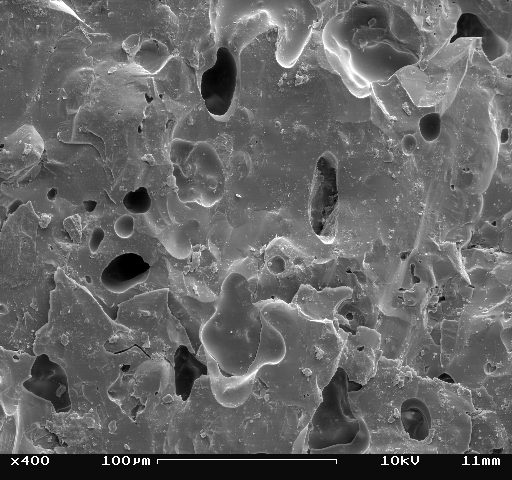
Microstructure directly influences the strength, thermal stability, and durability of brittle materials. Grain size distribution, porosity, crystalline phases, and bonding quality all affect material performance.
Our advanced analytical services include:
- Microscopy and imaging
- Porosity analysis
- Phase identification
- Cross-sectional analysis
- Defect detection
- Densification evaluation
- Grain bonding assessment
By combining Glass Materials Testing with microstructural analysis and thermal data, we help clients optimize manufacturing consistency and material performance. Our Advanced Microscopy laboratory provides SEM imaging, EDS elemental mapping, and optical microscopy specifically configured for brittle material analysis including ceramics and specialty glass.
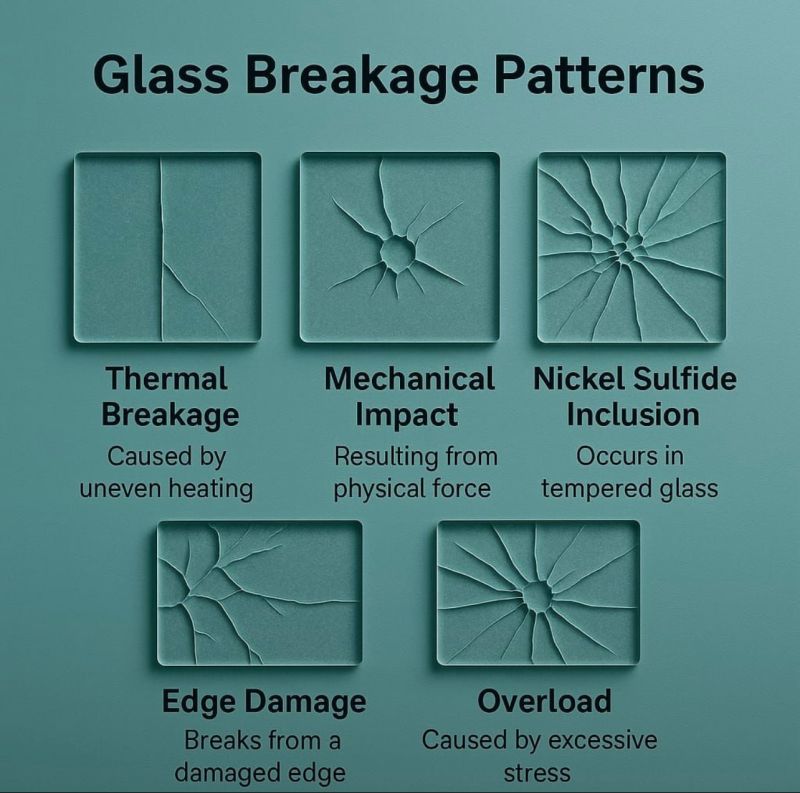
Glass Performance & Safety Evaluation
Glass systems used in architectural, automotive, industrial, and specialty applications must meet strict performance and safety standards. Thorough Glass Analysis ensures durability, structural reliability, and regulatory compliance.
Our Glass Materials Testing services include:
- Load and stress testing
- Impact resistance evaluation
- Fragmentation analysis
- Surface flaw assessment
- Dimensional stability testing
- Thermal performance analysis
- Safety and structural validation
These tests support glazing systems, façades, protective barriers, specialty industrial glass, and engineered safety glass applications.
Failure Analysis & Root Cause Investigation
Failures in Ceramics, Refractories and Glass materials often originate from microcracks, inclusions, thermal shock, improper installation, or mechanical overload. Because brittle materials fail with limited deformation, identifying root causes is essential for preventing recurring issues.
Our failure analysis programs integrate:
- Fractography
- Microstructural examination
- Mechanical testing
- Chemical analysis
- Crack propagation studies
- Defect characterization
Detailed reporting helps improve product design, manufacturing quality, installation practices, and long-term reliability.
Supporting Innovation in Advanced Ceramic & Glass Technologies
Advancements in engineered ceramics, high-performance refractories, and specialty glass technologies continue to expand industrial capabilities. As operational environments become more demanding, comprehensive testing and validation are increasingly important for ensuring durability, efficiency, and regulatory compliance.
At Genuine Testing, we design customized Ceramics, Refractories and Glass testing programs tailored to specific operational and environmental requirements. Our multidisciplinary expertise supports everything from raw material characterization through final product qualification.
Through independent testing, Glass Analysis, and advanced material evaluation services, we help organizations optimize performance, reduce operational risk, and deliver reliable solutions for high-temperature and structural applications.
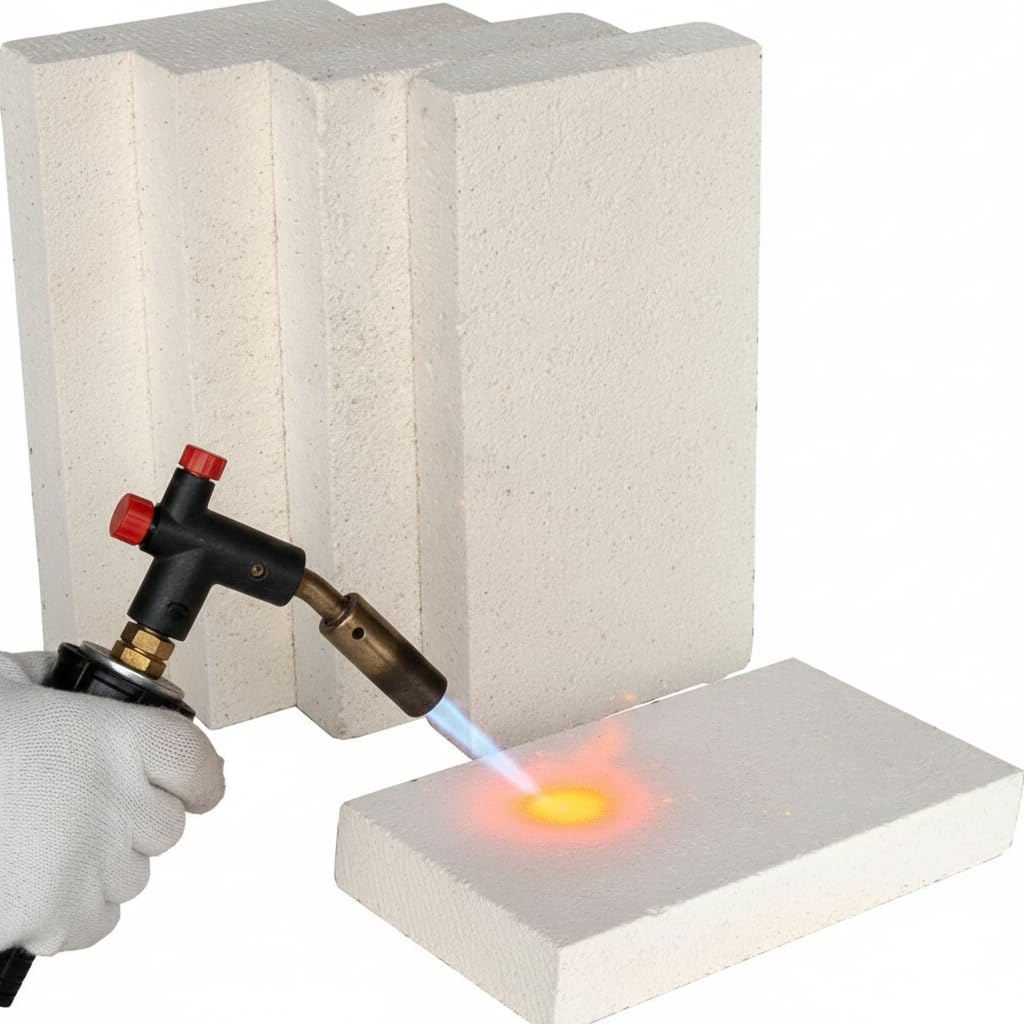
Thermal performance is a defining property of ceramics and refractories. Exposure to rapid temperature changes, sustained heat, or thermal cycling can induce cracking, spalling, or creep deformation.
We perform thermal shock testing to evaluate resistance to rapid temperature fluctuations. High-temperature furnace testing assesses dimensional stability, softening behavior, and structural integrity under prolonged heat exposure. Coefficient of thermal expansion measurements help predict compatibility between materials in multi-component systems.
For refractories used in kilns, furnaces, and metallurgical processes, we conduct creep testing and refractoriness under load evaluations to ensure performance under sustained high temperatures and mechanical stress.