
Metallurgical Analysis — A Complete Guide for Engineers, Quality Teams, and Manufacturers Working with Metals and Alloys
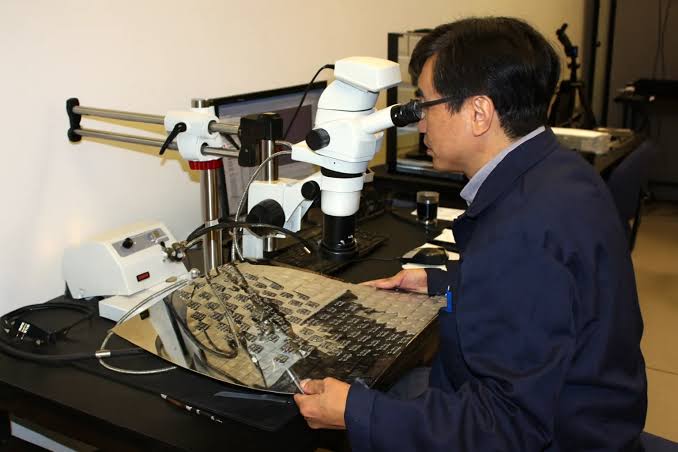
Metals are everywhere—from aircraft components and automotive parts to construction structures, medical devices, industrial machinery, and energy systems. Yet a metal component that looks flawless on the surface can contain microscopic defects, unexpected phases, contamination, or structural inconsistencies that may affect its performance.
This is where metallurgical analysis becomes essential.
Metallurgical analysis is the systematic examination of metals and alloys to understand their chemical composition, microstructure, physical characteristics, mechanical behavior, and potential causes of failure. Engineers and quality teams use this information to determine whether a material meets specifications, identify manufacturing problems, investigate failures, and improve product performance.
Rather than simply asking whether a metal component works, metallurgical analysis helps answer a more important question: Why does it perform the way it does?
By combining laboratory testing, microscopy, chemical analysis, and expert interpretation, manufacturers can uncover valuable information hidden within a material.
Why Metals and Alloys Require Detailed Analysis
Not all metals behave the same way. Even materials that share a similar appearance can have dramatically different properties because of differences in alloy composition, processing history, heat treatment, grain structure, or manufacturing conditions.
For example, two metal components may be produced from what appears to be the same alloy, but variations in composition or processing can result in differences in strength, hardness, corrosion resistance, or durability.
Metals and alloys must therefore be evaluated according to the requirements of their intended application.
Metallurgical analysis can help organizations:
- Verify material identity and composition
- Evaluate microstructure and grain characteristics
- Investigate premature component failures
- Identify defects and inclusions
- Assess corrosion and degradation
- Support quality control programs
- Compare materials or manufacturing processes
- Investigate unexpected mechanical behavior
- Validate supplier materials
- Support research and product development
For industries where safety and reliability are critical, understanding material behavior is not optional—it is a fundamental part of responsible engineering.
Materials Characterization: Looking Beyond the Surface
One of the most valuable aspects of modern laboratory testing is materials characterization. Instead of evaluating a material based solely on its external appearance or a single performance measurement, characterization examines multiple properties to build a comprehensive understanding of the material.
Materials characterization can involve chemical, physical, microscopic, and structural examination. Advanced microscopy, for example, can reveal features that cannot be identified through visual inspection alone.
Microscopic examination may help identify:
- Grain structure
- Phase distribution
- Cracks and fractures
- Inclusions
- Voids and porosity
- Surface abnormalities
- Corrosion products
- Manufacturing-related defects
When these observations are combined with other laboratory data, engineers gain a much clearer picture of how a material was produced, how it is behaving, and why it may be performing differently than expected.
Metallurgical Analysis in Failure Investigation
Material failure can be costly. A cracked component, fractured structure, corroded part, or prematurely worn surface can result in production delays, warranty claims, safety concerns, and expensive redesigns.
Simply replacing a failed component does not necessarily solve the underlying problem.
A professional metallurgical analysis can help determine the root cause.
Failure investigations may examine fracture surfaces, material composition, microstructure, contamination, corrosion, processing conditions, and other characteristics associated with the failure. The objective is to connect laboratory observations with the conditions under which the component was manufactured and used.
Potential contributing factors may include:
- Incorrect alloy composition
- Improper heat treatment
- Manufacturing defects
- Fatigue
- Corrosion
- Contamination
- Inclusions
- Excessive stress
- Poor processing conditions
- Material incompatibility
Identifying the actual cause allows organizations to take corrective action rather than repeatedly addressing the symptoms.
The Role of Chemical Analysis in Metallurgy
Chemical composition plays a major role in determining how Metals and alloys behave.
Even relatively small changes in the concentration of certain elements can influence hardness, strength, corrosion resistance, machinability, weldability, and other material characteristics.
Chemical and environmental analysis can therefore complement metallurgical investigations by helping determine what a material contains and whether its composition aligns with the expected specification.
This can be especially valuable when evaluating incoming raw materials, investigating unexpected test results, analyzing unknown materials, or researching product failures.
When chemical information is combined with microscopic and physical observations, it creates a stronger foundation for materials characterization.
Supporting Quality Control and Manufacturing
Metallurgical analysis is not limited to investigating failures after something goes wrong. It can also be an important preventive tool.
Manufacturers can use material analysis to verify incoming materials, monitor production consistency, investigate process variations, and confirm that components meet defined requirements.
For quality teams, reliable testing can provide objective evidence when making decisions about material acceptance, supplier performance, process changes, or product release.
This approach helps move quality management from reaction to prevention.
Instead of waiting for a component to fail in the field, manufacturers can identify potential material problems earlier and address them before they become larger operational or safety concerns.
Metallurgical Analysis for Research and Development
Innovation frequently depends on understanding materials at a deeper level.
Engineers developing a new product may need to compare different alloys, evaluate a new manufacturing method, investigate material compatibility, or understand how processing affects performance.
This is where laboratory-based materials characterization becomes a powerful R&D resource.
A detailed understanding of material structure and properties can help development teams select appropriate materials, optimize processes, investigate unexpected results, and improve product designs.
For companies working on advanced materials, composites, energy technologies, medical products, automotive components, or industrial applications, access to experienced scientific testing can shorten the path between an idea and a dependable product.
Why Choose Genuine Testing for Material Analysis?
At Genuine Testing, material testing combines scientific expertise, advanced laboratory capabilities, and a client-focused approach.
As a trusted Contract Research Organization (CRO), Genuine Testing supports industries that require dependable testing, research, and analytical solutions. Its laboratory capabilities include advanced microscopy, chemical and environmental analysis, battery materials analysis, contaminant identification, and other specialized testing services.
The team works with clients to understand their scientific and technical objectives before selecting appropriate methodologies and testing approaches. From sample evaluation through laboratory execution and data interpretation, the process is designed to provide accurate and actionable insights.
Genuine Testing’s approach is particularly valuable when a project requires more than a standard laboratory test. Complex material questions often require multiple analytical perspectives, careful methodology selection, and experienced scientific interpretation.
From Material Questions to Actionable Answers
Every material tells a story.
Its composition reveals what it is made of. Its microstructure shows how it was formed and processed. Its defects can reveal potential manufacturing problems. Its failure characteristics can provide clues about what went wrong. Together, these details can guide better engineering decisions.
Metallurgical analysis, metals and alloys testing, and materials characterization give engineers and manufacturers the evidence needed to understand those details.
Whether the objective is investigating a failed component, verifying a material, supporting quality control, developing a new product, or conducting advanced scientific research, the right laboratory partner can make the difference between simply collecting test results and gaining meaningful technical insight.
With advanced equipment, experienced professionals, rigorous methodologies, and a commitment to precision, Genuine Testing helps transform complex material questions into reliable scientific answers.
When material performance matters, testing should go deeper than the surface.