
How Material Durability Testing Helps Products Withstand Real-World Stress and Perform for the Long Run
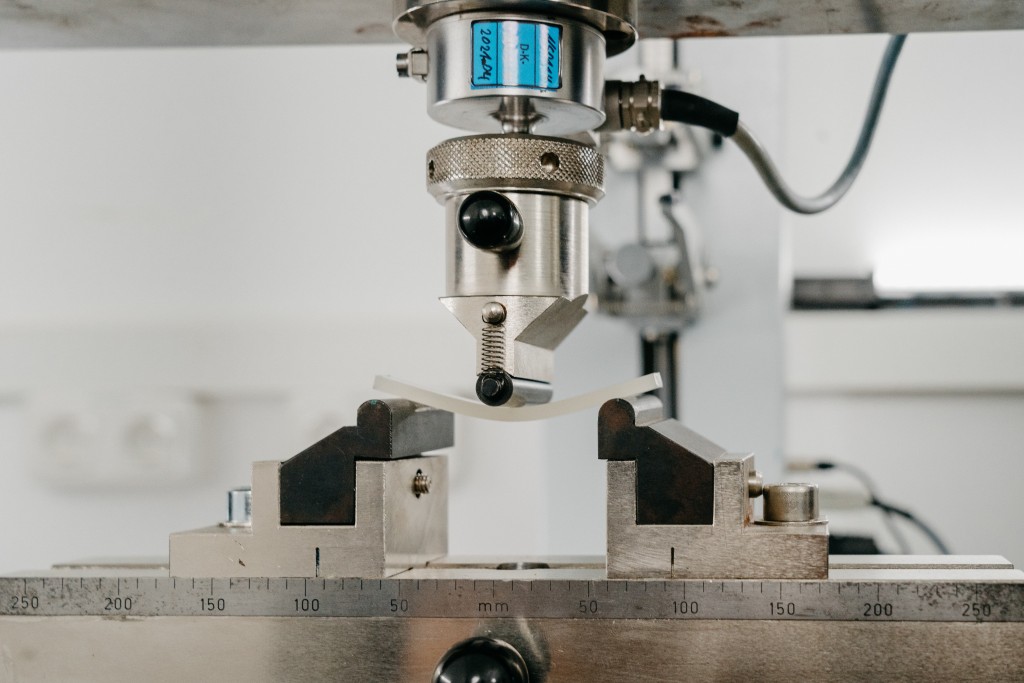
A product may look strong when it leaves the manufacturing facility, but appearance alone cannot determine how well it will perform over months or years of use. Materials can gradually lose strength, become brittle, deform, crack, wear down, or react to environmental conditions.
This is particularly important for products used in demanding environments. Automotive components encounter vibration and temperature fluctuations. Construction materials may face moisture, weather, and mechanical stress. Healthcare products often require consistent performance and resistance to challenging conditions. Industrial and energy applications can expose materials to chemicals, heat, pressure, and continuous mechanical loads.
That is where material durability testing becomes essential.
Durability testing provides manufacturers with valuable evidence about how a material behaves when exposed to conditions that simulate its intended application. Instead of waiting for a product to fail in the field, businesses can identify weaknesses during development and make informed improvements before production.
What Is Material Durability Testing?
Material durability testing is the systematic evaluation of a material’s ability to maintain its physical, mechanical, chemical, and functional properties over time.
Testing can be designed around the specific environment in which a material will operate. Depending on the project, researchers may evaluate characteristics such as:
- Resistance to repeated stress and loading
- Wear and abrasion resistance
- Response to temperature changes
- Moisture and environmental exposure
- Chemical resistance
- Surface degradation
- Cracking and deformation
- Changes in mechanical properties
- Long-term structural performance
The goal isn’t simply to determine whether a material survives one test. It is to understand how its properties change under realistic conditions and identify opportunities to improve its performance.
Plastic Durability Testing for Modern Product Development
Plastics have become indispensable across automotive, construction, electronics, healthcare, packaging, consumer products, and industrial applications. Their versatility, lightweight characteristics, and ability to be engineered for specific applications make them valuable alternatives to many traditional materials.
However, not every plastic performs the same way under long-term exposure.
Plastic durability testing helps manufacturers investigate how polymer-based materials respond to the stresses and environmental conditions they are expected to encounter.
For example, prolonged exposure to heat can affect certain plastics, while ultraviolet radiation may cause surface degradation. Chemicals, moisture, mechanical loading, and repeated use can also influence performance.
Testing can help answer important questions:
- Will the plastic retain its strength after prolonged exposure?
- Does repeated stress cause cracking or deformation?
- How does temperature affect its physical properties?
- Can the material withstand its intended chemical environment?
- Will surface characteristics change over time?
- Does the material continue to meet performance requirements after aging?
These insights can help engineers select more appropriate materials, modify formulations, improve product designs, and establish realistic performance expectations.
Rubber Durability Testing for Flexible and High-Stress Applications
Rubber materials are designed to provide flexibility, resilience, sealing, cushioning, vibration control, and resistance to various forms of mechanical stress. They are widely used in automotive components, industrial seals, hoses, gaskets, medical applications, machinery, and numerous engineered products.
But rubber can experience significant changes throughout its service life.
Rubber durability testing evaluates how rubber materials respond to repeated mechanical and environmental challenges. Depending on the application, testing may examine resistance to wear, cracking, deformation, temperature, chemicals, aging, and other factors.
A rubber component that performs well under controlled conditions may behave differently after extended exposure to heat, moisture, chemicals, or repetitive loading. Understanding these changes can be critical when the component is responsible for sealing, absorbing vibration, maintaining pressure, or protecting other parts.
Through appropriate laboratory testing, manufacturers can gain deeper insight into material behavior and use that information to develop more dependable products.
Turning Laboratory Data Into Better Product Decisions
Testing is most valuable when the resulting data can guide practical decisions.
At Genuine Testing, laboratory analysis is supported by experienced scientific professionals, advanced instrumentation, and carefully developed methodologies. The objective is to provide more than isolated test results. Research and analysis can help clients understand what the findings mean for their materials, products, and development goals.
This approach can support several stages of product development.
Material Selection
When multiple materials appear suitable for an application, durability data can help engineers compare their performance and select the option that offers the right balance of reliability, cost, and functionality.
Product Improvement
If testing identifies weaknesses, manufacturers can investigate alternative formulations, designs, coatings, processing methods, or material combinations.
Quality Assurance
Durability testing can provide valuable information for maintaining consistent material and product performance and identifying potential issues before they reach customers.
Research and Development
During R&D, laboratory testing helps transform scientific hypotheses into measurable evidence. This can reduce uncertainty and provide a stronger foundation for engineering decisions.
Regulatory and Industry Requirements
Many industries operate under strict standards and performance expectations. Reliable laboratory data can help organizations evaluate whether their materials and products satisfy applicable requirements.
A Scientific Approach From Sample to Solution
Effective testing begins long before a sample is placed into an instrument.
At Genuine Testing, projects start with understanding the client’s objectives and the questions that need to be answered. Scientific advisors can help determine appropriate testing strategies, methodologies, and protocols based on the material and intended application.
The process generally moves through several important stages:
- Understanding the Testing Objective
The team identifies the material, product, application, expected environment, and specific performance questions. - Developing the Methodology
Appropriate testing techniques and protocols are selected according to the scientific and project requirements. - Laboratory Execution
Samples are evaluated using advanced equipment and controlled procedures designed to generate dependable results. - Data Analysis and Interpretation
The resulting data is analyzed to identify meaningful patterns, changes, and performance characteristics. - Actionable Findings
Results are communicated in a way that helps clients make informed decisions about material selection, product design, quality, or further research.
This structured approach helps turn laboratory testing into a practical development tool.
Why Durability Testing Matters Before Products Reach the Market
A material failure can have consequences far beyond replacing a defective component. Product recalls, warranty claims, production delays, safety concerns, damaged reputations, and customer dissatisfaction can all result when materials fail unexpectedly.
Investing in durability testing during development can help manufacturers identify potential problems earlier.
It can also encourage a more proactive approach to product engineering. Rather than asking whether a material works today, manufacturers can investigate how it is likely to perform after repeated use and environmental exposure.
That distinction can make a significant difference when developing products intended for long service lives.
Genuine Testing: Supporting Reliable Material Innovation
Genuine Testing brings together material testing expertise, scientific research capabilities, advanced laboratory infrastructure, and a client-focused approach to help organizations answer complex material questions.
Its capabilities extend across areas including advanced microscopy, chemical and environmental analysis, battery materials analysis, contaminant identification, and comprehensive laboratory research.
Whether a project involves material durability testing, plastic durability testing, rubber durability testing, or another specialized laboratory requirement, the right testing strategy can provide valuable insight into material behavior and product performance.
The laboratory’s commitment to precision, confidentiality, quality, and actionable research makes testing a practical part of the product-development process rather than simply a final checkpoint.
Build Products That Are Designed to Last
Durability is not something that should be discovered after a product reaches the market. It should be investigated, measured, and understood during development.
From plastics exposed to demanding environments to rubber components subjected to repeated stress, every material has its own performance characteristics and limitations. Advanced laboratory testing gives manufacturers the evidence they need to understand those characteristics and make better engineering decisions.
With Genuine Testing, businesses can access scientific expertise and laboratory capabilities designed to turn complex material questions into meaningful insights. By incorporating material durability testing, plastic durability testing, and rubber durability testing into product development, manufacturers can move closer to creating products that are safer, more reliable, and capable of delivering consistent performance throughout their intended service life.