genuinetesting

Battery Materials Analysis

Battery performance, safety, and lifecycle durability are fundamentally linked to the properties of their constituent materials. From cathode crystal structure and anode morphology to electrolyte stability and interfacial chemistry, every component influences capacity, conductivity, thermal behavior, and long-term reliability. As global demand for electric vehicles, renewable energy storage, portable electronics, and grid-scale systems grows, high-precision materials characterization has become essential.

Genuine Testing provides comprehensive battery materials analysis services to support research and development, manufacturing quality control, failure investigation, and regulatory validation. As an independent materials testing laboratory and Contract Research Organization (CRO), we deliver objective, high-resolution data that accelerates product development and ensures performance confidence across lithium-ion and next-generation battery technologies.

Why Choose Genuine Testing for Battery Materials Analysis?

  • Comprehensive Material Insights

    We analyze the microstructure, composition, and chemical states of battery materials to help you understand failure modes, degradation mechanisms, and material interactions.

  • Wide Range of Techniques

    Our expertise includes high-resolution imaging, elemental mapping, phase identification, and contamination detection — providing a full picture of your battery components at micro and nano scales.

  • Application-Focused Expertise

    Whether you are developing lithium-ion, solid-state, next-generation sodium, or hybrid batteries, our team is equipped to support your unique needs from R&D to production quality assurance.

  • Fast, Accurate, and Reliable Data

    We deliver actionable results quickly so you can make informed decisions and stay ahead of the competition.

  • Our Battery Materials Testing Capabilities

    We utilize a wide range of analytical techniques to examine critical battery components, including:

Elektrochemie der Batterien
Battery-Mfg

Our Battery Materials Testing Capabilities

We utilize a wide range of analytical techniques to examine critical battery components, including:

  • Cathodes: material phase distribution, grain size, and elemental composition.
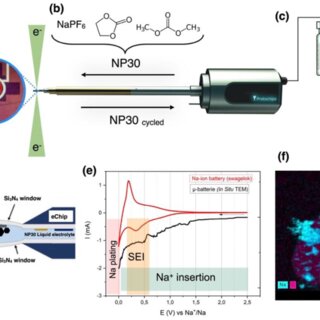
  • Anodes: morphology, lithium plating detection, and SEI (solid electrolyte interface) analysis.
  • Electrolytes: impurities, decomposition products, and compatibility with electrodes
  • Separators: porosity, thickness uniformity, and chemical stability.
  • Separators: porosity, thickness uniformity, and chemical stability.

Typical methods include: 
✅ Scanning Electron Microscopy (SEM)
✅ Transmission Electron Microscopy (TEM)
✅ Energy Dispersive X-Ray Spectroscopy (EDS)
✅ X-Ray Diffraction (XRD)
✅ Raman & Infrared Spectroscopy
✅ Surface analysis techniques (XPS, TOF-SIMS)

Industries We Serve

Our battery materials analysis services cater to a wide range of industries, including:

  • Electric Vehicles & Transportation — Improving battery safety, longevity, and performance for EV applications.
  • Consumer Electronics — Ensuring reliable power sources for mobile devices, laptops, and wearables.
  • Renewable Energy & Storage — Supporting the development of grid-level energy storage solutions.
  • Research & Development — Collaborating with academic and industrial R&D labs to advance next-generation battery technologies.

No matter where you are in the battery development lifecycle, Genuine Testing provides the expertise, tools, and data you need to power progress.

Battery Materials Analysis
Battery-Mfg

Cathode Material Characterization

Cathode materials largely determine energy density, voltage, cycle life, and thermal stability. We provide in-depth structural and compositional analysis of widely used chemistries such as lithium nickel manganese cobalt oxides (NMC), lithium iron phosphate (LFP), and other layered or spinel structures.

Our services include:

  • Particle morphology and size distribution analysis

  • Microstructural imaging (SEM and TEM)

  • Elemental mapping and compositional verification

  • Phase identification and crystallographic assessment

  • Coating uniformity and surface treatment evaluation

Understanding cathode degradation mechanisms—such as structural collapse, metal dissolution, and phase transitions—enables improved cycle stability and safety optimization.

Anode Materials Evaluation

Anode materials influence charge acceptance, rate capability, and structural stability during cycling. Traditional graphite systems, silicon-enhanced composites, and advanced carbon-based materials require precise structural and interfacial analysis.

We evaluate:

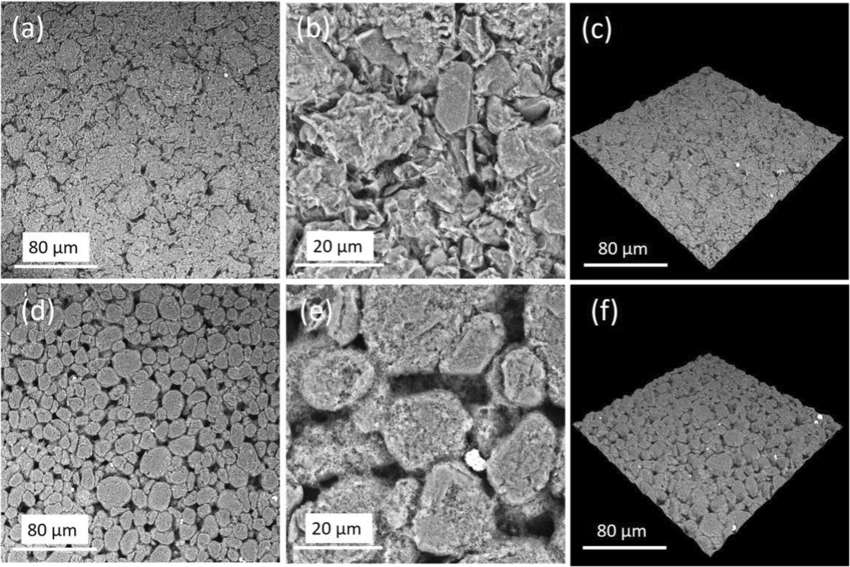
  • Particle morphology and porosity

  • Surface roughness and structural integrity

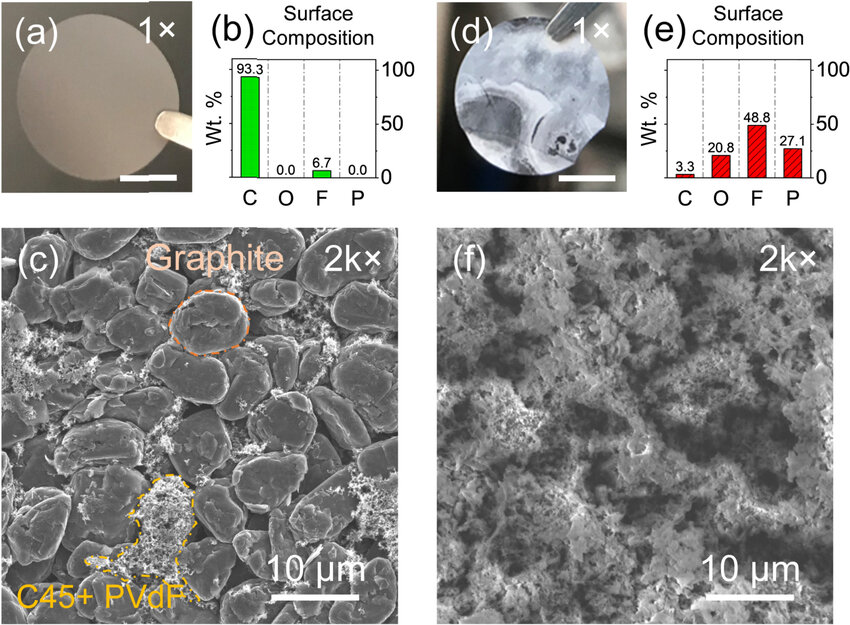
  • Solid electrolyte interphase (SEI) layer formation

  • Volume expansion and cracking behavior

  • Contaminant detection and impurity analysis

High-resolution microscopy and chemical analysis allow detailed understanding of capacity fade, lithium plating, and mechanical degradation.

Anode Materials Evaluation
Electrolyte & Separator Analysis

Electrolyte & Separator Analysis

Electrolytes and separators play critical roles in ionic conductivity, thermal stability, and safety performance. Decomposition, contamination, or structural irregularities can significantly affect battery lifespan and safety.

Our laboratory performs:

  • Electrolyte composition and purity analysis

  • Thermal stability assessment

  • Degradation product identification

  • Separator pore structure and thickness analysis

  • Surface contamination and defect inspection

These evaluations ensure optimized ion transport while maintaining mechanical and thermal resilience.

Interfacial & Cross-Sectional Analysis

The interfaces between cathode, anode, electrolyte, and current collectors are often the origin of performance loss and failure.

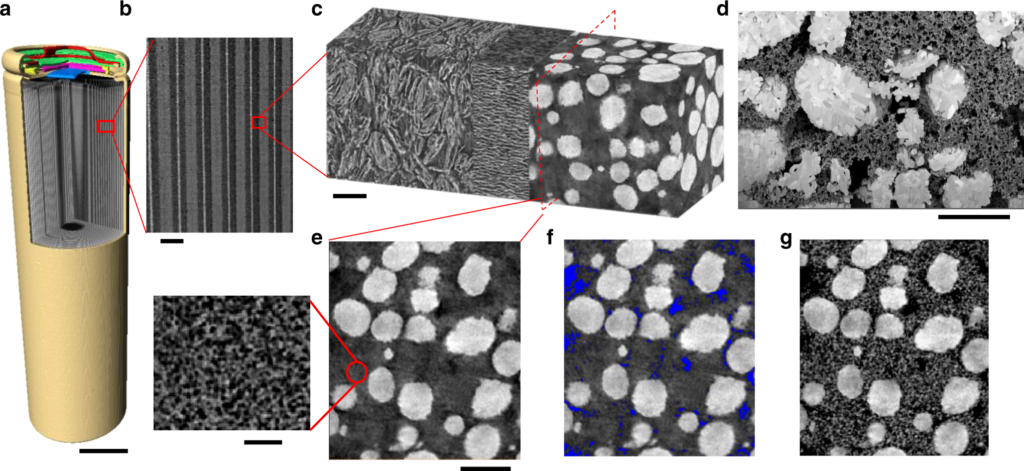
We conduct detailed cross-sectional and interfacial imaging to assess:

  • Electrode coating thickness and uniformity

  • Binder distribution and adhesion

  • Layer delamination and void formation

  • Microcrack development during cycling

  • Structural changes after aging or stress testing

Precise interfacial evaluation improves electrode design, manufacturing consistency, and long-term reliability.

Interfacial & Cross-Sectional Analysis
Battery Failure Analysis

Battery Failure Analysis

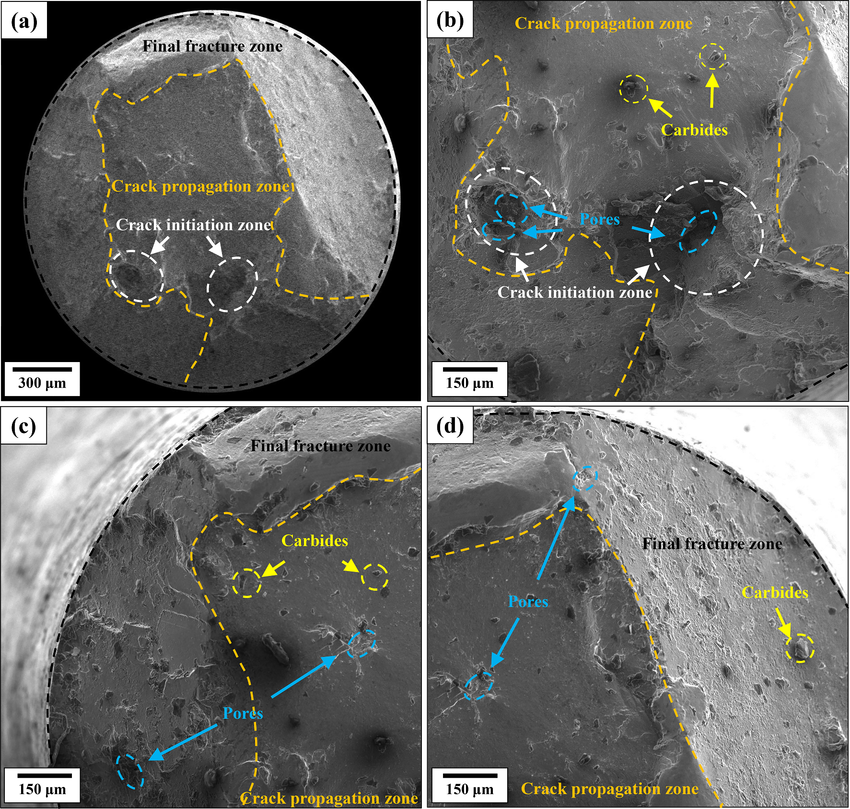
Failure analysis is essential for identifying the root causes of capacity loss, internal short circuits, swelling, thermal events, and premature degradation.

Our failure investigations include:

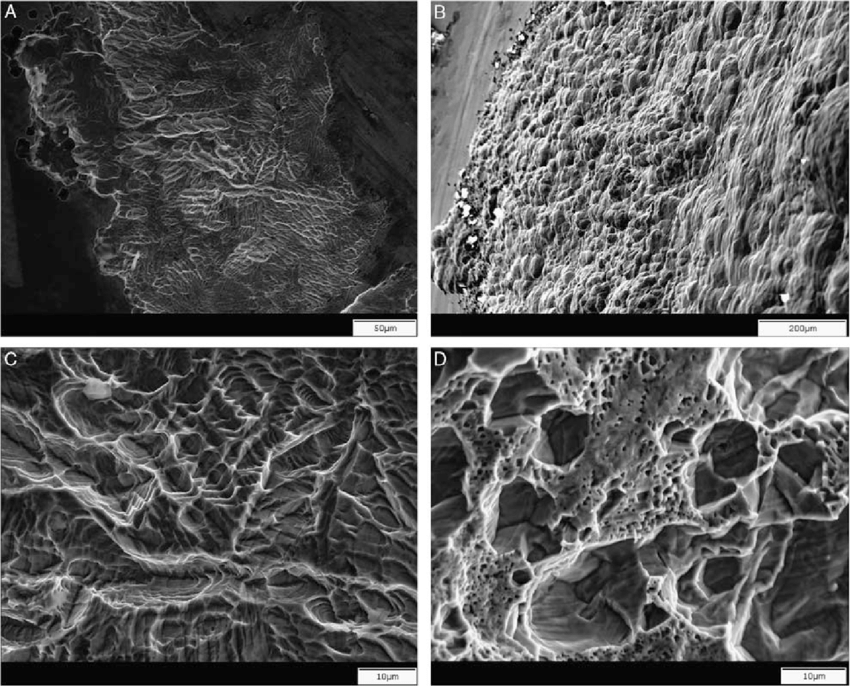
  • Fractography and crack propagation analysis

  • Dendrite formation detection

  • Thermal damage assessment

  • Contaminant and impurity identification

  • Post-mortem structural and compositional analysis

By combining imaging, elemental mapping, and materials testing data, we deliver clear root-cause conclusions and actionable recommendations.

Research, Manufacturing & Quality Support

Battery materials analysis supports multiple stages of product development and production:

  • Research & Development validation

  • Pilot-scale material qualification

  • Manufacturing quality control

  • Supplier verification

  • Regulatory documentation and certification support

Independent third-party testing strengthens product reliability, accelerates innovation, and enhances customer confidence.

Research, Manufacturing & Quality Support
Advanced Analytical Techniques

Advanced Analytical Techniques

Our battery materials analysis integrates multiple advanced techniques, including:

  • Scanning Electron Microscopy (SEM)

  • Transmission Electron Microscopy (TEM)

  • Energy-Dispersive Spectroscopy (EDS)

  • X-ray Diffraction (XRD)

  • Thermal analysis (TGA, DSC)

  • Surface chemistry characterization

This multi-technique approach ensures comprehensive understanding of structural, chemical, and thermal properties influencing performance.

Electrochemical Performance Correlation

Material structure alone does not determine battery success—electrochemical behavior must validate structural findings. We correlate physical and chemical characterization data with electrochemical performance metrics to create a complete materials profile.

Our electrochemical evaluation capabilities include:

  • Charge–discharge cycling analysis

  • Capacity retention and coulombic efficiency measurement

  • Rate capability testing

  • Electrochemical impedance spectroscopy (EIS)

  • Cyclic voltammetry (CV)

By linking microstructural features with cycling stability and resistance evolution, we help identify performance bottlenecks such as poor ion diffusion, unstable interphases, or conductive network degradation.

Electrochemical Performance Correlation

Electrochemical Performance Correlation

Material structure alone does not determine battery success—electrochemical behavior must validate structural findings. We correlate physical and chemical characterization data with electrochemical performance metrics to create a complete materials profile.

Our electrochemical evaluation capabilities include:

  • Charge–discharge cycling analysis

  • Capacity retention and coulombic efficiency measurement

  • Rate capability testing

  • Electrochemical impedance spectroscopy (EIS)

  • Cyclic voltammetry (CV)

By linking microstructural features with cycling stability and resistance evolution, we help identify performance bottlenecks such as poor ion diffusion, unstable interphases, or conductive network degradation.

Thermal Stability & Safety Assessment

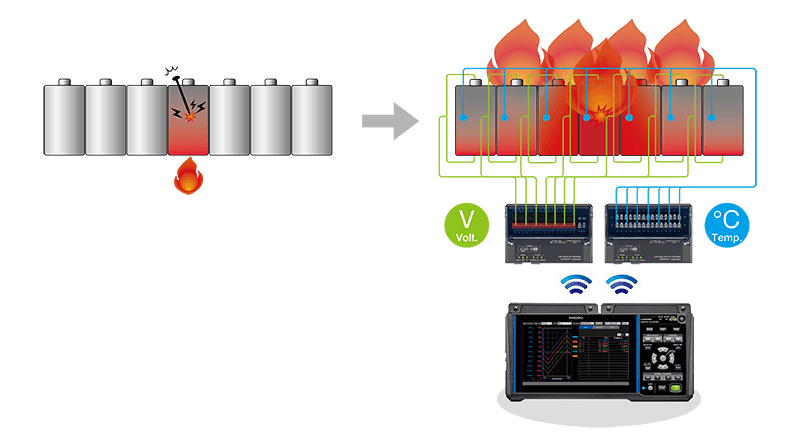
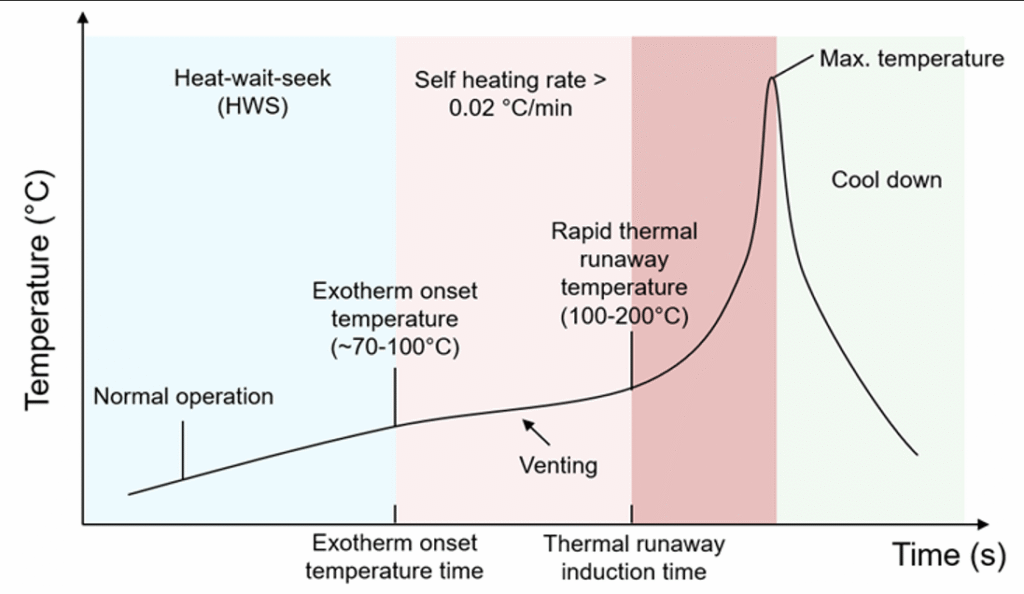
Battery safety is directly influenced by thermal behavior. Material decomposition, oxygen release, or unstable interfacial reactions can initiate thermal runaway events.

We conduct thermal stability testing to evaluate:

  • Onset temperatures of decomposition

  • Heat generation profiles

  • Oxidative stability of cathode materials

  • Electrolyte volatility and breakdown

  • Separator shrinkage and melting behavior

These insights support safer material design, improved formulation strategies, and enhanced compliance with industry safety requirements.

Optical Microscopy & Surface Examination
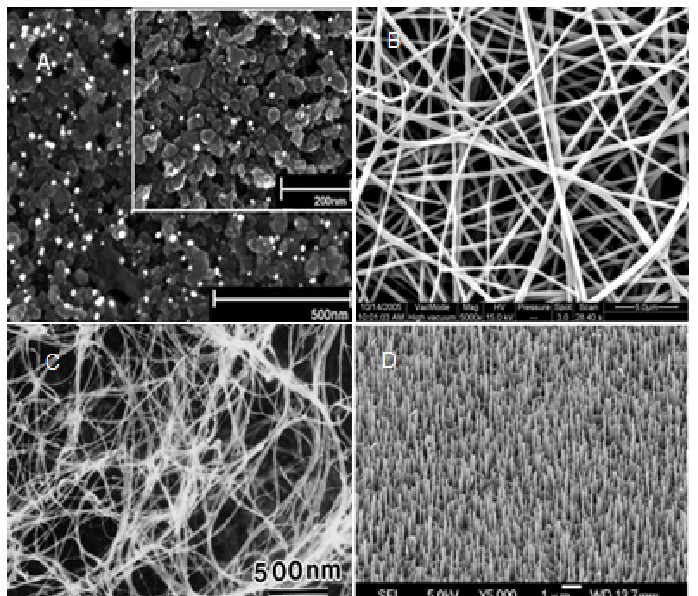
Nanomaterials & Advanced Functional Systems
Solid-State & Next-Generation Battery Materials

Emerging battery technologies—such as solid-state systems, lithium-metal anodes, sodium-ion chemistries, and high-voltage cathodes—introduce new analytical challenges.

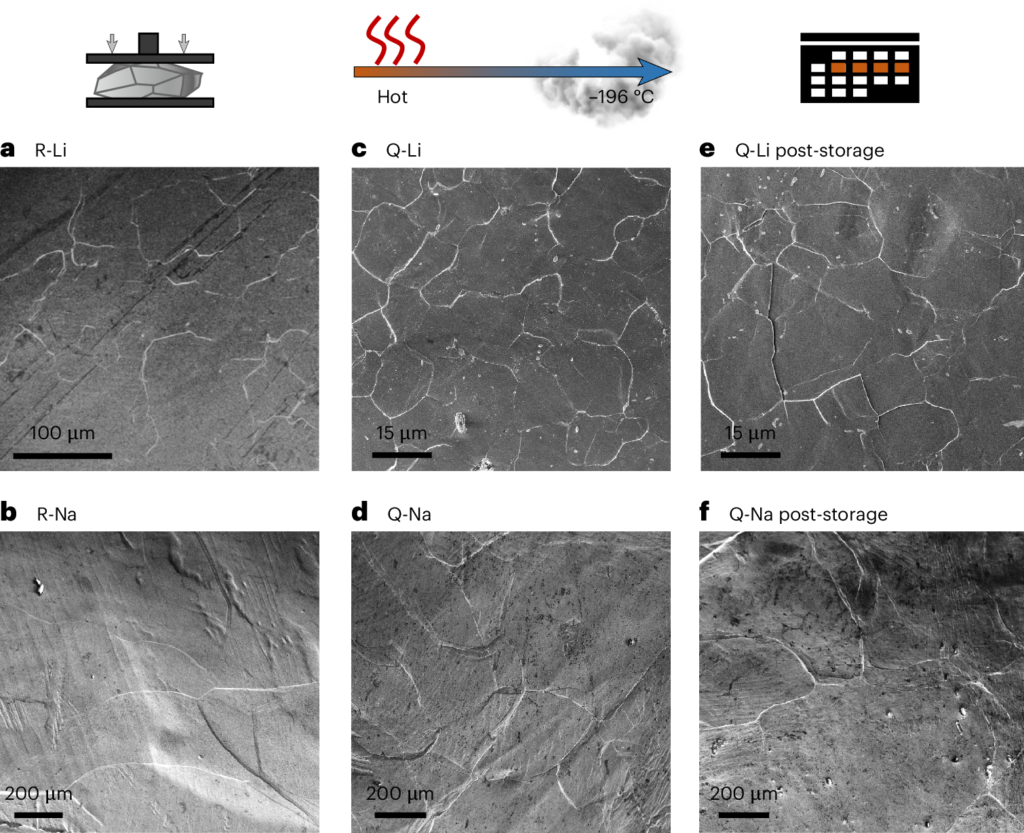
Solid electrolytes require dense microstructures, minimal grain boundary resistance, and strong interfacial bonding. Lithium-metal systems demand detailed dendrite detection and surface morphology monitoring to prevent short circuits.

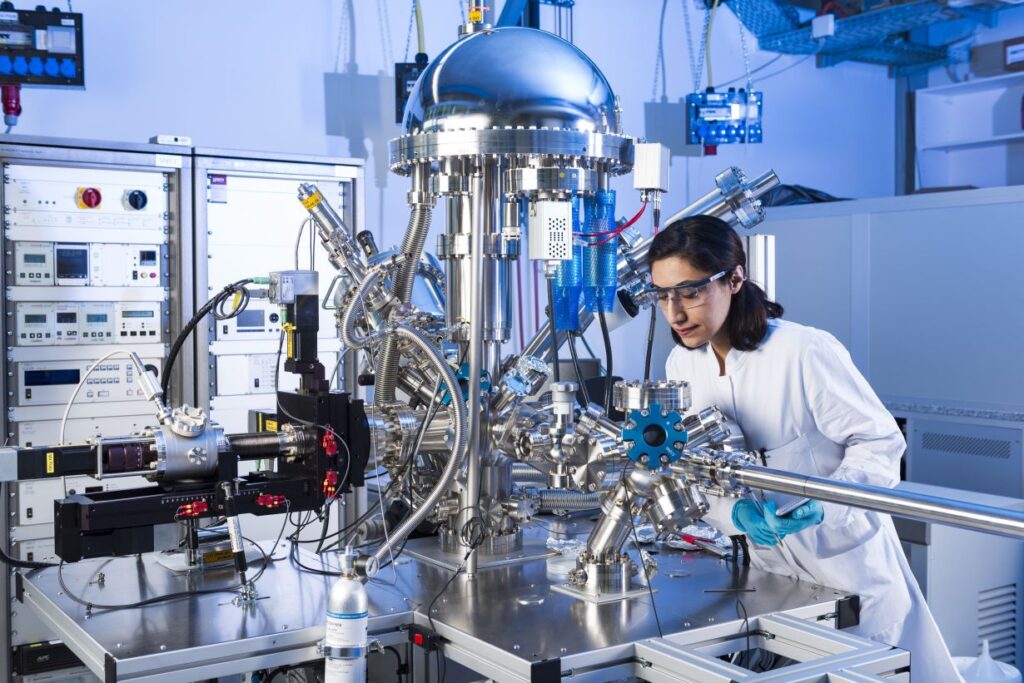
Our advanced microscopy and compositional analysis tools allow precise evaluation of:

  • Solid electrolyte densification

  • Grain boundary chemistry

  • Interfacial compatibility

  • Lithium deposition uniformity

  • Mechanical stability during cycling

These capabilities accelerate the development of safer, higher-energy-density next-generation batteries.

Contamination & Trace Element Detection

Even trace contaminants can significantly impact battery performance and lifespan. Metallic impurities, moisture intrusion, or cross-contamination during manufacturing may lead to self-discharge, gas generation, or internal short circuits.

We provide sensitive compositional analysis to detect:

  • Trace metal contaminants

  • Residual solvents

  • Moisture-related degradation

  • Processing residues

  • Surface impurities

Early detection supports improved quality control protocols and prevents costly field failures.

Quality Assurance & Regulatory Documentation
Supporting Next-Generation Energy Storage
As energy storage technologies evolve toward higher energy density, faster charging, improved safety, and longer cycle life, materials characterization becomes increasingly critical. Solid-state batteries, silicon-dominant anodes, high-nickel cathodes, and novel electrolyte systems demand precise structural and chemical insight. Genuine Testing’s Battery Materials Analysis services provide the high-resolution data and expert interpretation necessary to optimize materials performance, improve manufacturing processes, and ensure long-term reliability. Through advanced imaging, compositional analysis, and integrated materials testing, we help energy storage innovators transform laboratory breakthroughs into commercially successful, safe, and durable battery systems.
Scroll to Top