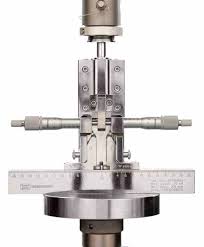
Composite Materials Evaluation Services
Composite materials are increasingly used in high-performance and lightweight applications due to their exceptional strength-to-weight ratio, design flexibility, and tailored performance characteristics. However, the complex, multi-phase nature of composites requires specialized testing and evaluation to fully understand their behavior under real-world conditions. At Genuine Testing, we provide comprehensive composite materials evaluation services to help organizations validate performance, ensure reliability, and meet demanding industry requirements. As a trusted Contract Research Organization (CRO), we support manufacturers, engineers, and R&D teams with advanced testing and scientific expertise for fiber-reinforced polymers, layered composites, and engineered composite systems. Our evaluations help reduce uncertainty, optimize designs, and ensure long-term structural integrity in critical applications.
Composite materials are typically composed of two or more distinct constituents, such as fibers and polymer matrices, that work together to create superior mechanical properties. While this combination offers significant advantages, it also introduces complexities in how the material behaves under stress, temperature variations, and environmental exposure. Our laboratories use advanced analytical techniques to study these interactions and evaluate the performance of composite materials across different conditions. By performing comprehensive evaluations, Genuine Testing helps manufacturers and researchers understand how composite structures respond to mechanical loads, environmental factors, and long-term usage. This knowledge supports better material selection, improved design strategies, and the development of high-performance products capable of meeting demanding industry requirements.
Understanding Composite Materials
Composite materials consist of two or more distinct constituents typically a reinforcement (such as fibers or particles) embedded in a matrix material to achieve properties that cannot be attained by individual components alone. Common composite systems include carbon fiber composites, glass fiber composites, and hybrid or multi-layer structures.
Key challenges in composite materials include:
Anisotropic mechanical behavior
Interfacial bonding between phases
Layer-to-layer consistency
Damage tolerance and failure progression
Environmental sensitivity
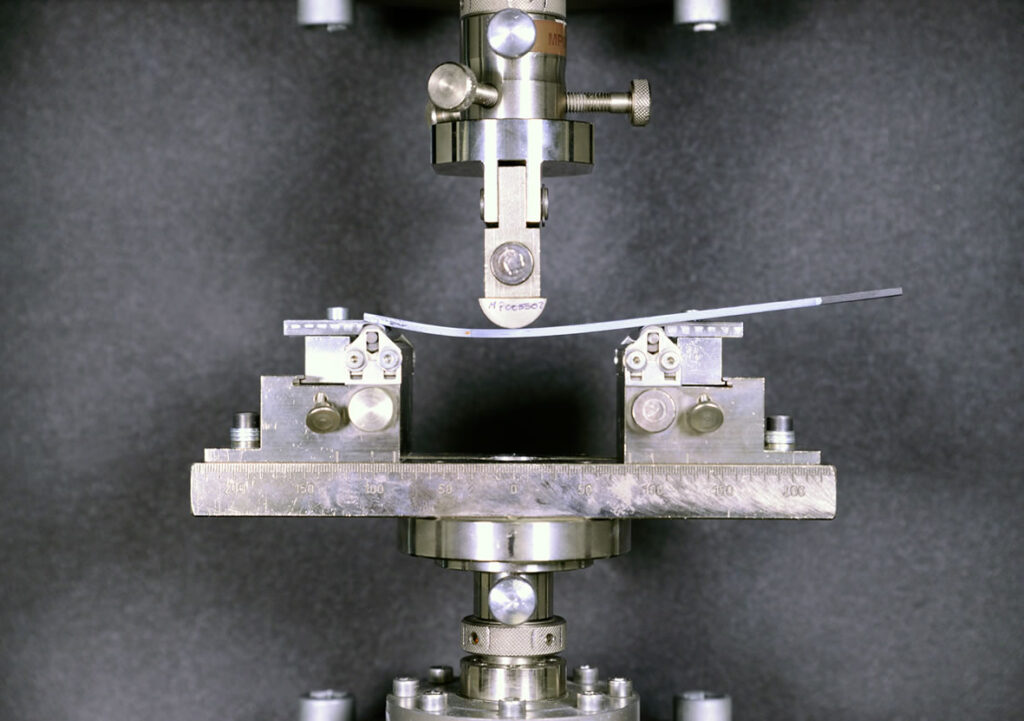
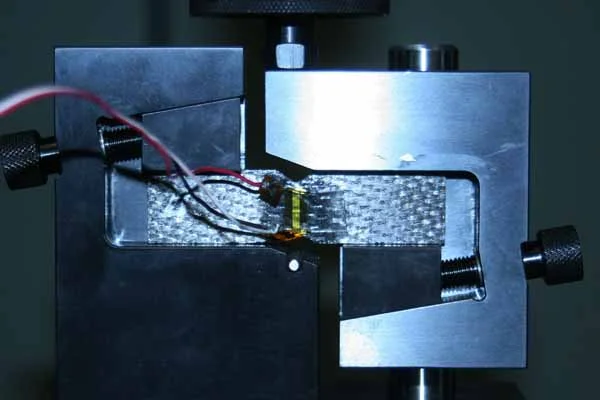
Our Composite Materials Evaluation Capabilities
Genuine Testing offers a broad range of composite materials evaluation services tailored to the specific material system, application, and service environment. Our laboratory combines mechanical testing, materials characterization, and failure analysis to deliver a complete understanding of composite performance.
Our composite evaluation capabilities include:
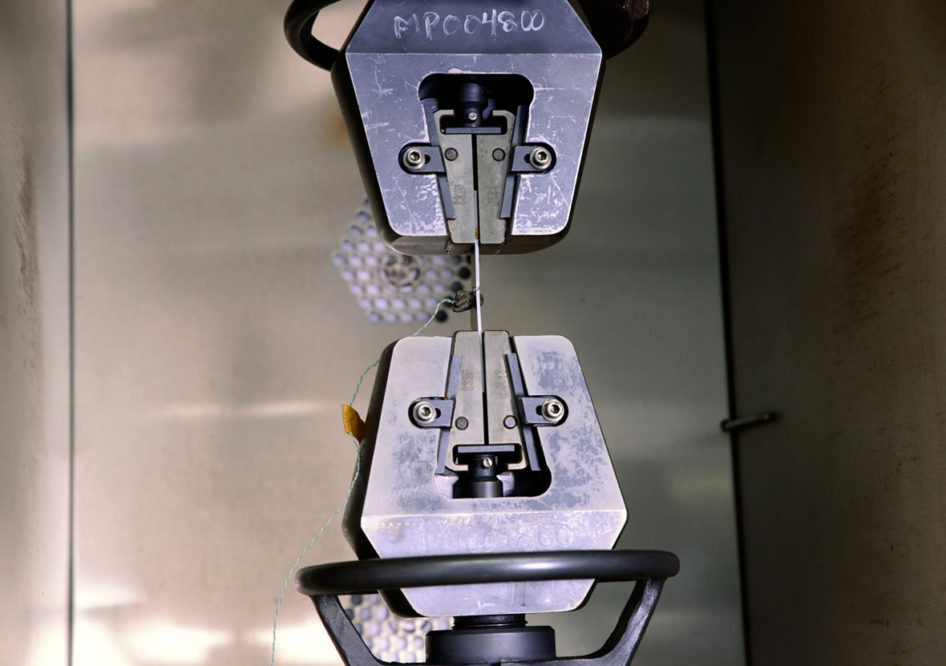
Mechanical property testing of composite laminates
Interlaminar strength and adhesion assessment
Flexural, tensile, and compressive performance evaluation
Damage tolerance and failure behavior analysis
Quality and consistency assessment across batches
Mechanical & Environmental Performance Analysis
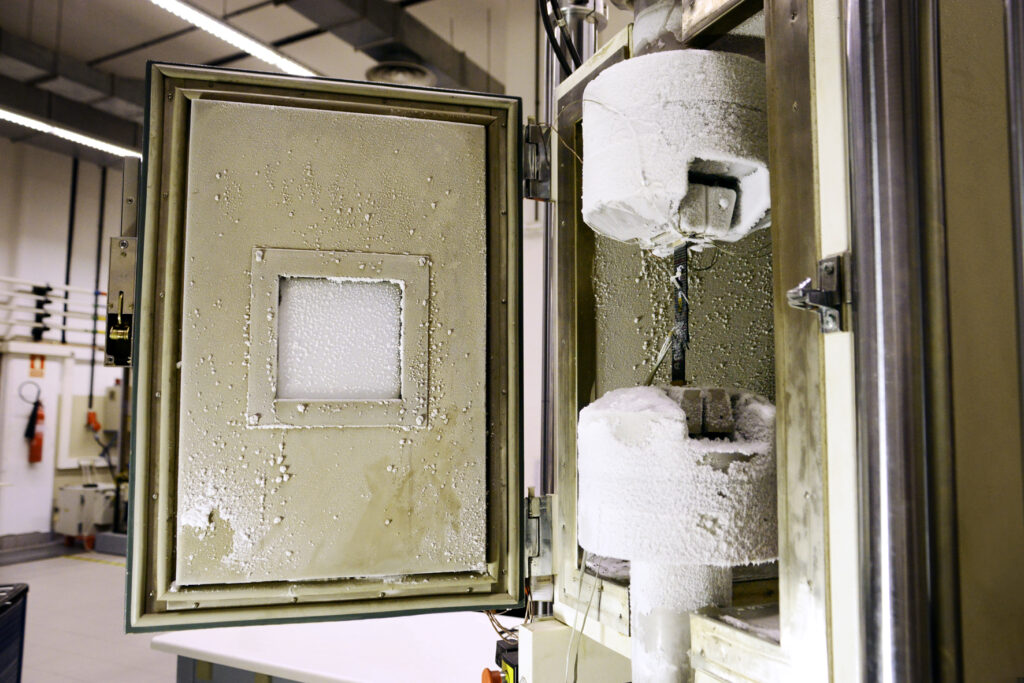
Composite materials often operate in demanding environments where mechanical loads are combined with temperature, moisture, or chemical exposure. At Genuine Testing, we evaluate how these factors influence composite behavior over time.
Our performance analysis may include:
Load-dependent deformation and strength evaluation
Assessment of matrix cracking and fiber failure
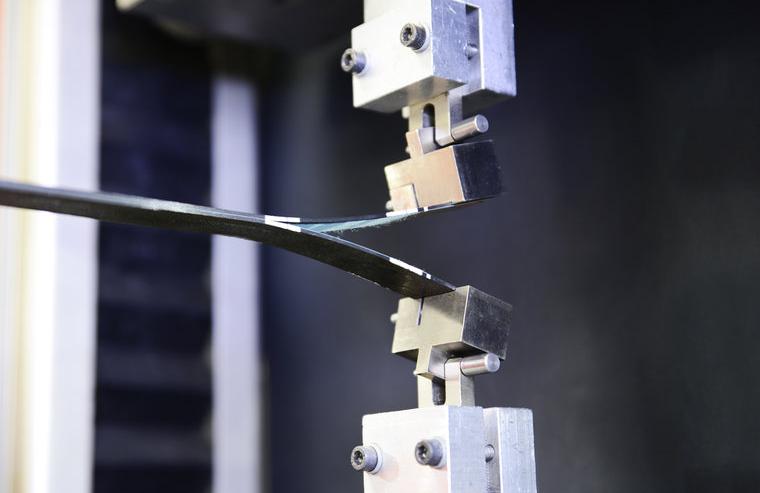
Evaluation of delamination and interfacial damage
Comparison of composite configurations and layups
Correlation of laboratory results with service conditions
Industries We Support
Composite materials evaluation is essential across industries where lightweight design, high strength, and reliability are critical. We support clients in a wide range of sectors, including:
Aerospace & Defense – structural composites and flight-critical components
Automotive & Transportation – lightweight panels and structural assemblies
Energy & Renewables – wind turbine blades and composite housings
Industrial Manufacturing – engineered composite components
Medical Devices – composite structures requiring strength and consistency
Our evaluations are tailored to industry-specific performance requirements and regulatory expectations.
Why Composite Materials Evaluation Is Critical
Unlike traditional materials, composite failure can be complex and progressive, making it difficult to detect without proper testing. Composite materials evaluation helps organizations:
Validate material performance and design assumptions
Identify manufacturing defects or inconsistencies
Improve safety margins and damage tolerance
Reduce risk of unexpected failures
Support certification and regulatory compliance
Early and thorough evaluation ensures composite materials deliver their intended benefits without compromising safety or reliability.
Why Choose Genuine Testing
Clients choose Genuine Testing for composite materials evaluation because of our deep technical expertise and CRO-level testing capabilities.
Our advantages include:
Experienced composite materials scientists and engineers
Advanced testing and analytical instrumentation
CRO-level confidentiality and data integrity
Customized evaluation programs
Clear, engineering-focused reporting
Alignment with global composite testing standards
We work collaboratively with clients to ensure evaluation results directly support design optimization, risk reduction, and successful commercialization.
Understanding the Structure and Composition of Composites
One of the most important aspects of composite material evaluation is understanding the internal structure and composition of the material. The performance of a composite depends not only on the individual properties of its components but also on how those components interact with each other at the microscopic level. Fiber orientation, matrix bonding, and interfacial strength all influence the overall mechanical behavior of the composite.
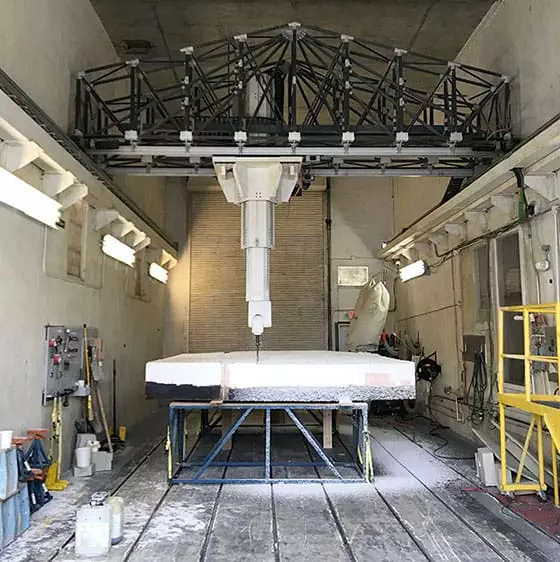
At Genuine Testing, our Composite Materials Evaluation Services include detailed analysis of fiber distribution, matrix composition, and bonding characteristics. Using advanced imaging and material characterization techniques, our scientists examine the internal structure of composite samples to identify potential weaknesses or irregularities. This level of analysis allows us to determine whether the manufacturing process has produced a consistent and reliable material.
Understanding the structural arrangement of composite materials is particularly important for applications where strength, flexibility, and weight optimization are critical. Aerospace components, automotive structures, and high-performance sporting equipment often rely on precise fiber alignment and uniform matrix bonding to achieve their desired properties. Our evaluation services help ensure that these materials meet strict performance standards before they are used in real-world applications.
Mechanical Performance Testing of Composite Materials
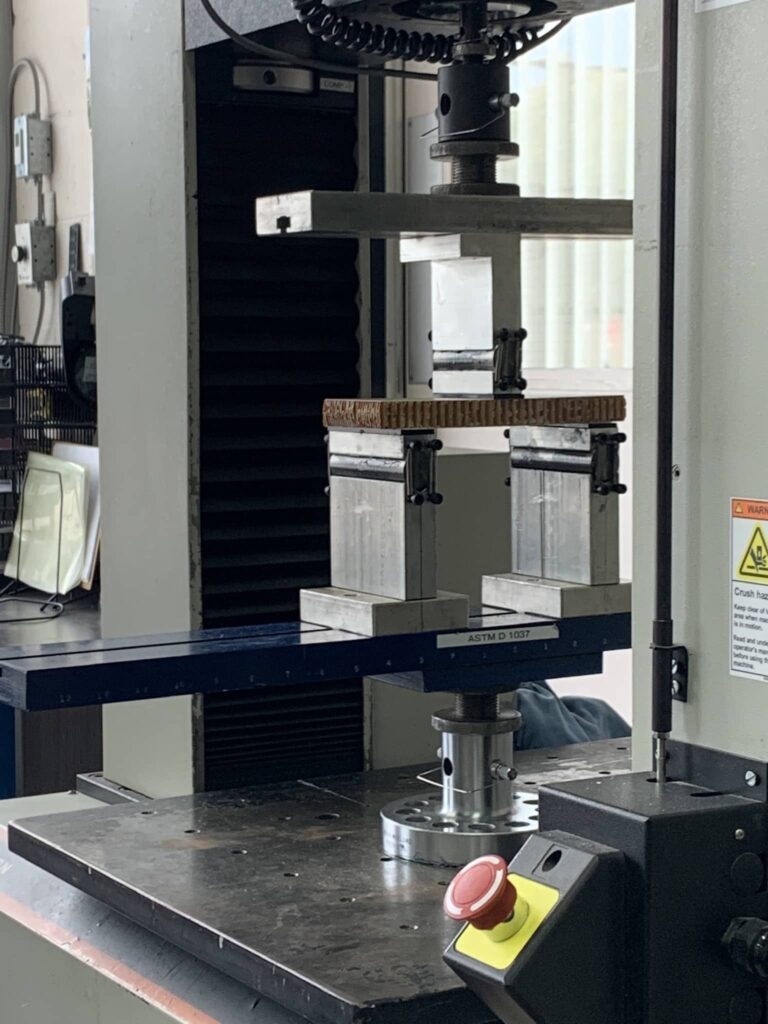
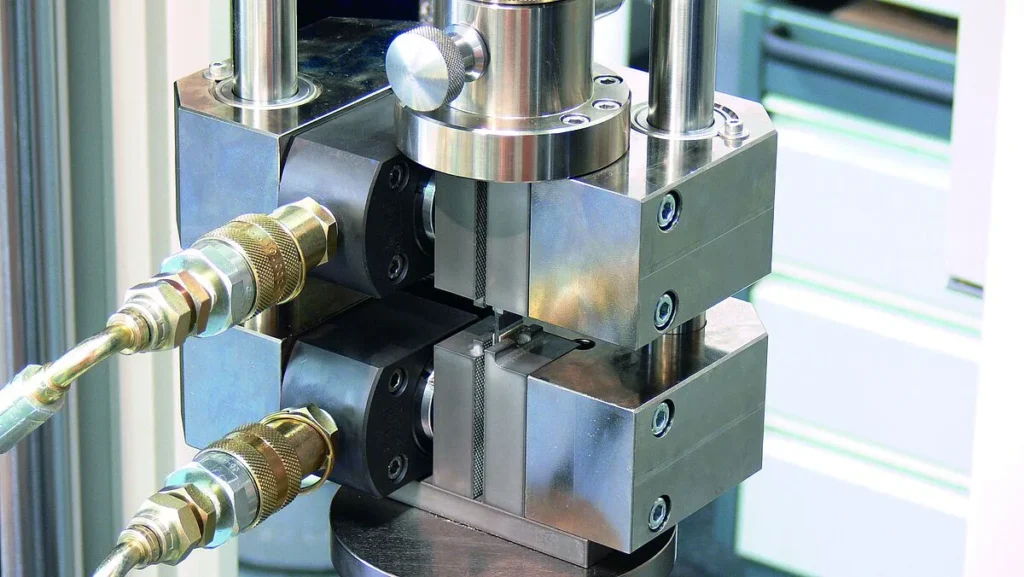
Mechanical performance is a key factor in determining the suitability of composite materials for engineering applications. Because composites are often used in load-bearing structures, it is essential to evaluate how they respond to forces such as tension, compression, bending, and impact. Genuine Testing conducts comprehensive mechanical evaluations as part of our Composite Materials Evaluation Services to measure these properties accurately.
Our laboratories simulate real-world operating conditions to observe how composite materials behave under different types of mechanical stress. These tests provide valuable information about the strength, stiffness, and fracture resistance of composite structures. By carefully analyzing the results, our engineers can determine how the material will perform in demanding environments.
Mechanical testing is especially important for industries where component failure could lead to serious safety risks. Aircraft structures, automotive frames, wind turbine blades, and structural panels must withstand significant loads while maintaining their integrity. Our testing services help manufacturers verify that their composite materials are capable of meeting these performance requirements while maintaining long-term reliability.
Environmental and Thermal Performance Evaluation
Composite materials are often exposed to challenging environmental conditions, including temperature fluctuations, humidity, ultraviolet radiation, and chemical exposure. These factors can influence the durability and structural stability of composite structures over time. Genuine Testing provides comprehensive environmental and thermal evaluations to assess how composite materials respond to these conditions.
During environmental testing, composite samples are exposed to controlled environments that replicate the conditions they may encounter during service. Our laboratories analyze how temperature changes, moisture absorption, and environmental stress affect the material’s structural properties. These tests help determine whether the composite will maintain its performance over long periods of exposure.
Thermal testing is particularly important for composites used in high-temperature environments or applications involving rapid temperature variations. By studying how composite materials expand, contract, or degrade under thermal stress, our experts provide insights that support better material selection and design decisions. This information helps manufacturers ensure that their products remain stable and reliable even under extreme operating conditions.