Corrosion Testing
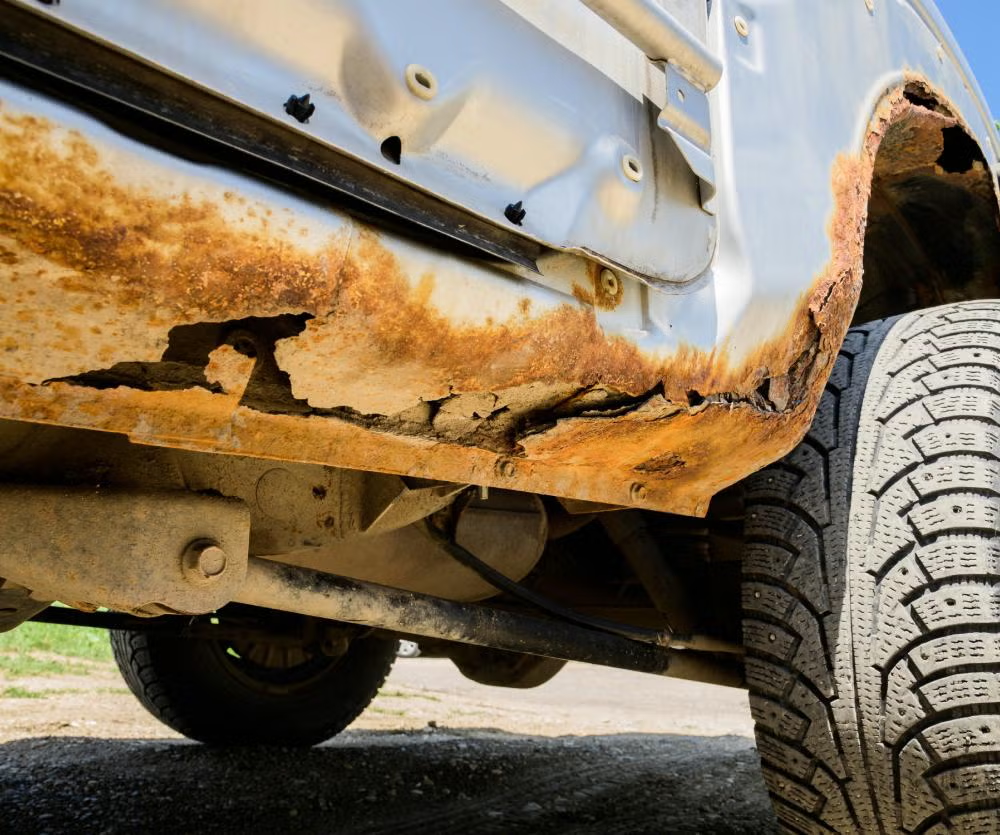
Corrosion is a natural but highly complex process in which materials, particularly metals, deteriorate due to chemical or electrochemical reactions with their surrounding environment. Although corrosion is often associated with rust on steel, the phenomenon can occur in a wide range of materials and environments, including metals, alloys, coatings, and engineered components exposed to moisture, chemicals, salts, or atmospheric conditions. Over time, corrosion can compromise structural integrity, reduce performance, and significantly shorten the lifespan of critical components.
In modern industries where materials are expected to perform reliably under demanding conditions, corrosion represents both a technical challenge and an economic concern. Infrastructure systems, transportation equipment, electronic components, energy systems, and medical devices all rely on materials that must resist degradation in aggressive environments. When corrosion occurs unexpectedly, it may lead to product failure, equipment downtime, safety hazards, regulatory issues, and costly maintenance or replacement.
Why Choose Genuine Testing for Corrosion Testing?
Expert Evaluation
Our experienced team provides detailed analysis and insights into corrosion mechanisms and rates.
Diverse Testing Methods
We offer a range of techniques to simulate real-world and accelerated corrosion conditions.
Applicable Across Industries
Our services support industries where corrosion resistance is critical, including oil & gas, aerospace, automotive, and marine.
Fast & Reliable Results
We deliver accurate, actionable data to help you make informed material and design decisions quickly.
Our Corrosion Testing Capabilities
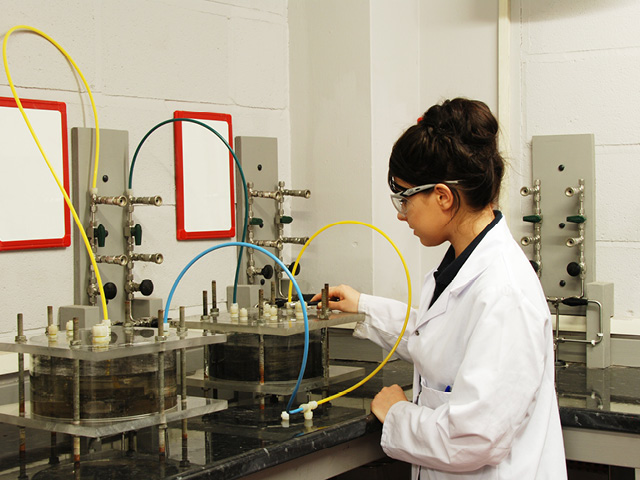
We perform corrosion testing analysis on a variety of materials and components, identifying their resistance to different environments, including:
- Salt spray and fog testing (ASTM B117)
- Humidity testing.
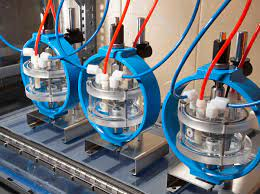
- Electrochemical corrosion testing (potentiodynamic polarization, impedance)
- Immersion and pitting corrosion studies
- Stress corrosion cracking evaluation
- Coating performance and adhesion testing
- Intergranular and galvanic corrosion studies
Applications & Industries
Our corrosion testing services support many industries and applications:
- Oil & Gas — Testing materials exposed to harsh chemicals and high salinity environments.
- Automotive & Aerospace — Evaluating coatings, fasteners, and structures for durability and compliance.
- Marine & Offshore — Assessing materials for resistance to seawater and marine atmospheres.
- Construction & Infrastructure — Investigating structural steel, concrete reinforcements, and protective coatings.
- Medical Devices & Electronics — Ensuring materials withstand sterilization and body fluids or environmental exposure.
We work closely with you at every stage of your product development lifecycle to deliver insights that matter.
The Importance of Corrosion Testing in Modern Industries
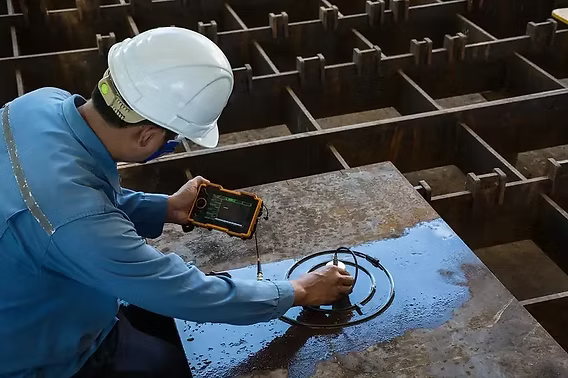
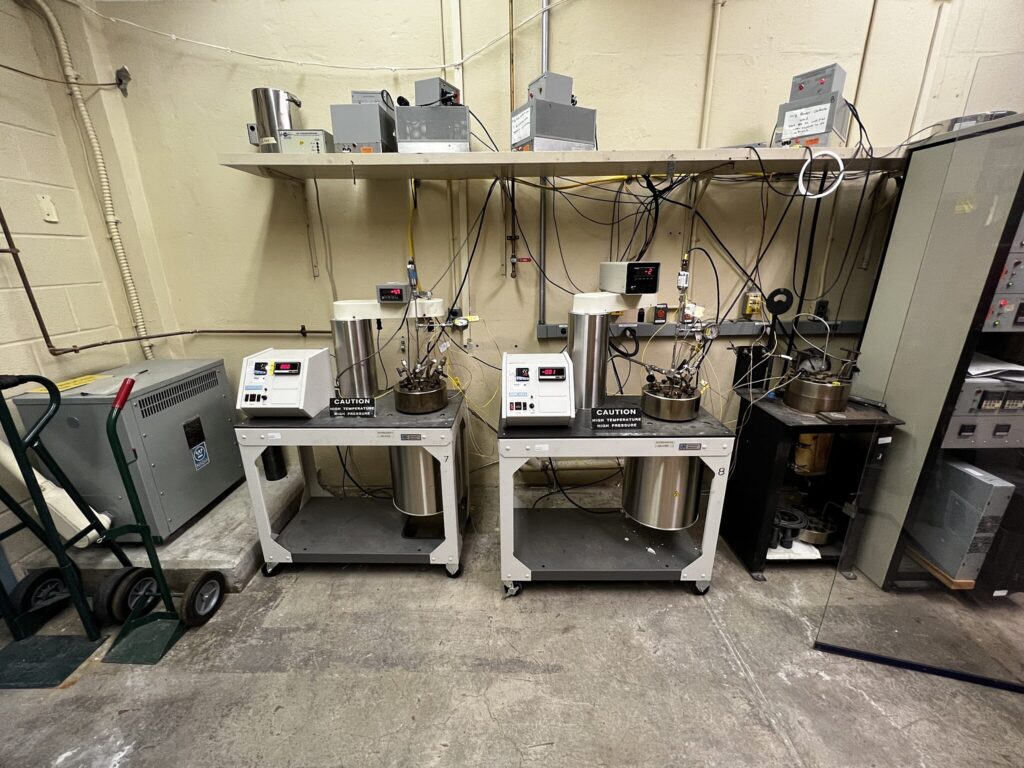
Corrosion testing plays a crucial role in ensuring product reliability and long-term durability. Materials that perform well in controlled laboratory environments may behave very differently when exposed to humidity, salt, temperature fluctuations, pollutants, or chemical exposure in the real world. Without proper testing, manufacturers risk releasing products that may fail prematurely in the field.
In industries such as automotive and aerospace, corrosion can affect critical structural components and compromise safety. Even small levels of corrosion can weaken joints, reduce load-bearing capacity, or interfere with precision mechanisms. For electronics manufacturers, corrosion may disrupt electrical conductivity, leading to device malfunction or reliability issues over time.
The energy sector faces particularly aggressive environments where pipelines, offshore structures, and power generation equipment must withstand exposure to seawater, industrial chemicals, and extreme weather conditions. In these environments, corrosion testing helps engineers select materials and coatings capable of maintaining long-term performance.
Advanced Analytical Techniques for Corrosion Investigation
Understanding corrosion requires more than simply observing surface damage. The mechanisms behind corrosion often involve complex interactions between material composition, environmental conditions, protective coatings, and mechanical stresses. At Genuine Testing, we use a combination of advanced analytical techniques to investigate corrosion at both macroscopic and microscopic levels.
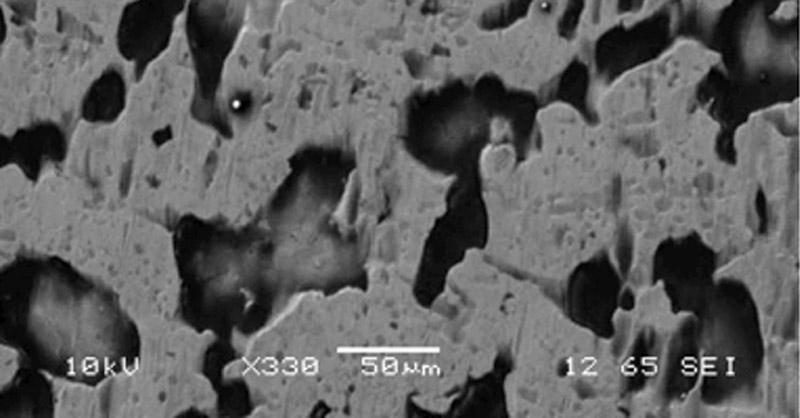
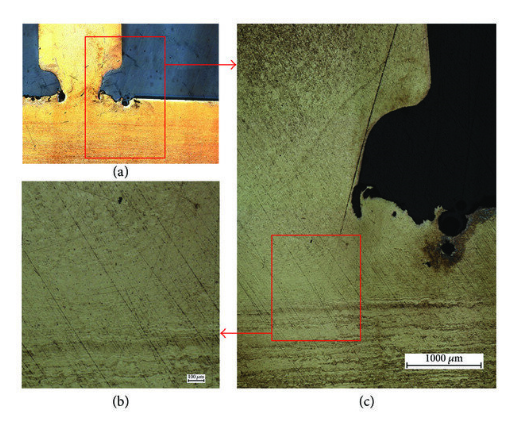
High-resolution microscopy allows scientists to examine corrosion morphology in detail. Features such as pitting, intergranular corrosion, crevice corrosion, or uniform surface degradation can provide important clues about the underlying corrosion mechanism. By analyzing these patterns, researchers can determine whether the corrosion resulted from environmental exposure, galvanic interactions, coating defects, or chemical contamination.
Surface and elemental analysis techniques further help identify corrosion products and chemical reactions occurring at the material surface. By examining the composition of corrosion deposits, it becomes possible to determine whether the damage resulted from oxidation, chloride attack, sulfur compounds, acidic environments, or other aggressive chemical agents.
Environmental Simulation and Accelerated Testing
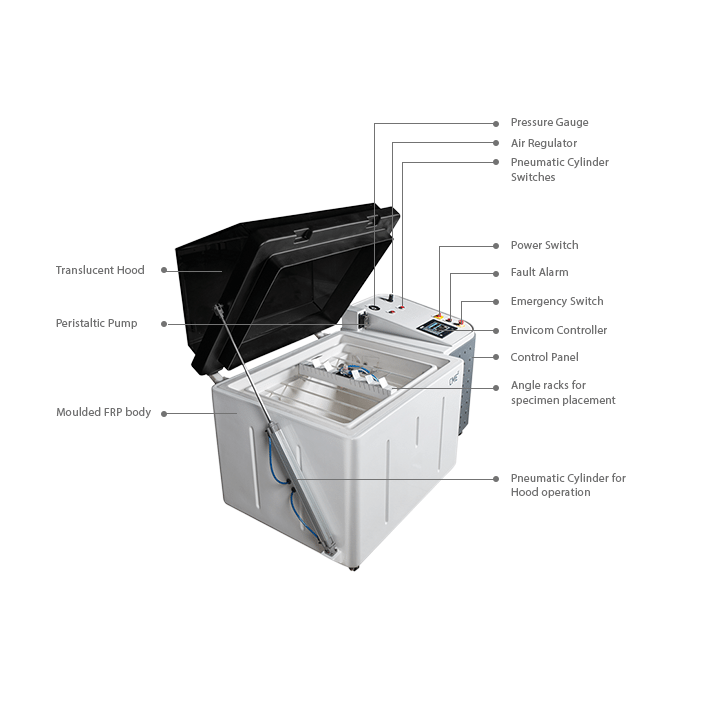
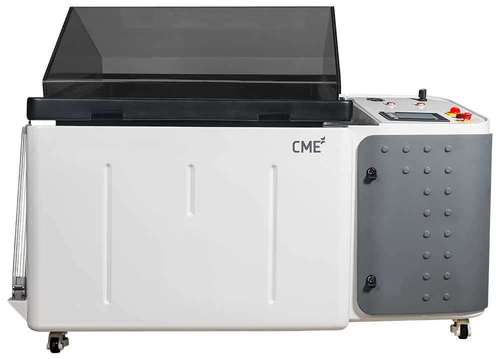
One of the most effective ways to evaluate corrosion resistance is through controlled environmental simulation. In these tests, materials and coated components are exposed to carefully controlled conditions that replicate the environments they will encounter during real-world use. These environments may include high humidity, salt spray, temperature cycling, chemical exposure, or combinations of these factors.
Accelerated corrosion testing allows researchers to observe material degradation within a relatively short timeframe. By intensifying environmental conditions, laboratories can simulate months or years of natural exposure in a matter of days or weeks. This process helps manufacturers identify potential weaknesses in materials, coatings, or surface treatments before products are released to the market.
Salt spray testing, for example, is widely used to evaluate the corrosion resistance of coated metals and plated components. Cyclic corrosion testing introduces variations in humidity, temperature, and salt exposure to better replicate natural weathering conditions. These tests provide valuable insights into coating durability, surface protection performance, and long-term material stability.
Failure Analysis and Root Cause Investigation
Corrosion is often discovered after a component has already failed or begun to show signs of degradation. In such cases, corrosion testing becomes an essential part of failure analysis investigations. Understanding why corrosion occurred can help organizations prevent similar failures in the future and improve product reliability.
During corrosion failure investigations, our scientists examine damaged components, analyze corrosion products, evaluate environmental conditions, and study material composition. This comprehensive approach helps identify the root cause of the problem, which may involve improper material selection, coating defects, environmental exposure, galvanic coupling, manufacturing contamination, or unexpected chemical interactions.
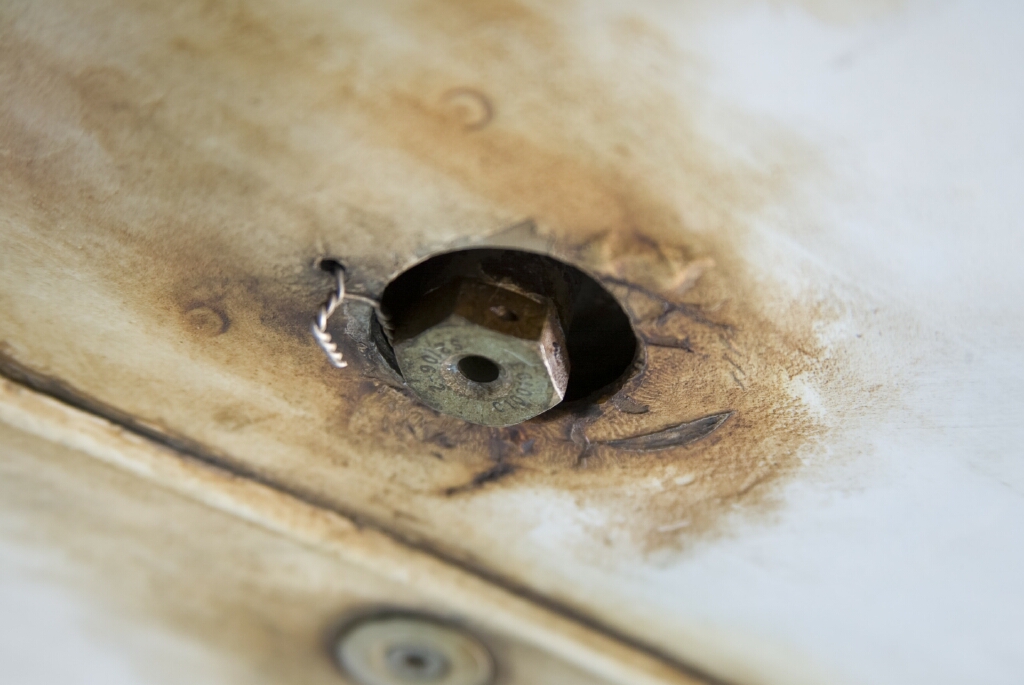
For example, pitting corrosion in stainless steel components may indicate exposure to chloride-rich environments, while galvanic corrosion may occur when two dissimilar metals come into electrical contact in the presence of an electrolyte. Coating breakdown may allow moisture or salts to reach the underlying metal, triggering corrosion beneath protective layers.
Supporting Material Selection and Product Development
Corrosion testing is not only used to investigate failures but also to guide material selection during product development. Engineers designing new products must carefully consider how materials will interact with their operating environment over time. Testing during the development stage allows manufacturers to compare materials and coatings before finalizing product designs.
For instance, evaluating different alloys, plating systems, or protective coatings under simulated environmental conditions helps determine which options provide the best corrosion resistance. This data allows designers to balance performance, cost, weight, and durability when selecting materials for production.
Early testing also helps identify potential compatibility issues between materials, chemicals, or environmental conditions. Addressing these issues during development reduces the likelihood of costly design changes later in the product lifecycle.
Quality Assurance and Regulatory Compliance
Many industries must demonstrate corrosion resistance to meet regulatory standards, customer specifications, or international quality guidelines. Automotive manufacturers, aerospace companies, infrastructure developers, and energy providers all rely on corrosion testing data to verify that their materials and components meet performance requirements.
Independent testing laboratories provide objective verification of corrosion resistance through standardized testing protocols and validated analytical procedures. This independent verification is often required for supplier qualification, product certification, and compliance documentation.
At Genuine Testing, we ensure that corrosion testing procedures follow recognized international standards whenever applicable. Our detailed reports provide clear documentation of testing conditions, exposure durations, analytical observations, and technical conclusions. These reports support product certification, regulatory submissions, and quality assurance programs.
Long-Term Corrosion Prevention Strategies
Understanding corrosion mechanisms is the first step toward developing effective prevention strategies. Once the root cause of corrosion has been identified, organizations can implement solutions that reduce future risk and improve product durability.
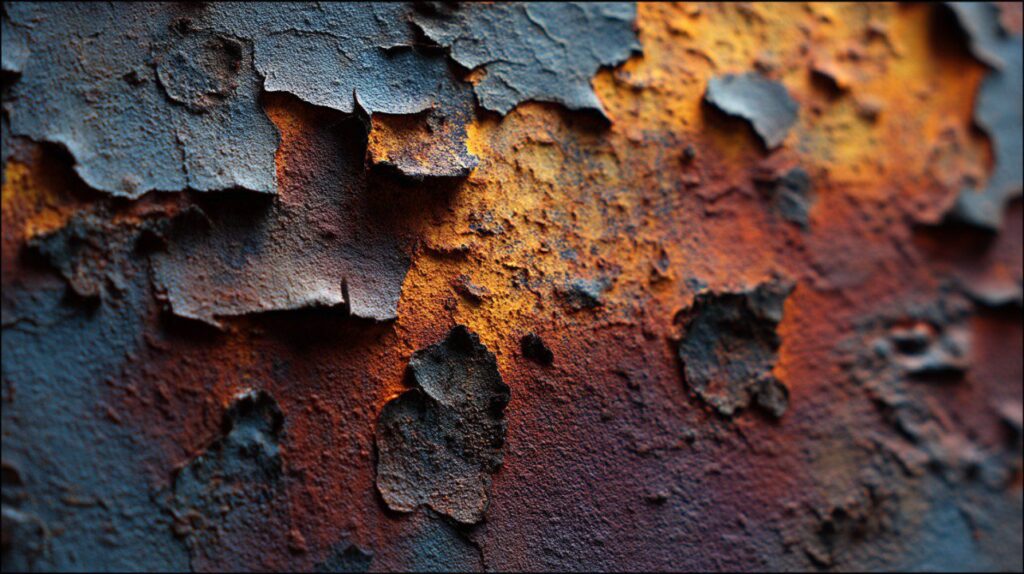
These strategies may involve selecting corrosion-resistant alloys, applying protective coatings or plating systems, modifying environmental controls, improving sealing methods, or redesigning components to eliminate crevices where moisture can accumulate. In some cases, corrosion inhibitors or protective barriers may also be used to extend component life in aggressive environments.
Continuous monitoring and periodic testing can further support long-term corrosion prevention by identifying early signs of degradation before significant damage occurs.
Partner with Genuine Testing for Corrosion Expertise
When corrosion threatens product reliability or operational safety, accurate testing and scientific expertise are essential. Genuine Testing provides comprehensive corrosion testing services that help organizations understand material behavior, investigate failures, and improve long-term durability.
Our laboratory combines advanced analytical instrumentation with experienced materials scientists who specialize in corrosion mechanisms and environmental degradation. By delivering clear, data-driven insights, we help companies identify vulnerabilities, strengthen product performance, and reduce costly failures.
Whether you are developing new materials, qualifying protective coatings, investigating corrosion failures, or validating product durability, Genuine Testing offers reliable analytical support tailored to your industry and application. Contact our team to discuss your corrosion testing requirements or request a customized testing proposal designed to meet your technical and regulatory needs.