
Elastomer & Rubber Testing Services
Elastomers and rubber materials are essential components in products that require flexibility, resilience, sealing performance, and vibration damping. Their unique elastic behavior makes them highly effective across a wide range of industries, but also sensitive to factors such as temperature, environmental exposure, and long-term aging. At Genuine Testing, we provide comprehensive elastomer and rubber testing services to evaluate material performance, durability, and reliability under real-world operating conditions. As a trusted Contract Research Organization (CRO), we support manufacturers, engineers, and product developers with accurate data on elastomer behavior and performance. Our elastomer and rubber testing services help ensure that materials meet functional requirements, regulatory standards, and long-term reliability expectations.
Elastomers and rubber materials are essential components in countless industrial and consumer applications. From automotive seals and medical tubing to industrial gaskets and vibration isolators, these materials play a critical role in ensuring flexibility, durability, and reliable sealing performance. At Genuine Testing, our Elastomer & Rubber Testing Services provide detailed scientific analysis that helps manufacturers understand the mechanical, thermal, and chemical behavior of rubber-based materials under real-world conditions.
Understanding Elastomer & Rubber Material Behavior
Elastomers differ significantly from rigid materials due to their ability to undergo large elastic deformation and recover their original shape. This behavior is influenced by formulation, crosslink density, fillers, and environmental conditions.
Key characteristics evaluated during elastomer and rubber testing include:
Elasticity and tensile strength
Compression set and resilience
Tear and abrasion resistance
Environmental and thermal stability
Aging and degradation behavior

Our Elastomer & Rubber Testing Capabilities
Genuine Testing offers a broad range of elastomer and rubber testing services designed to evaluate material behavior under mechanical, thermal, and environmental conditions. Our laboratory is equipped with specialized instrumentation to test natural and synthetic elastomers.
Our testing capabilities include:
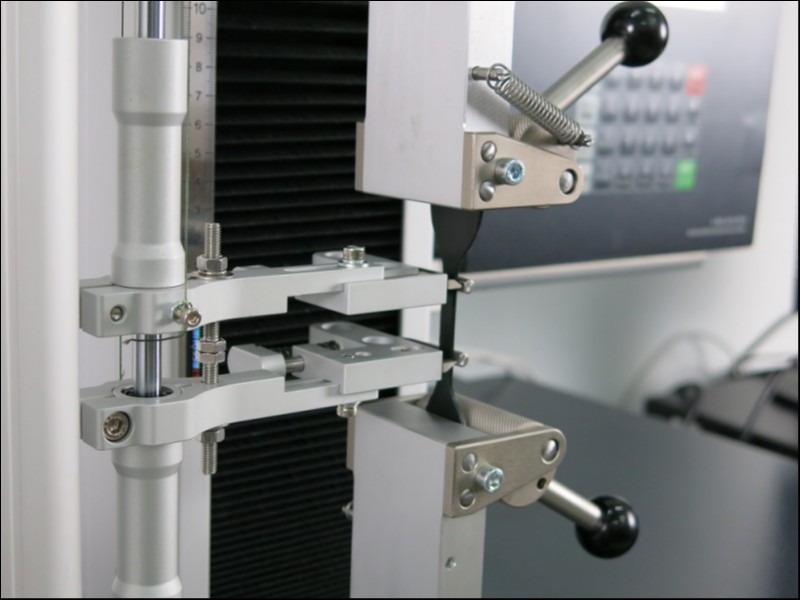
Tensile, elongation, and tear testing
Compression set and resilience evaluation
Hardness and flexibility assessment
Environmental exposure and aging studies
Comparative testing of elastomer formulations
Mechanical, Environmental & Aging Evaluation
Elastomers are often exposed to repeated loading, environmental exposure, and long-term aging, which can significantly affect performance. At Genuine Testing, we evaluate how these factors impact elastomer properties and functionality.
Our evaluation approach includes:
Assessment of mechanical behavior under cyclic and static loads
Evaluation of environmental exposure effects such as heat and humidity
Analysis of aging-related changes in elasticity and strength
Comparison of new and aged material performance
Identification of degradation and failure mechanisms
Industries We Support
Elastomer and rubber testing is critical across industries where sealing, flexibility, and vibration control are essential. We support clients in a wide range of sectors, including:
Automotive & Transportation – seals, gaskets, hoses, and mounts
Medical Devices & Healthcare – elastomer components requiring consistency and safety
Industrial Equipment – vibration isolators and flexible components
Energy & Power Generation – elastomers exposed to harsh environments
Consumer Products – flexible and impact-absorbing components
Aerospace & Defense – high-performance elastomer applications
Why Choose Genuine Testing
Clients choose Genuine Testing for elastomer and rubber testing because of our technical expertise, scientific rigor, and CRO-level service standards.
Our advantages include:
Experienced polymer and elastomer specialists
Advanced elastomer testing instrumentation
CRO-level confidentiality and data integrity
Customized testing programs tailored to application needs
Clear, actionable technical reporting
Compliance with global elastomer testing standards


Mechanical Property Evaluation of Elastomers
The mechanical behavior of elastomers is one of the most important factors determining their suitability for various industrial applications. Rubber components often experience repeated deformation, compression, stretching, and vibration during service. Genuine Testing conducts detailed mechanical evaluations to determine how elastomeric materials respond to these stresses and whether they maintain performance over time.
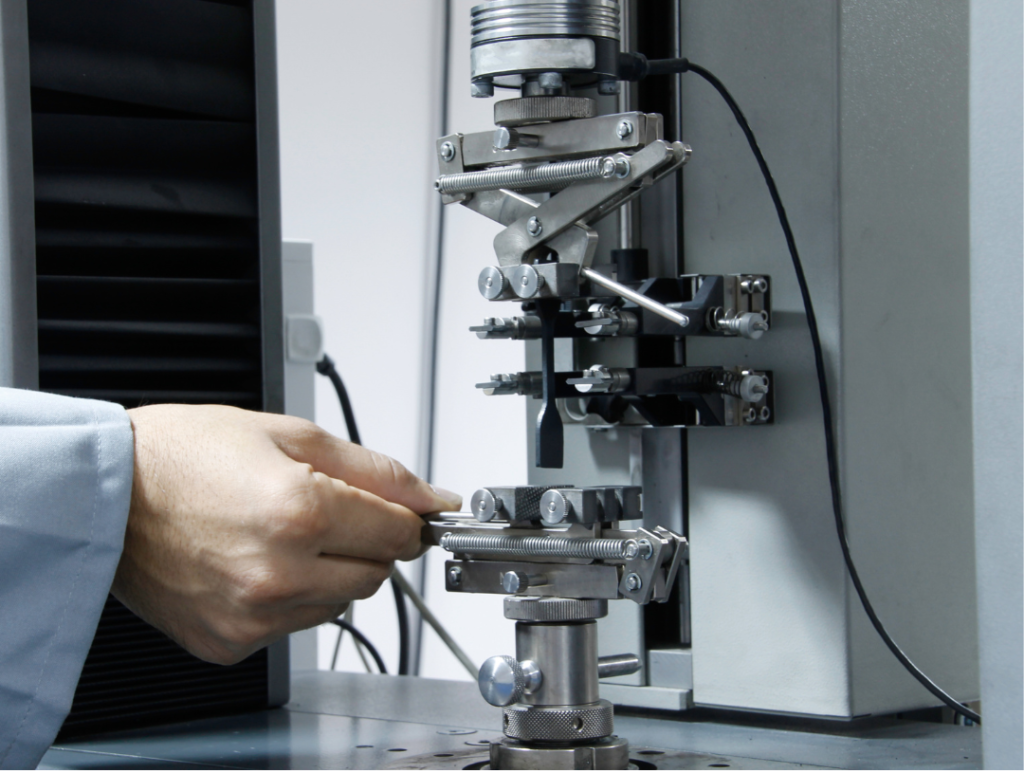
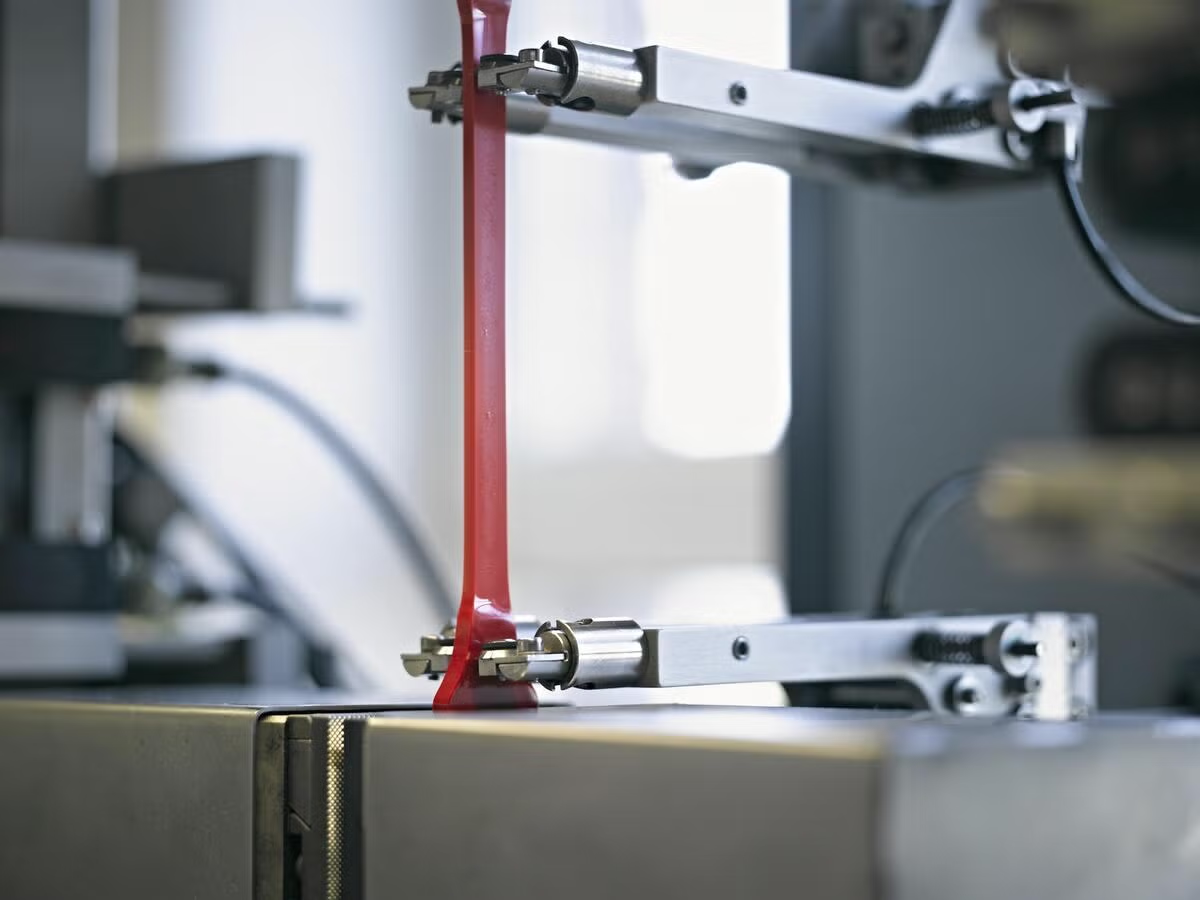
Our laboratories analyze properties such as tensile strength, elongation, tear resistance, and compression characteristics. These measurements help engineers understand how rubber materials behave when subjected to stretching forces or repeated mechanical loading. For example, seals and gaskets must maintain elasticity while resisting deformation under compression, while rubber belts and hoses must endure continuous flexing without cracking or weakening.
Mechanical testing also reveals the resilience and fatigue resistance of elastomers. Materials used in automotive suspension systems, industrial vibration dampers, or flexible couplings must absorb dynamic loads without losing structural integrity. Through controlled testing conditions, our experts evaluate how elastomer materials perform during repeated stress cycles, providing valuable insights into long-term durability.
Thermal Stability and Temperature Resistance
Temperature plays a significant role in determining the behavior and lifespan of elastomeric materials. Rubber compounds can soften, harden, or degrade when exposed to extreme temperatures, affecting their flexibility and mechanical performance. Genuine Testing offers advanced thermal testing capabilities designed to evaluate how elastomers respond to temperature fluctuations and prolonged heat exposure.
High-temperature environments can cause chemical changes within rubber compounds, leading to loss of elasticity, cracking, or permanent deformation. Thermal testing allows our laboratories to determine how elastomers maintain their mechanical properties under elevated temperatures. This information is particularly important for materials used in automotive engines, industrial machinery, and electrical insulation systems where heat resistance is essential.
Low-temperature performance is equally important for elastomers used in outdoor environments or cold climates. Some rubber materials become brittle when exposed to low temperatures, increasing the risk of cracking or failure. Our testing procedures evaluate flexibility and resilience at reduced temperatures, ensuring that elastomer components maintain functionality even under harsh environmental conditions.
Chemical Resistance and Environmental Durability
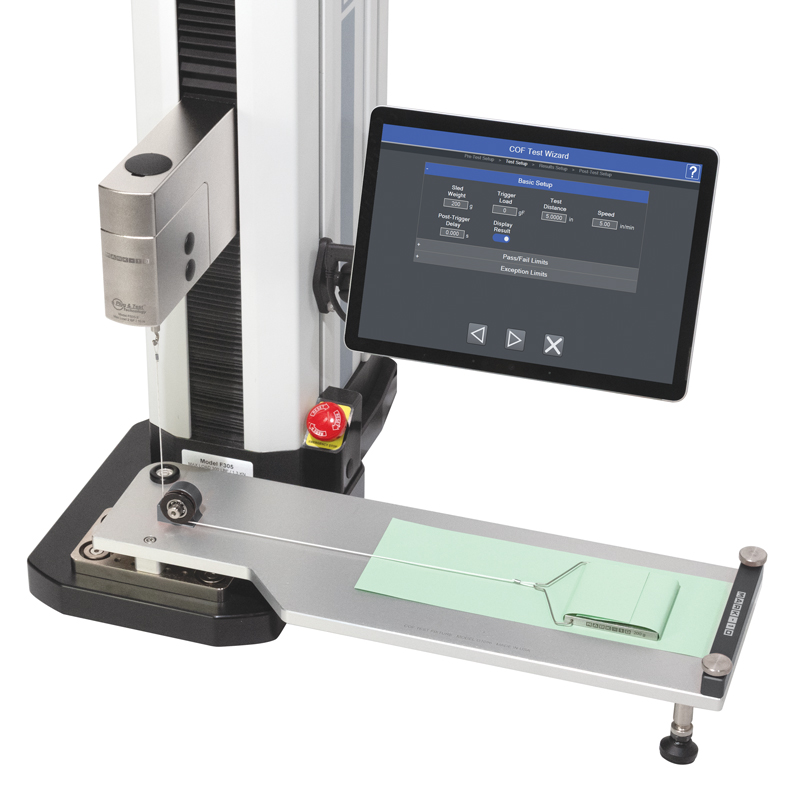
Elastomers are frequently exposed to chemicals, oils, fuels, and environmental contaminants that can affect their structural integrity. Chemical exposure may cause swelling, softening, or degradation in certain rubber formulations, potentially compromising performance and safety. Genuine Testing conducts specialized evaluations to determine how elastomeric materials interact with chemical substances and environmental stressors.
Our chemical resistance testing examines how rubber compounds respond to exposure from oils, fuels, solvents, and industrial chemicals. These studies help manufacturers determine whether a particular elastomer formulation is suitable for use in environments where chemical exposure is unavoidable. For example, rubber seals used in automotive fuel systems must resist hydrocarbon exposure without losing elasticity or dimensional stability.
Environmental durability testing also assesses the impact of ultraviolet radiation, humidity, ozone, and atmospheric conditions on elastomer materials. Rubber components used outdoors—such as construction seals or industrial gaskets—must maintain their mechanical and visual properties despite prolonged environmental exposure. Our laboratories simulate these conditions through accelerated aging tests that reveal potential degradation mechanisms over time.
Material Characterization and Compound Analysis
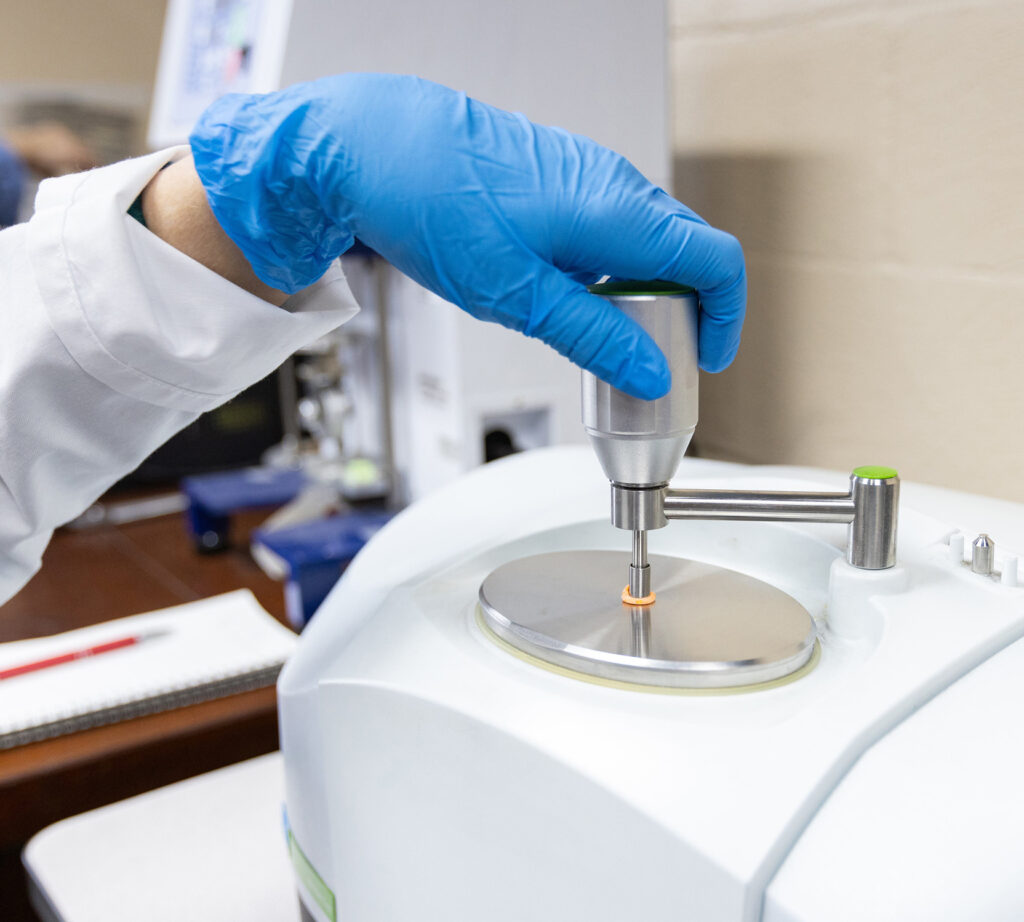
Rubber materials are typically composed of complex formulations that include base polymers, fillers, curing agents, and additives. The precise combination of these ingredients determines the final mechanical and chemical properties of the elastomer. Genuine Testing provides comprehensive material characterization services that analyze the composition and structure of rubber compounds.
Through advanced analytical techniques, our laboratories identify key components within elastomer formulations and evaluate how they influence performance characteristics. These analyses are particularly useful for manufacturers seeking to improve material formulations or ensure consistent production quality. By understanding the chemical composition of a rubber compound, engineers can better control properties such as elasticity, hardness, and resistance to environmental factors.
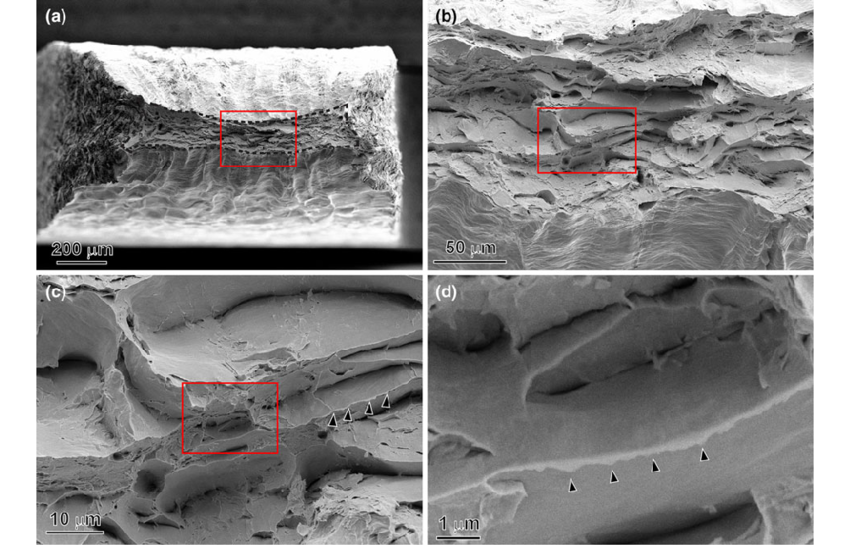
Material characterization is also valuable in failure investigations. When rubber components fail unexpectedly in service, our experts conduct detailed analyses to determine whether the failure resulted from formulation issues, environmental exposure, or mechanical stress. This information enables manufacturers to implement corrective actions that prevent similar failures in future products.
Supporting Product Development and Quality Assurance
Elastomer and rubber testing plays an essential role in both product development and ongoing quality control. Manufacturers rely on accurate testing data to verify that their materials meet design specifications and perform reliably in service. Genuine Testing supports organizations throughout the entire product lifecycle, from early research and development to final product validation.
During the development phase, testing allows engineers to compare different elastomer formulations and determine which materials offer the best combination of flexibility, strength, and environmental resistance. These insights guide formulation adjustments and design improvements that enhance overall product performance.
As products move into production, consistent testing ensures that manufactured materials maintain the same quality and properties as the original design specifications. Quality assurance testing helps identify variations in raw materials or processing conditions that could affect performance. Detecting such variations early helps manufacturers avoid costly production issues and maintain consistent product quality.