Tribology & Friction Testing Services
Tribology and friction play a critical role in the performance, efficiency, and durability of materials and mechanical systems. Whenever surfaces come into contact and move relative to one another, friction and wear influence energy loss, heat generation, and material degradation. At Genuine Testing, we provide advanced tribology and friction testing services to evaluate surface interactions and optimize material performance in real-world applications. As a trusted Contract Research Organization (CRO), we support manufacturers, engineers, and researchers by delivering accurate data on friction behavior, wear mechanisms, and surface performance. Our tribology testing services help clients reduce wear-related failures, improve efficiency, and extend component service life.
Tribology is the science of friction, wear, and lubrication between interacting surfaces in relative motion. In modern engineering systems, controlling friction and wear is critical for ensuring durability, efficiency, and safety. At Genuine Testing, our Tribology & Friction Testing Services are designed to help manufacturers understand how materials and surface treatments behave under realistic operating conditions. Through advanced instrumentation and carefully controlled testing protocols, our laboratories provide accurate insights into the performance of materials, coatings, lubricants, and mechanical components.
Understanding Tribology & Friction
Tribology is the scientific study of friction, wear, and lubrication between interacting surfaces in relative motion. Friction testing focuses on measuring the resistance to motion between surfaces, often expressed as the coefficient of friction. Together, these factors determine how materials perform under sliding, rolling, or oscillating contact.
Key tribological factors evaluated through testing include:
Coefficient of friction under varying loads and speeds
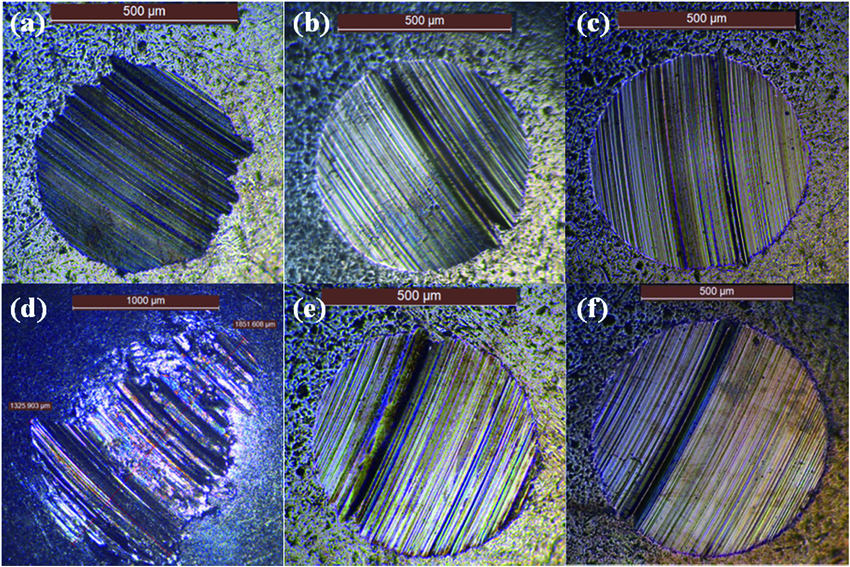
Surface wear rates and damage mechanisms
Lubrication effectiveness and compatibility
Contact pressure and surface roughness effects
Temperature and environmental influences on friction behavior
Our Tribology & Friction Testing Capabilities
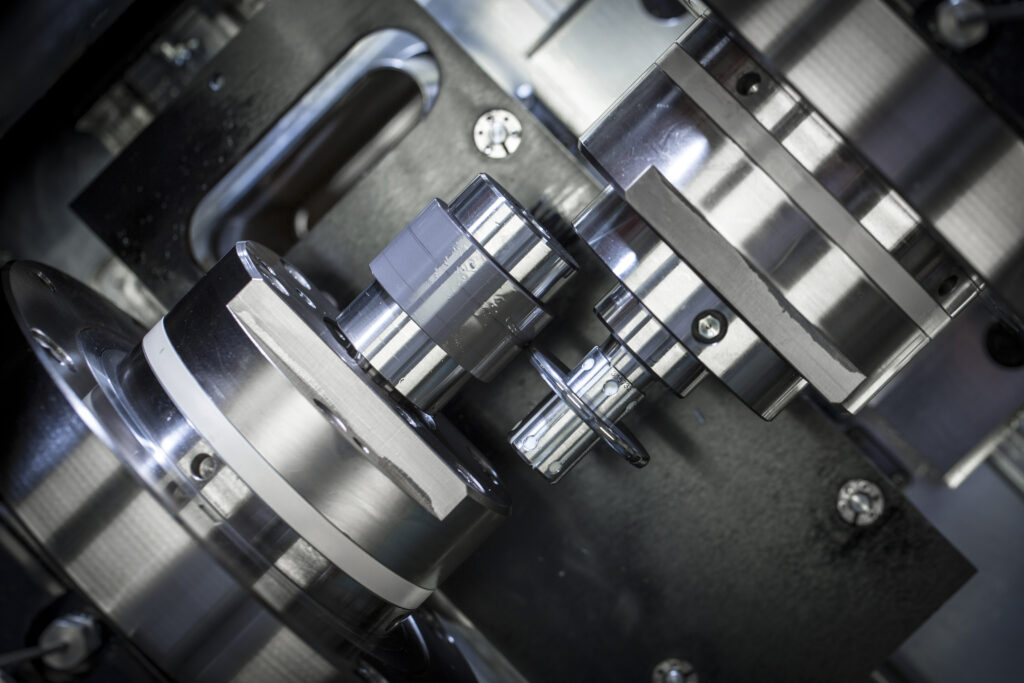
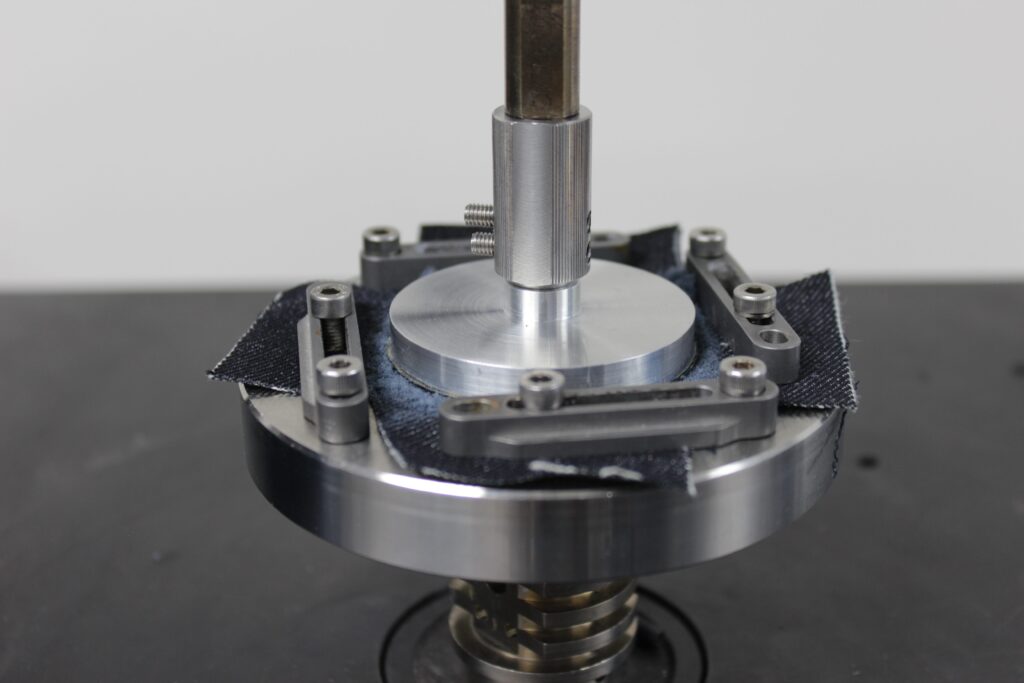
Genuine Testing offers comprehensive tribology and friction testing services using advanced instrumentation and controlled testing environments. Our laboratory can simulate real operating conditions and measure surface interactions with high precision.
Our tribology and friction testing capabilities include:
Coefficient of friction measurement
Sliding, rolling, and reciprocating wear testing
Evaluation of dry and lubricated contact conditions
Comparative testing of materials, coatings, and surface treatments
Pre- and post-test surface characterization
Surface Interaction & Performance Analysis
Understanding how surfaces interact during operation is critical for improving durability and efficiency. At Genuine Testing, we combine tribology testing with detailed analysis to identify wear mechanisms and performance limitations.
Our analysis includes:
Measurement of friction behavior over time
Identification of wear patterns and surface damage
Evaluation of lubrication performance and breakdown
Comparison of alternative material or coating options
Correlation of laboratory results with real-world performance

Industries We Support
Tribology and friction testing is essential for industries where moving parts, surface contact, and wear are critical factors. We support clients across a wide range of sectors, including:
Automotive & Transportation – bearings, gears, and braking systems
Industrial Machinery – sliding and rotating components
Energy & Power Generation – turbines and mechanical systems
Aerospace & Defense – moving assemblies and high-performance materials
Medical Devices – implants and mechanical medical components
Manufacturing & Tooling – surface-treated and coated components
Why Choose Genuine Testing
Clients choose Genuine Testing for tribology and friction testing because of our technical expertise, rigorous methodologies, and collaborative approach.
Our advantages include:
Experienced tribology and materials specialists
Advanced friction and wear testing instrumentation
CRO-level confidentiality and data integrity
Customized testing programs aligned with service conditions
Clear, actionable technical reporting
Compliance with global tribology testing standards

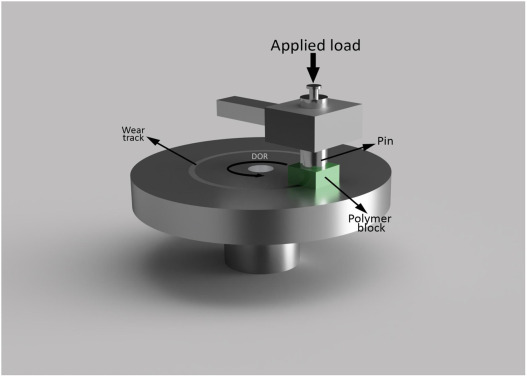
Understanding Friction, Wear, and Lubrication Behavior
Friction and wear are complex phenomena influenced by a wide range of variables, including surface roughness, material composition, load, sliding speed, lubrication conditions, and environmental factors. In engineering applications, these variables interact dynamically, making tribological performance difficult to predict without controlled experimentation. Genuine Testing addresses this challenge through comprehensive friction and wear analysis conducted under carefully monitored laboratory conditions.
Our tribology testing services examine how materials respond to sliding, rolling, or oscillating contact. By measuring friction coefficients and monitoring surface degradation over time, we help clients identify the mechanisms responsible for material loss or performance decline. These insights are particularly valuable when evaluating surface coatings, advanced alloys, composite materials, and lubricating films.
Lubrication plays a crucial role in controlling friction and preventing wear. Through tribological testing, our laboratories analyze how different lubricants interact with specific material combinations. This includes assessing the performance of oils, greases, solid lubricants, and advanced coatings under varying loads and temperatures. Such studies allow manufacturers to optimize lubrication strategies that improve efficiency while minimizing mechanical damage.
Simulating Real-World Operating Conditions
One of the most valuable aspects of tribology testing is the ability to replicate real-world operating conditions in a controlled laboratory environment. At Genuine Testing, we design test protocols that closely mimic the mechanical and environmental stresses experienced by components during actual service. By recreating these conditions, our laboratories provide results that accurately reflect real-world performance.
Different applications demand different tribological environments. For example, automotive components may operate under high loads and temperatures, while biomedical devices require extremely low friction and exceptional biocompatibility. Industrial machinery components may experience abrasive contaminants or fluctuating lubrication regimes. Our testing systems allow us to simulate these diverse conditions while precisely measuring friction and wear characteristics.
Controlled simulation also enables accelerated life testing. By increasing loads, speeds, or environmental stressors, we can evaluate how materials behave over extended operational lifetimes within a shorter timeframe. This capability is particularly valuable for research and development teams seeking to validate new materials or coatings before commercial deployment.
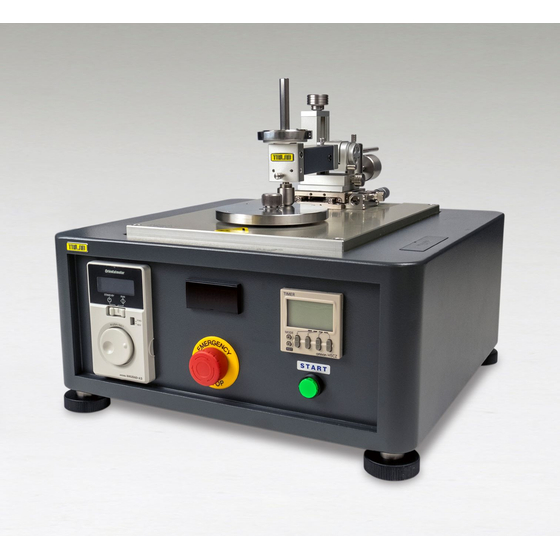
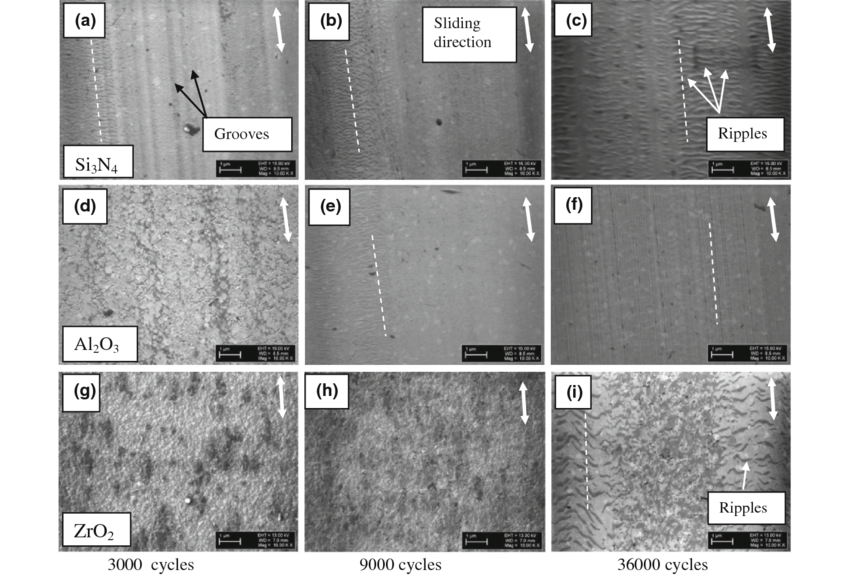
Supporting Product Development and Innovation
Tribology testing plays a critical role in product development across multiple industries. Engineers rely on friction and wear data to evaluate material compatibility, optimize lubrication strategies, and validate the performance of coatings or surface treatments. At Genuine Testing, our Tribology & Friction Testing Services support the entire product development lifecycle, from early-stage research to final validation and quality assurance.
During the research phase, tribological testing helps identify promising material combinations that deliver optimal performance under specific operating conditions. For example, developers of high-performance engines may test advanced coatings designed to reduce friction between moving components. Similarly, manufacturers of cutting tools or industrial bearings may evaluate wear-resistant materials to extend service life.
As product development progresses, tribology testing provides critical validation data. Engineers can verify whether new materials or coatings meet performance expectations when exposed to real-world loads and environmental conditions. This process ensures that products entering the market have been rigorously evaluated for durability and reliability.
Industry Applications of Tribology Testing
Tribology affects virtually every industry that relies on mechanical systems. Automotive manufacturers use tribology testing to optimize engine components, transmission systems, and braking materials. Aerospace engineers rely on friction and wear data to ensure the reliability of critical aircraft components exposed to extreme operating environments.
In the energy sector, tribological studies support the development of durable components for turbines, drilling equipment, and renewable energy systems. Even small improvements in friction reduction can significantly enhance energy efficiency and operational lifespan. Similarly, manufacturers of electronics and precision instruments require tribology testing to ensure the smooth operation of miniature mechanical parts.
Medical device manufacturers also benefit from tribological analysis, particularly when developing implants and prosthetics that must function reliably within the human body. These applications demand materials that exhibit minimal wear while maintaining consistent friction characteristics over long periods.