Chemical Compatibility
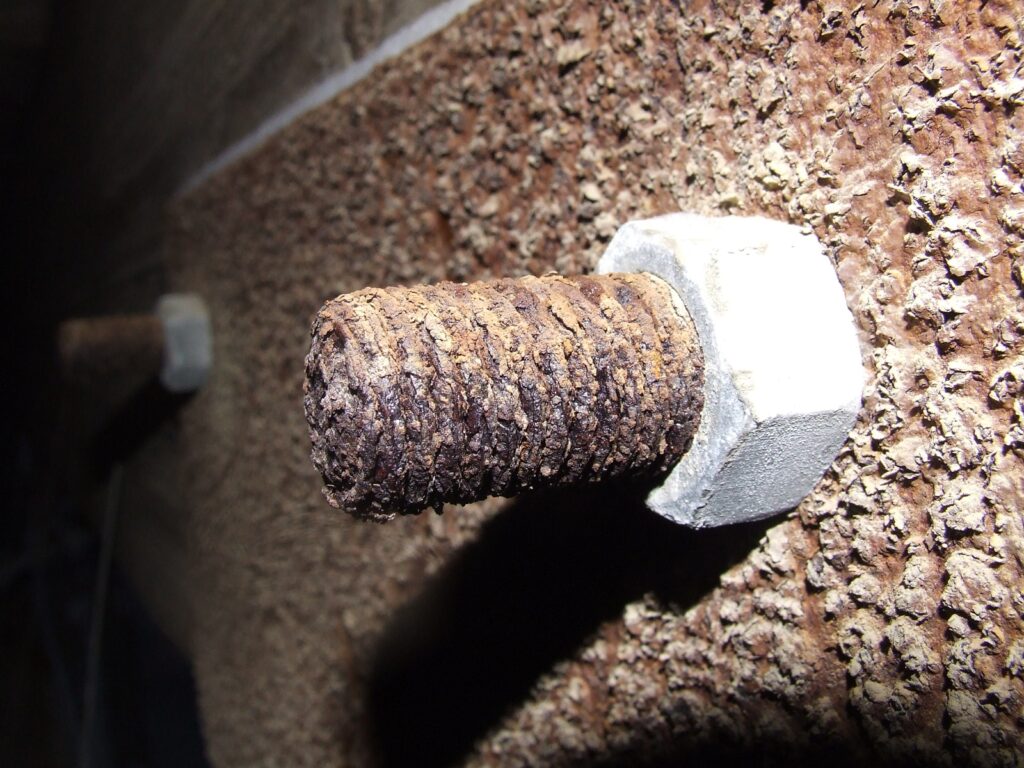
Chemical compatibility is a critical factor in determining whether a material will perform safely and reliably in its intended environment. When materials are exposed to fuels, solvents, cleaning agents, pharmaceuticals, industrial fluids, acids, alkalis, or biological media, chemical interactions can alter mechanical properties, surface integrity, dimensional stability, and long-term durability. Even subtle chemical reactions may result in swelling, cracking, discoloration, corrosion, embrittlement, or degradation that compromises product performance.
Genuine Testing provides comprehensive chemical compatibility testing services to evaluate how materials respond to real-world chemical exposures. As an independent materials testing laboratory and Contract Research Organization (CRO), we deliver objective, data-driven analysis that supports product development, regulatory compliance, failure prevention, and quality assurance across industries including aerospace, automotive, energy, healthcare, construction, electronics, and manufacturing. Through controlled exposure studies and advanced post-exposure characterization, we help organizations understand how materials behave under chemical stress and ensure safe, durable performance throughout the product lifecycle.
Why Choose Genuine Testing for Chemical Compatibility?
Comprehensive Assessments
We evaluate the resistance and behavior of materials when in contact with aggressive chemicals, solvents, or environments.Expertise Across Materials & Industries
Our knowledge spans diverse material types and industries, enabling us to tailor testing protocols to your specific application.Simulated Real-World Conditions
Our testing methods replicate actual use conditions — including temperature, pressure, and concentration — for meaningful results.Reliable Data & Guidance
We don’t just deliver data — we help you interpret results to make informed material and design choices.
Our Chemical Compatibility Testing Capabilities
We offer robust testing programs to evaluate:
Resistance of materials to acids, bases, solvents, fuels, oils, and more
Effects of prolonged or repeated chemical exposure
Changes in physical, chemical, and mechanical properties
Surface degradation, cracking, swelling, or discoloration
Interaction between different materials in multi-component systems
Testing methods may include:
✅ Immersion & soak testing
✅ Exposure to vapors, liquids, and mists
✅ Tensile & mechanical strength after exposure
✅ Microscopy & surface analysis of affected areas
✅ Weight change, dimensional change, and hardness measurements
Industries We Serve
Our chemical compatibility testing supports clients in a wide range of sectors:
Aerospace & Defense — Fuel and hydraulic fluid resistance for components and coatings.
Automotive & Transportation — Compatibility of materials with lubricants, coolants, and cleaning chemicals.
Medical & Pharmaceutical — Ensuring biocompatibility and sterilization resistance of medical devices.
Oil, Gas & Energy — Assessing resistance to harsh chemicals and corrosive environments.
Consumer Products & Packaging — Testing interaction with contents and cleaning agents.
We work with you to ensure materials are safe, compliant, and long-lasting in their intended environments.
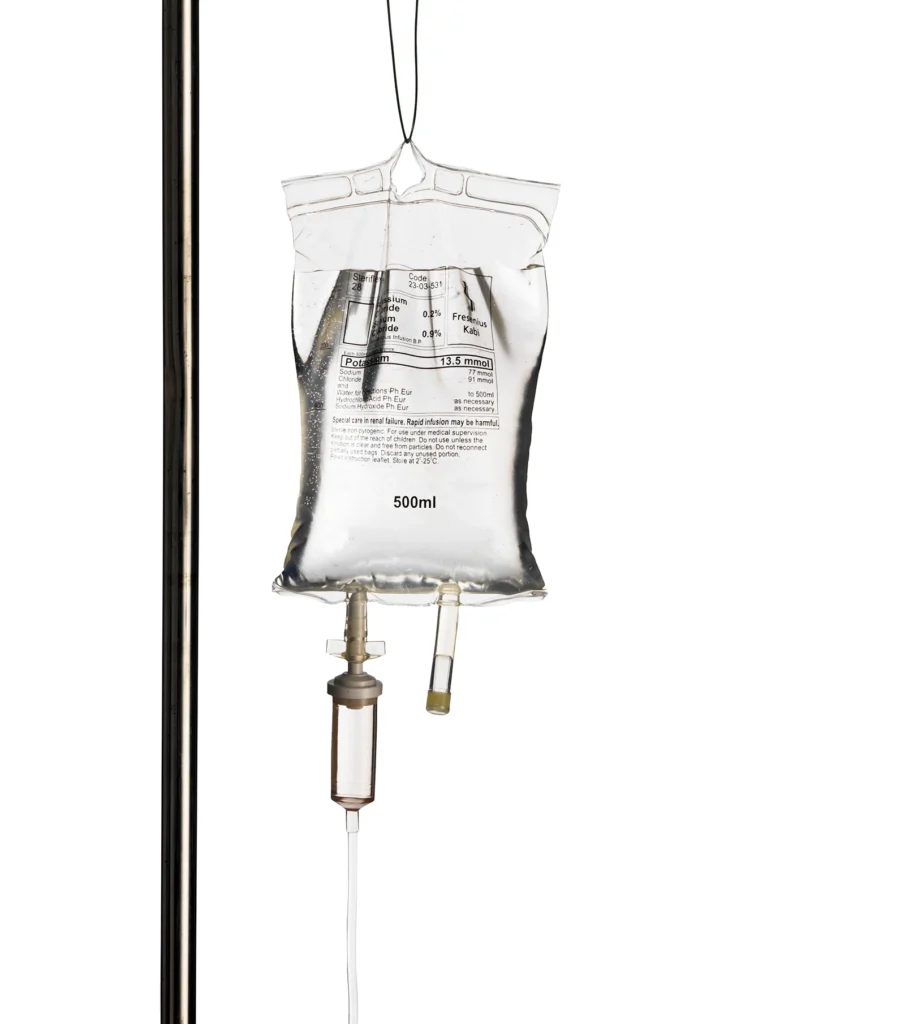
Understanding Material–Chemical Interactions
When a material comes into contact with a chemical agent, multiple interaction mechanisms may occur simultaneously. Polymers may absorb solvents and swell due to molecular diffusion. Metals may undergo oxidation, pitting, or galvanic corrosion. Elastomers can lose elasticity or suffer chain scission under aggressive chemical attack. Coatings may delaminate, blister, or degrade if chemical penetration occurs through protective layers.
Chemical compatibility testing evaluates these interactions under controlled laboratory conditions that simulate operational environments. Samples are exposed to selected chemicals at specified concentrations, temperatures, and durations. After exposure, materials are analyzed to detect physical, chemical, and structural changes. By measuring weight variation, dimensional changes, tensile properties, hardness, surface morphology, and compositional shifts, we determine the degree of compatibility and identify potential risks. Understanding these interaction mechanisms allows engineers and designers to select materials that maintain integrity under expected service conditions.
Polymer & Elastomer Compatibility Analysis
Polymers and elastomers are widely used in seals, gaskets, tubing, linings, packaging, and structural components where chemical exposure is frequent. However, these materials can be particularly susceptible to solvent absorption, plasticizer extraction, oxidation, and chain degradation.
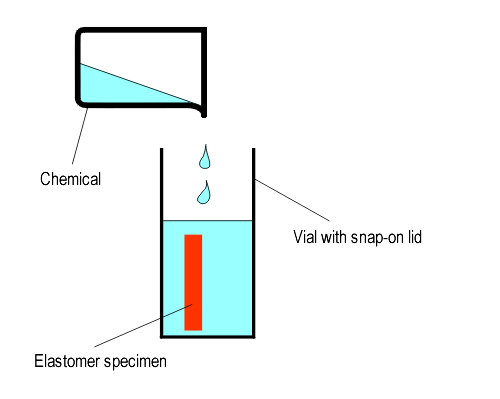
Our laboratory evaluates polymer compatibility with fuels, hydraulic fluids, cleaning agents, pharmaceutical formulations, and industrial chemicals. Exposure testing may involve immersion, vapor contact, or cyclic exposure conditions to simulate real-world applications. After testing, we analyze changes in mechanical strength, elongation, flexibility, and surface integrity.
Advanced chemical analysis techniques allow us to detect leaching of additives, chemical breakdown products, or crosslinking changes that affect long-term performance. This level of evaluation ensures that polymer components retain their properties throughout service life.

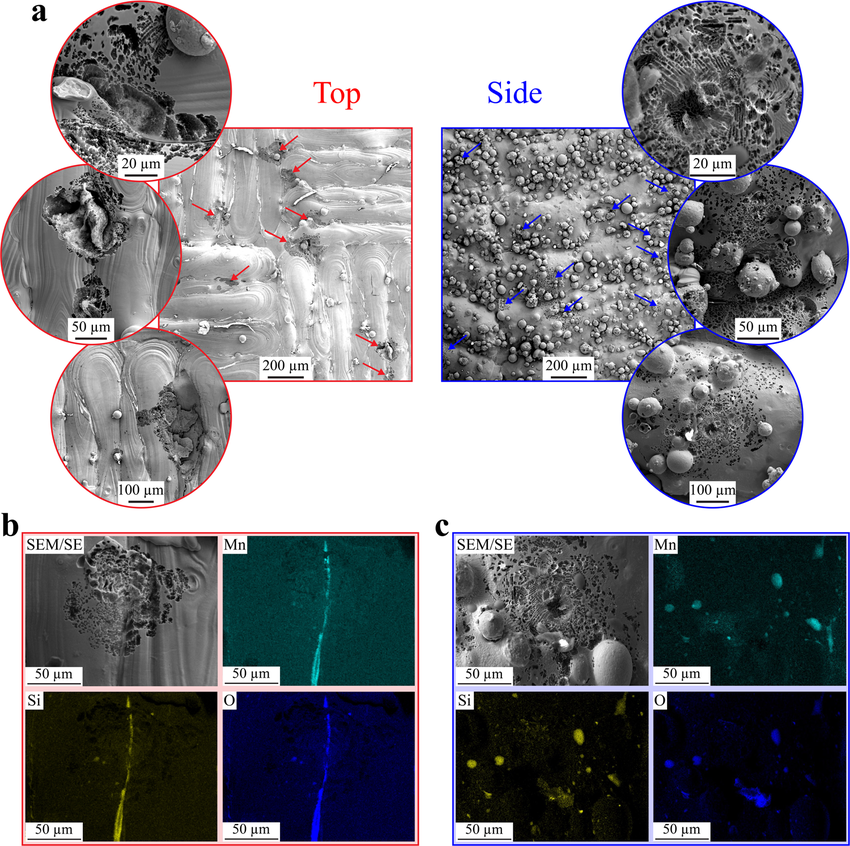
Metal & Alloy Corrosion Compatibility
Metals and alloys exposed to corrosive chemicals require careful compatibility assessment. Industrial environments may include acids, alkaline solutions, saline media, fuels, lubricants, and process chemicals that can accelerate corrosion.
Our chemical compatibility services include corrosion exposure testing under controlled laboratory conditions. We evaluate surface pitting, crevice corrosion, intergranular attack, and oxidation behavior using high-resolution imaging and compositional analysis. By quantifying corrosion rates and identifying degradation mechanisms, we help determine whether selected alloys meet performance requirements.
These evaluations are particularly critical in industries such as oil and gas, chemical processing, marine engineering, and energy infrastructure, where material failure can result in costly downtime and safety hazards.
Coatings, Linings & Barrier Systems
Protective coatings and linings serve as barriers between structural materials and aggressive chemical environments. Their effectiveness depends on adhesion strength, chemical inertness, and resistance to permeation.
We conduct chemical compatibility testing for paints, industrial coatings, tank linings, and specialized barrier systems. Post-exposure analysis evaluates blistering, cracking, delamination, softening, and chemical penetration. Cross-sectional microscopy and compositional analysis reveal whether chemicals have breached protective layers or caused interfacial degradation.
These assessments ensure that protective systems maintain structural integrity and extend the lifespan of critical infrastructure components.
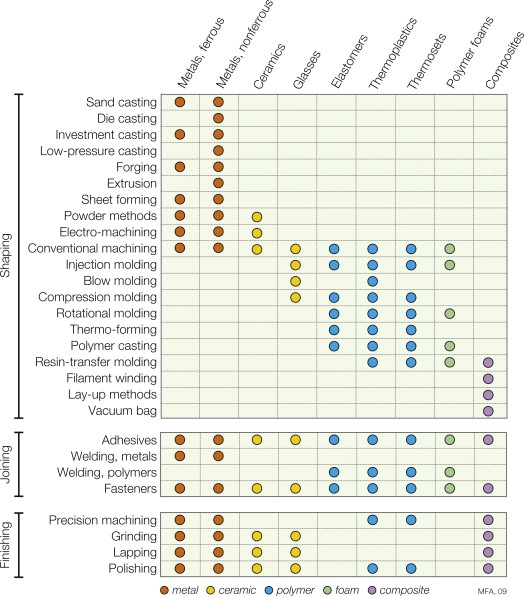
Temperature & Accelerated Compatibility Studies
Chemical reactions often accelerate at elevated temperatures, making temperature-controlled exposure testing essential for accurate performance prediction. We conduct compatibility studies under controlled thermal conditions to simulate long-term service environments.
Accelerated aging protocols allow evaluation of degradation pathways within compressed timeframes. By combining chemical exposure with elevated temperature, humidity, or pressure conditions, we provide realistic insight into material lifespan and reliability.
These studies support product qualification, risk assessment, and warranty validation by predicting long-term behavior before deployment.
Pharmaceutical & Healthcare Chemical Compatibility
In pharmaceutical and healthcare applications, chemical compatibility directly affects patient safety. Drug formulations may interact with packaging materials, tubing, syringes, or implantable devices. Extractables, leachables, or degradation products can alter therapeutic effectiveness or introduce health risks.
Our compatibility studies evaluate how medical-grade polymers, elastomers, and coatings respond to pharmaceutical formulations and sterilization processes. Chemical analysis identifies potential migrants or structural changes following prolonged exposure. These findings support regulatory submissions and ensure safe material selection in healthcare environments.
Data Interpretation & Technical Reporting
Comprehensive chemical compatibility testing extends beyond exposure experiments. Accurate interpretation of results is essential for meaningful conclusions. Our laboratory integrates compositional analysis, mechanical testing, surface characterization, and microstructural evaluation to build a complete understanding of material behavior.
Reports include detailed exposure conditions, analytical findings, photographic documentation, and expert conclusions regarding suitability for intended use. Where compatibility concerns arise, we provide recommendations for alternative materials, protective strategies, or formulation adjustments.
As an independent third-party laboratory, we ensure transparency, repeatability, and defensible data suitable for regulatory review and engineering validation.
Supporting Reliable & Safe Product Design
Chemical compatibility plays a foundational role in product reliability and safety. Incompatible material selections can result in leaks, structural failures, contamination, and environmental hazards. Early compatibility testing reduces costly redesigns and field failures while strengthening long-term product performance.
Genuine Testing partners with manufacturers, engineers, and research teams to evaluate compatibility during material selection, design validation, and process development stages. Our integrated analytical approach ensures that materials withstand chemical exposure without compromising mechanical integrity or safety standards.