
Composites and Fiber-Reinforced
Advanced Validation for High-Performance Composite Systems
Composites and fiber-reinforced materials have transformed modern engineering by delivering exceptional strength-to-weight ratios, corrosion resistance, and design flexibility. From aerospace-grade carbon fiber laminates to glass fiber structural panels and hybrid reinforced systems, these materials enable lighter, stronger, and more efficient products across aerospace, automotive, marine, energy, infrastructure, and sporting goods industries. However, composite systems are inherently complex. Their performance depends not only on fiber type and orientation, but also on matrix properties, interfacial bonding, curing processes, void content, and environmental exposure. Small variations in layup sequence, resin chemistry, or manufacturing conditions can significantly affect structural integrity and durability.
At Genuine Testing, we provide comprehensive composites and fiber-reinforced materials testing services designed to validate structural performance, durability, and regulatory compliance. As an independent materials testing laboratory and Contract Research Organization (CRO), we support manufacturers, design engineers, and R&D teams with precise, standards-aligned data to ensure reliability from prototype development through full-scale production.
Our Composites Testing Capabilities
We analyze and evaluate composite and fiber-reinforced materials for industries including aerospace, automotive, wind energy, marine, sporting goods, and industrial manufacturing. Our services include:
Material Composition & Reinforcement Analysis
Identify fiber type, matrix composition, and reinforcement architecture to verify material specifications.
Microstructure & Laminate Examination
Assess fiber orientation, ply stacking sequence, voids, delamination, and resin distribution.
Mechanical Testing
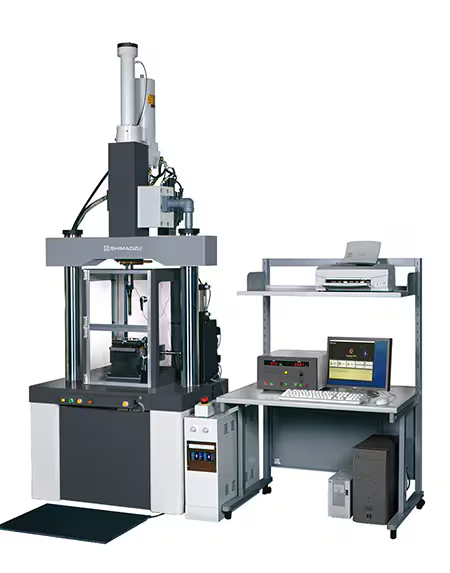
Evaluate tensile, compressive, flexural, shear, and fatigue properties of composite materials.
Failure Analysis
Investigate delamination, fiber breakage, matrix cracking, and impact damage to determine root causes.

Materials We Test
We work with a wide range of composite and fiber-reinforced materials, including:
Carbon fiber reinforced polymers (CFRP)
Glass fiber reinforced polymers (GFRP)
Aramid and Kevlar composites
Polymer matrix composites (PMC)
Hybrid and laminated composites
Structural sandwich panels
Applications & Industries Served
Our composites testing services support:
Aerospace & Defense
Automotive & Transportation
Wind Energy & Renewable Power
Marine & Offshore Structures
Industrial Equipment
Sporting Goods & Consumer Products
Mechanical Strength & Structural Performance
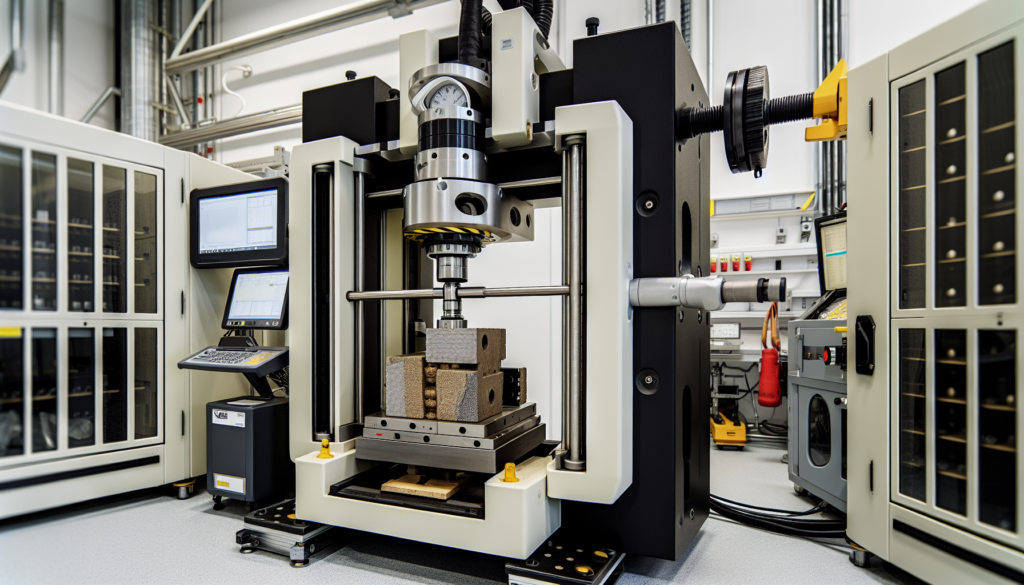
Mechanical validation is critical for composite components used in load-bearing applications. Tensile strength, compressive performance, flexural modulus, and shear resistance determine whether a composite structure can safely withstand operational stresses.
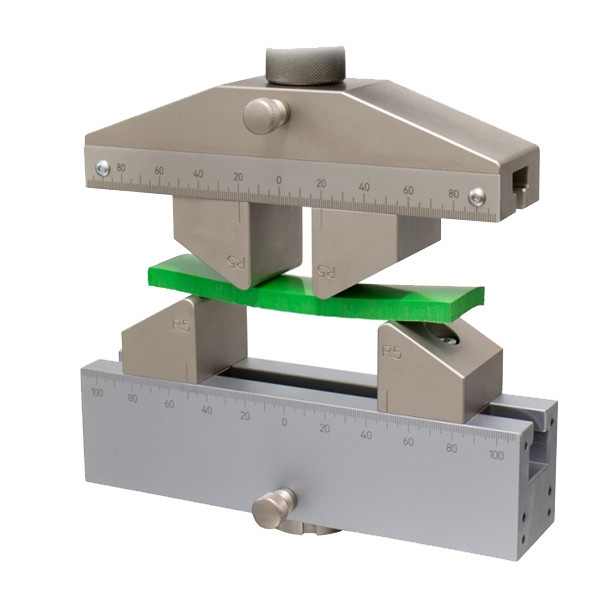
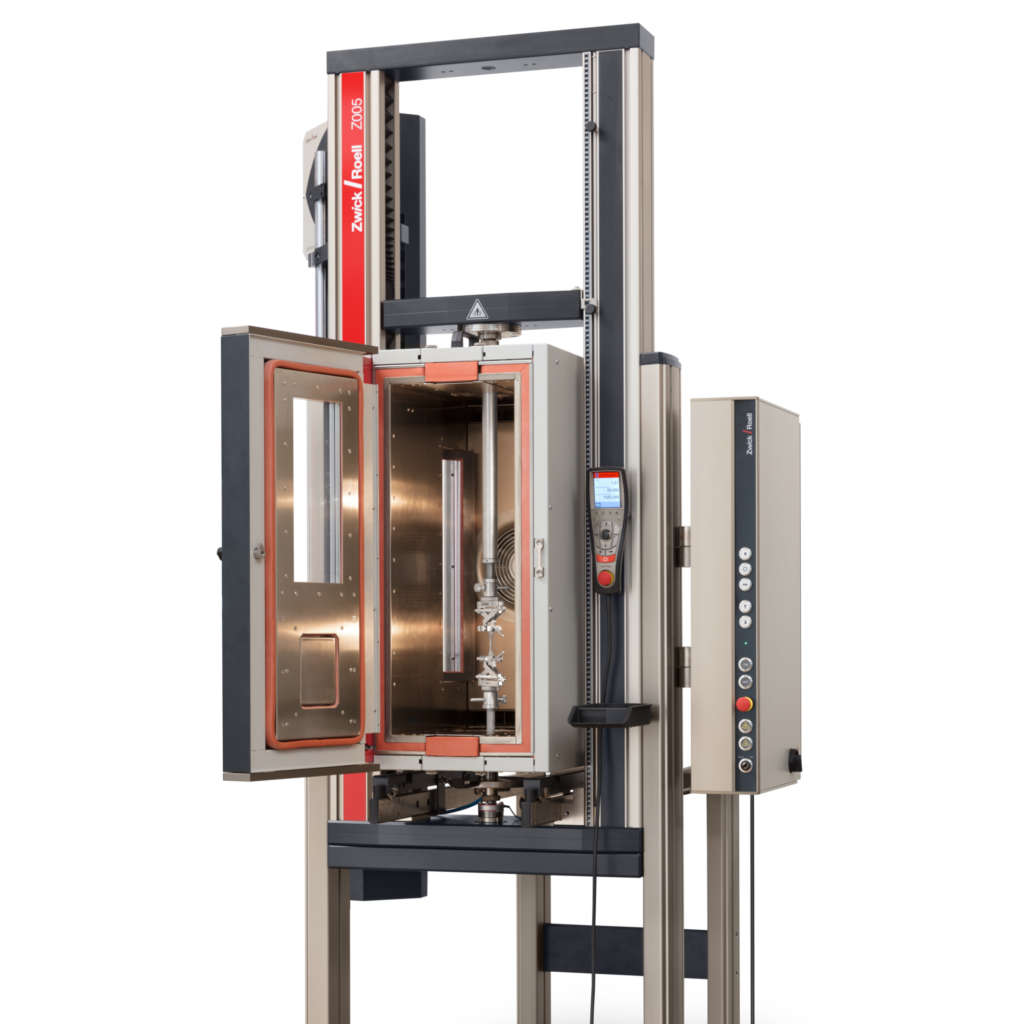
Our laboratory conducts tensile, compression, and flexural testing on unidirectional, woven, and multidirectional laminates. Interlaminar shear strength testing evaluates resistance to delamination, a common failure mode in layered composites. Short-beam shear testing provides insight into matrix-dominated behavior and fiber-matrix adhesion. We also perform open-hole tension and compression testing to simulate real-world structural conditions where fasteners or cutouts introduce stress concentrations. These evaluations support optimized laminate design and improved safety margins.
Fatigue, Impact & Damage Tolerance
Composite structures are frequently exposed to cyclic loads, vibration, and accidental impacts. Unlike metals, composites may exhibit progressive internal damage before visible failure occurs.
We perform fatigue testing under tension-tension, compression-compression, and tension-compression loading cycles to evaluate long-term durability. Impact testing—including low-velocity and drop-weight methods—assesses resistance to foreign object damage.
Post-impact residual strength testing determines structural integrity after damage events. Combined with non-destructive evaluation techniques, these assessments provide critical insight into damage tolerance and lifecycle reliability.
Thermal Properties & Environmental Durability
Composite materials can be sensitive to temperature extremes, humidity, UV radiation, and chemical exposure. Thermal cycling may induce microcracking, while moisture absorption can reduce mechanical strength and interlaminar bonding.
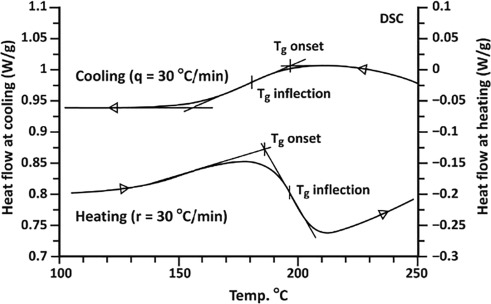
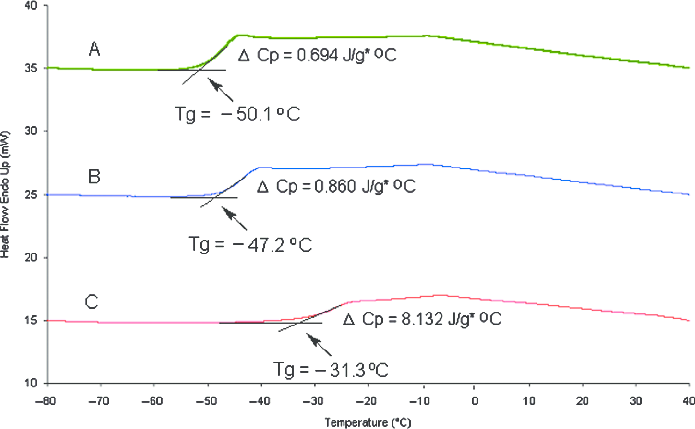
Our laboratory conducts thermal cycling, elevated-temperature mechanical testing, and humidity conditioning to evaluate property retention under environmental stress. Differential scanning calorimetry determines glass transition temperature, which is critical for defining safe operating limits of polymer matrix composites.
Accelerated aging studies simulate long-term service conditions, providing predictive data on structural degradation and material stability.
Fiber-Matrix Interface & Microstructural Analysis
The fiber-matrix interface plays a central role in load transfer and crack resistance. Weak bonding, void formation, or improper curing can significantly reduce composite performance.
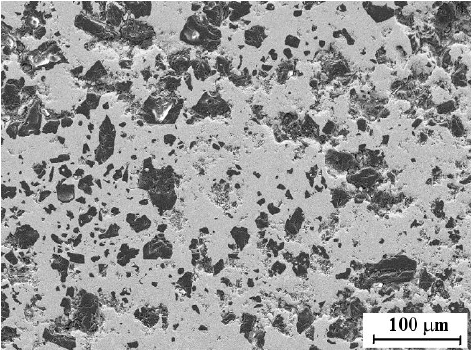
We conduct microscopic analysis to evaluate fiber distribution, resin-rich areas, void content, and interfacial bonding quality. Cross-sectional imaging identifies delamination, porosity, and manufacturing defects.
Void content analysis quantifies internal discontinuities that may compromise strength and fatigue life. By linking microstructural observations with mechanical data, we support process optimization and enhanced manufacturing consistency.
Resin Systems & Cure Characterization
The matrix system—whether epoxy, polyester, vinyl ester, or high-performance thermoplastic—significantly influences composite behavior. Proper cure development ensures optimal crosslinking density and structural integrity.
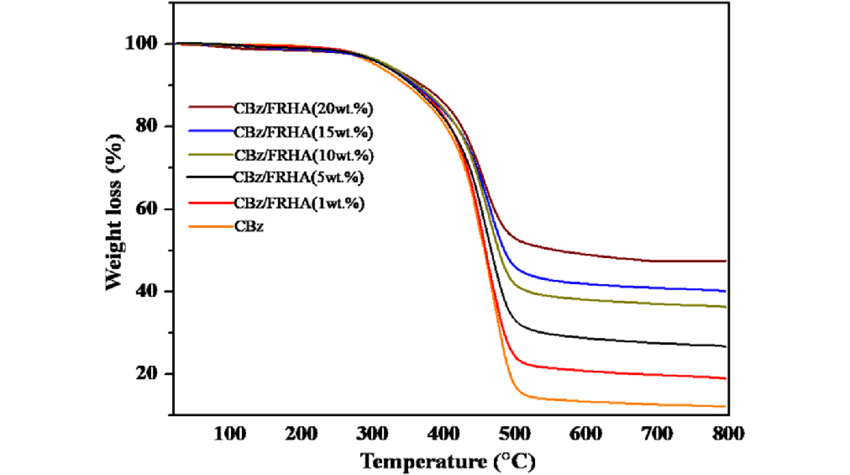
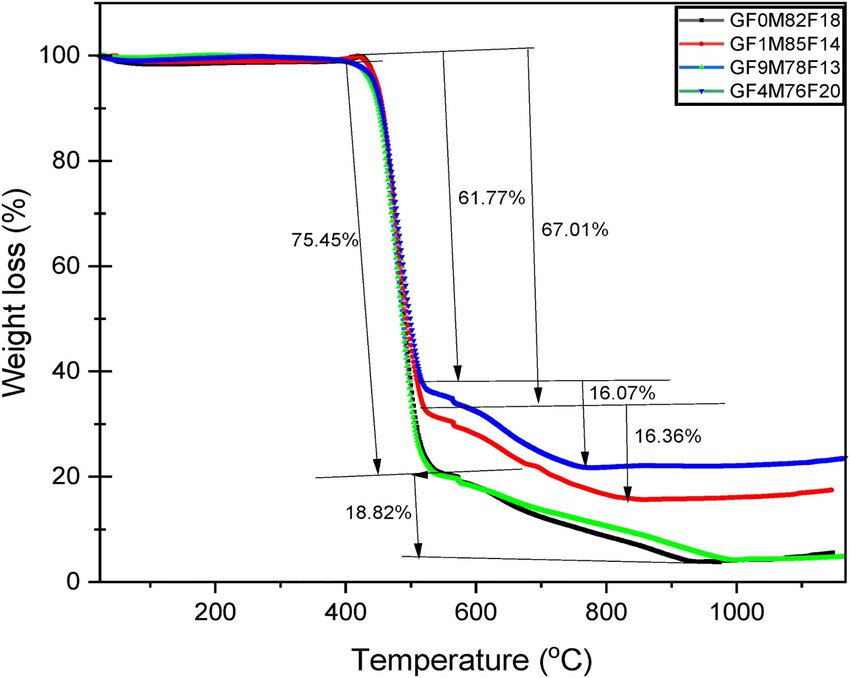
Our laboratory evaluates curing behavior, degree of cure, thermal stability, and decomposition characteristics. Thermal analysis techniques identify incomplete curing or improper processing conditions that may weaken final performance.
Resin characterization supports formulation development, quality assurance, and troubleshooting during scale-up or supplier transitions.
Non-Destructive Evaluation & Inspection
Composite materials often require non-destructive evaluation (NDE) to detect internal defects without damaging the component. Hidden delaminations, voids, and impact damage can compromise structural integrity.
We provide ultrasonic inspection, thermographic analysis, and other advanced NDE methods to assess internal quality. These techniques support in-process quality control, post-impact assessment, and field inspections.
NDE data complements mechanical testing results and enhances confidence in large-scale structural components used in aerospace, wind energy, and infrastructure applications.
Regulatory Compliance & Industry Standards
Composite components in aerospace, automotive, renewable energy, and construction sectors must meet stringent regulatory and performance standards. Independent verification ensures adherence to design specifications and safety requirements.
Our laboratory conducts testing aligned with relevant international standards for structural composites. We provide detailed documentation packages to support certification processes, supplier validation, and quality audits.
Early-stage compliance testing reduces redesign costs and accelerates product approval timelines.
Failure Analysis & Root Cause Investigation
Composite failures may result from delamination, fiber breakage, matrix cracking, environmental degradation, or manufacturing defects. Because failure modes can be complex and multi-layered, systematic investigation is essential.
Our failure analysis approach integrates fractography, microstructural examination, mechanical re-testing, and environmental conditioning. We identify crack initiation sites, fiber pull-out mechanisms, and interfacial weaknesses contributing to structural failure.
Clear, actionable reporting supports corrective actions, improved laminate design, and optimized production processes.
Driving Innovation in Lightweight & High-Strength Materials
Advancements in carbon fiber reinforced polymers (CFRP), glass fiber reinforced polymers (GFRP), hybrid composites, nano-reinforced laminates, and bio-based fiber systems continue to expand engineering possibilities. As industries demand lighter and stronger materials, rigorous validation ensures reliability, safety, and performance consistency.
At Genuine Testing, we collaborate with engineers, OEMs, and research teams to design customized composite testing programs tailored to specific load conditions, environmental exposures, and regulatory frameworks. Our multidisciplinary laboratory capabilities provide comprehensive evaluation from microstructure to full-scale structural performance.