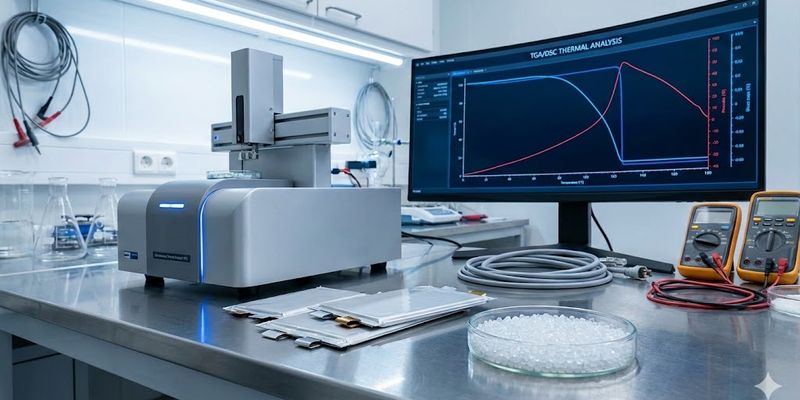
Composition & Materials ID
At Genuine Testing, we deliver precise composition analysis and materials identification to help you understand the exact makeup of your materials, products, or contaminants. Whether you’re validating specifications, investigating failures, identifying unknowns, or reverse engineering, our expertise provides the detailed insights you need. By combining advanced analytical techniques with expert interpretation, we uncover the elemental, chemical, and structural composition of metals, polymers, ceramics, coatings, composites, and more empowering you to make informed decisions about quality, compliance, and performance.Understanding exactly what a material is made of is fundamental to quality control, regulatory compliance, product development, and failure investigation. Whether verifying alloy composition, identifying an unknown polymer, confirming coating chemistry, or detecting contamination, accurate composition analysis provides the foundation for confident engineering decisions.
Genuine Testing offers comprehensive Composition & Materials Identification services for metals, polymers, ceramics, composites, coatings, and advanced functional materials. As an independent materials testing laboratory and Contract Research Organization (CRO), we provide precise, defensible analytical data that supports supplier validation, incoming inspection, product qualification, reverse engineering, and forensic analysis. Through advanced instrumentation and scientific expertise, we help organizations eliminate uncertainty and ensure that materials meet design specifications and industry requirements.
Why Choose Genuine Testing for Materials Identification?
Accurate & Detailed Analysis
We use state-of-the-art techniques to precisely characterize material composition down to trace elements and molecular structure.Fast & Reliable Results
With streamlined processes and expert analysts, we deliver actionable results quickly — without compromising accuracy.Broad Material Expertise
From unknown powders and coatings to finished components and films, we analyze virtually any material type.Support Across the Product Lifecycle
Our services support development, production, failure analysis, regulatory compliance, and competitive benchmarking.


Our Composition & Materials Identification Capabilities
We offer comprehensive testing to identify and quantify:
Elements, compounds, and trace contaminants
Bulk and surface composition
Phase and crystallographic information
Additives, fillers, and coatings
Contaminants and foreign material in products or processes
Techniques we employ include:
✅ Energy Dispersive X-ray Spectroscopy (EDS/EDX)
✅ X-ray Fluorescence (XRF)
✅ Fourier Transform Infrared Spectroscopy (FTIR)
✅ X-ray Diffraction (XRD)
✅ Scanning Electron Microscopy (SEM) with elemental mapping
✅ Auger Electron Spectroscopy (AES)
✅ Inductively Coupled Plasma (ICP) techniques
✅ Raman Spectroscopy
Applications & Industries
Our composition and materials ID services are trusted across many industries:
Aerospace & Defense — Verifying material certifications and identifying failure mechanisms.
Electronics & Semiconductors — Identifying thin film and contamination issues.
Medical Devices & Pharma — Ensuring biocompatibility and regulatory compliance.
Automotive & Transportation — Material verification and competitive analysis.
Energy & Oil/Gas — Identifying deposits, scale, and corrosion products.
Consumer Goods & Packaging — Ensuring correct materials and investigating defects.

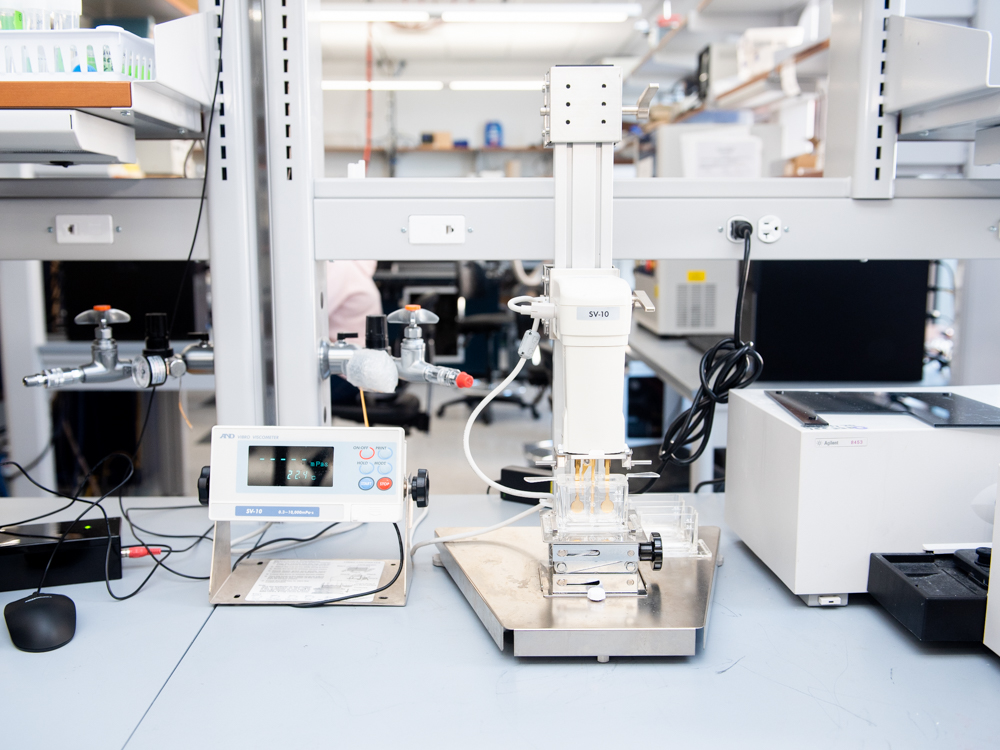
Elemental Composition Analysis for Metals & Alloys
Metallic materials must meet strict compositional standards to deliver expected mechanical strength, corrosion resistance, and thermal performance. Small deviations in alloying elements can significantly alter durability and safety.
Our laboratory performs high-precision elemental analysis to determine major, minor, and trace elements within metallic samples. Using advanced spectroscopic techniques, we verify compliance with alloy specifications and detect unintended impurities. These services are widely used in aerospace, automotive, construction, energy, and heavy manufacturing sectors where material integrity is critical.
In addition to verifying new materials, we analyze failed components to determine whether compositional inconsistencies contributed to cracking, corrosion, or structural failure.
Polymer & Plastic Identification
Polymers and plastics are used across countless applications, yet visual inspection alone is rarely sufficient to determine polymer type or formulation. Accurate polymer identification is essential for recycling validation, product verification, regulatory compliance, and performance troubleshooting.
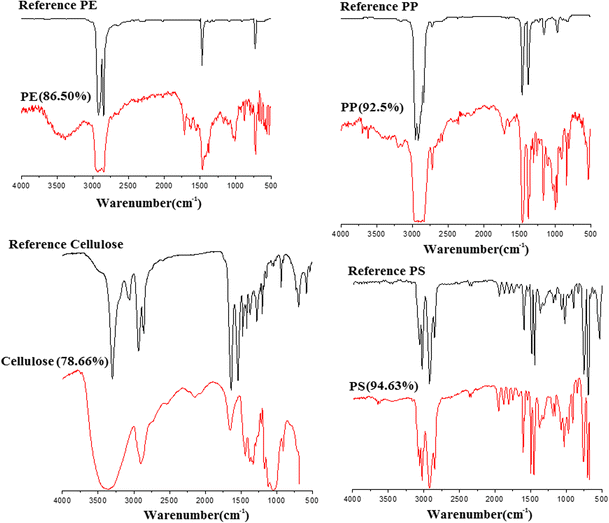
We utilize advanced spectroscopic techniques to identify polymer families, copolymers, and additive systems. Chemical fingerprinting allows differentiation between similar materials and detection of plasticizers, stabilizers, fillers, and flame retardants. This level of insight is particularly valuable when analyzing incoming materials, investigating product failures, or validating supplier claims.
Our polymer identification services support industries ranging from consumer goods and packaging to automotive components and medical devices.
Unknown Material Identification & Reverse Engineering
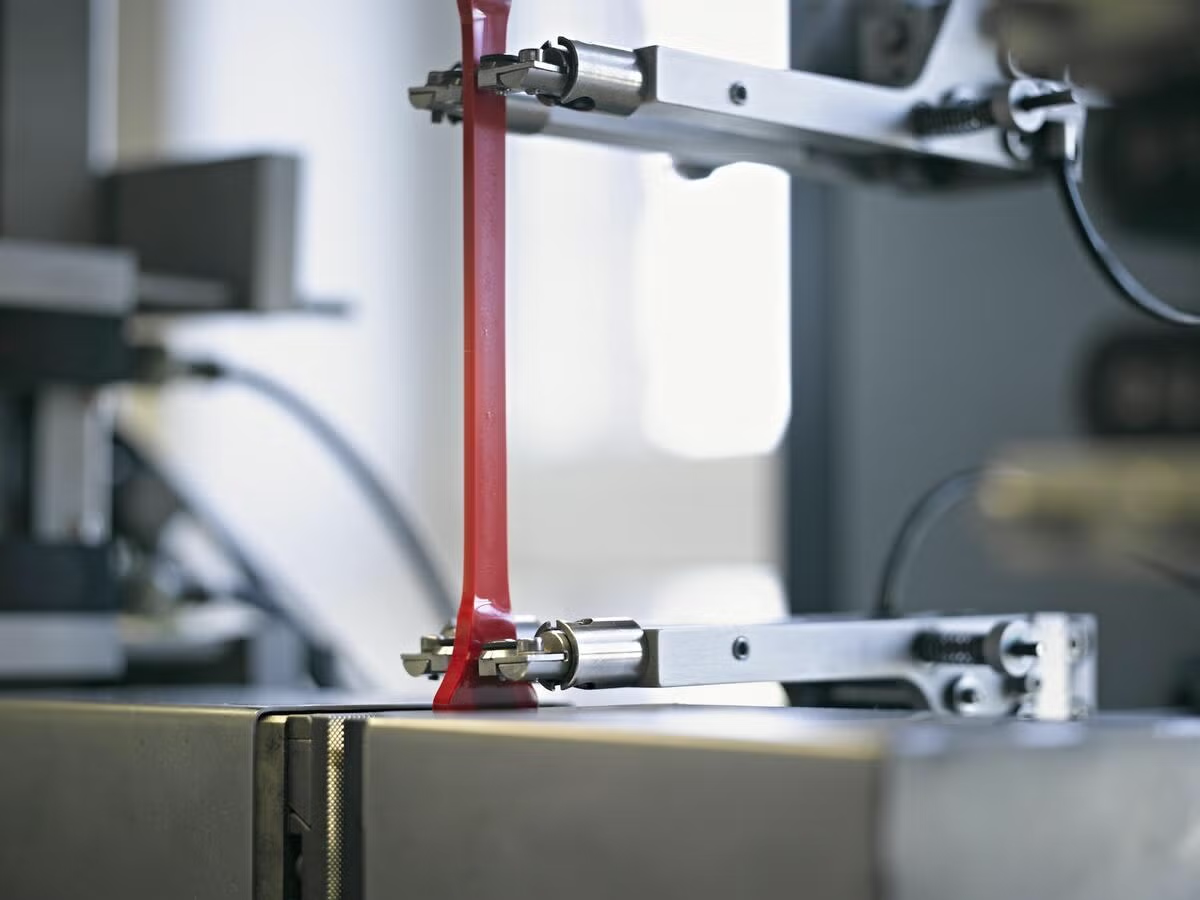
When materials lack documentation or labeling, rapid and accurate identification becomes essential. Unknown samples may arise during supply chain audits, competitive product analysis, contamination investigations, or forensic evaluations.
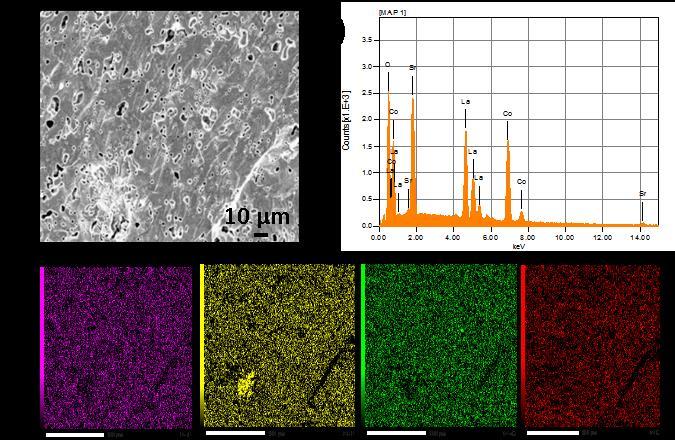
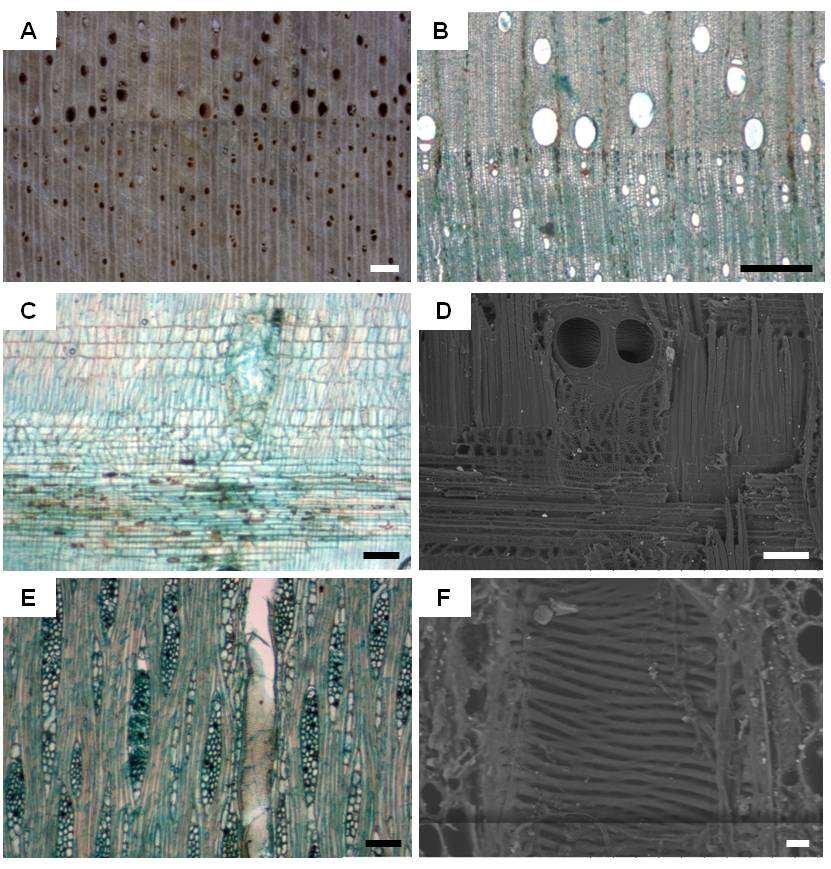
Our materials identification process combines microscopy, elemental analysis, and chemical characterization to determine composition and structural features. By integrating multiple analytical techniques, we identify metals, polymers, ceramics, coatings, and composite systems with high confidence.
Reverse engineering studies further evaluate microstructure, additive content, and manufacturing indicators, providing insight into formulation strategies and production methods. This information supports product benchmarking, intellectual property analysis, and performance comparison initiatives.
Coatings, Thin Films & Surface Composition
Surface layers often determine product functionality. Protective coatings, decorative finishes, corrosion barriers, conductive films, and adhesive layers must meet strict compositional requirements to perform as intended.
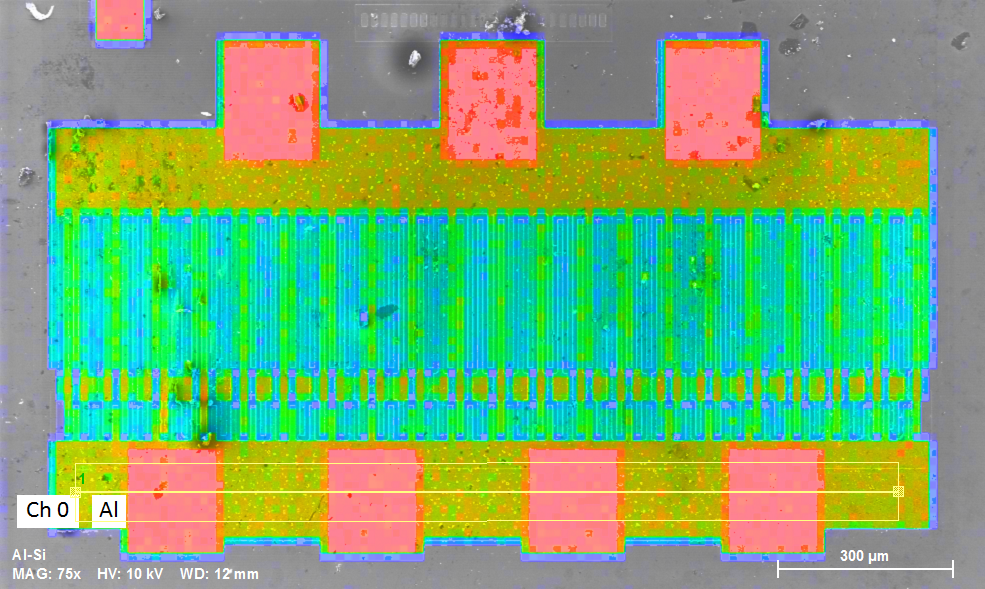
Our laboratory analyzes surface composition and layer structure to verify thickness, uniformity, and chemical integrity. Cross-sectional imaging combined with compositional mapping reveals multilayer architectures and potential contamination at interfaces. These evaluations are particularly important in aerospace coatings, electronics, industrial equipment, and medical devices.
Accurate surface composition data ensures performance reliability and regulatory compliance.
Trace Contaminant Detection
Trace contaminants can compromise mechanical strength, electrical conductivity, chemical stability, or product safety. Identifying the presence and origin of foreign materials requires sensitive analytical instrumentation and systematic investigation.
We perform trace-level elemental and chemical analysis to detect contamination in raw materials, finished products, and manufacturing environments. Whether investigating unexpected corrosion, discoloration, or performance anomalies, our laboratory identifies contaminants and supports corrective action strategies.
Third-party verification strengthens quality systems and reduces the risk of recurring production issues.
Integrated Analytical Techniques
Composition and materials identification often require a multi-technique approach. Our laboratory integrates elemental analysis, spectroscopy, thermal characterization, and advanced microscopy to provide comprehensive material profiles.
By combining structural imaging with chemical data, we correlate composition with performance characteristics. Thermal analysis reveals phase transitions and stability behavior, while spectroscopic techniques identify molecular structure and functional groups. This integrated methodology ensures accurate identification even for complex or multilayered systems.
Such comprehensive analysis supports product validation, supplier audits, and advanced research initiatives.

Quality Assurance, Compliance & Certification Support
Precise material identification is essential for maintaining compliance with industry regulations and material standards. Manufacturers must verify that supplied materials meet specified grades, composition limits, and restricted substance requirements.
Our structured laboratory reporting provides traceable analytical data suitable for audits, certification processes, and regulatory submissions. Independent third-party composition verification enhances credibility and reduces risk in supply chain management.
By ensuring accurate identification and documentation, we help organizations maintain consistent product quality and regulatory alignment.
Enabling Confident Material Decisions
In today’s global manufacturing environment, materials move through complex supply chains and must meet increasingly demanding performance expectations. Uncertainty in composition can lead to mechanical failure, corrosion, contamination, or regulatory noncompliance.
Genuine Testing’s Composition & Materials Identification services eliminate ambiguity by delivering precise, science-based answers. Through advanced instrumentation, multidisciplinary expertise, and rigorous quality standards, we help clients confirm material authenticity, diagnose failures, validate suppliers, and accelerate product development.
By providing clarity at the elemental and molecular level, we empower organizations to make informed decisions, protect product integrity, and maintain the highest standards of safety and performance across diverse industries.