Failure Analysis – Materials
Material failures can occur unexpectedly and often have significant consequences for product reliability, safety, and operational performance. When a component breaks, cracks, corrodes, or degrades prematurely, it can lead to equipment downtime, product recalls, financial losses, and potential safety risks. Identifying the root cause of such failures is essential for preventing recurrence and improving the design and manufacturing processes behind the affected materials.
Failure analysis is the scientific investigation of why a material or component did not perform as intended. Rather than simply documenting the failure, this process examines the material structure, environmental conditions, manufacturing history, and service stresses that contributed to the problem. Through detailed examination and analytical testing, engineers and scientists can determine the mechanisms responsible for the failure and recommend corrective actions.
Why Choose Genuine Testing for Failure Analysis?
Comprehensive Capabilities
From metals and ceramics to composites and polymers, we analyze a wide range of materials and failure modes.Advanced Tools & Expertise
Our laboratory is equipped with cutting-edge microscopy, spectroscopy, and mechanical testing equipment, operated by experienced materials scientists and engineers.Root Cause Focused
We don’t just describe the failure — we identify the underlying mechanisms and contributing factors so you can take corrective action.Fast Turnaround & Clear Reporting
Timely, accurate results presented in clear, actionable reports to support your decision-making.

Common Causes of Material Failures
Fatigue, fracture, or overload
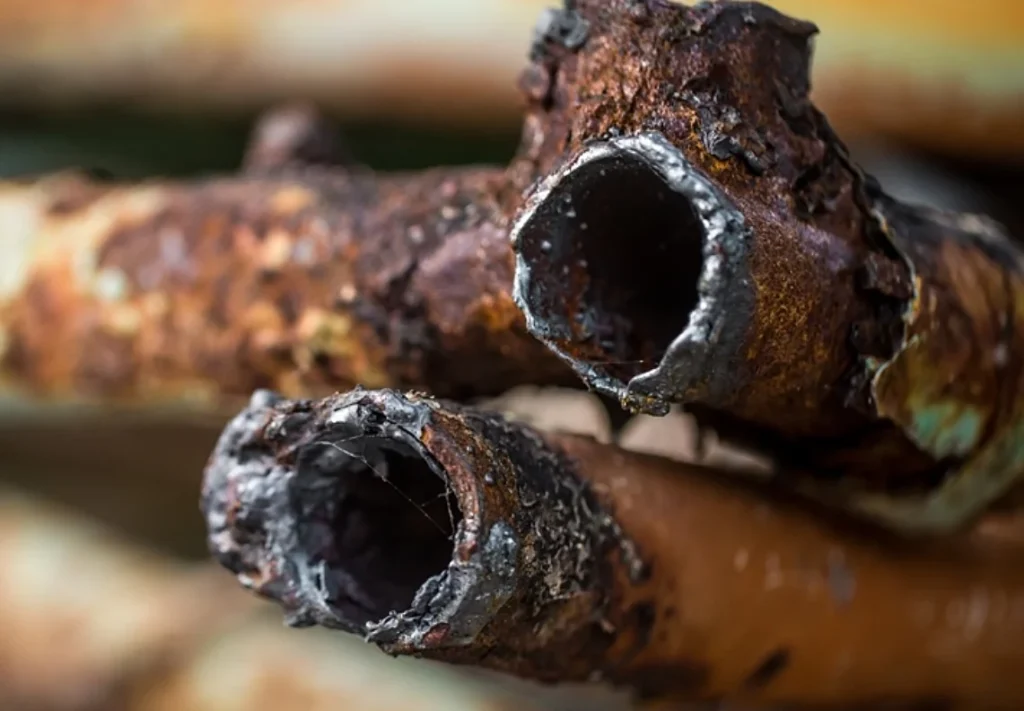
Corrosion and environmental degradation
Contamination or inclusions
Design or manufacturing defects
Material selection or processing errors
Wear and abrasion
Thermal or chemical damage
Our Failure Analysis Testing Capabilities
We offer a full suite of techniques and methods tailored to your material and failure type:
Fractography & fracture surface analysis (SEM, optical microscopy)
Metallography & microstructure evaluation
Mechanical testing (tensile, hardness, impact)
Chemical composition analysis (EDS, XRF, FTIR)
Corrosion testing & evaluation
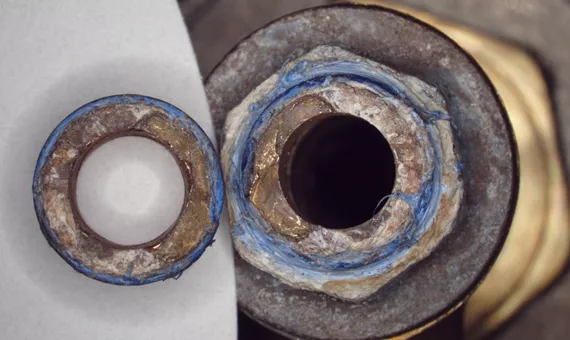
Cross-sectional analysis & imaging
Contaminant identification
Residual stress & fatigue analysis
Applications & Industries
Our Failure Analysis materials services support a wide range of industries, including:
Aerospace & Automotive
Electronics & Semiconductors
Medical Devices & Implants
Energy & Power Generation
Construction & Infrastructure
Consumer Products
The Complexity of Material Failure Mechanisms
Material failures rarely result from a single factor. In many cases, failures occur due to a complex combination of material properties, manufacturing processes, environmental conditions, and mechanical stresses. Even small variations in these factors can influence how a material behaves under real-world operating conditions.
For example, fatigue failure occurs when a component experiences repeated cyclic stresses over time. Although the applied stresses may be lower than the material’s ultimate strength, microscopic cracks can gradually form and propagate until the component eventually fractures. Similarly, stress corrosion cracking may occur when mechanical stress and corrosive environments interact, causing cracks to develop within susceptible materials.
Other common failure mechanisms include brittle fracture, ductile overload, wear, corrosion, thermal degradation, and manufacturing defects. In some situations, improper material selection or poor processing conditions may introduce weaknesses that remain undetected until the component is exposed to service conditions.
Investigative Approach to Failure Analysis
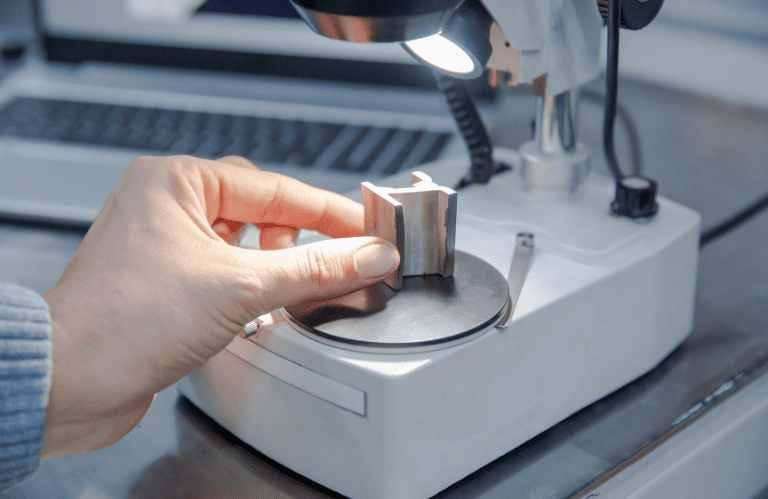
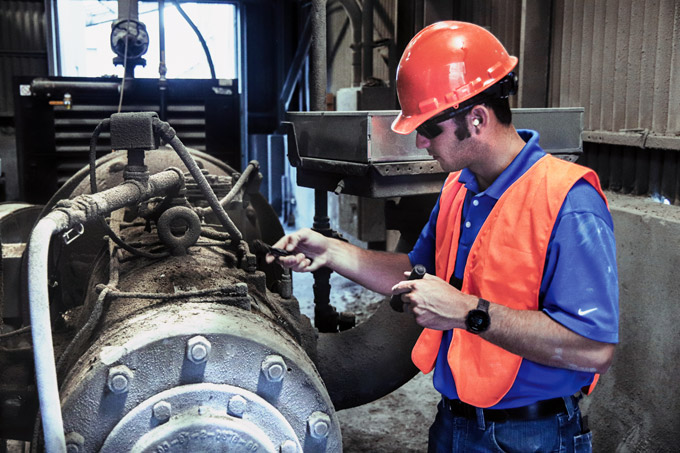
A thorough failure analysis begins with a detailed examination of the failed component or material. Preserving the physical evidence is critical, as fracture surfaces, deformation patterns, and corrosion products often provide valuable clues about the sequence of events that led to failure.
Initial visual inspection allows investigators to document fracture locations, surface features, deformation characteristics, and environmental exposure conditions. Photographic documentation and microscopic imaging help capture important details that may not be visible to the naked eye.
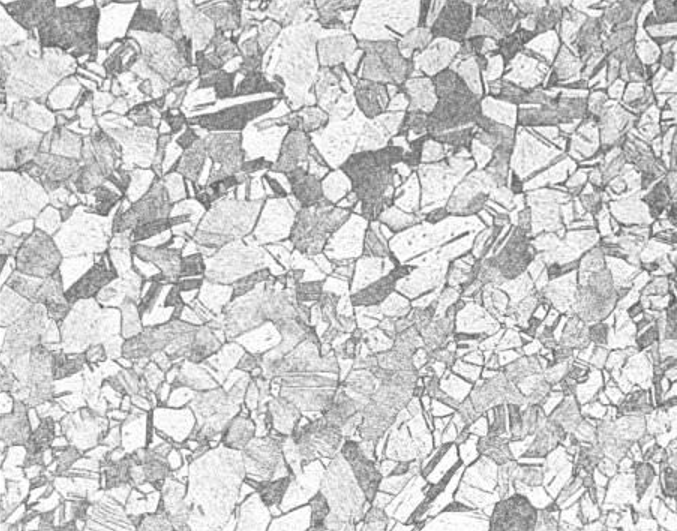
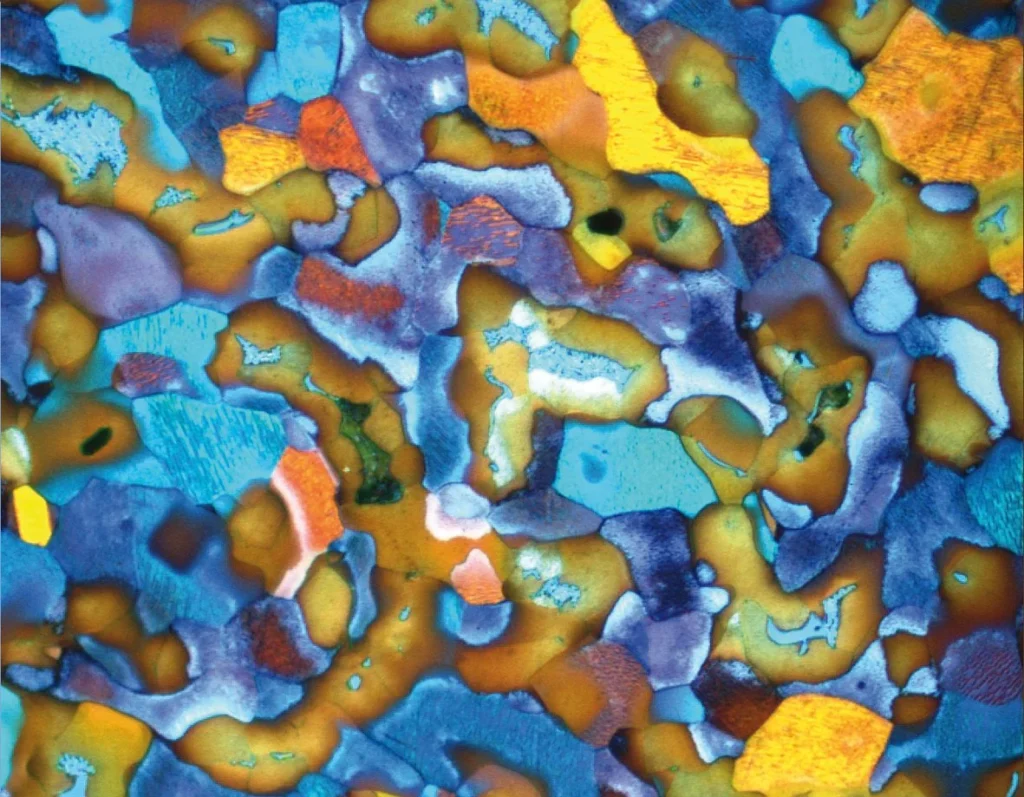
Once the initial observations are complete, samples may be prepared for further laboratory testing. Cross-sectioning and metallographic preparation allow scientists to examine the internal microstructure of the material, revealing grain structures, inclusions, voids, or other defects that may have contributed to the failure.
Advanced Analytical Techniques in Failure Analysis
Modern failure analysis relies on a range of advanced analytical techniques that allow scientists to study materials at microscopic and even atomic levels. These technologies provide detailed information about the composition, structure, and properties of materials involved in a failure.
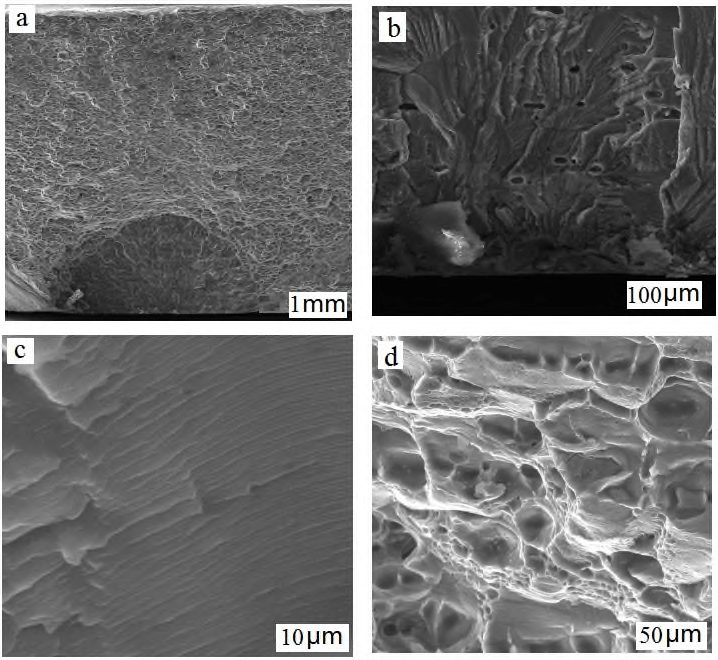
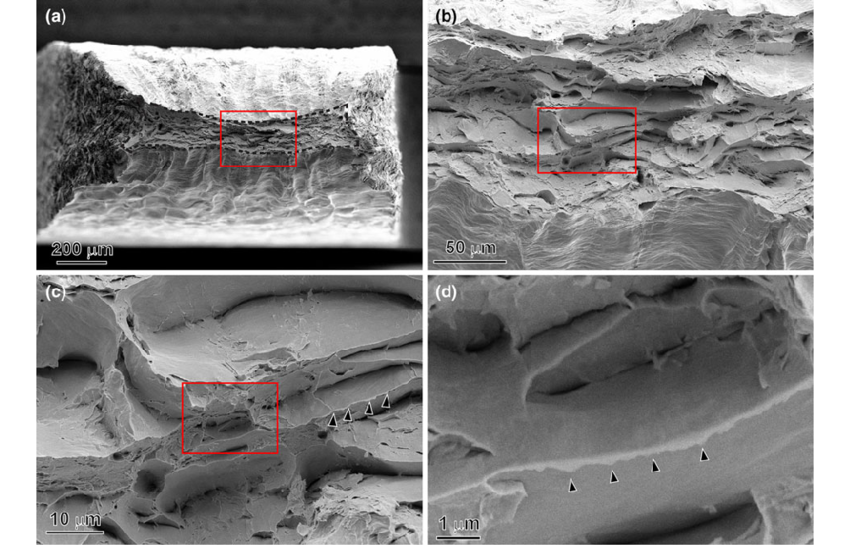
High-resolution microscopy enables investigators to examine fracture surfaces and identify features such as fatigue striations, brittle cleavage patterns, or ductile deformation. These microscopic features often reveal the type of stress or environmental condition that initiated the failure.
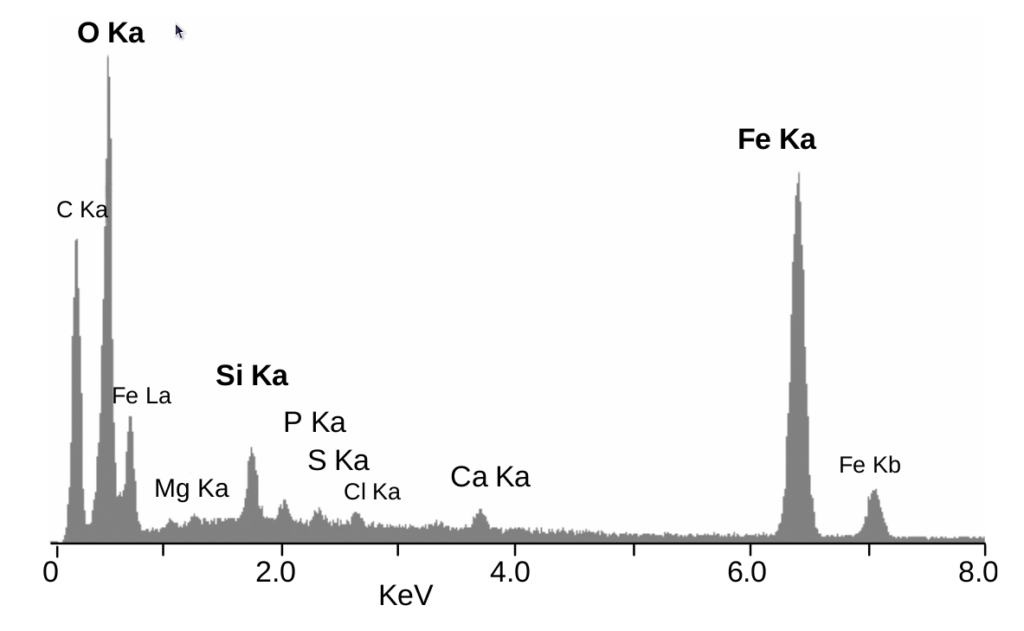
Elemental analysis techniques help determine the chemical composition of materials and detect the presence of contaminants, corrosion products, or alloying elements that may influence material performance. Identifying unexpected elements or impurities can provide critical clues about manufacturing issues or environmental exposure.
Identifying Root Causes and Preventing Recurrence
Failure analysis is most valuable when it leads to actionable solutions that prevent similar failures from occurring in the future. Once the underlying cause of a failure has been identified, organizations can take steps to improve product design, manufacturing processes, material selection, or maintenance procedures.
For example, if fatigue failure is identified as the primary cause, engineers may redesign components to reduce stress concentrations or increase material strength. If corrosion is found to be responsible, protective coatings, improved environmental controls, or corrosion-resistant materials may be recommended.
Manufacturing defects such as improper heat treatment, inclusions, or inadequate welding procedures can also lead to failures. Identifying these issues allows manufacturers to adjust process controls, improve quality assurance practices, and ensure that future components meet required performance standards. By addressing the root cause rather than the symptoms of a failure, organizations can significantly reduce the likelihood of recurring problems and improve overall product reliability.
Applications Across Industrial Sectors
Materials failure analysis is critical in many industries where component reliability directly impacts safety, performance, and operational efficiency. In the aerospace and automotive sectors, failure investigations help ensure that critical mechanical components perform reliably under demanding conditions. Identifying the cause of a component failure can lead to design improvements that enhance safety and durability.
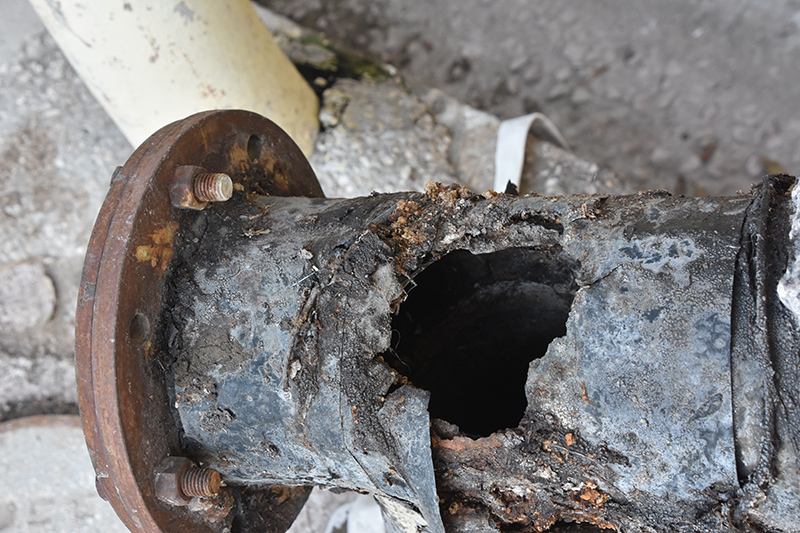
Energy and infrastructure industries frequently rely on failure analysis to investigate pipeline leaks, structural degradation, or corrosion damage. Understanding the mechanisms behind these failures helps engineers implement preventive maintenance strategies and select materials better suited to harsh environments.
Electronics manufacturers may use failure analysis to study fractures in solder joints, degradation of conductive materials, or mechanical failures within delicate components. Similarly, manufacturers of industrial equipment often investigate failures in gears, bearings, shafts, and structural components to improve machine reliability.
Supporting Quality Assurance and Product Development
Failure analysis is not limited to investigating catastrophic failures. It is also an important tool in quality assurance and product development processes. By studying how materials behave under different conditions, engineers can identify potential weaknesses before products reach the market.
For example, analyzing early-stage test failures during product development can reveal design limitations or material incompatibilities that might otherwise lead to field failures later. Addressing these issues early in the development process helps manufacturers avoid costly recalls and reputation damage.
Failure analysis data also contributes to improved testing protocols and quality control procedures. By understanding the conditions that lead to material degradation, organizations can design more effective durability tests and inspection methods that ensure consistent product performance.
Partner with Genuine Testing for Materials Failure Analysis
When a material or component fails unexpectedly, accurate analysis is essential for understanding the cause and preventing similar issues in the future. Genuine Testing provides comprehensive materials failure analysis services designed to identify root causes and deliver practical solutions for manufacturers and engineers.
Our laboratory combines advanced analytical instrumentation with extensive experience in materials science, metallurgy, and chemical characterization. By carefully examining failed components and evaluating all relevant factors, we deliver clear and reliable conclusions supported by detailed scientific data.
Whether you are investigating a product failure, validating material performance, or seeking insights to improve design and manufacturing processes, Genuine Testing offers the expertise needed to uncover the true cause of material failures. Contact our team today to discuss your failure analysis requirements or request a customized analytical investigation tailored to your project.