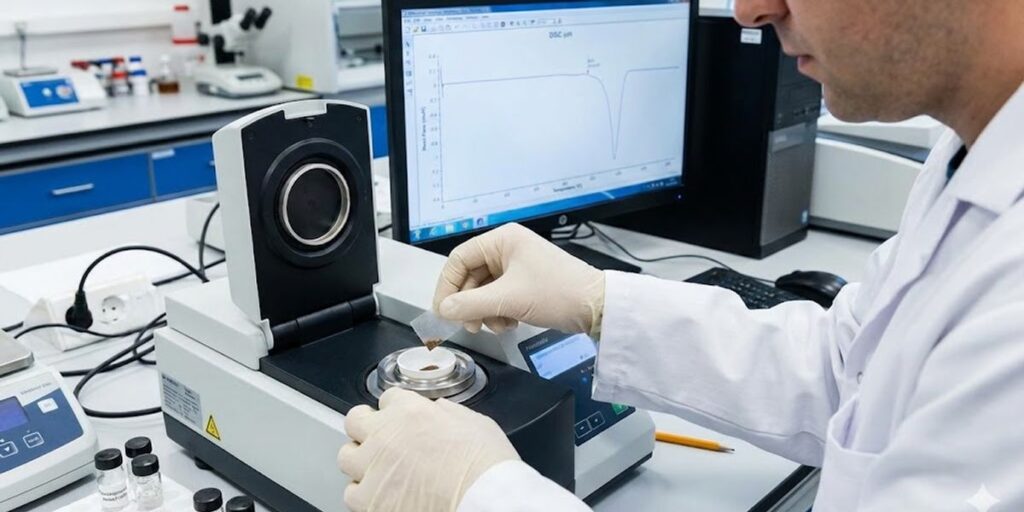
Materials Characterization
Materials characterization is a fundamental process in modern research, product development, and quality assurance. It involves studying the physical, chemical, mechanical, and structural properties of materials to understand how they behave under different conditions. Whether a material is intended for use in medical devices, pharmaceuticals, electronics, or industrial applications, its performance and reliability depend heavily on its underlying properties.
Through advanced analytical techniques, materials characterization allows scientists and engineers to examine the composition and structure of materials at both microscopic and molecular levels. These insights help determine how materials will respond to environmental stresses, manufacturing processes, and long-term use. By identifying potential weaknesses or inconsistencies early in the development process, manufacturers can optimize their materials and ensure that final products meet strict safety and performance standards.
Why Choose Genuine Testing for Materials Characterization?
Comprehensive Analysis
From elemental composition to crystallography and microstructure, we offer a full suite of advanced characterization techniques.Expertise You Can Trust
Our experienced scientists and engineers bring decades of knowledge across industries and materials types.Support for Every Stage
Whether you’re developing new materials, verifying suppliers, or troubleshooting failures, we help at every step.Detailed, Actionable Results
We deliver clear, accurate reports that help you understand your material properties and how to optimize them.
Our Testing Capabilities
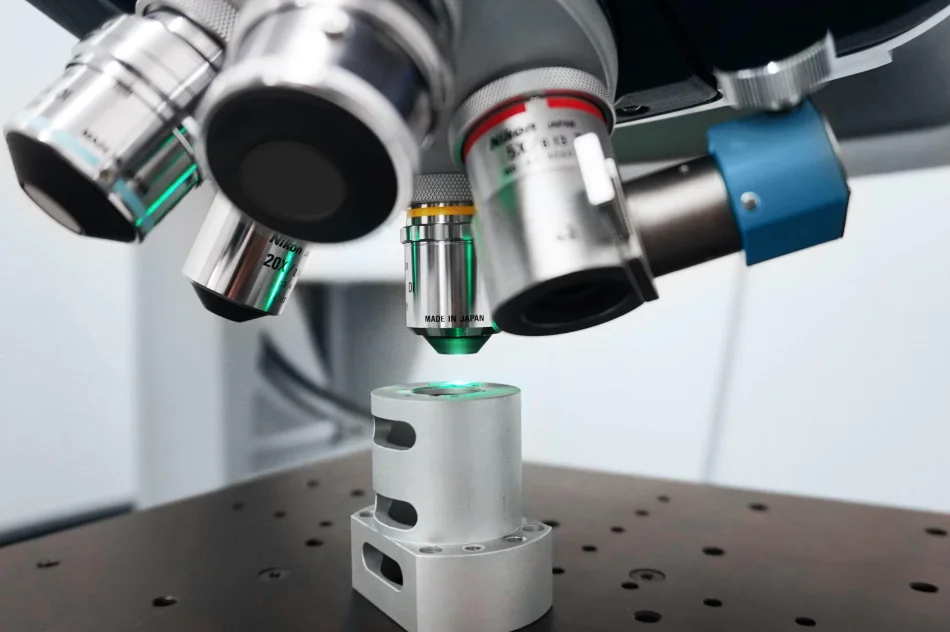
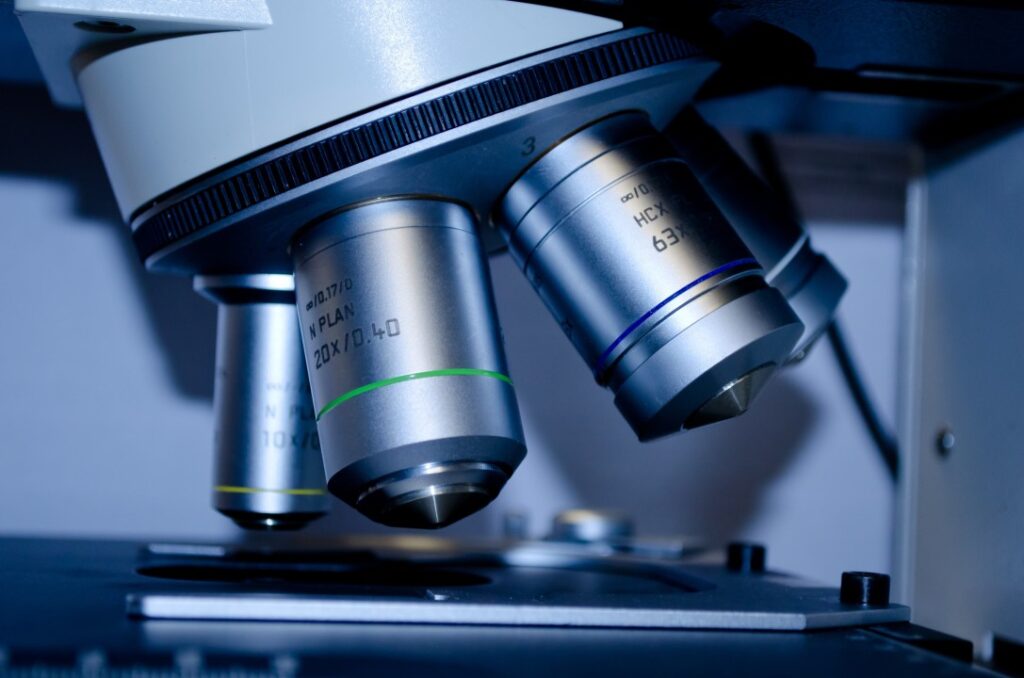
We use advanced analytical techniques to reveal critical information about your materials:
Elemental and chemical composition analysis
Phase identification & crystallography
Surface & interface characterization
Mechanical property assessment (hardness, strength, elasticity)
Microstructure and morphology studies
Thermal & optical properties evaluation
Applications & Industries
We serve a wide range of industries and applications, including:
Aerospace & automotive materials
Medical devices & biomedical materials
Electronics & semiconductors
Polymers, composites & coatings
Energy & battery materials
Industrial metals & alloys
The Role of Materials Characterization in Product Development
Materials characterization plays a critical role in every stage of product development, from early research to final manufacturing. Before a material can be used in a commercial product, developers must understand its composition, structure, and performance characteristics. This information allows engineers to select the most suitable materials for specific applications and ensure that they meet required performance standards.
During the early stages of development, researchers often experiment with different material formulations to achieve desired properties such as strength, flexibility, thermal stability, or chemical resistance. Materials characterization techniques provide the data needed to evaluate these formulations and determine which ones offer the best performance. By analyzing factors such as molecular composition, crystallinity, and surface morphology, scientists can gain valuable insights into how a material behaves and how it can be improved.
As development progresses toward manufacturing, materials characterization becomes essential for verifying product consistency. Production processes must maintain strict control over material properties to ensure that every batch meets the same specifications. Analytical testing helps identify variations that may occur during processing, allowing manufacturers to correct issues before they affect product quality.
Advanced Analytical Techniques for Material Evaluation
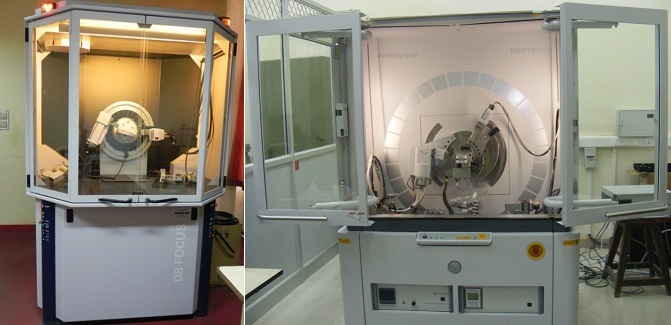
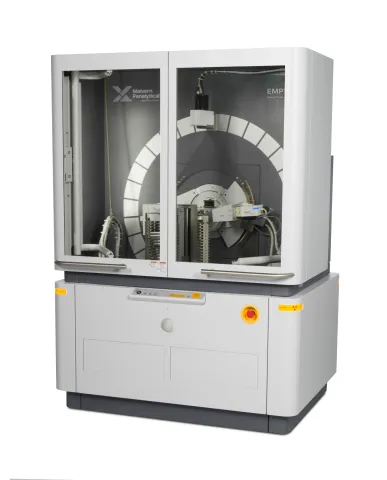
Modern materials characterization relies on a wide range of advanced analytical techniques that allow scientists to study materials with exceptional precision. These techniques provide detailed information about the composition, structure, and physical properties of materials, enabling researchers to understand how they behave under different conditions.
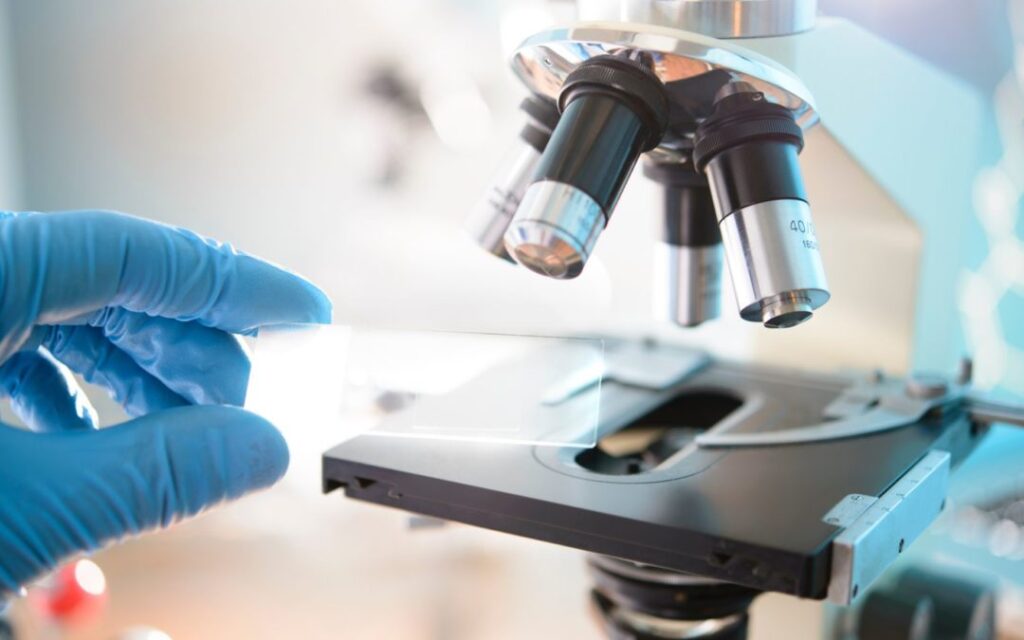
Microscopy techniques are commonly used to observe the microstructure of materials. Instruments such as scanning electron microscopes allow researchers to examine surfaces at extremely high magnification, revealing features that are invisible to the naked eye. These observations help scientists identify structural defects, surface irregularities, or contamination that may affect performance.
Spectroscopic methods are also widely used in materials characterization. These techniques analyze how materials interact with electromagnetic radiation to determine their chemical composition and molecular structure. By studying these interactions, scientists can identify the presence of specific compounds, impurities, or additives within a material.
Ensuring Quality and Consistency in Manufacturing
Maintaining consistent material quality is essential for reliable product manufacturing. Variations in raw materials, processing conditions, or environmental factors can affect the properties of a material and ultimately influence the performance of the final product. Materials characterization plays a key role in identifying these variations and ensuring that manufacturing processes remain under control.
Quality control laboratories rely on analytical testing to verify that materials meet established specifications before they are used in production. These tests help detect impurities, structural inconsistencies, or deviations from expected chemical compositions. By identifying such issues early, manufacturers can prevent defective materials from entering the production process.
Materials characterization is also valuable for troubleshooting manufacturing problems. If a product fails to perform as expected, analytical testing can help identify the root cause of the issue. For example, changes in surface structure, chemical composition, or material stability may explain unexpected performance problems. With this information, manufacturers can make targeted adjustments to their processes and restore product quality.
Supporting Innovation Across Multiple Industries
Materials characterization supports innovation across a wide range of industries by providing the scientific insights needed to develop safer, more efficient products. In healthcare and biomedical engineering, advanced biomaterials are used in applications ranging from implants and surgical instruments to drug delivery systems and tissue engineering scaffolds. Each of these applications requires a deep understanding of material properties to ensure compatibility with biological systems and long-term reliability.
In the pharmaceutical industry, materials characterization is essential for evaluating packaging materials that protect sensitive medications. Packaging must provide a stable environment that prevents contamination and preserves drug efficacy throughout the product’s shelf life. Analytical testing helps ensure that packaging materials meet these strict requirements.
Electronics and wearable technology industries also rely heavily on materials characterization. Modern devices often incorporate specialized materials designed to provide durability, flexibility, and resistance to environmental conditions. Characterization techniques help engineers understand how these materials behave and ensure that devices remain reliable during everyday use.