
Metallurgical Analysis
Metallurgical analysis is an essential process for understanding the composition, structure, and performance characteristics of metals and metal alloys. In industries where structural integrity and material reliability are critical, even the smallest variation in metal composition or processing can influence product performance and safety. Metallurgical testing provides detailed insights into the physical and chemical properties of metals, allowing engineers and manufacturers to evaluate whether materials meet required specifications and industry standards.
Through specialized laboratory techniques, metallurgical analysis examines how metals behave under different conditions such as mechanical stress, heat exposure, corrosion, and manufacturing processes. These studies help identify defects, impurities, or inconsistencies that may affect the durability or functionality of a metal component. By detecting such issues early, manufacturers can improve material quality, optimize production processes, and prevent costly failures. In sectors such as aerospace, automotive, construction, medical device manufacturing, and heavy engineering, metal components must withstand demanding operating environments. Metallurgical analysis ensures that these materials possess the strength, hardness, and structural integrity required for their intended applications. It also helps confirm that metals have been processed correctly through techniques such as heat treatment, welding, or forming.
Why Choose Genuine Testing for Metallurgical Analysis?
In-depth Expertise
Our metallurgists and materials scientists bring deep knowledge of metal behavior, processing, and performance.State-of-the-Art Tools
We use cutting-edge equipment and methods to analyze metals and alloys with precision and reliability.Actionable Results
Our clear and accurate reports help you optimize materials, improve processes, and prevent costly failures.Wide Application Range
From aerospace components to medical implants and industrial machinery, we test metals for diverse industries.


Our Testing Capabilities
Our metallurgical analysis services include:
Chemical composition analysis of metals & alloys
Microstructural examination (grain size, phase distribution)
Failure analysis of metal components
Heat treatment verification and analysis
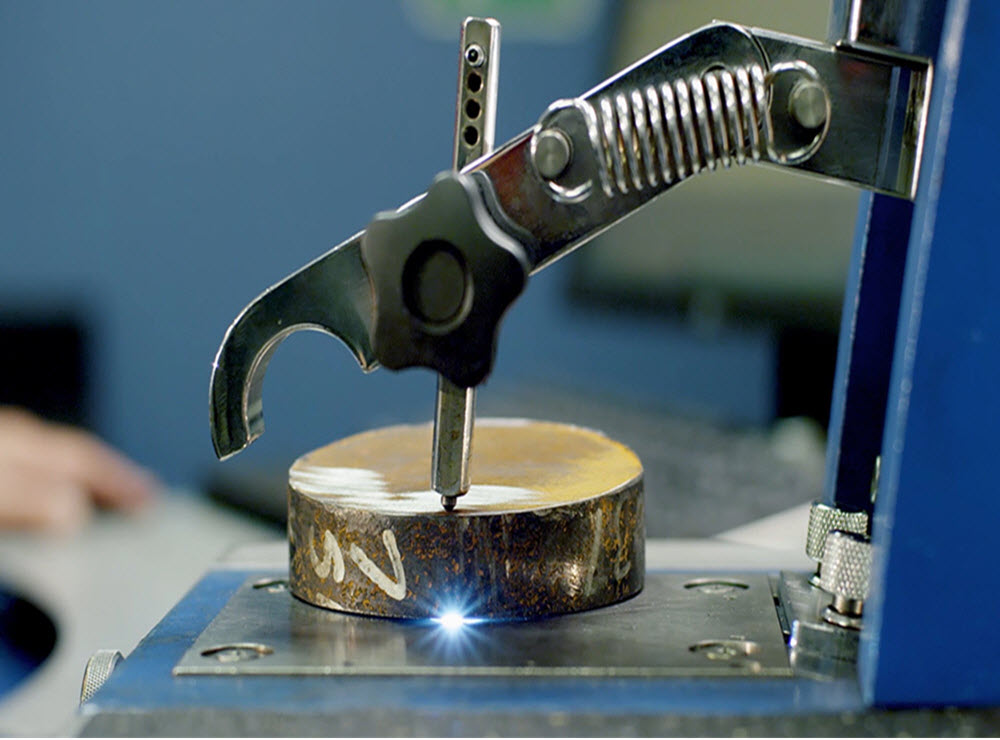
Hardness and mechanical property testing
Surface & coating evaluation
Corrosion testing of metals
Applications & Industries
We support industries where metal performance is critical, including:
Aerospace & defense
Automotive & transportation
Oil & gas equipment
Medical devices
Energy & power generation
Manufacturing & construction
Metallurgical Analysis in Manufacturing and Quality Control
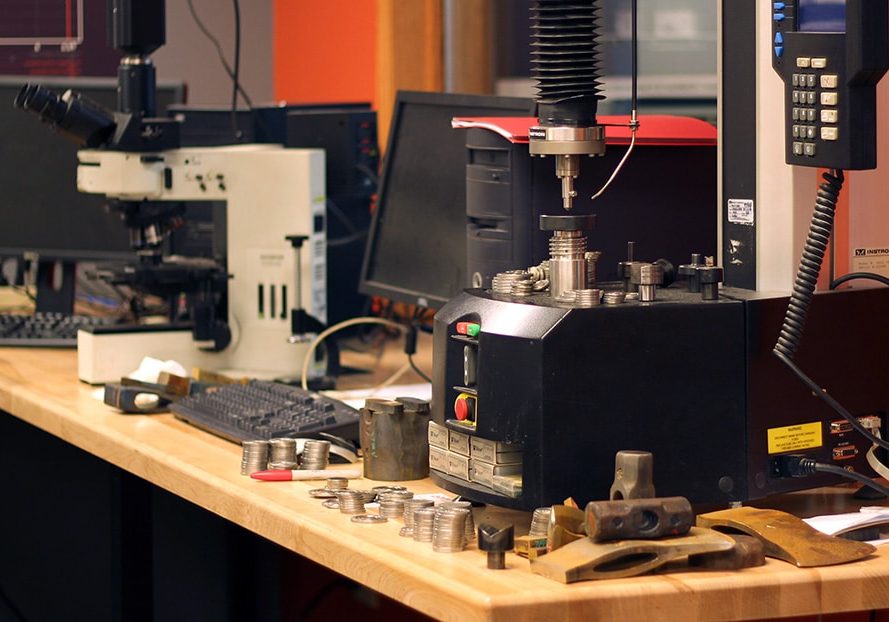
Metallurgical analysis plays a critical role in modern manufacturing by ensuring that metal materials consistently meet required quality standards. During production, raw materials undergo various processes such as casting, forging, machining, and heat treatment. Each of these steps can influence the final properties of the metal, making careful monitoring essential for maintaining consistent product quality.
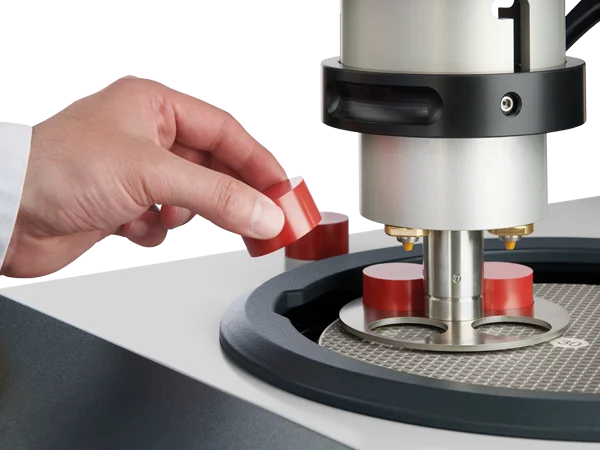
Analytical testing helps manufacturers verify that metals contain the correct alloy composition and exhibit the expected structural characteristics. Even minor variations in elements such as carbon, chromium, nickel, or titanium can significantly impact the performance of an alloy. Metallurgical analysis allows laboratories to detect these variations and confirm that materials conform to industry specifications.
Quality control laboratories often use metallurgical testing to evaluate incoming raw materials before they enter the manufacturing process. This verification step ensures that suppliers provide materials that meet agreed specifications and prevents unsuitable materials from being used in production. Such proactive quality checks help reduce the risk of product defects and costly manufacturing delays.
Microstructural Examination and Material Properties
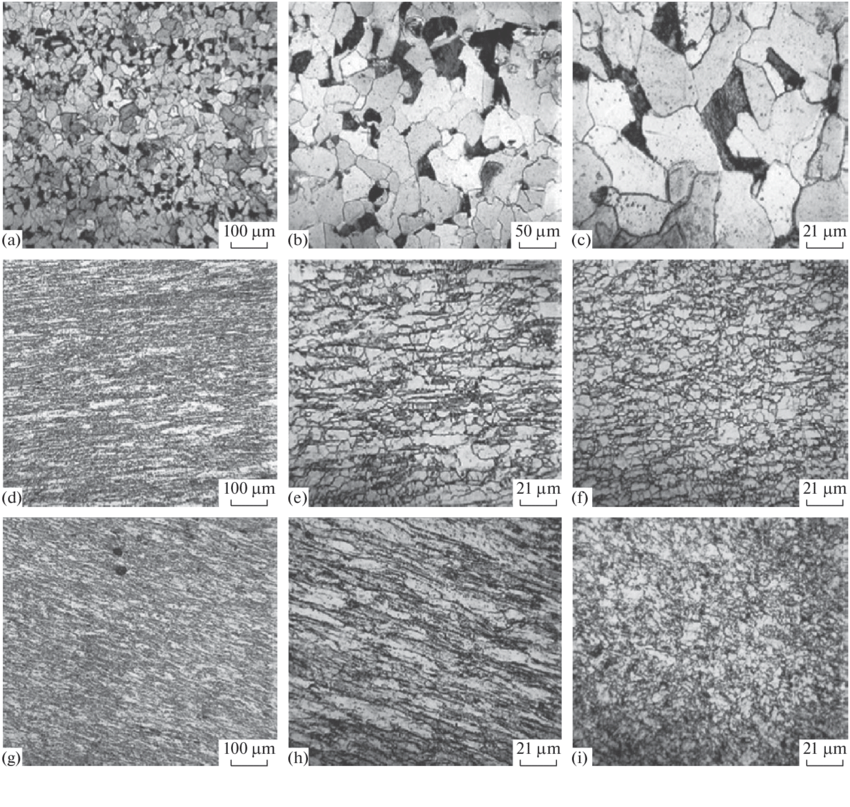
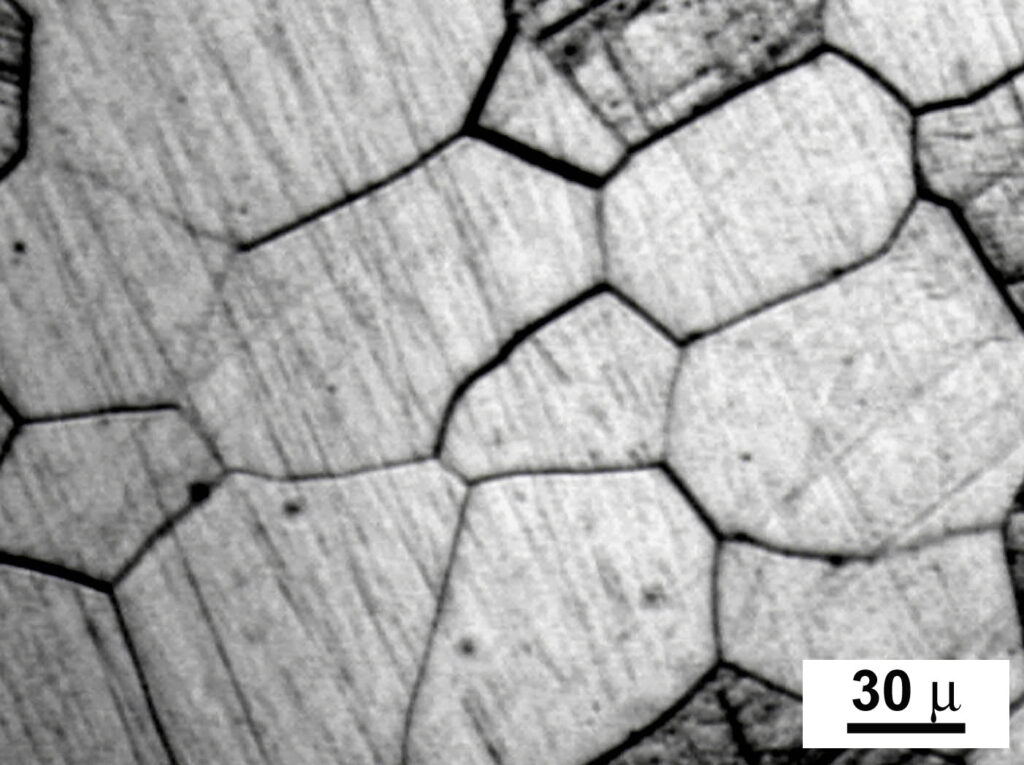
One of the most important aspects of metallurgical analysis is the study of a metal’s microstructure. Microstructural examination reveals how atoms and grains are arranged within the material, providing valuable information about its mechanical properties and overall performance. These microscopic features can influence characteristics such as strength, hardness, ductility, and resistance to fatigue or corrosion.
To perform microstructural analysis, metallurgists prepare small samples of the metal through a process known as metallography. This process involves cutting, mounting, polishing, and chemically etching the sample so that its internal structure becomes visible under a microscope. Once prepared, the sample can be examined using optical or electron microscopy to reveal grain patterns, phase distributions, and potential defects.
The grain structure of a metal often provides clues about how it was processed. For example, heat treatment processes can alter grain size and distribution, which directly affects the strength and toughness of the material. By analyzing these features, metallurgists can determine whether a metal has undergone proper thermal processing or whether additional treatment may be required.
Failure Analysis and Root Cause Investigation
Despite careful design and manufacturing processes, metal components can sometimes fail during service. When such failures occur, metallurgical analysis plays a crucial role in determining the underlying cause. Failure analysis involves a systematic investigation of the damaged component to identify factors such as material defects, improper heat treatment, corrosion, fatigue, or excessive mechanical stress.
By examining the fracture surface and internal structure of the metal, metallurgists can often determine how and why the failure occurred. Microscopic analysis may reveal patterns that indicate fatigue cracking, brittle fracture, or corrosion-related damage. Chemical analysis can identify contamination or alloy composition errors that may have weakened the material. Understanding the root cause of a failure is essential for preventing similar issues in the future. Manufacturers can use the findings from metallurgical investigations to improve material selection, modify design parameters, or refine manufacturing processes. These improvements help enhance product reliability and reduce the likelihood of costly failures in the field.
Supporting Innovation Across Engineering Industries
Metallurgical analysis supports innovation across a wide range of engineering industries by providing the scientific insights needed to develop stronger, lighter, and more durable materials. As technology advances, engineers continue to explore new alloys and manufacturing techniques that improve performance while reducing weight and energy consumption.
In the aerospace industry, for example, advanced alloys must withstand extreme temperatures, high mechanical loads, and demanding environmental conditions. Metallurgical analysis helps researchers evaluate these materials and ensure that they maintain their structural integrity during long-term service.
The automotive sector also relies heavily on metallurgical testing to develop materials that enhance vehicle safety, fuel efficiency, and durability. High-strength steels and lightweight alloys are commonly used in modern vehicles, and their performance must be carefully evaluated to ensure they meet strict engineering standards.
Infrastructure and construction industries depend on metallurgical analysis to verify the strength and durability of structural materials such as steel beams, reinforcement bars, and industrial components. These materials must perform reliably over decades of use while withstanding environmental stresses and heavy loads.
At Genuine Testing, our metallurgical analysis services are designed to support organizations across these industries. By combining advanced analytical equipment with deep scientific expertise, we provide reliable data that helps clients evaluate materials, improve manufacturing processes, and develop innovative engineering solutions. Our goal is to help manufacturers and researchers achieve higher levels of quality, safety, and performance in their metal-based products.