Metals and Alloys
Advanced Validation for Metal & Alloy Performance
Metals and alloys remain fundamental to modern engineering, supporting critical applications across aerospace, automotive, energy, construction, marine, medical, and industrial sectors. From structural steel in high-rise buildings to lightweight aluminum in transportation systems and high-temperature superalloys in turbine engines, metallic materials must demonstrate exceptional strength, durability, and reliability under demanding service conditions. Comprehensive testing and validation are essential to ensure that these materials meet performance specifications, regulatory standards, and long-term operational requirements.
At Genuine Testing, we provide advanced metals and alloys testing services designed to evaluate mechanical performance, chemical composition, microstructural integrity, and environmental resistance. As an independent materials testing laboratory and Contract Research Organization (CRO), we support manufacturers, OEMs, fabricators, and research institutions with accurate, defensible, and standards-aligned performance data. Our integrated approach combines mechanical testing, metallurgical analysis, chemical characterization, and failure investigation to deliver a complete understanding of material behavior.
Our Metals & Alloys Testing Capabilities
We analyze and evaluate metallic materials across industries such as aerospace, automotive, construction, medical devices, energy, and manufacturing. Our services include:
Composition Analysis
Determine the elemental makeup of metals and alloys to verify specifications or detect impurities.Microstructure Examination
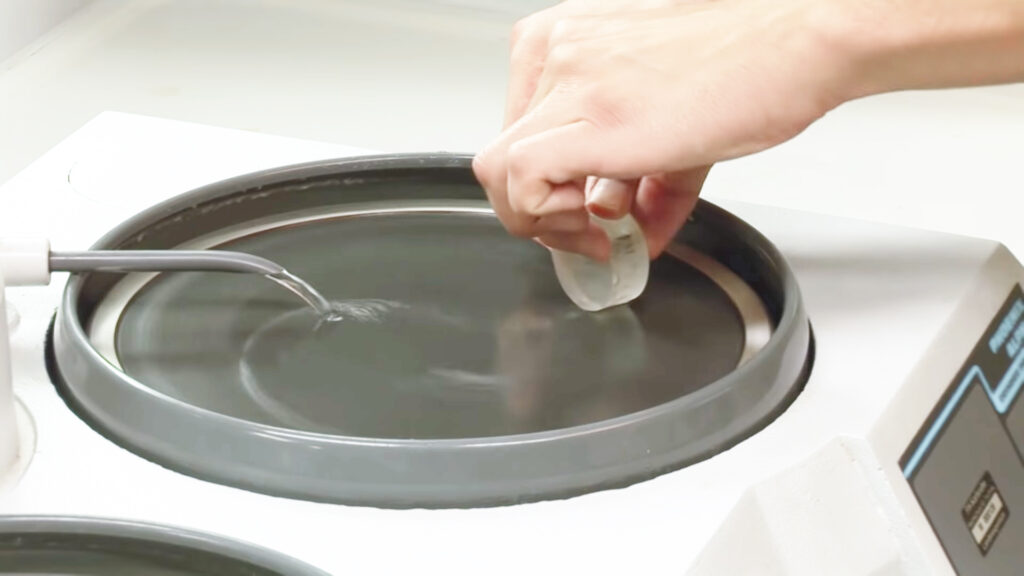
Assess grain structure, phase distribution, and defects that influence mechanical properties and performance.Mechanical Testing
Measure hardness, tensile strength, fatigue resistance, and other critical properties.Failure Analysis
Investigate cracks, corrosion, fatigue, and other failure mechanisms to identify root causes.
Materials We Test
We work with a wide variety of metals and alloys, including but not limited to:
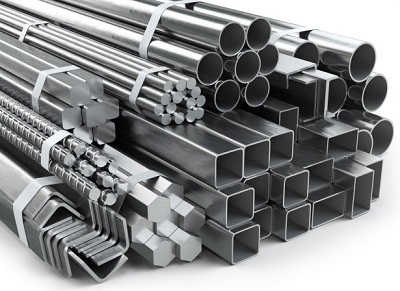
Steel & stainless steels
Aluminum & aluminum alloys
Titanium & titanium alloys
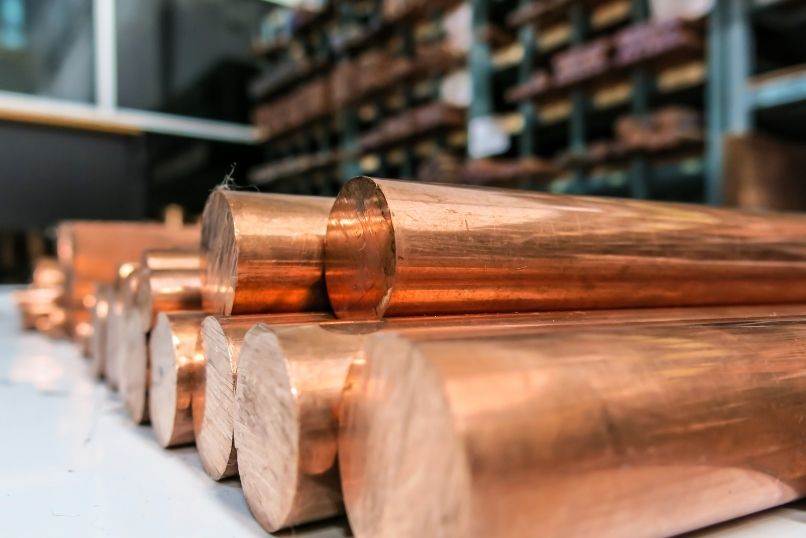
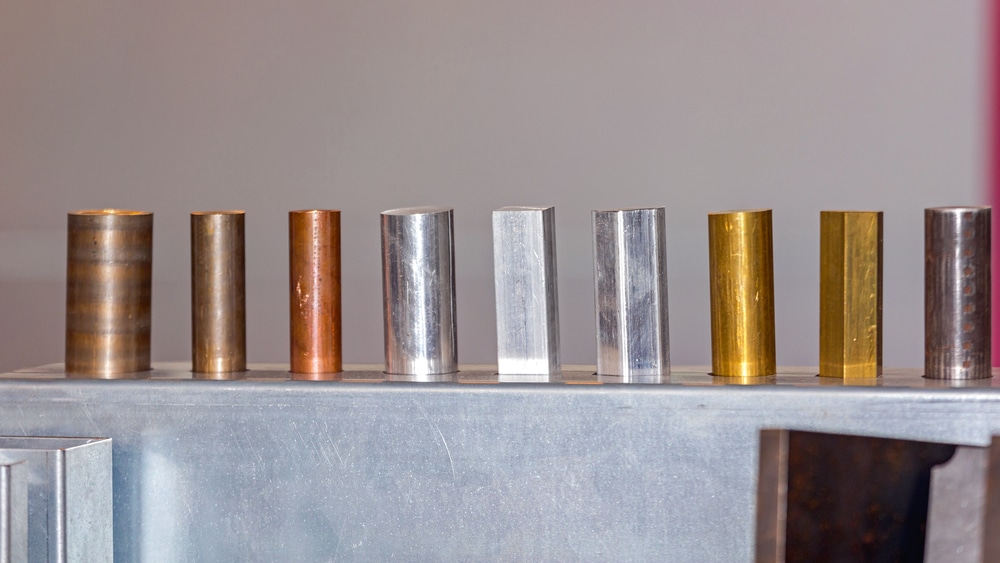
Copper, brass & bronze
Nickel & cobalt alloys
Precious metals (gold, silver, platinum)
Specialty and high-performance alloys
Applications & Industries Served
Our metals and alloys testing supports industries such as:
Aerospace & Defense
Automotive & Transportation
Energy & Power Generation
Medical Devices & Implants
Electronics & Semiconductors
Construction & Infrastructure
Mechanical Properties & Structural Integrity
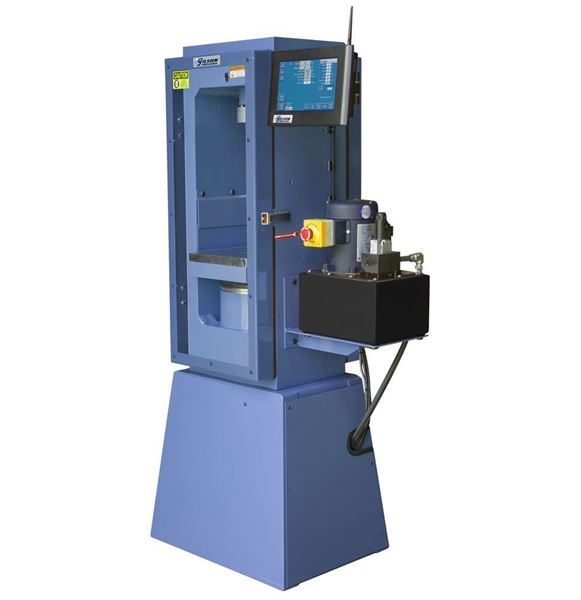
Mechanical testing is central to understanding the structural capabilities of metals and alloys. Tensile strength, yield strength, elongation, hardness, and impact resistance determine whether a material can withstand operational loads without deformation or failure. Accurate measurement of these properties is critical for structural design, certification, and quality assurance.
Our laboratory performs tensile, compression, bend, shear, and hardness testing across a wide range of metallic materials. Fatigue testing evaluates resistance to cyclic loading, which is particularly important for aerospace components, automotive parts, rotating equipment, and structural assemblies. Impact testing assesses toughness and fracture resistance, especially in low-temperature environments where brittleness may increase.
Chemical Composition & Alloy Verification
Precise chemical composition is essential for ensuring alloy performance and compliance with industry specifications. Even minor variations in elemental content can significantly influence strength, corrosion resistance, weldability, and thermal stability. Alloy verification is particularly critical for safety-sensitive applications in aerospace, energy, and structural engineering.
Our chemical analysis services include optical emission spectroscopy, X-ray fluorescence, and elemental composition testing to confirm conformance with applicable standards. Positive material identification supports quality control, supplier verification, and traceability programs. We also evaluate trace elements and impurity levels that may impact performance or regulatory compliance. For manufacturers implementing new alloy grades or recycled metal streams, compositional validation ensures consistent quality across production cycles. Accurate alloy verification reduces the risk of material substitution errors and strengthens overall supply chain integrity.
Metallurgical Analysis & Microstructural Evaluation
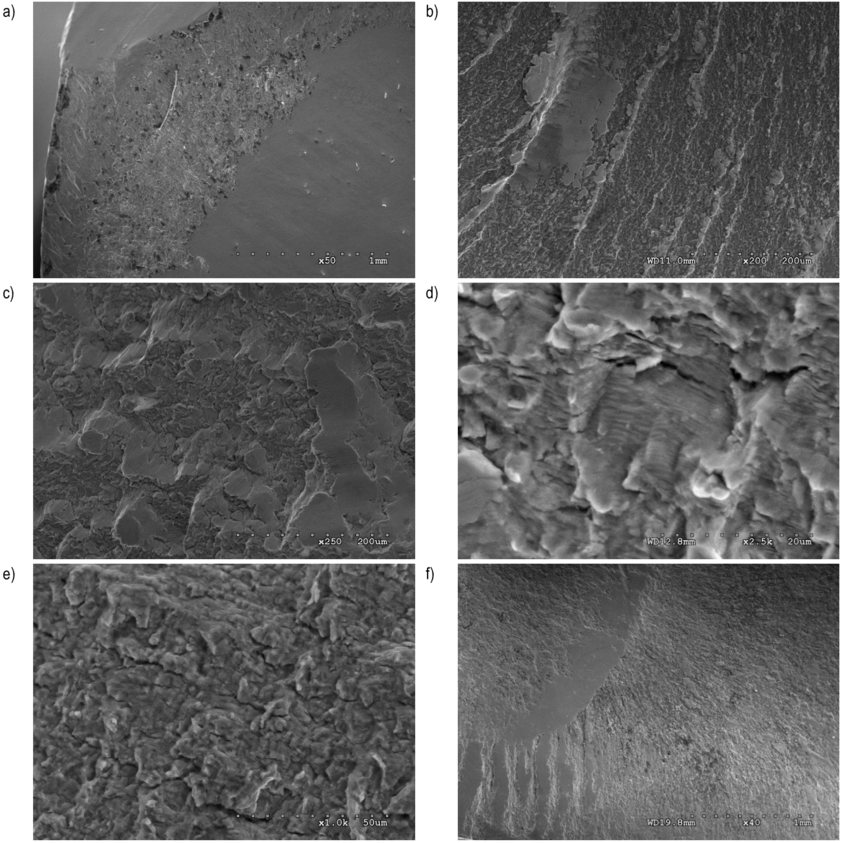
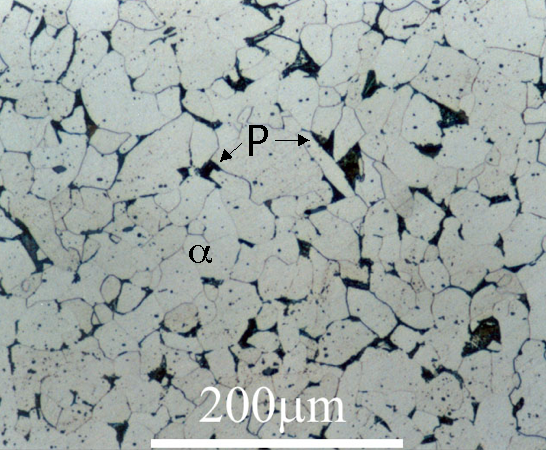
The microstructure of a metal or alloy directly influences its mechanical behavior, toughness, and resistance to failure. Grain size, phase distribution, inclusion content, and heat treatment effects must be carefully evaluated to ensure predictable performance.
Our metallurgical analysis services include sample preparation, microscopic examination, grain size measurement, and phase identification. We assess heat treatment effectiveness, welding integrity, and surface condition to confirm structural stability. Inclusion analysis identifies non-metallic particles that may initiate cracks or reduce fatigue life.
By correlating microstructural findings with mechanical performance data, we provide valuable insights into how processing parameters influence final material properties. This scientific approach supports process optimization, quality improvement, and product reliability.
Corrosion Resistance & Environmental Durability
Metals are often exposed to corrosive environments that can degrade structural integrity and reduce service life. Marine applications, chemical processing facilities, infrastructure, and outdoor structures require materials with proven resistance to corrosion and environmental attack.
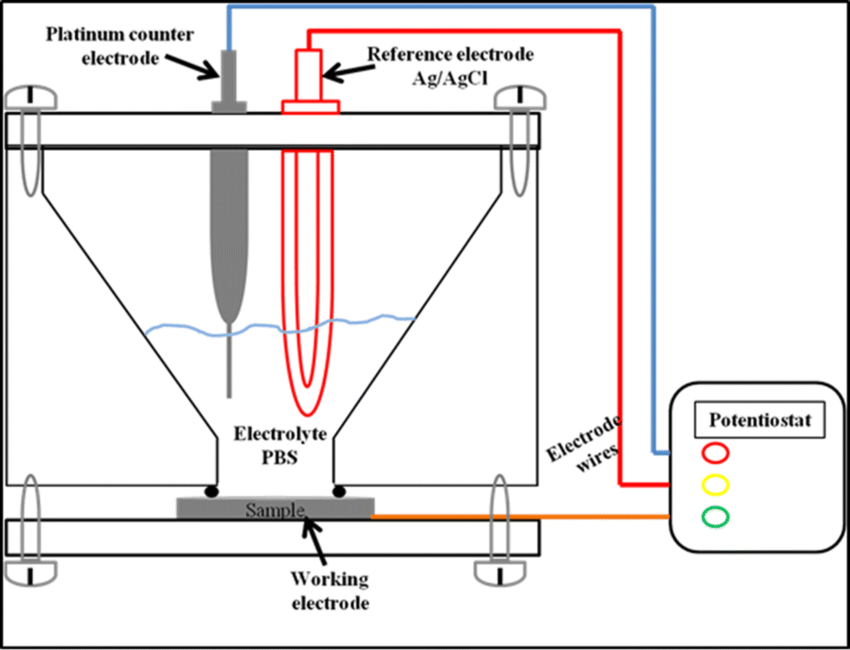
Our corrosion testing programs evaluate resistance to salt spray, humidity, electrochemical exposure, and chemical contact. Accelerated corrosion testing simulates aggressive service environments to identify potential vulnerabilities. We analyze pitting, galvanic corrosion, stress corrosion cracking, and oxidation behavior across different alloy systems.
Protective coatings and surface treatments are also assessed for adhesion, thickness, and durability. By integrating corrosion evaluation with mechanical testing, we provide a comprehensive assessment of environmental performance and lifecycle durability.
Welding Qualification & Fabrication Assessment
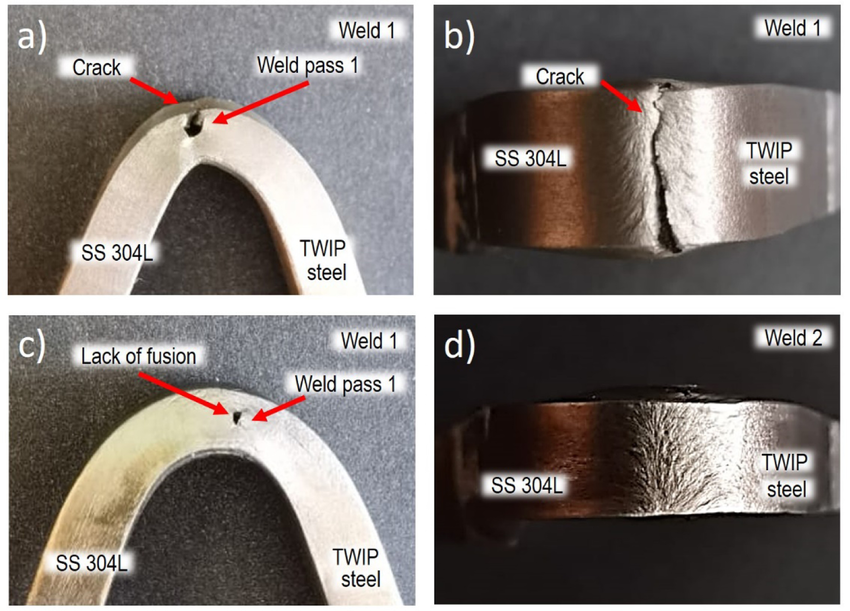
Welding and fabrication processes can significantly alter the properties of metals and alloys. Heat-affected zones, residual stresses, and microstructural transformations may influence strength and durability. Proper validation of welding procedures and joint integrity is essential for structural reliability.
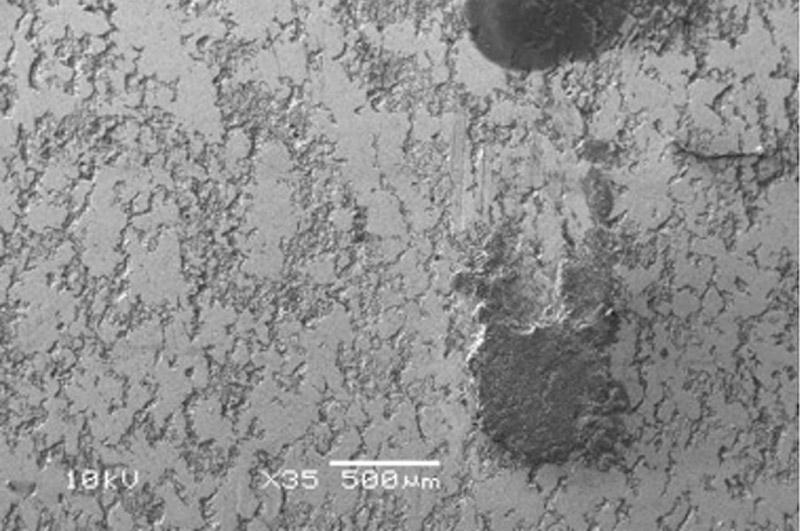
Our laboratory conducts weld qualification testing, including bend tests, tensile testing of welded joints, hardness profiling, and metallographic examination of heat-affected zones. Non-destructive testing methods assess internal discontinuities, porosity, and lack of fusion. These evaluations confirm that fabrication processes meet design and regulatory requirements.
By ensuring weld quality and structural consistency, we help manufacturers reduce failure risk and maintain compliance with industry codes and standards.
Failure Analysis & Root Cause Investigation
Unexpected metal failures can result in operational downtime, safety risks, and financial losses. Identifying the root cause of fracture or degradation is critical to preventing recurrence and improving design or processing methods.
Our failure analysis services combine fractography, microstructural evaluation, chemical testing, and mechanical assessment to determine contributing factors such as fatigue, overload, corrosion, improper heat treatment, or material defects. Fracture surface examination reveals crack initiation points and propagation patterns, providing insight into failure mechanisms.
Clear, detailed reporting translates technical findings into actionable recommendations that support corrective actions and long-term reliability improvements.
Enabling Performance & Innovation in Metallic Materials
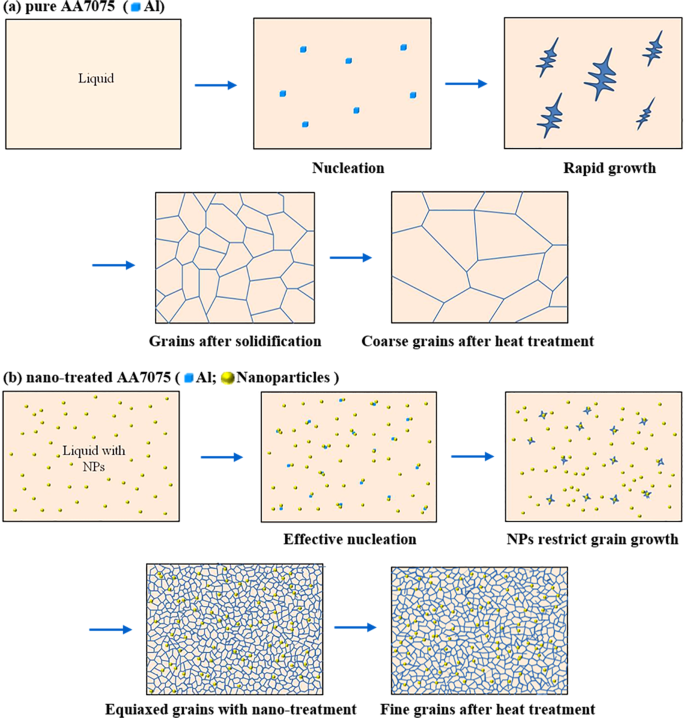
Advancements in metallurgy continue to drive innovation in lightweight alloys, high-strength steels, corrosion-resistant materials, and high-temperature superalloys. Additive manufacturing, advanced heat treatments, and surface engineering technologies are expanding performance capabilities while introducing new validation challenges.
At Genuine Testing, we collaborate with engineers, manufacturers, and research teams to design customized testing programs tailored to specific application demands. Our multidisciplinary expertise in mechanical testing, chemical analysis, metallurgical evaluation, corrosion resistance, and failure investigation ensures comprehensive material assessment.
Through precise, data-driven validation services, Genuine Testing helps organizations optimize alloy performance, strengthen quality assurance programs, and deliver reliable metallic products across the most demanding industries.
Regulatory Compliance & Industry Standards
Metals and alloys used in aerospace, energy, construction, medical, and transportation sectors must comply with strict industry standards and certification requirements. Comprehensive testing documentation is essential for qualification, inspection, and audit processes.
As a materials testing CRO, Genuine Testing provides independent, third-party validation aligned with applicable international standards. Our structured documentation ensures traceability, transparency, and regulatory readiness. Early-stage validation minimizes risk, reduces costly redesigns, and accelerates product approvals.