Plastics and Polymers
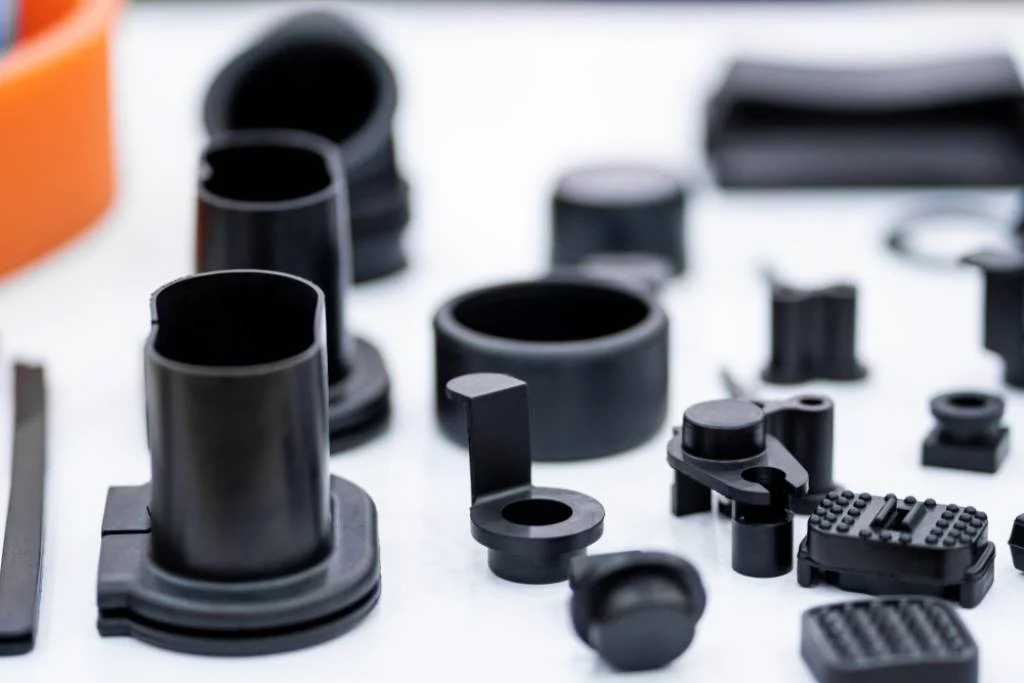
Plastics and polymers are among the most versatile materials in modern manufacturing, supporting applications across automotive, aerospace, medical devices, consumer products, electronics, packaging, and industrial systems. From lightweight thermoplastics and high-performance engineering polymers to elastomers and reinforced composites, polymer-based materials offer design flexibility, chemical resistance, and cost efficiency. However, ensuring reliable performance under mechanical stress, environmental exposure, and regulatory scrutiny requires comprehensive material testing and validation.
At Genuine Testing, we provide advanced plastics and polymers testing services designed to evaluate mechanical strength, thermal stability, chemical resistance, durability, and compliance. As an independent materials testing laboratory and Contract Research Organization (CRO), we support manufacturers, product designers, compounders, and research institutions with precise, defensible, and standards-aligned performance data. Our integrated testing programs help confirm that polymer materials meet functional requirements while maintaining long-term reliability.
Our Plastics & Polymers Testing Capabilities
We provide a wide range of services for analyzing and evaluating plastic and polymer materials, including:
Chemical Composition & Identification
Confirm the type of polymer and detect additives, fillers, or contaminants.Thermal Properties Testing
Evaluate properties like melting point, glass transition temperature, and thermal stability using techniques such as DSC and TGA.Mechanical Testing
Assess tensile strength, elasticity, impact resistance, and hardness to determine performance.Microstructural Analysis
Examine morphology, cross-sections, and failure modes under advanced microscopy.
Materials We Test
We work with a broad range of plastic and polymer materials, such as:
Polyethylene (PE)
Polypropylene (PP)
Polycarbonate (PC)
Polystyrene (PS)
Polyvinyl chloride (PVC)
Nylon & polyamides
Polyurethane (PU)
Epoxy resins & thermosets
Applications & Industries Served
Our plastics and polymers testing supports industries like:
Medical Devices & Healthcare
Automotive & Transportation
Packaging & Consumer Goods
Electronics & Electrical
Construction & Building Materials
Aerospace & Defense

Mechanical Properties & Structural Performance
Mechanical validation is essential for understanding how plastics and polymers behave under load. Tensile strength, modulus, elongation, impact resistance, and flexural properties determine whether a material can withstand operational stresses without cracking, deformation, or failure.
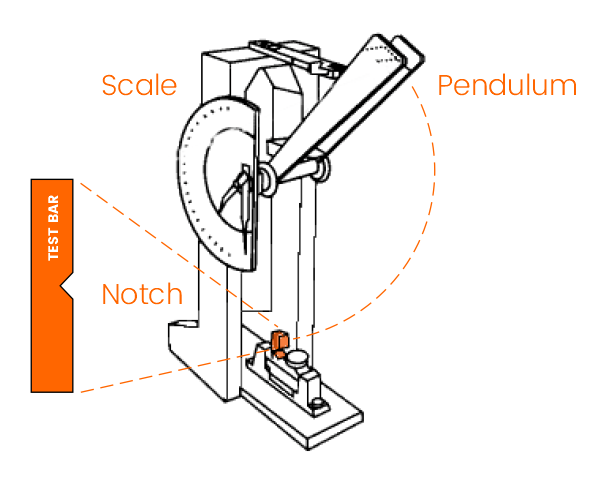
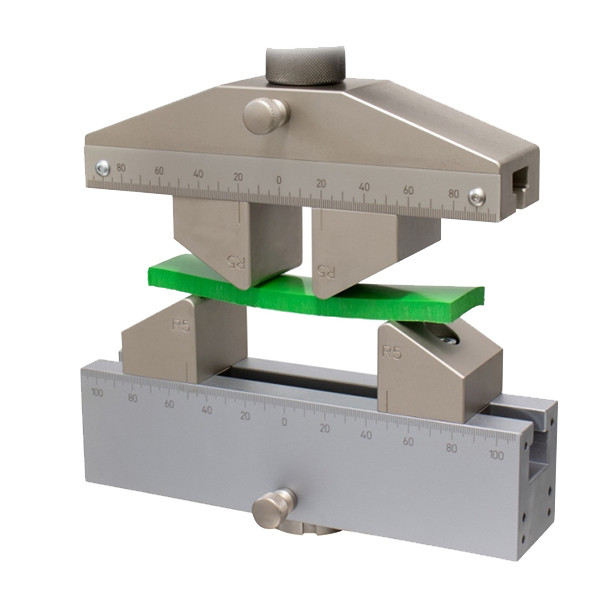
Our laboratory performs tensile, compression, flexural, shear, and impact testing across a wide range of thermoplastics, thermosets, and elastomers. Creep and stress relaxation testing evaluate long-term deformation under sustained loads, which is critical for structural components and load-bearing applications. Fatigue testing assesses resistance to repeated stress cycles, particularly important for automotive, aerospace, and industrial parts. For elastomeric materials, we analyze tear resistance, resilience, and compression set to determine durability in sealing, vibration damping, and dynamic applications. By correlating mechanical performance with processing conditions and formulation variables, we help manufacturers achieve predictable and reliable material behavior.
Thermal Properties & Stability Analysis
Temperature significantly influences polymer performance. Exposure to elevated heat, sub-zero conditions, or repeated thermal cycling can alter mechanical properties and dimensional stability. Understanding thermal behavior is essential for selecting materials suitable for demanding environments.
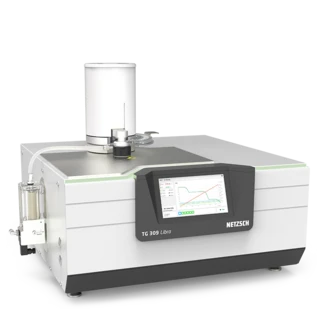
Our thermal analysis services include differential scanning calorimetry, thermogravimetric analysis, heat deflection temperature testing, and coefficient of thermal expansion measurement. These evaluations determine melting behavior, glass transition temperature, decomposition thresholds, and dimensional response to temperature changes.
For high-performance engineering polymers used in electronics, automotive under-hood components, and aerospace interiors, thermal stability testing ensures reliability under prolonged heat exposure. Thermal aging studies assess property retention after extended service conditions, supporting lifecycle performance validation.
Chemical Resistance & Environmental Durability
Plastics and polymers often operate in environments where they are exposed to chemicals, moisture, UV radiation, and fluctuating temperatures. Chemical attack, environmental stress cracking, and UV degradation can significantly reduce material lifespan if not properly validated.
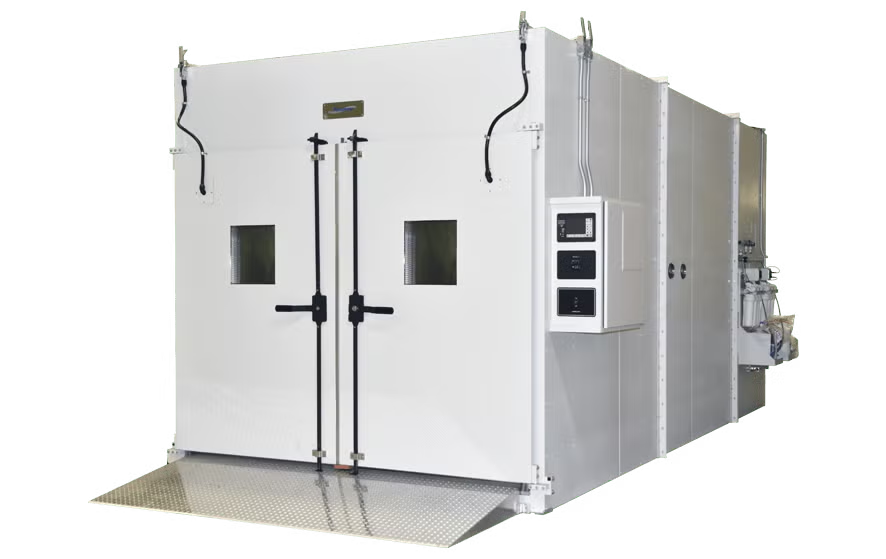
Our chemical resistance testing evaluates how polymers respond to solvents, fuels, cleaning agents, oils, and other substances. Environmental stress cracking resistance testing identifies susceptibility to crack formation under combined mechanical and chemical exposure. UV and accelerated weathering tests simulate prolonged outdoor exposure to assess color stability, embrittlement, and surface degradation. Humidity and thermal cycling programs further evaluate dimensional stability and mechanical property retention. By integrating environmental conditioning with mechanical analysis, we provide a comprehensive assessment of polymer durability across diverse service conditions.
Material Characterization & Formulation Analysis
Understanding polymer composition and microstructure is critical for ensuring consistent quality and performance. Additives, fillers, plasticizers, and reinforcements significantly influence mechanical, thermal, and chemical behavior. Variations in raw materials or compounding processes can result in inconsistent properties.
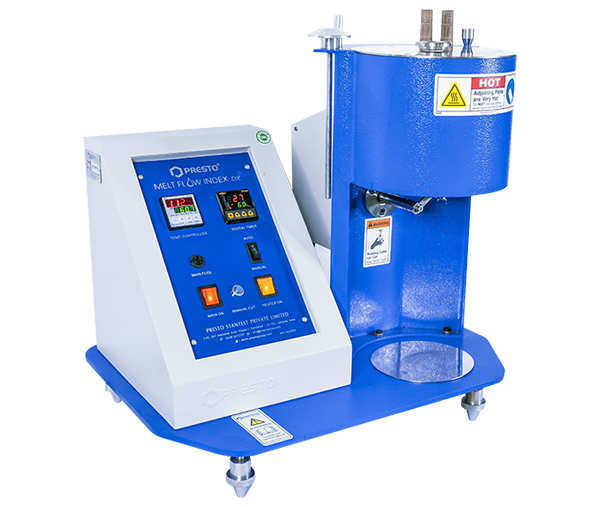
Our material characterization services include polymer identification through spectroscopic analysis, melt flow index testing, filler dispersion evaluation, and cross-sectional microscopy. These techniques help confirm material grade, detect contamination, and assess reinforcement distribution in composite polymers. Batch-to-batch validation ensures consistency across production cycles and supports supplier verification programs. By linking compositional data with mechanical and environmental performance, we help manufacturers refine formulations and maintain strict quality standards.
Regulatory Compliance & Safety Testing
Plastics and polymers used in consumer goods, medical devices, food packaging, and electronics must comply with industry-specific regulations and safety standards. Flammability performance, food contact safety, electrical insulation properties, and emissions characteristics are critical considerations.
Our laboratory conducts flammability testing, migration analysis, electrical property evaluation, and safety compliance validation aligned with applicable standards. For medical-grade polymers, we support material characterization and performance verification to ensure reliability and regulatory readiness.
Independent, third-party validation strengthens documentation for certification processes and quality audits. Early-stage compliance testing reduces approval delays and minimizes risk of costly redesigns.
Failure Analysis & Root Cause Investigation
Unexpected polymer failures can result from improper material selection, processing defects, environmental exposure, or mechanical overload. Identifying root causes is essential to prevent recurrence and protect product reliability.
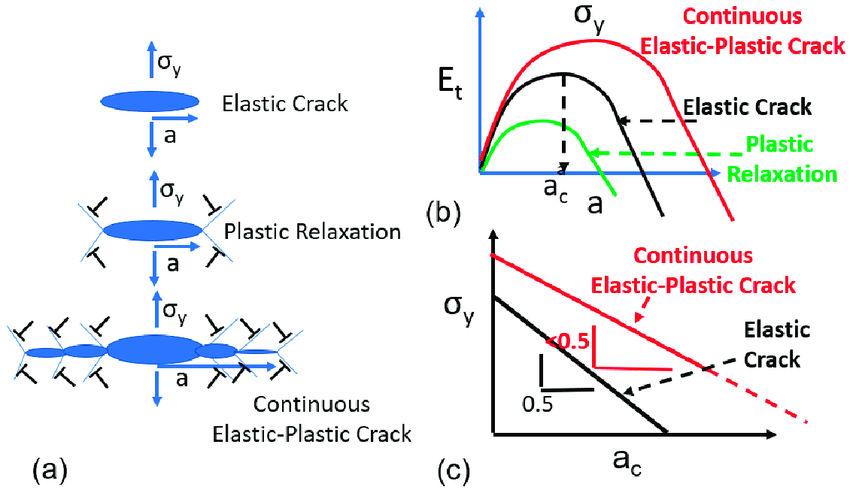
Our failure analysis services integrate fractography, chemical characterization, mechanical testing, and environmental assessment to determine contributing factors. Fracture surface analysis reveals crack initiation sites and failure modes such as brittle fracture, ductile tearing, or stress cracking.
Clear, actionable reporting supports corrective actions, process optimization, and long-term reliability improvements. This systematic approach enhances product durability and safeguards brand reputation.
Enabling Innovation in Polymer Engineering
Advancements in polymer science continue to drive innovation in lightweight composites, recyclable materials, bio-based plastics, conductive polymers, and high-temperature engineering resins. As new formulations and processing technologies emerge, robust validation becomes essential to ensure performance and market readiness.
At Genuine Testing, we collaborate with engineers, compounders, and product developers to design customized testing programs aligned with application-specific requirements. Our multidisciplinary expertise in mechanical, thermal, chemical, and regulatory evaluation ensures comprehensive material assessment. Through precise, data-driven plastics and polymers testing services, Genuine Testing empowers organizations to optimize formulations, strengthen quality assurance programs, and deliver high-performance polymer products with confidence across diverse industries.
Thermal Properties & Stability Analysis
Temperature significantly influences polymer performance. Exposure to elevated heat, sub-zero conditions, or repeated thermal cycling can alter mechanical properties and dimensional stability. Understanding thermal behavior is essential for selecting materials suitable for demanding environments.
Our thermal analysis services include differential scanning calorimetry, thermogravimetric analysis, heat deflection temperature testing, and coefficient of thermal expansion measurement. These evaluations determine melting behavior, glass transition temperature, decomposition thresholds, and dimensional response to temperature changes.
For high-performance engineering polymers used in electronics, automotive under-hood components, and aerospace interiors, thermal stability testing ensures reliability under prolonged heat exposure. Thermal aging studies assess property retention after extended service conditions, supporting lifecycle performance validation.