
Polymer Chemistry
Polymer chemistry plays a crucial role in the development, analysis, and optimization of modern materials used across a wide range of industries. Polymers are large molecules composed of repeating structural units, and they form the foundation of many materials that are essential to everyday life. From plastics and elastomers to advanced biomaterials and coatings, polymers are used extensively in manufacturing, healthcare, electronics, packaging, and countless other applications. Understanding the chemical structure and behavior of these materials is essential to ensuring their performance, durability, and safety.
In polymer chemistry, scientists study how polymers are formed, how their molecular structures influence their physical properties, and how they interact with environmental conditions such as heat, chemicals, or mechanical stress. By analyzing these characteristics, researchers can determine how a polymer will behave during manufacturing processes and throughout its lifecycle in real-world applications. This knowledge allows manufacturers to design materials that meet specific performance requirements while maintaining consistent quality and reliability.
Why Choose Genuine Testing for Polymer Chemistry?
Specialized Expertise
Our scientists have extensive experience analyzing and testing polymeric materials and their behavior.Advanced Analytical Techniques
We employ sophisticated tools and methods to analyze molecular structure, composition, and degradation.Comprehensive Support
From raw material verification to finished product testing, we support you at every stage of your process.Tailored Solutions
We design testing programs to meet your specific challenges and regulatory requirements.
Our Testing Capabilities
Our polymer chemistry services include:
Identification of polymer types and additives
Molecular weight determination and distribution
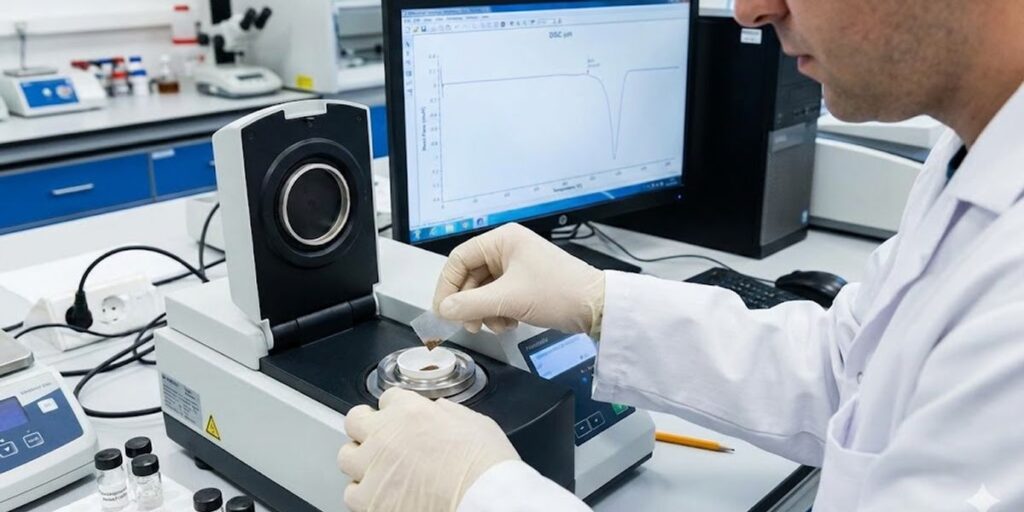
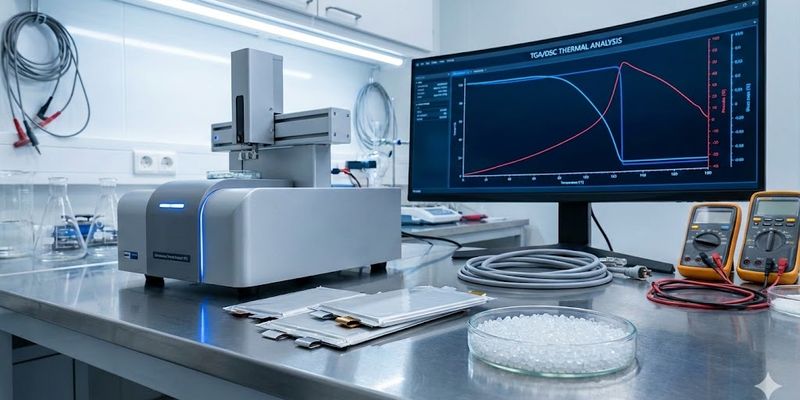
Thermal analysis (DSC, TGA) to study melting, glass transition, and stability
Chemical resistance and aging studies
Surface and interface analysis of coatings and films
Failure analysis of polymeric components
Extractables & leachables testing in polymers
Applications & Industries
Our polymer chemistry expertise supports many industries, including:
Medical devices & healthcare products
Automotive & transportation
Consumer goods & packaging
Electronics & semiconductors
Construction materials
Aerospace & defense
Polymer Characterization and Material Analysis
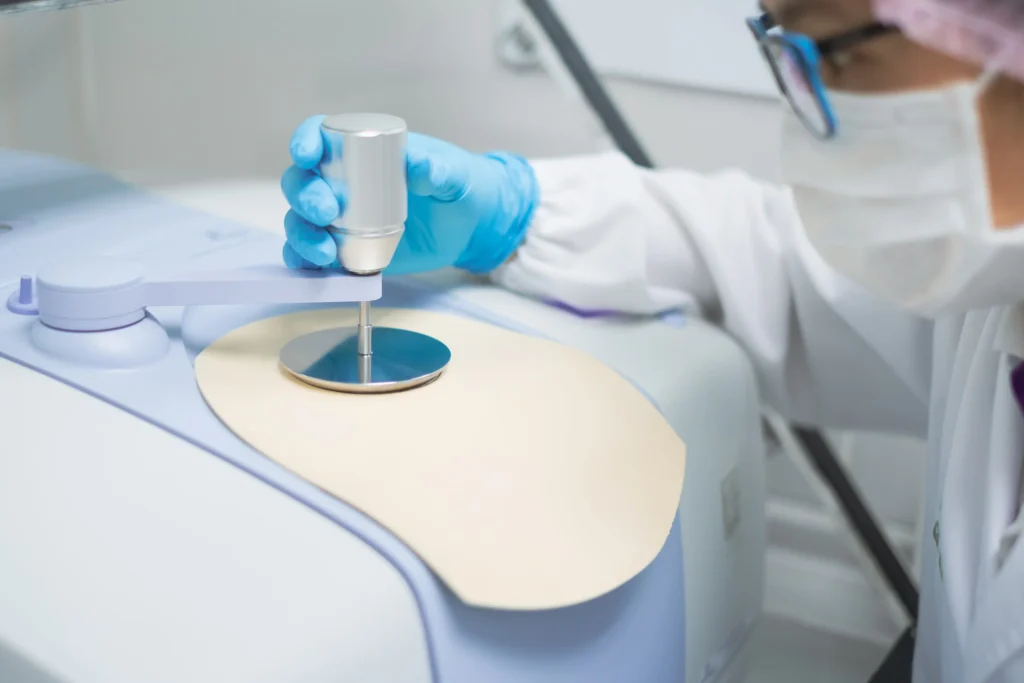
Polymer characterization is a critical component of polymer chemistry that focuses on identifying and analyzing the physical and chemical properties of polymer materials. These analyses provide essential information about molecular structure, composition, molecular weight distribution, and thermal behavior. Such data is invaluable for manufacturers seeking to optimize product performance and ensure consistent material quality.
Advanced analytical techniques are used to investigate polymer materials in detail. Spectroscopic methods allow scientists to examine the chemical structure of polymers and identify functional groups present within the material. Thermal analysis techniques provide insights into how polymers respond to changes in temperature, including melting behavior, glass transition temperatures, and thermal stability. These characteristics are important for determining whether a polymer can withstand the conditions it will encounter during manufacturing or real-world use.
In addition to chemical and thermal properties, polymer characterization often includes mechanical property evaluation. Understanding a polymer’s strength, flexibility, and elasticity is essential for determining its suitability for specific applications. For example, polymers used in flexible packaging must maintain durability while remaining lightweight and adaptable, whereas polymers used in engineering components must offer high structural integrity.
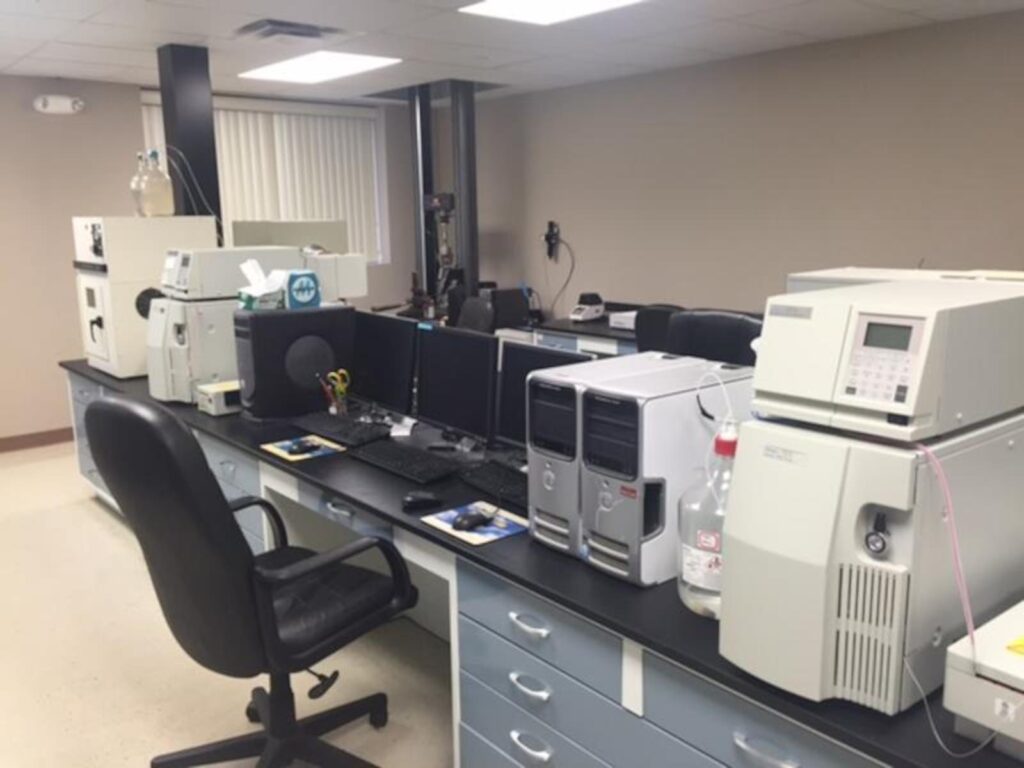
At Genuine Testing, polymer characterization services are designed to provide comprehensive material insights. By combining multiple analytical methods, our team can deliver a detailed understanding of polymer properties that helps clients improve product design, troubleshoot manufacturing issues, and ensure regulatory compliance.
Polymer Testing for Quality Assurance and Manufacturing
Quality assurance is a vital aspect of polymer manufacturing, as even small variations in raw materials or processing conditions can significantly affect the final product. Polymer chemistry testing helps manufacturers verify that materials meet established specifications and maintain consistent performance across production batches.
During manufacturing, polymers undergo processes such as extrusion, molding, curing, and compounding. Each of these processes can influence the molecular structure and physical properties of the material. Polymer testing allows laboratories to evaluate how these processes affect material characteristics and ensure that the final product meets required standards.
Quality control laboratories commonly analyze raw polymer materials before they enter the production process. This verification step ensures that the incoming materials have the correct chemical composition and molecular structure. By confirming the quality of raw materials, manufacturers can reduce the risk of defects and maintain stable production operations.
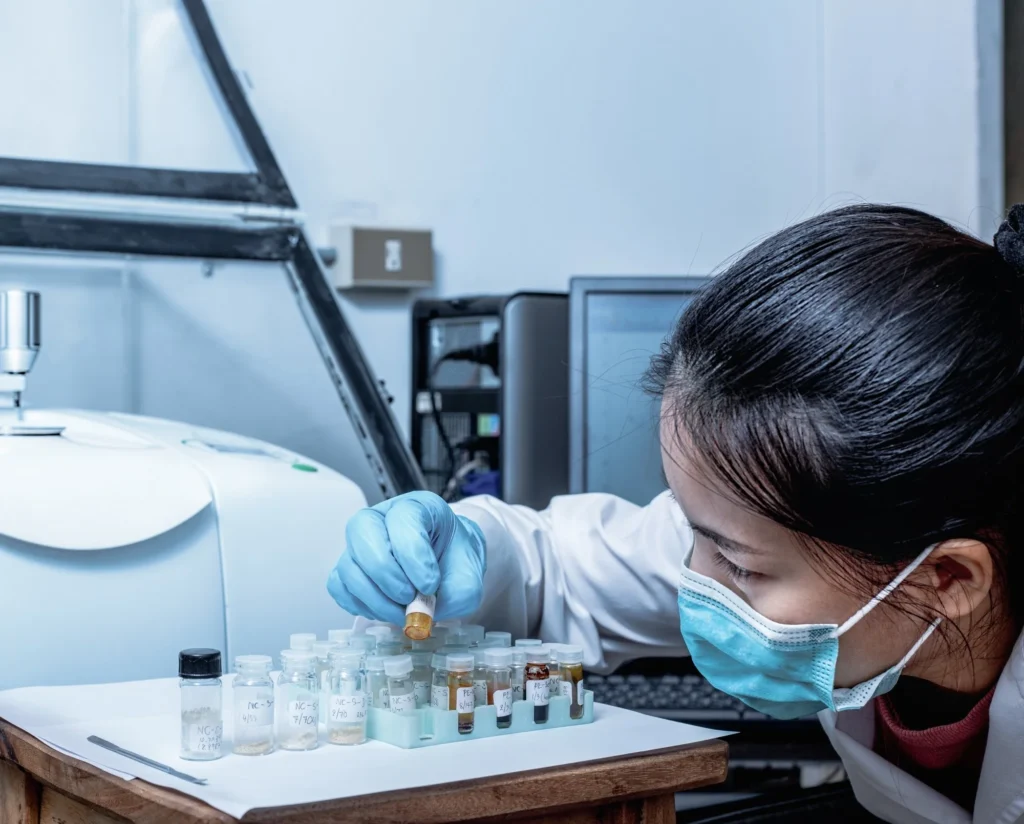
Polymer chemistry testing also helps identify potential contamination or degradation that may occur during manufacturing or storage. Exposure to heat, oxygen, or environmental factors can cause polymers to degrade over time, potentially affecting product performance. Analytical testing allows scientists to detect these changes and recommend solutions to maintain material integrity.
By supporting quality assurance efforts, polymer chemistry services help manufacturers produce reliable products that meet both industry standards and customer expectations.
Applications of Polymer Chemistry Across Industries
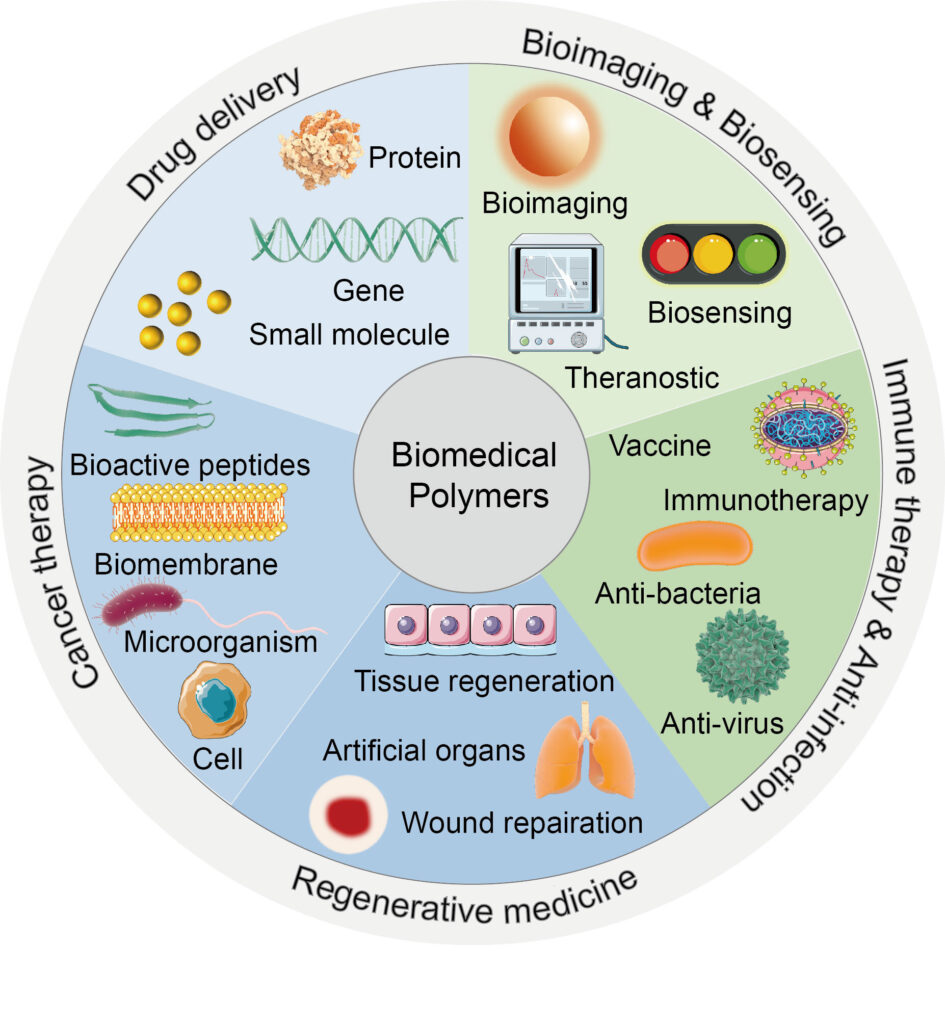
Polymer chemistry plays a key role in many industries by enabling the development of materials with specialized properties tailored to specific applications. In the healthcare and medical device sector, polymers are widely used in products such as implants, catheters, surgical instruments, and drug delivery systems. These materials must be carefully designed and tested to ensure they are safe for human contact and capable of performing reliably in biological environments.
In the pharmaceutical industry, polymer materials are frequently used in packaging systems that protect medications from moisture, oxygen, and contamination. Polymer chemistry analysis ensures that packaging materials do not interact with the drugs they contain and that they maintain product stability throughout the shelf life. The automotive and transportation industries also rely heavily on polymer materials to improve vehicle performance and efficiency. Lightweight polymers are used to replace traditional metal components, helping reduce vehicle weight and improve fuel economy. These materials must be thoroughly analyzed to ensure they can withstand mechanical stress, temperature variations, and environmental exposure.
Research, Development, and Innovation in Polymer Science
Research and development in polymer science continue to drive innovation in materials technology. Scientists are constantly exploring new polymer formulations and manufacturing techniques to create materials that offer improved performance, sustainability, and environmental compatibility. Polymer chemistry plays a central role in this process by providing the analytical tools needed to study and refine these materials.
One of the most important areas of modern polymer research involves the development of sustainable and environmentally friendly materials. Traditional plastics have raised concerns regarding environmental impact, leading researchers to explore biodegradable polymers and recyclable materials that reduce waste and resource consumption. Polymer chemistry analysis helps scientists evaluate these materials and determine their suitability for commercial use.
Another important focus area is the development of high-performance polymers designed for extreme conditions. These materials may be required to withstand high temperatures, aggressive chemicals, or significant mechanical loads. By studying molecular structure and material behavior, polymer chemists can design materials that maintain stability and performance even under challenging conditions.
At Genuine Testing, our polymer chemistry expertise supports both research and industrial applications. We work closely with clients to analyze polymer materials, investigate performance characteristics, and provide insights that guide product development. Through advanced laboratory analysis and scientific expertise, we help organizations better understand their materials and move forward with confidence in their innovations.