
Semiconductor materials testing
Advanced Validation for Semiconductor & Electronic Material Performance
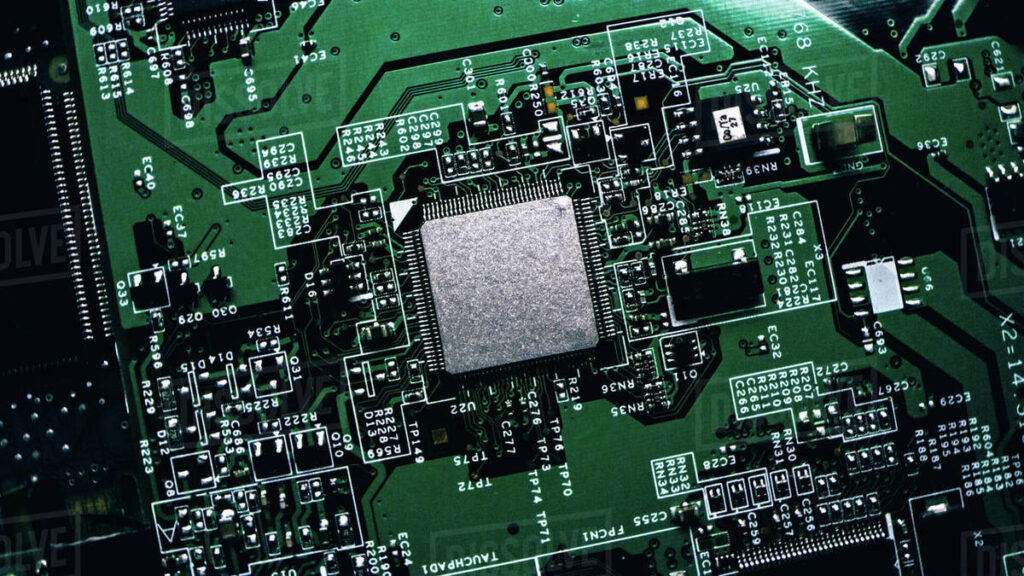
Semiconductor and microelectronic materials form the foundation of modern digital infrastructure, enabling high-performance computing, telecommunications, automotive electronics, aerospace systems, medical devices, and advanced consumer technologies. As device architectures continue to shrink and performance demands increase, the integrity and reliability of semiconductor materials have become more critical than ever. From silicon wafers and compound semiconductors to thin films, dielectric layers, and advanced packaging materials, every layer within a microelectronic system must meet stringent structural, electrical, and thermal performance requirements.
At Genuine Testing, we provide comprehensive semiconductor materials testing and microelectronic material validation services designed to ensure long-term reliability, electrical stability, and manufacturing consistency. As an advanced materials testing laboratory and Contract Research Organization (CRO), we support semiconductor manufacturers, foundries, integrated device manufacturers, and electronics innovators with precise, defensible, and application-specific data. Our integrated approach combines electrical characterization, mechanical analysis, thermal evaluation, and advanced microscopy to deliver a complete understanding of material behavior across fabrication and operational lifecycles.
Wafer & Substrate Material Characterization
The wafer or substrate serves as the structural and electronic foundation of semiconductor devices. Silicon remains the dominant material in microelectronics, while compound semiconductors such as gallium nitride and silicon carbide are increasingly used in high-power and high-frequency applications. Material purity, crystallographic orientation, defect density, and surface flatness directly influence device performance and fabrication yield.
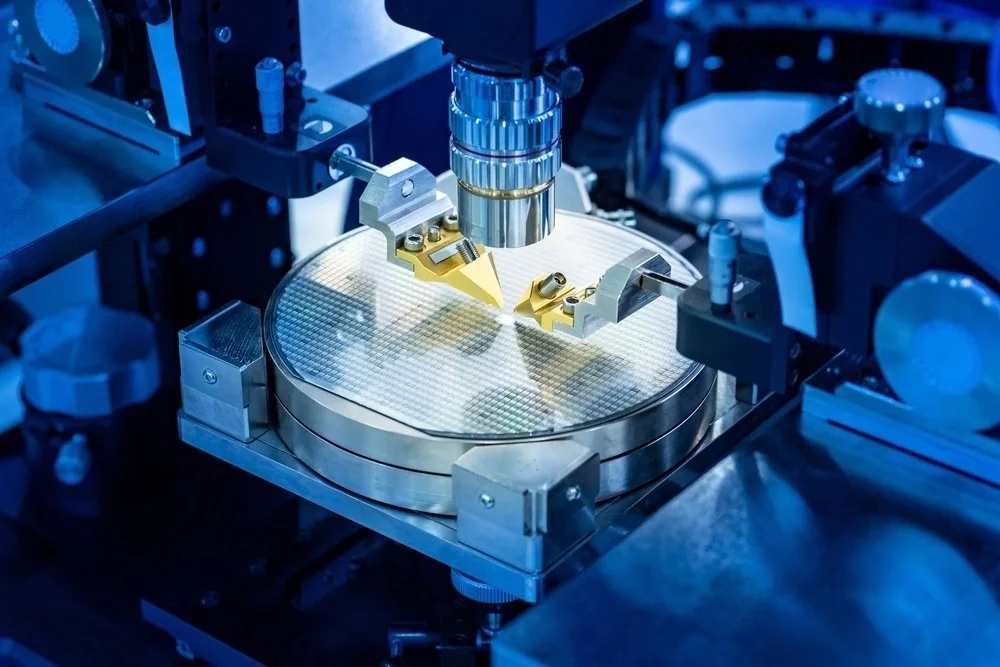
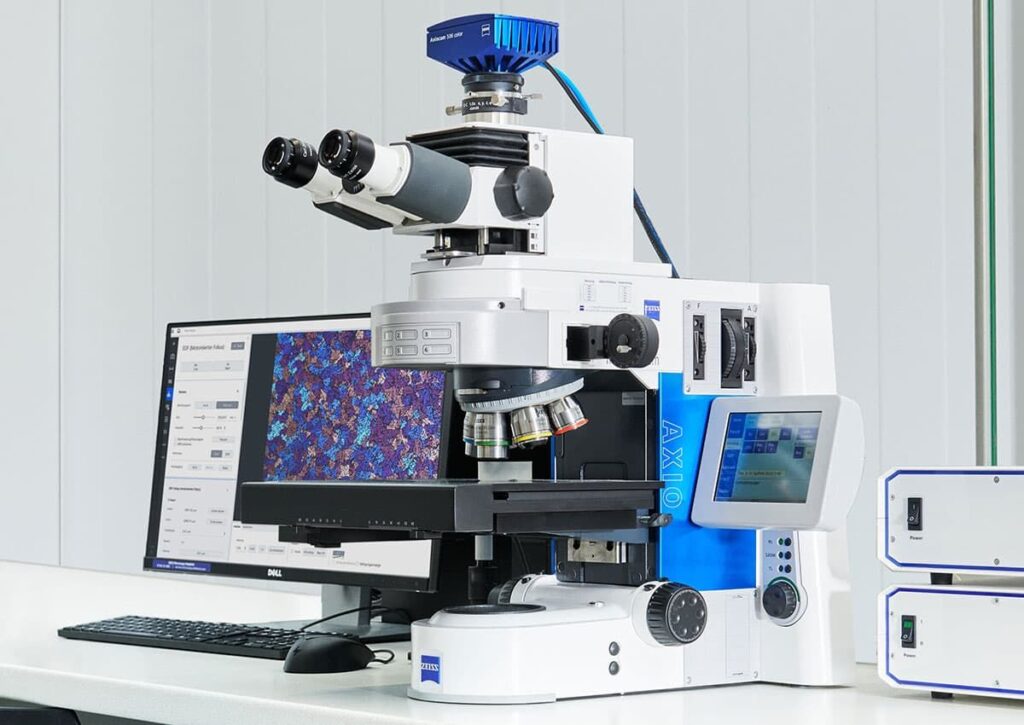
Our laboratory conducts detailed wafer characterization to evaluate crystallinity, dopant distribution, thickness uniformity, and surface integrity. Advanced microscopy and spectroscopic techniques detect dislocations, stacking faults, contamination, and microcracks that may impact device fabrication. Surface roughness and planarity measurements ensure compatibility with photolithography and thin film deposition processes.
Thin Film, Dielectric & Metallization Analysis
Modern semiconductor devices rely on complex multilayer structures consisting of conductive, semiconductive, and insulating films deposited at nanometer-scale thicknesses. The electrical and mechanical integrity of these thin films directly determines device performance, signal speed, and long-term reliability. Variations in film thickness, composition, or adhesion can result in increased resistance, leakage currents, or premature breakdown.
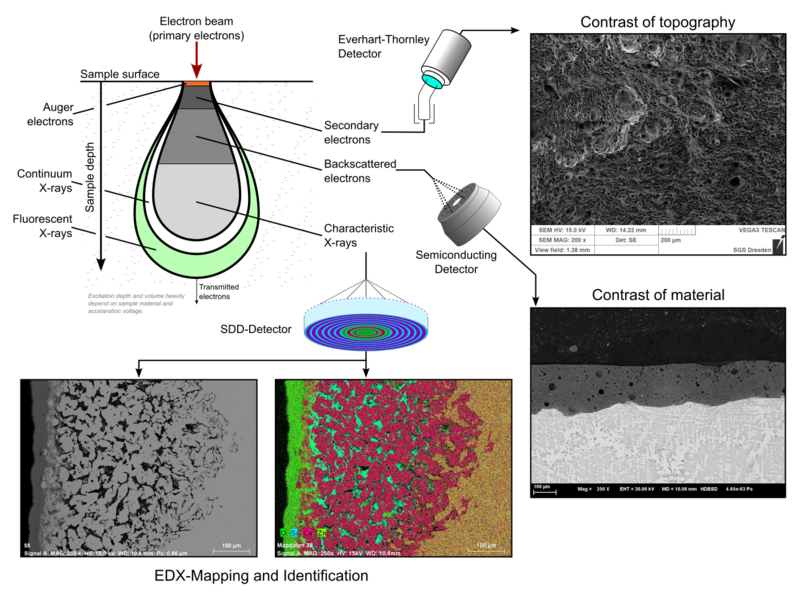
Our thin film characterization services evaluate thickness uniformity, composition, grain structure, adhesion strength, and interfacial bonding. Cross-sectional imaging provides insight into layer continuity and defect formation. Dielectric materials are assessed for breakdown voltage, leakage current behavior, and dielectric constant stability under electrical stress.
Electrical Performance & Reliability Testing
Electrical performance validation is central to semiconductor materials testing. Conductivity, carrier mobility, contact resistance, and dielectric integrity must meet strict design specifications to ensure reliable circuit behavior. Even minor variations in material composition or interface quality can influence device efficiency and signal integrity.
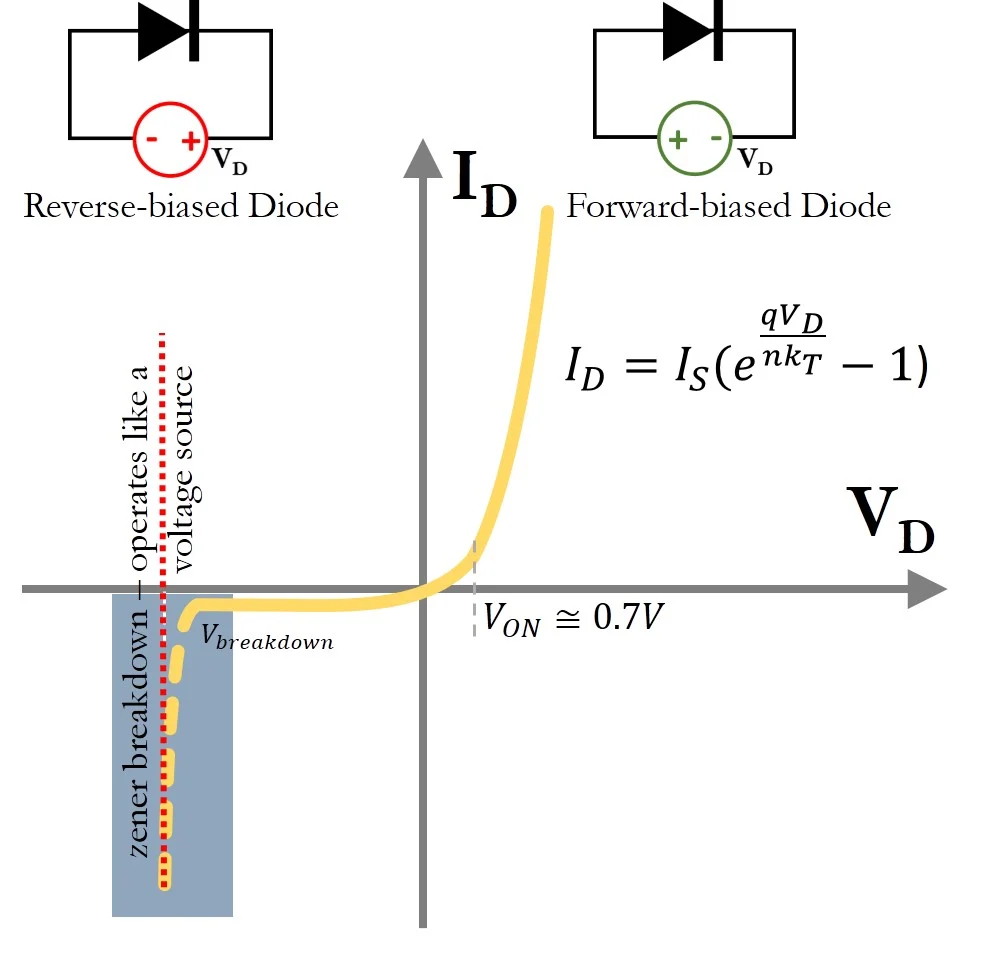
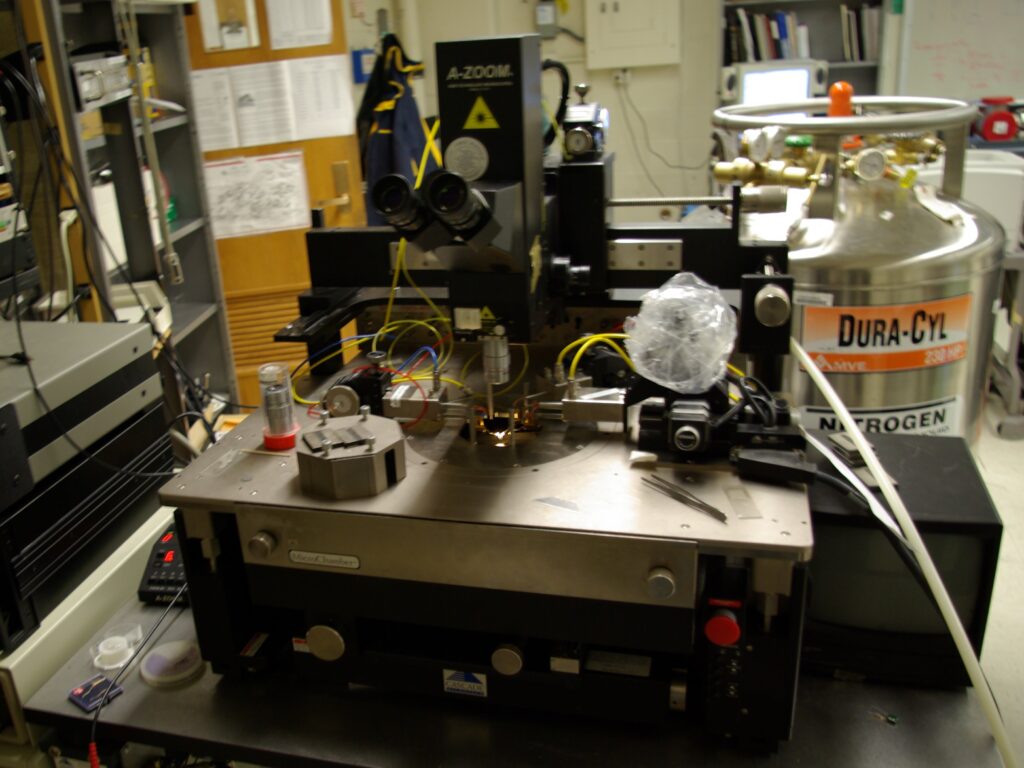
Our laboratory performs current-voltage characterization, resistivity measurements, leakage current analysis, and high-frequency performance testing. Burn-in and accelerated life testing simulate extended operational conditions to identify early-life failures and degradation mechanisms. Electromigration studies evaluate how sustained current flow affects metal interconnects over time, a critical consideration in high-density integrated circuits. Temperature-dependent electrical testing further assesses performance stability under thermal stress. By integrating electrical data with microstructural findings, we provide a comprehensive understanding of how material properties influence real-world device operation. This integrated validation supports both design optimization and qualification processes.
Advanced Packaging & Interconnect Reliability
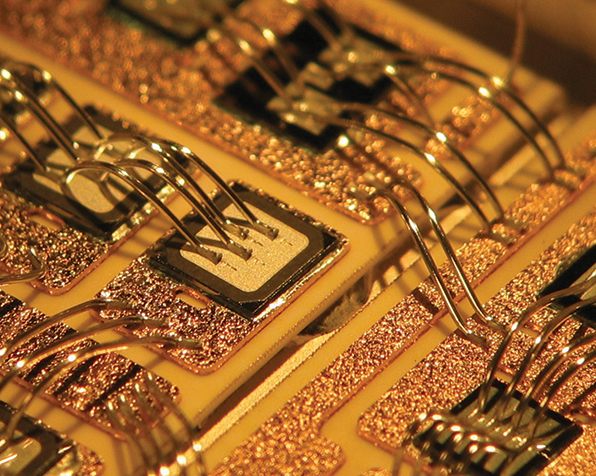
As semiconductor devices become more compact and powerful, advanced packaging technologies play a vital role in ensuring electrical connectivity and thermal management. Flip-chip bonding, wire bonding, solder bumps, and multi-chip modules introduce additional material interfaces that must withstand mechanical stress and thermal cycling.
Our testing services evaluate solder joint integrity, interfacial adhesion, and mechanical stability under vibration and temperature fluctuations. Thermal cycling tests simulate repeated expansion and contraction that may lead to cracking or delamination. Shear and pull testing assess bond strength and structural reliability of interconnects.
Thermal performance analysis examines heat dissipation characteristics and material conductivity within packaging assemblies. Effective thermal management is essential to prevent overheating and maintain device longevity. By validating packaging materials and interfaces, we help manufacturers reduce failure rates and enhance overall system reliability.
Environmental Durability & Contamination Control
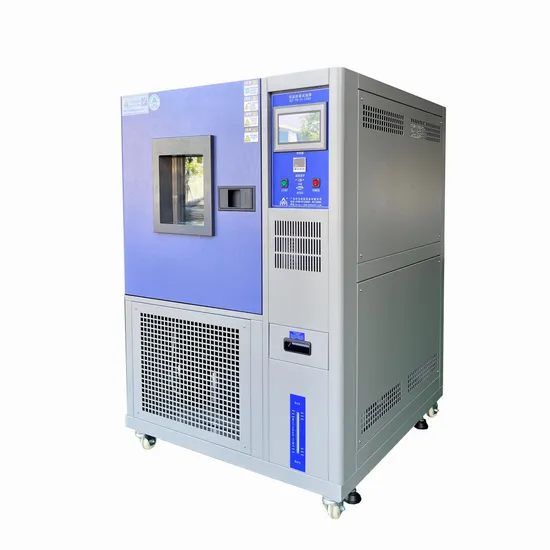
Semiconductor devices often operate in environments where temperature fluctuations, humidity, and chemical exposure can influence material stability. Environmental stress testing evaluates how microelectronic materials respond to moisture ingress, thermal shock, and corrosive atmospheres. Such exposure may accelerate oxidation, promote delamination, or increase leakage currents.
Our environmental durability programs include temperature-humidity bias testing, thermal shock evaluation, and corrosion resistance analysis. By subjecting materials and assemblies to controlled environmental cycles, we identify potential degradation pathways and assess long-term reliability.
Contamination control is equally critical during manufacturing. Trace metallic or particulate contamination can significantly impact yield and device performance. Through elemental analysis and surface inspection, we help ensure material purity and compliance with cleanroom standards. This proactive validation reduces defect rates and enhances process stability.
Failure Analysis & Root Cause Investigation
When semiconductor devices fail unexpectedly, detailed failure analysis is essential to determine root cause and prevent recurrence. Defects may originate from material impurities, process inconsistencies, thermal overstress, or mechanical fatigue. Because modern devices operate at nanometer scales, identifying failure mechanisms requires advanced analytical expertise.
Our failure analysis services integrate microscopy, focused ion beam cross-sectioning, elemental spectroscopy, and electrical diagnostics to pinpoint defect origins. Crack propagation, void formation, dielectric breakdown, and interconnect degradation are thoroughly investigated. Findings are translated into clear, actionable recommendations that support corrective actions and process improvements.
By combining structural, chemical, and electrical insights, we provide a comprehensive understanding of failure mechanisms. This systematic approach strengthens product reliability, enhances yield, and reduces costly field returns.
Regulatory Compliance & Industry Standards
Semiconductor and microelectronic materials must comply with international reliability and safety standards governing automotive electronics, aerospace systems, telecommunications infrastructure, and consumer devices. Qualification protocols often require documented evidence of electrical stability, environmental durability, and mechanical integrity.
As a materials testing CRO, Genuine Testing delivers independent, third-party validation aligned with global industry standards and customer-specific requirements. Our detailed documentation supports certification processes, quality audits, and regulatory submissions. Early validation of materials and packaging systems minimizes risk, shortens development cycles, and accelerates market entry.
Enabling Next-Generation Microelectronics
Emerging technologies such as advanced node scaling, heterogeneous integration, 3D stacking, wide-bandgap power devices, and AI-driven hardware architectures are redefining semiconductor design. These innovations introduce new materials, complex interfaces, and tighter tolerances that demand advanced validation methodologies.
At Genuine Testing, we collaborate with semiconductor innovators to design customized testing programs tailored to evolving technological challenges. Our multidisciplinary expertise ensures that every material layer, interface, and package component is rigorously evaluated under realistic operating conditions. Clear, data-driven reporting empowers engineering teams to refine designs, improve reliability, and meet aggressive performance targets. As global demand for faster, smaller, and more energy-efficient electronics continues to grow, semiconductor and microelectronic materials testing remains essential to ensuring long-term reliability and operational excellence. Through comprehensive electrical, mechanical, thermal, and microstructural validation services, Genuine Testing supports the advancement of high-performance electronic systems that power the modern world.