
Specialized Sample Prep
Specialized sample preparation is a critical step in any scientific testing or analytical process. Before a material can be accurately analyzed, it must be carefully prepared to ensure that the sample represents the original material as closely as possible. Proper preparation allows researchers and technicians to obtain reliable, repeatable, and meaningful results from analytical instruments and testing methods. Without careful sample preparation, even the most advanced analytical techniques may produce inaccurate or misleading data.
In many industries, materials come in a wide variety of forms, including powders, liquids, solids, composites, and complex manufactured components. Each type of material requires specific preparation techniques depending on the analysis that will be performed. Processes such as cutting, grinding, polishing, dissolution, filtration, or chemical extraction may be necessary to convert raw materials into a form suitable for laboratory testing. These procedures require both technical expertise and specialized equipment to ensure that the integrity of the sample is maintained.
Why Choose Genuine Testing for Sample Preparation?
Expertise with Complex Materials
Our technicians are experienced in handling a wide range of materials — metals, ceramics, polymers, composites, and biological samples.Precision & Care
We employ meticulous techniques to avoid introducing artifacts or damage that could compromise analysis.Advanced Equipment
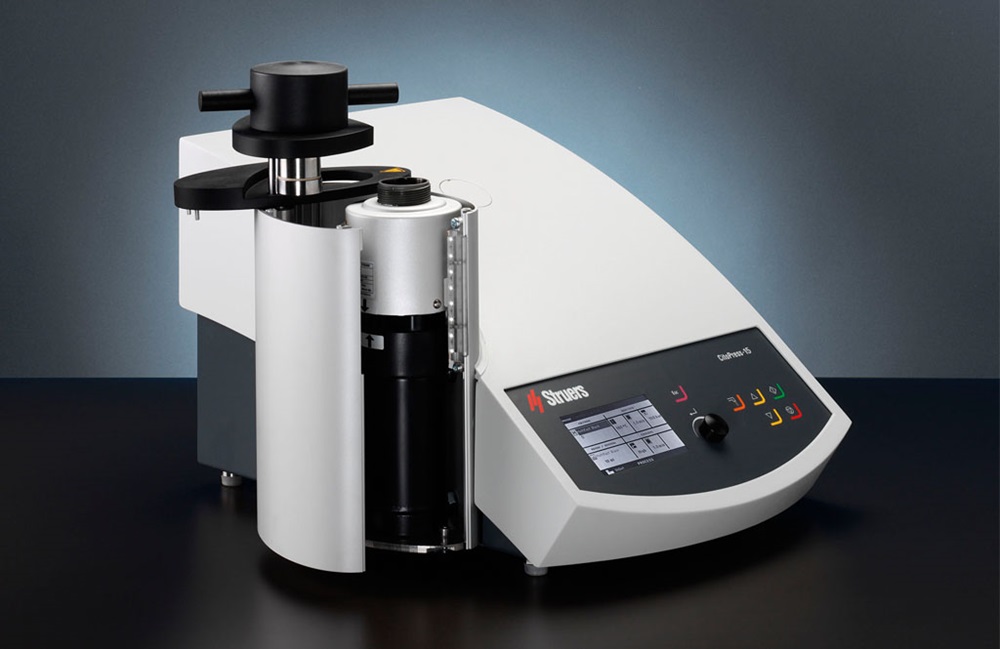
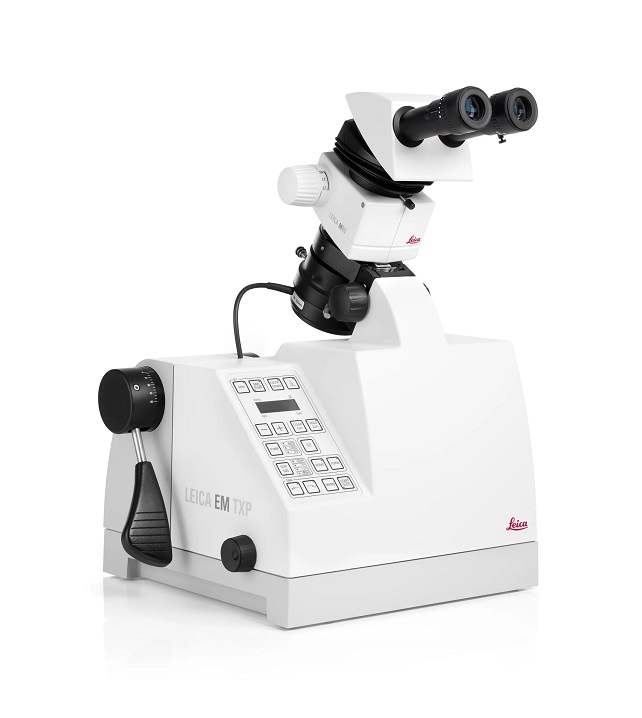
We utilize cutting-edge equipment, including focused ion beam (FIB), ultra-microtomes, and ion milling, to prepare even the most challenging samples.Customized Solutions
Each project receives a tailored preparation plan based on your goals and the testing requirements.
Our Sample Preparation Capabilities
Our specialized sample prep services include:
Cross-sectioning of materials and components
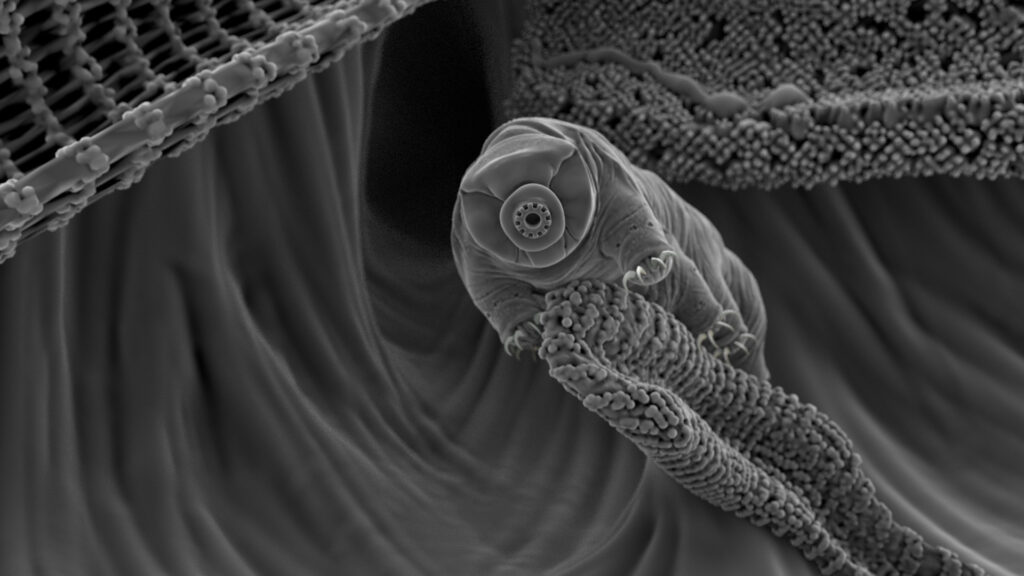
Focused Ion Beam (FIB) sample prep for TEM and SEM
Ultra-thin sectioning for transmission electron microscopy
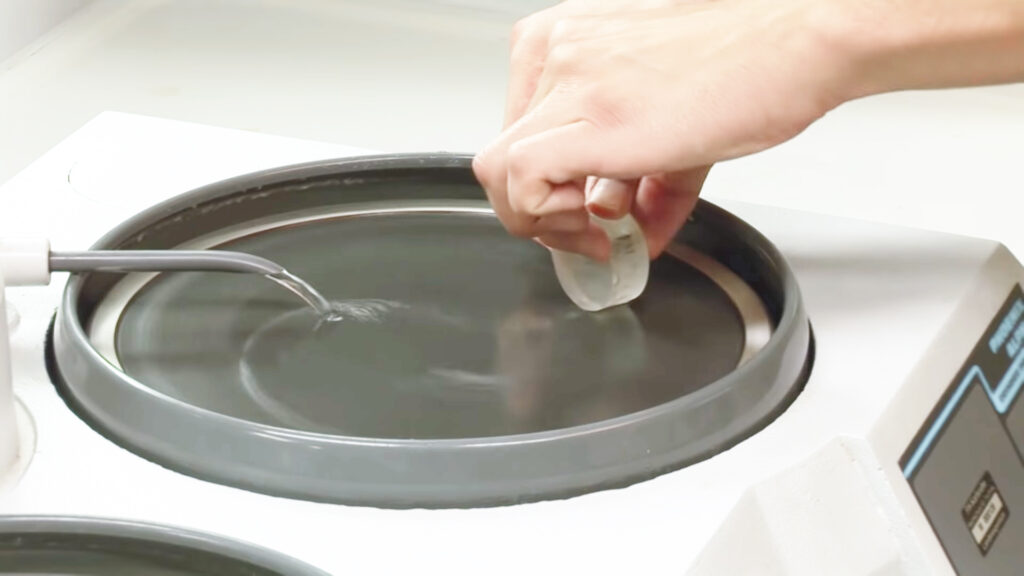
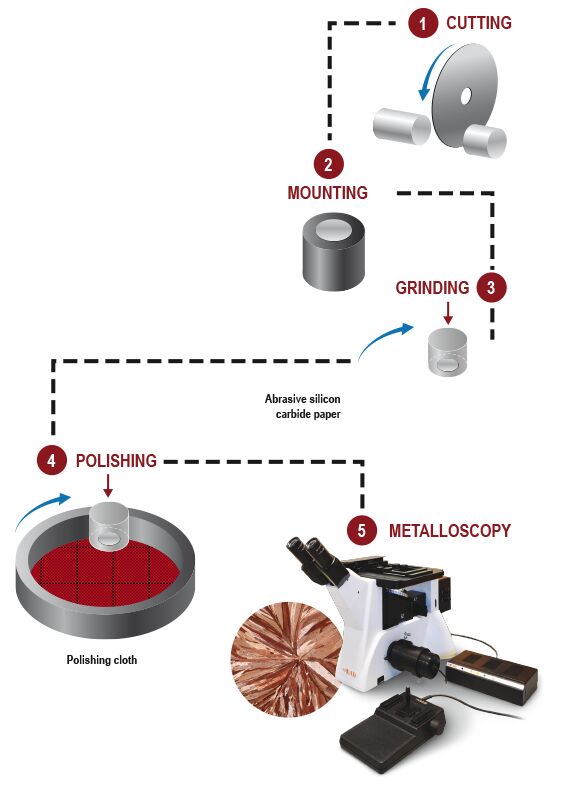
Surface polishing and etching for metallurgical analysis
Coating samples to enhance conductivity for electron microscopy
Embedding and microtomy for polymers and biological materials
Applications & Industries
Our sample preparation expertise supports numerous industries and applications:
Electronics & semiconductors
Medical devices & life sciences
Automotive & aerospace components
Advanced coatings & thin films
Failure analysis and defect characterization
Research & development of new materials
Techniques Used in Specialized Sample Preparation
Specialized sample preparation involves a variety of techniques designed to transform raw materials into forms that can be effectively analyzed using laboratory instruments. The specific method used depends on the type of material and the analytical technique being applied. Each preparation process is carefully selected to preserve the essential characteristics of the sample while ensuring compatibility with testing procedures.
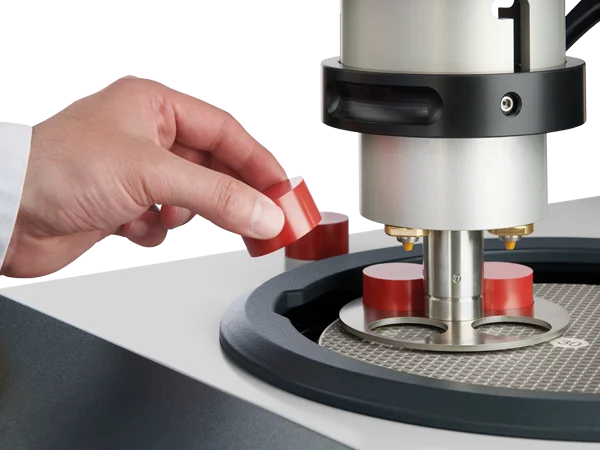
Mechanical preparation techniques are commonly used for solid materials. These methods may include cutting, grinding, or polishing samples to create smooth surfaces suitable for microscopic examination or structural analysis. For example, metallographic analysis often requires polished samples that reveal internal microstructures when viewed under a microscope. Similarly, polymer and composite materials may need to be sectioned or shaped to allow detailed observation of their internal structures. Chemical preparation methods are frequently used when analyzing complex mixtures or trace components. Techniques such as dissolution, extraction, and filtration help isolate specific compounds or elements from a material. These processes make it possible to analyze chemical composition using instruments such as spectrometers or chromatographs.
Ensuring Accuracy and Reliability in Analytical Testing
The quality of laboratory analysis depends heavily on the accuracy of the sample preparation process. Even the most sophisticated analytical instruments rely on properly prepared samples to deliver meaningful data. If a sample is contaminated, improperly handled, or inconsistently prepared, the resulting analysis may not accurately represent the original material.
Maintaining clean laboratory environments is essential for preventing contamination during sample preparation. Laboratories use controlled workspaces, specialized tools, and strict handling procedures to ensure that samples remain uncontaminated throughout the preparation process. These precautions are particularly important when analyzing trace elements or sensitive chemical compounds.
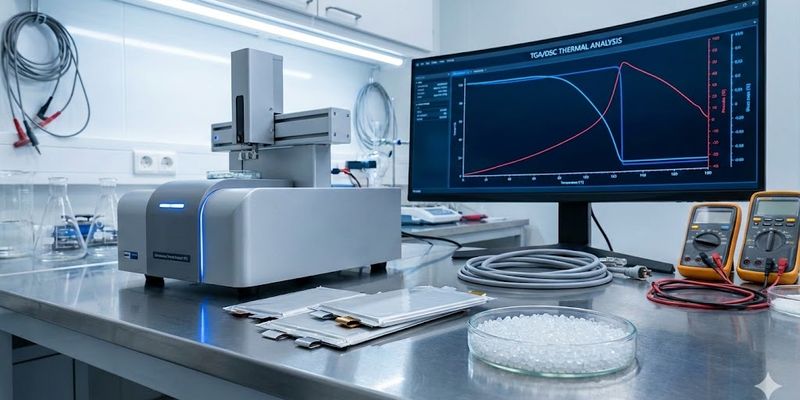
Consistency is another important factor in sample preparation. When multiple samples are being analyzed, they must be prepared using identical procedures to ensure that results can be compared accurately. Standardized preparation methods help eliminate variability and improve the reliability of analytical results. In many cases, specialized preparation procedures are designed specifically for certain analytical techniques. For example, spectroscopy, chromatography, microscopy, and thermal analysis each require samples in specific forms. Preparing samples correctly ensures that these instruments can operate under optimal conditions and deliver precise measurements.
Supporting Diverse Analytical Applications
Specialized sample preparation supports a wide variety of analytical applications across numerous industries. In materials science laboratories, samples must often be prepared for techniques such as microscopy, spectroscopy, and mechanical testing. These analyses provide valuable information about material composition, structure, and performance characteristics.
In metallurgical analysis, sample preparation typically involves cutting and polishing metal specimens to reveal their internal grain structure. This allows scientists to study how manufacturing processes such as heat treatment or welding affect the microstructure of the metal. Accurate preparation ensures that these features can be clearly observed and analyzed.
Polymer and plastics testing also relies on careful sample preparation. Polymers may need to be dissolved, sectioned, or molded into specific shapes before analysis. These procedures help scientists evaluate molecular structure, thermal properties, and chemical composition.
Expertise and Precision in Laboratory Sample Handling
Effective sample preparation requires both technical skill and attention to detail. Laboratory professionals must understand the characteristics of different materials and select preparation techniques that preserve the integrity of each sample. Proper training and experience are essential for ensuring that samples are handled correctly at every stage of the preparation process.
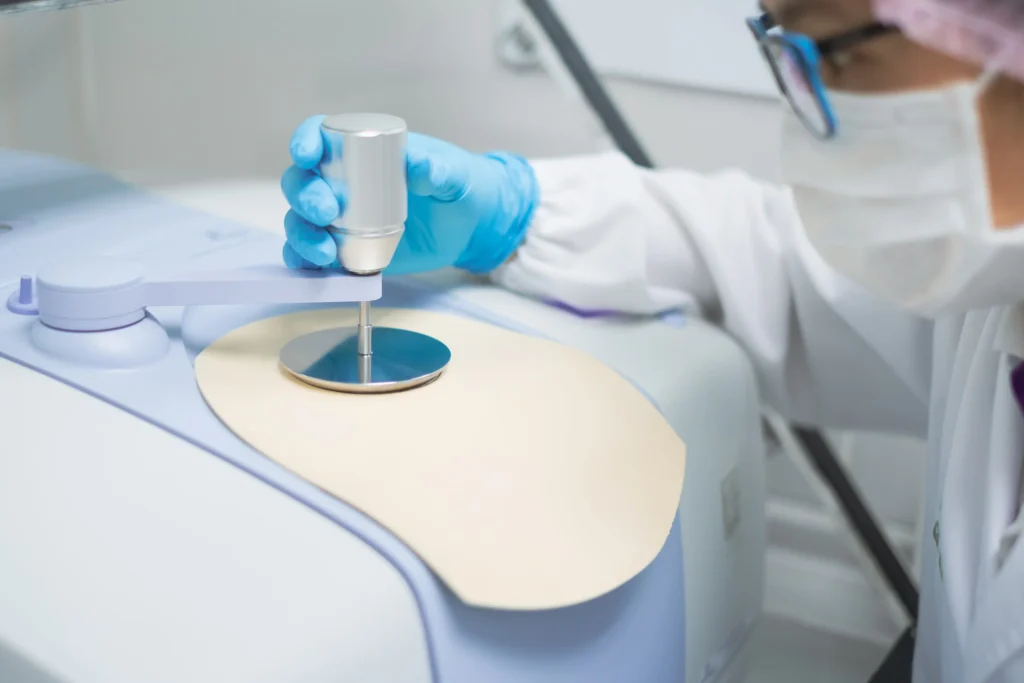
Precision tools and specialized equipment play an important role in maintaining accuracy. Instruments designed for cutting, grinding, measuring, and transferring samples help technicians perform preparation tasks with a high degree of consistency. These tools also reduce the risk of contamination or sample loss during handling.
Documentation is another key aspect of specialized sample preparation. Laboratories carefully record preparation procedures, environmental conditions, and sample identifiers to maintain traceability throughout the analytical process. This documentation ensures that results can be verified and reproduced if necessary.
At Genuine Testing, our sample preparation services are supported by experienced scientists and technicians who understand the importance of accuracy and consistency. By combining technical expertise with advanced laboratory equipment, we ensure that every sample is prepared to the highest standards before undergoing analysis.
Through meticulous preparation procedures and strict quality control practices, we provide clients with the confidence that their materials are being analyzed accurately and reliably. Our specialized sample preparation capabilities help support a wide range of testing services, enabling organizations to gain valuable insights into their materials and products.