
Surface Analysis
Surface analysis is an essential scientific technique used to study the outermost layers of materials and understand how they interact with their environment. The surface of a material often determines its most critical functional properties, including adhesion, corrosion resistance, friction behavior, and chemical reactivity. Even when the bulk material remains unchanged, small variations in surface composition or structure can significantly affect performance. Because of this, surface analysis has become a vital part of modern materials science, manufacturing, and product development.
The outer surface of a material is constantly exposed to external factors such as air, moisture, mechanical stress, and chemical reactions. These interactions may alter the chemical composition or physical structure of the surface over time. Surface analysis helps scientists detect and understand these changes by examining materials at microscopic or even atomic levels. This information provides valuable insights into how materials behave during manufacturing processes and throughout their service life.
Why Choose Genuine Testing for Surface Analysis?
Cutting-Edge Techniques
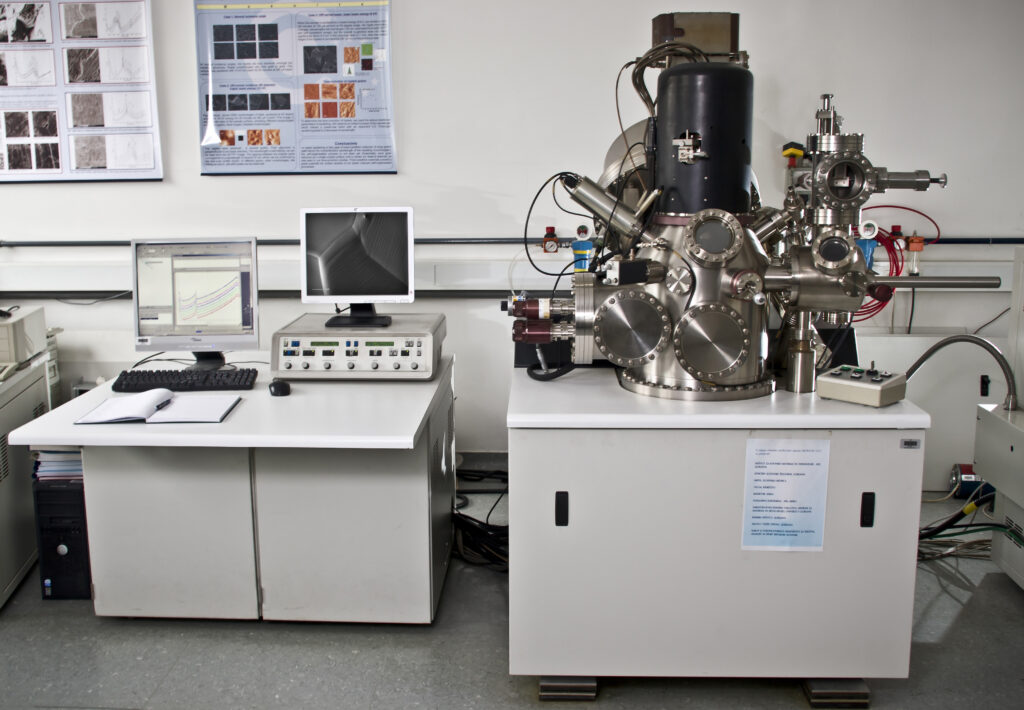
We use a variety of high-resolution, surface-sensitive tools to uncover details invisible to bulk analysis.Expert Guidance
Our knowledgeable team helps interpret the data and recommends the right methods for your specific challenge.Diverse Material Expertise
We can analyze metals, polymers, ceramics, composites, thin films, and more.Accurate & Reliable Results
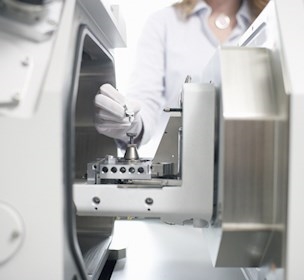
Careful sample handling and rigorous methodology ensure the highest quality results you can trust.
Our Surface Analysis Capabilities
We support industries where metal performance is critical, including:
Aerospace & defense
Automotive & transportation
Oil & gas equipment
Medical devices
Energy & power generation
Manufacturing & construction
Surface Analysis Techniques
We use a range of advanced techniques tailored to your application, including:
X-ray Photoelectron Spectroscopy (XPS / ESCA)
Auger Electron Spectroscopy (AES)
Secondary Ion Mass Spectrometry (SIMS)
Scanning Electron Microscopy (SEM) with EDS
Atomic Force Microscopy (AFM)
Time-of-Flight SIMS (TOF-SIMS)
Contact angle measurements and surface energy characterization
Surface Characterization Techniques and Analytical Methods
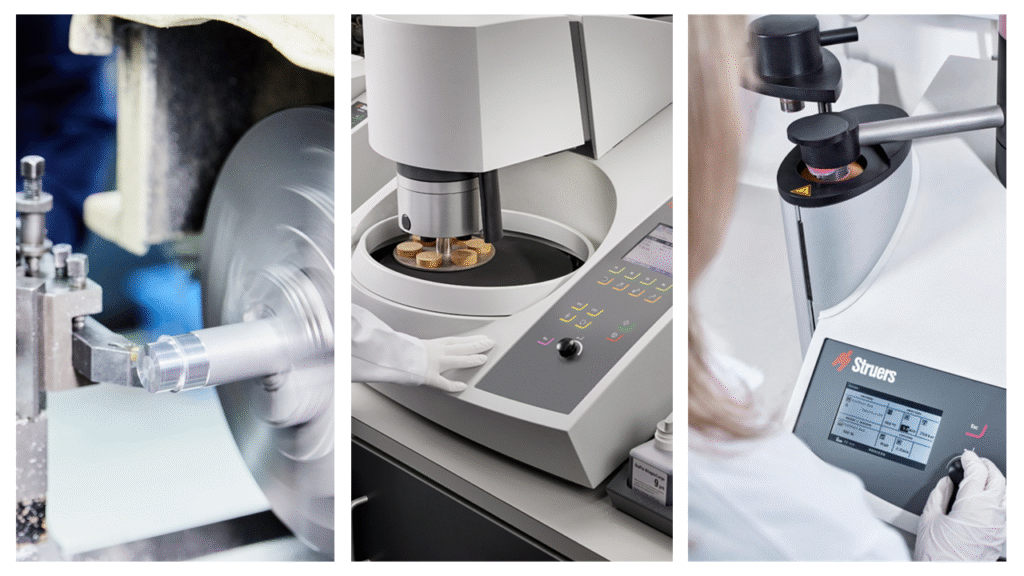
Surface characterization involves the use of specialized analytical techniques designed to study the outermost layers of materials with high precision. These methods allow scientists to investigate surface composition, chemical states, and structural features that may not be visible through traditional bulk material analysis. Each technique provides unique information that contributes to a comprehensive understanding of the material surface.
Microscopy-based methods are widely used for examining the physical structure of surfaces. High-resolution microscopes allow researchers to observe surface topography, grain structure, and microscopic defects. These observations can reveal features such as scratches, pores, cracks, or contamination that may affect the material’s performance. By studying these structural characteristics, scientists can determine whether a surface has been properly manufactured or treated.
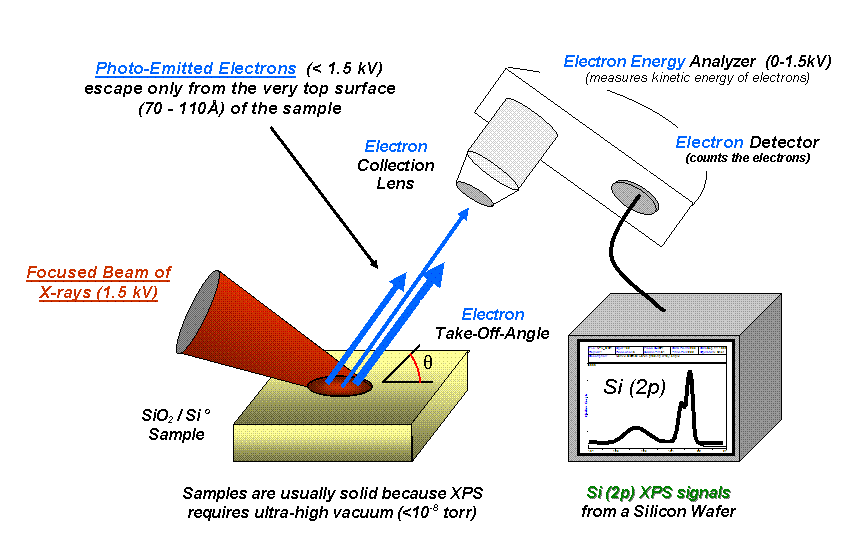
Spectroscopic techniques provide valuable insights into the chemical composition of surfaces. These methods analyze how materials interact with different forms of energy, such as X-rays or electrons, to identify the elements and chemical compounds present on the surface. Such analyses are particularly useful for detecting thin layers of contaminants or coatings that may influence the behavior of the material.
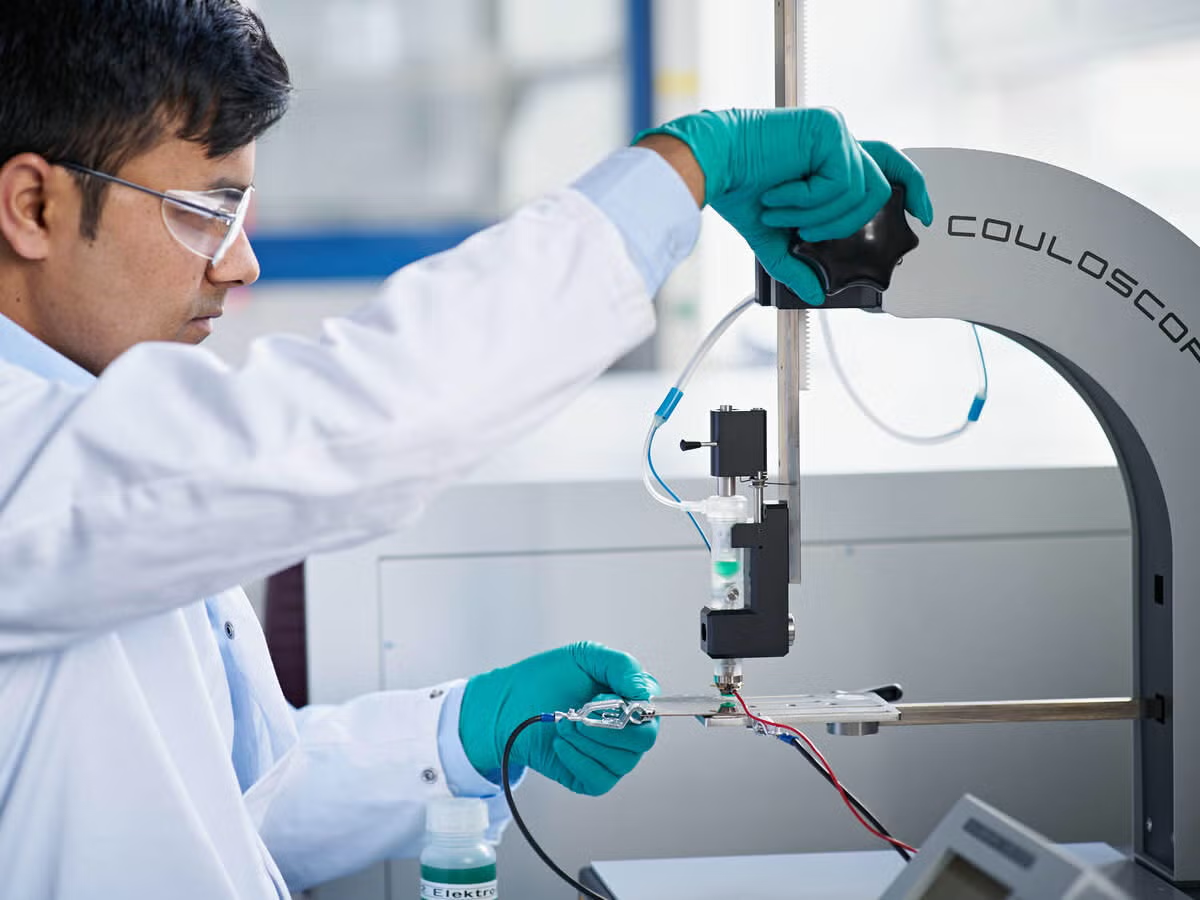
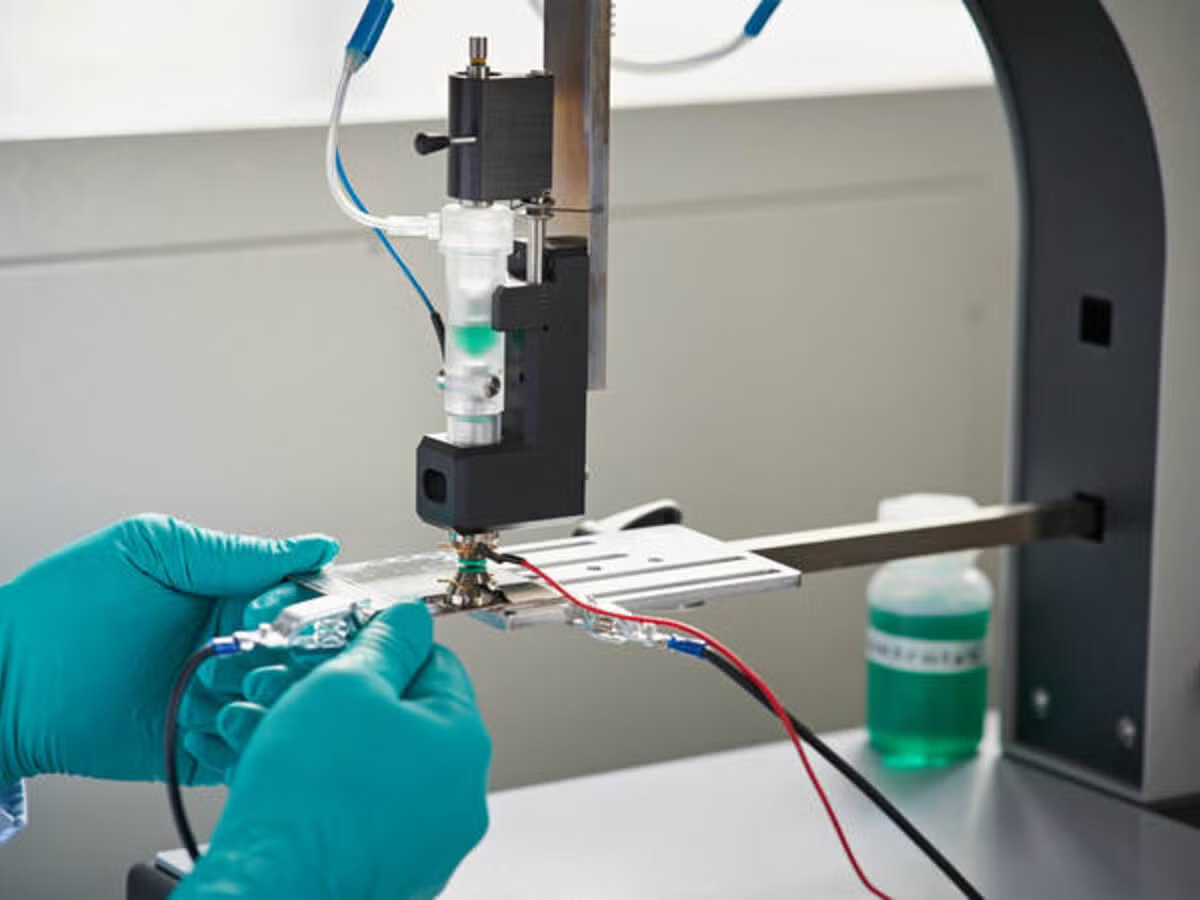
Another important aspect of surface characterization involves studying the thickness and uniformity of coatings or thin films. Many modern materials rely on precisely engineered surface layers that are only a few nanometers or micrometers thick. Accurate measurement of these layers is essential to ensure that coatings provide the intended protective or functional properties.
By combining multiple analytical techniques, surface analysis laboratories can build a detailed picture of the material surface. At Genuine Testing, our analytical capabilities enable us to provide comprehensive surface characterization that supports both research and industrial applications.
The Role of Surface Analysis in Quality Control
Surface analysis plays a critical role in quality control processes across many manufacturing industries. During production, materials often undergo surface treatments such as coating, plating, polishing, or chemical modification to improve their performance. Ensuring that these treatments are applied correctly is essential for maintaining consistent product quality.
Quality control laboratories use surface analysis techniques to verify that surfaces meet required specifications. These analyses can confirm the presence of protective coatings, evaluate surface cleanliness, and detect unwanted contaminants that may interfere with product performance. Even trace amounts of contamination can affect adhesion, conductivity, or corrosion resistance, making accurate analysis essential.
Surface inspection is also valuable for identifying manufacturing defects that may occur during processing. Issues such as improper coating thickness, incomplete surface treatment, or microscopic cracks can be detected through detailed surface examination. By identifying these problems early, manufacturers can make necessary adjustments to their processes and prevent defective products from reaching the market.
Surface Analysis for Failure Investigation
When materials or components fail unexpectedly, surface analysis often provides the key to understanding what went wrong. Many forms of material degradation begin at the surface, where environmental exposure and mechanical stresses are most intense. By examining the surface of a failed component, scientists can identify the processes that contributed to the failure.
One common cause of failure is corrosion, which occurs when metals react chemically with their environment. Surface analysis techniques can reveal corrosion products, chemical changes, and microscopic pits that develop during this process. Understanding these patterns helps investigators determine the environmental conditions that caused the damage and identify strategies to prevent similar failures in the future.
Wear and friction are another major source of material degradation. Mechanical components that move against each other may experience gradual surface damage due to repeated contact. Surface analysis can reveal wear patterns, material transfer between surfaces, and microscopic changes that indicate the type of mechanical stress involved.
Failure investigations often involve studying fracture surfaces to determine how cracks initiated and propagated through a material. The microscopic features present on these surfaces provide clues about whether the failure resulted from fatigue, overload, corrosion, or manufacturing defects. This information helps engineers improve material selection, redesign components, or modify operating conditions to enhance reliability.
At Genuine Testing, surface analysis is an important part of our failure investigation capabilities. Our laboratory techniques allow us to examine damaged materials in detail and provide scientifically supported explanations for observed failures.
Applications of Surface Analysis Across Industries
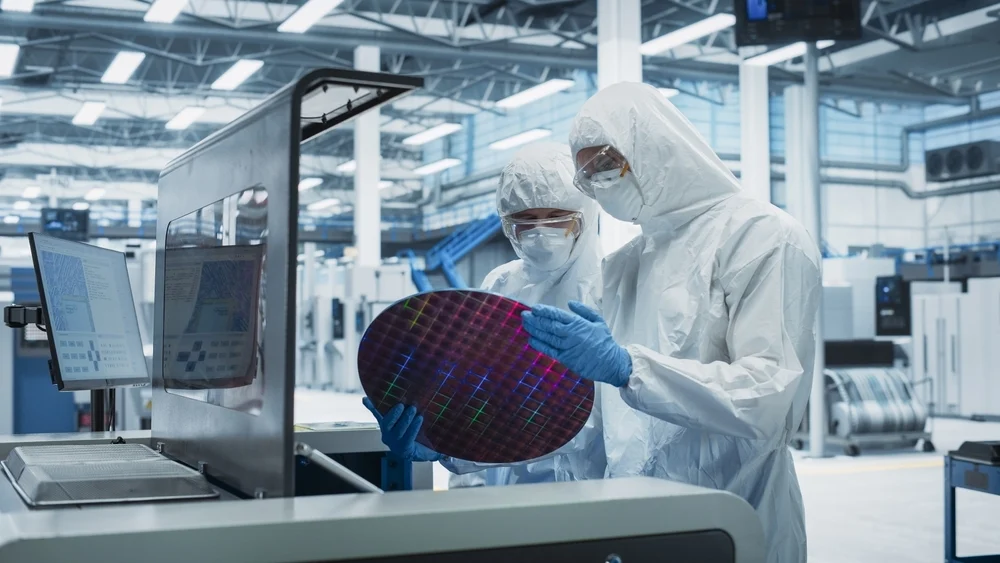
Surface analysis is widely used across many industries because the surface properties of materials often determine how products function in real-world environments. In the electronics and semiconductor industries, for example, surface purity and chemical composition are critical for ensuring reliable performance of microelectronic components. Even extremely small amounts of contamination can disrupt electrical conductivity or interfere with manufacturing processes.
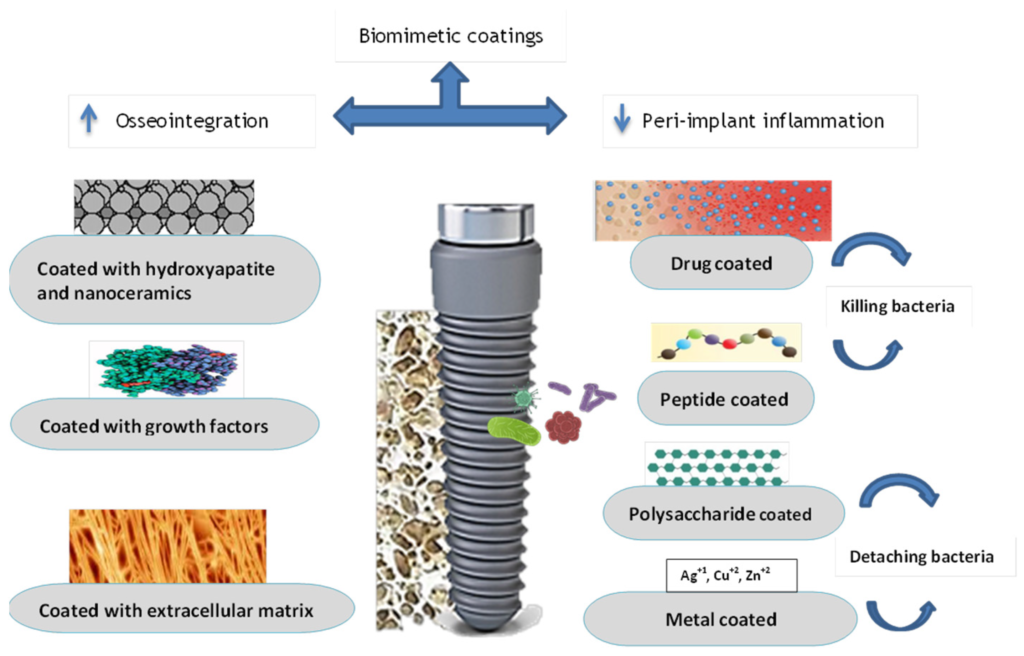
The biomedical sector also relies heavily on surface analysis when developing implants and medical devices. The surface properties of these devices influence how they interact with biological tissues and fluids. Analytical testing helps ensure that implant surfaces are clean, properly coated, and compatible with the human body.
Automotive and aerospace industries use surface analysis to evaluate protective coatings and corrosion-resistant materials used in demanding environments. Vehicles and aircraft components are often exposed to extreme temperatures, moisture, and mechanical stress. Surface testing helps confirm that protective layers provide the necessary durability and reliability.
Advanced materials research also depends on surface characterization to understand how new materials behave at microscopic levels. Researchers studying nanomaterials, thin films, and engineered coatings rely on surface analysis techniques to evaluate structure, composition, and performance.
At Genuine Testing, our surface analysis services support clients across these diverse industries. By providing detailed insights into material surfaces, we help organizations improve product performance, enhance durability, and ensure compliance with quality and regulatory requirements. Our goal is to deliver accurate and reliable data that enables informed decision-making and supports the development of high-quality materials and products.