
Sustainable & Recycled Materials
Advanced Validation for Sustainable & Circular Material Performance
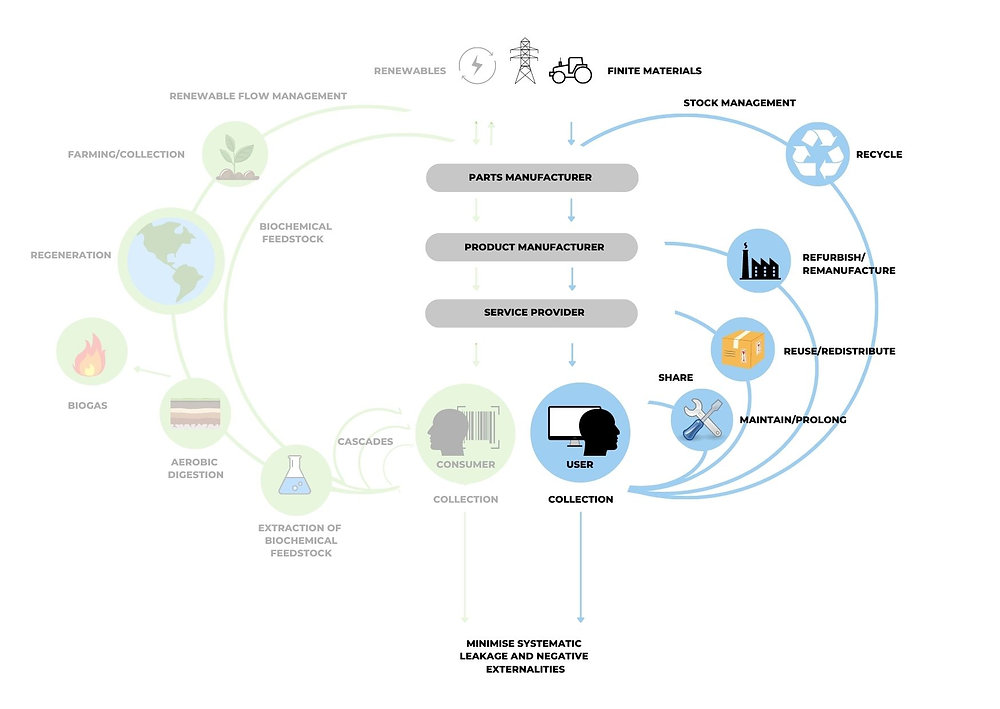
Sustainable and recycled materials are transforming modern manufacturing as industries shift toward environmentally responsible production and circular economy models. From recycled polymers and reclaimed metals to bio-based plastics, natural fiber composites, and low-carbon engineered materials, organizations across packaging, automotive, construction, consumer goods, and electronics sectors are integrating sustainable alternatives into their products. While these materials offer significant environmental advantages, they must still meet rigorous mechanical, structural, and regulatory performance requirements to ensure safety, durability, and market acceptance.
At Genuine Testing, we provide comprehensive sustainable materials testing and recycled material validation services designed to confirm that environmentally responsible solutions perform as reliably as conventional materials. As an advanced materials testing laboratory and Contract Research Organization (CRO), we support manufacturers, brands, recyclers, and material innovators with accurate, defensible, and application-specific data. Our programs evaluate strength, durability, environmental resistance, and compliance characteristics to ensure that sustainability initiatives do not compromise product integrity.
Mechanical Performance & Structural Integrity
Mechanical validation is essential when transitioning to recycled or bio-based materials. Reprocessing cycles, filler content, and fiber reinforcement variations can significantly influence tensile strength, impact resistance, stiffness, and fatigue behavior. Products manufactured from recycled polymers or natural fiber composites must withstand the same operational stresses as their conventional counterparts.
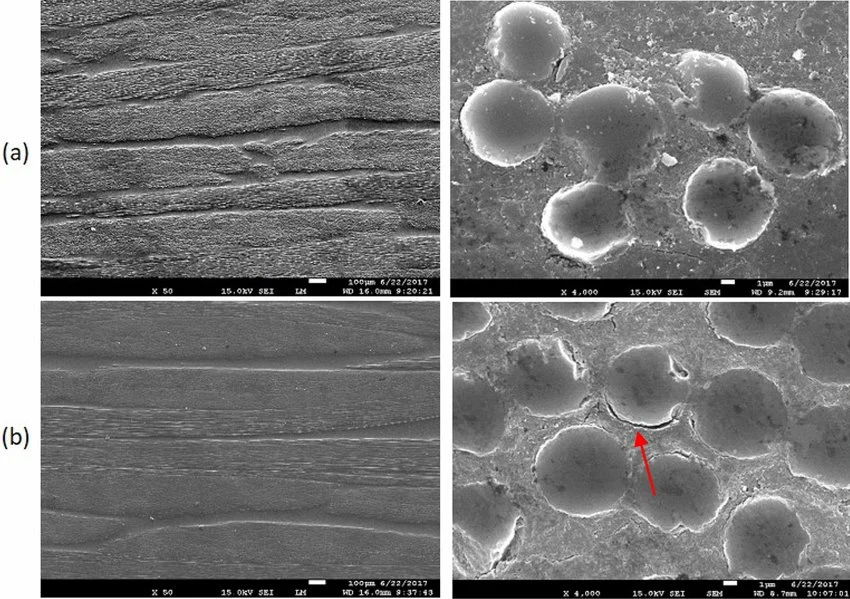
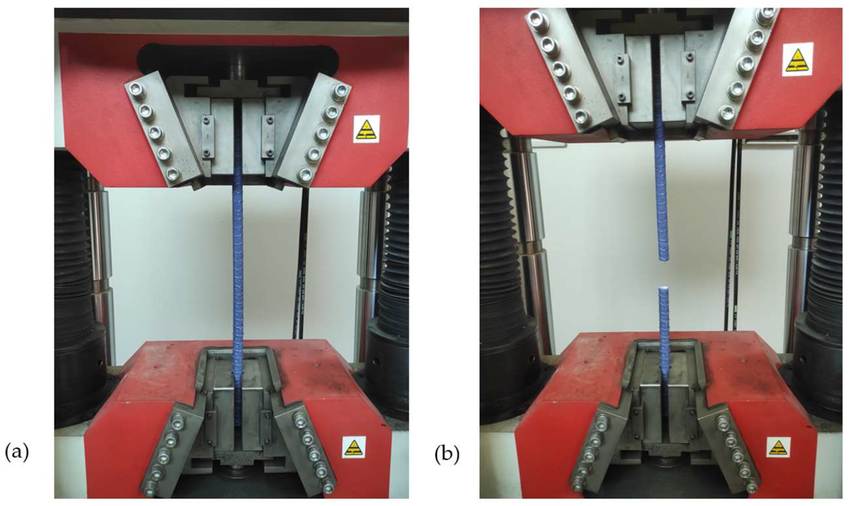
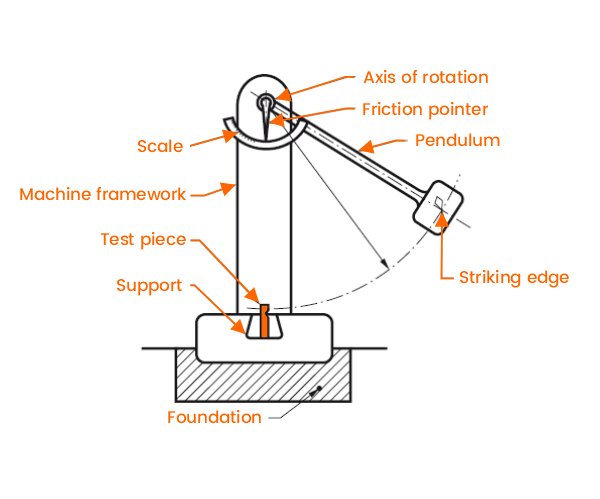
Our laboratory conducts tensile, compression, flexural, and impact testing to characterize the structural performance of sustainable materials across multiple production batches. Fatigue testing evaluates long-term durability under cyclic loading conditions, which is especially important for automotive, construction, and consumer durable applications. For fiber-reinforced green composites, we assess fiber dispersion, orientation, and interfacial bonding to ensure predictable mechanical performance.

Material Characterization & Compositional Analysis
Understanding the composition and microstructure of sustainable materials is vital for ensuring reliability and regulatory compliance. Recycled plastics may contain residual additives, contaminants, or mixed polymer fractions that affect performance. Bio-based materials may exhibit natural variability in fiber morphology or chemical structure.
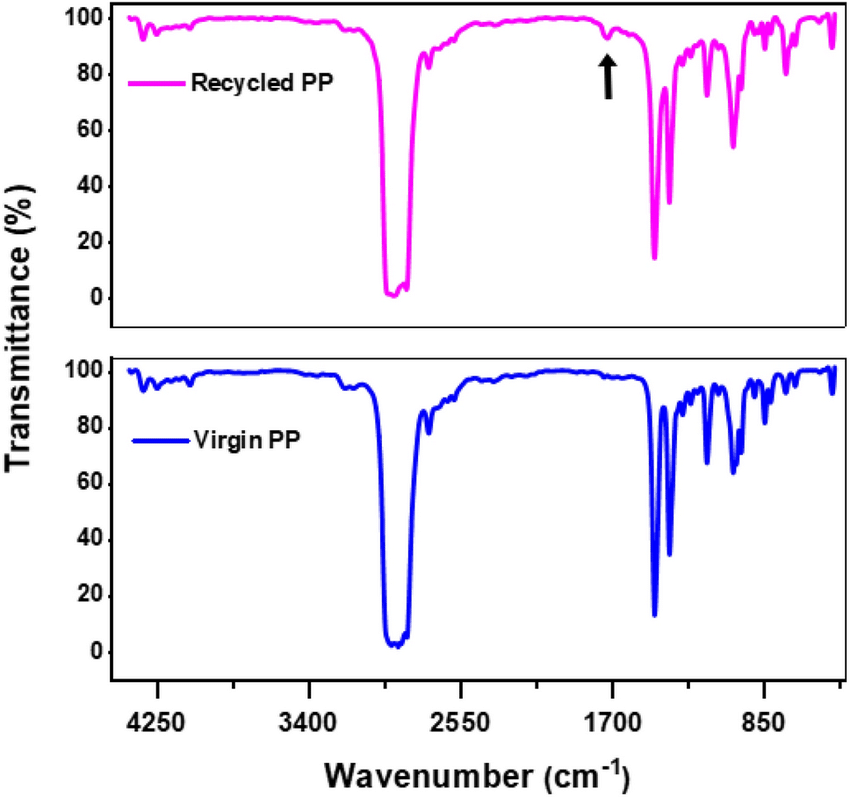
Our advanced characterization services include spectroscopic identification, thermal analysis, melt flow index testing, and microscopy-based structural evaluation. These techniques identify polymer types, detect impurities, and assess degradation levels caused by prior processing or environmental exposure. Cross-sectional analysis of composite materials reveals layer bonding integrity and filler distribution. For manufacturers incorporating high percentages of recycled content, batch-to-batch consistency validation is critical. By performing comparative analysis across production cycles, we ensure that material properties remain within defined performance thresholds. This comprehensive insight strengthens supply chain transparency and supports quality assurance programs.
Environmental Durability & Aging Performance
Sustainable materials must maintain performance under environmental stressors such as heat, moisture, UV radiation, and temperature fluctuations. Some bio-based polymers and recycled plastics may be more sensitive to environmental degradation than virgin materials, making durability validation particularly important.
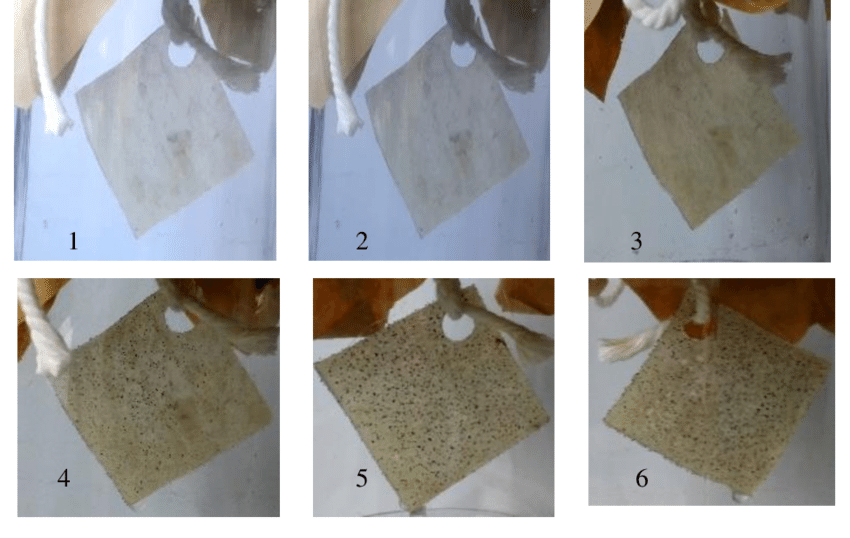
Our environmental testing programs simulate long-term exposure conditions to evaluate property retention and structural stability. UV aging studies assess color stability, embrittlement, and surface degradation. Humidity and thermal cycling tests evaluate dimensional stability and mechanical property retention. Outdoor weathering simulations provide insight into real-world performance over extended service life. Biodegradable and compostable materials require additional evaluation to understand controlled degradation behavior. We analyze how environmental exposure influences structural integrity and end-of-life characteristics while ensuring that products remain functional during their intended use phase. This balanced validation approach supports both durability and sustainability objectives.
Chemical Resistance & Safety Compliance
Many sustainable materials are used in packaging, consumer goods, and construction applications where chemical exposure and regulatory compliance are critical considerations. Recycled content materials must meet the same safety standards as virgin materials, particularly for food contact and personal care applications.
Our chemical resistance testing evaluates material stability when exposed to oils, solvents, cleaning agents, and other common substances. Migration testing assesses the potential transfer of substances from packaging into food or beverage products. For building materials and consumer products, we analyze emissions and compatibility characteristics to ensure safe usage.
Regulatory documentation and compliance verification are essential components of sustainable material adoption. By providing independent validation aligned with applicable standards, we support market access and consumer trust while minimizing compliance risk.
Lifecycle Performance & Circular Economy Validation
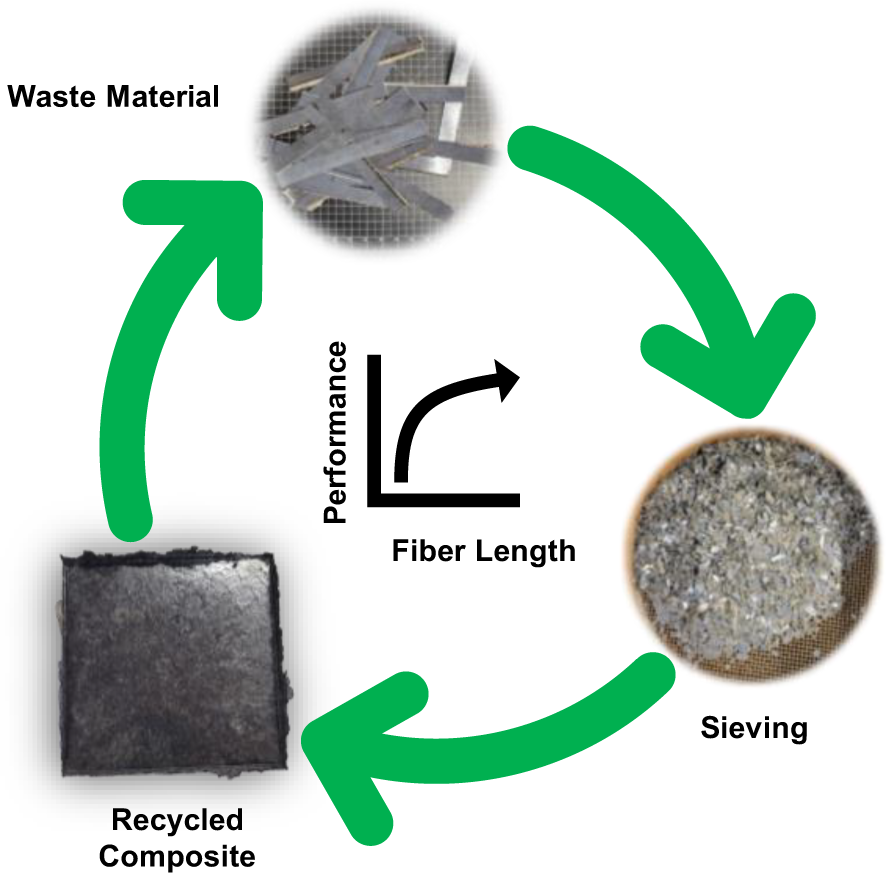
Sustainable materials play a central role in circular economy strategies, where products are designed for reuse, recycling, and reduced environmental impact. However, multiple recycling loops or prolonged service life can alter material properties. Lifecycle validation helps manufacturers understand how materials behave across repeated processing cycles.
Our laboratory evaluates mechanical and thermal property retention after simulated recycling processes. For metals and polymers, we analyze how reprocessing affects microstructure, strength, and durability. Comparative testing between virgin and recycled materials provides insight into performance trade-offs and optimization opportunities.
By assessing long-term lifecycle performance, we enable manufacturers to design products that balance environmental responsibility with reliability and safety. Data-driven insights also support environmental claims and sustainability reporting with credible, technical evidence.
Regulatory Compliance & Market Readiness
Sustainable and recycled materials must comply with industry-specific regulations governing safety, labeling, environmental claims, and performance standards. As global markets adopt stricter environmental policies, manufacturers face increasing scrutiny regarding material sourcing, recyclability, and product safety.
As a materials testing CRO, Genuine Testing delivers independent, third-party validation that supports regulatory submissions, certification processes, and quality audits. Our structured documentation ensures traceability and transparency, strengthening supply chain accountability and stakeholder confidence. Early-stage validation reduces development uncertainty and accelerates time to market for sustainable innovations.
Enabling Sustainable Innovation with Confidence
The transition to sustainable and recycled materials represents both an opportunity and a responsibility. Manufacturers must innovate responsibly while ensuring that environmental progress does not compromise structural integrity, product safety, or long-term performance. Robust testing and scientific validation are essential to achieving this balance.
At Genuine Testing, we collaborate closely with R&D teams, sustainability leaders, and quality assurance professionals to design customized validation programs tailored to specific applications and performance targets. Our multidisciplinary expertise in mechanical evaluation, environmental durability, compositional analysis, and regulatory compliance ensures comprehensive material assessment.
Clear, data-driven reporting transforms complex laboratory findings into actionable insights that guide material selection, process optimization, and strategic sustainability initiatives. Through advanced sustainable and recycled materials testing services, Genuine Testing empowers organizations to embrace circular economy principles with confidence, delivering high-performance products that meet both environmental goals and market expectations.
At Genuine Testing, we provide comprehensive sustainable materials testing and recycled material validation services designed to confirm that environmentally responsible solutions perform as reliably as conventional materials. As an advanced materials testing laboratory and Contract Research Organization (CRO), we support manufacturers, brands, recyclers, and material innovators with accurate, defensible, and application-specific data. Our programs evaluate strength, durability, environmental resistance, and compliance characteristics to ensure that sustainability initiatives do not compromise product integrity.