
Trace Elemental Analysis
At Genuine Testing, our trace elemental analysis services help you detect and quantify extremely low concentrations of elements in a wide range of materials. Understanding the presence and levels of trace elements is vital for quality control, compliance, product development, and failure analysis.Using state-of-the-art instrumentation and methods, we deliver reliable and accurate measurements even at parts-per-million (ppm), parts-per-billion (ppb), or lower enabling you to make confident, informed decisions about your materials and processes.
Trace elemental analysis is a critical scientific technique used to detect and measure extremely small amounts of chemical elements within a material. Even when present at very low concentrations, trace elements can significantly influence the physical, chemical, and biological properties of a substance. Understanding the presence and concentration of these elements is essential in many industries, including pharmaceuticals, environmental monitoring, materials science, and manufacturing.Modern analytical technologies allow scientists to identify trace elements at parts-per-million or even parts-per-billion levels. These capabilities make trace elemental analysis an invaluable tool for ensuring product quality, verifying material purity, and identifying potential contaminants. For example, in pharmaceutical manufacturing, even minute traces of heavy metals or impurities may affect drug safety and effectiveness. Accurate detection and quantification of these elements help ensure compliance with strict regulatory standards.
Why Choose Genuine Testing for Trace Elemental Analysis?
High Sensitivity & Precision
Our advanced techniques can detect minute quantities of elements with exceptional accuracy.Broad Material Expertise
We analyze metals, polymers, ceramics, composites, liquids, and more.Regulatory Compliance
Meet industry and environmental standards with precise testing and documented results.Fast Turnaround & Expert Support
Our team ensures timely delivery of results with clear interpretation and support.
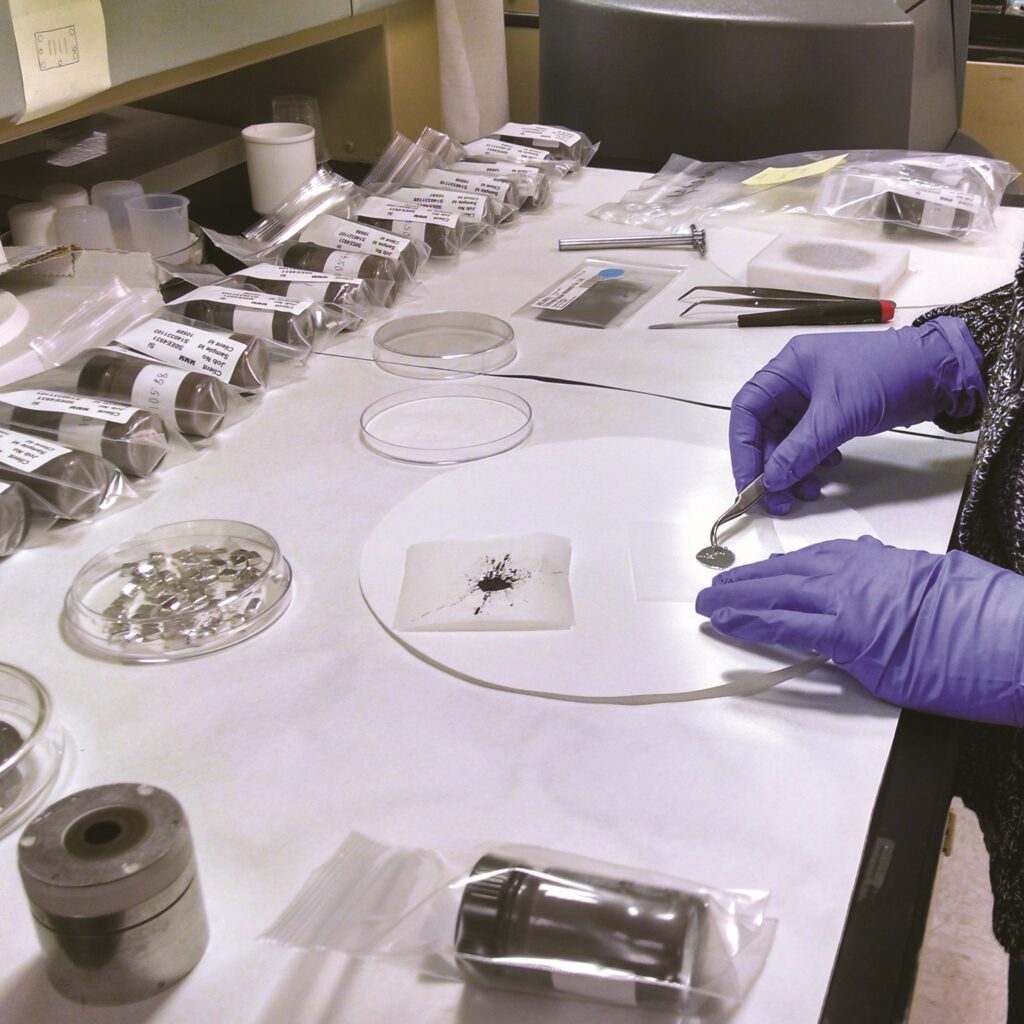
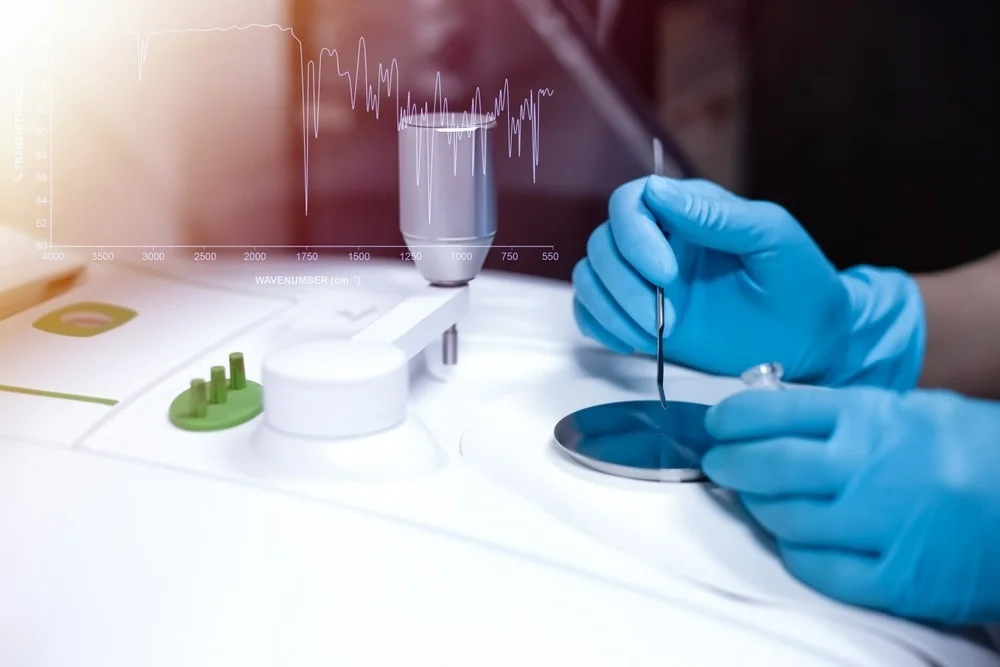
Our Trace Elemental Analysis Capabilities
We can help you identify and measure:
Impurities that affect material performance
Residual catalysts, dopants, or additives
Contaminants from manufacturing processes
Environmental pollutants or restricted substances
Trace metals in biological, industrial, or environmental samples
Techniques We Use
We employ a range of powerful techniques to achieve ultra-sensitive detection:
Inductively Coupled Plasma Mass Spectrometry (ICP-MS)
Inductively Coupled Plasma Optical Emission Spectroscopy (ICP-OES)
Glow Discharge Mass Spectrometry (GDMS)
X-ray Fluorescence (XRF)
Atomic Absorption Spectroscopy (AAS)
Secondary Ion Mass Spectrometry (SIMS)
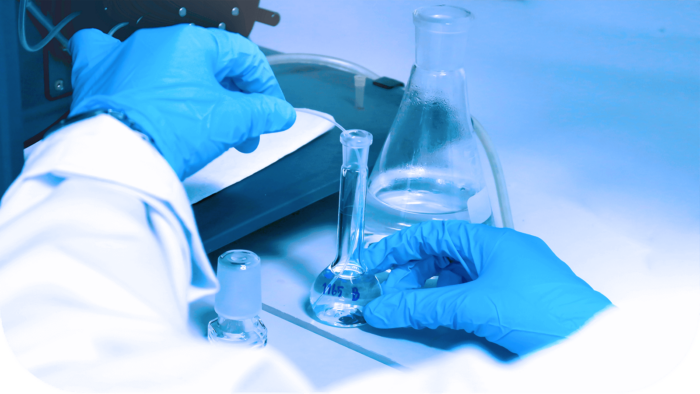

Applications & Industries
Our trace elemental analysis services are trusted across a variety of sectors:
Semiconductor & electronics manufacturing
Medical devices & pharmaceuticals
Aerospace & defense
Environmental monitoring & compliance
Food & beverage safety testing
Metals & mining industries
Advanced Analytical Techniques for Elemental Detection
Trace elemental analysis relies on sophisticated analytical techniques capable of detecting extremely small concentrations of elements. These methods are designed to provide accurate identification and quantification of metals and other elements within complex materials. Each analytical technique offers unique advantages depending on the type of sample and the level of sensitivity required.
One widely used method involves plasma-based spectrometry techniques, which use high-energy plasma to excite atoms within a sample. When these excited atoms release energy, they produce characteristic signals that allow scientists to identify the elements present and determine their concentrations. These techniques are particularly effective for analyzing multiple elements simultaneously and detecting trace levels of metals.
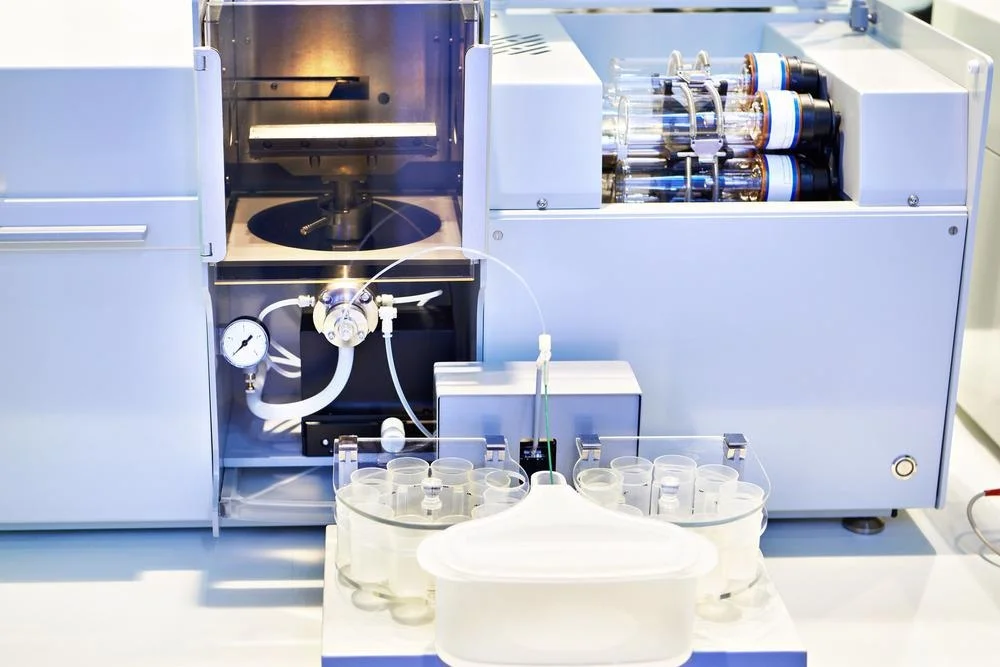
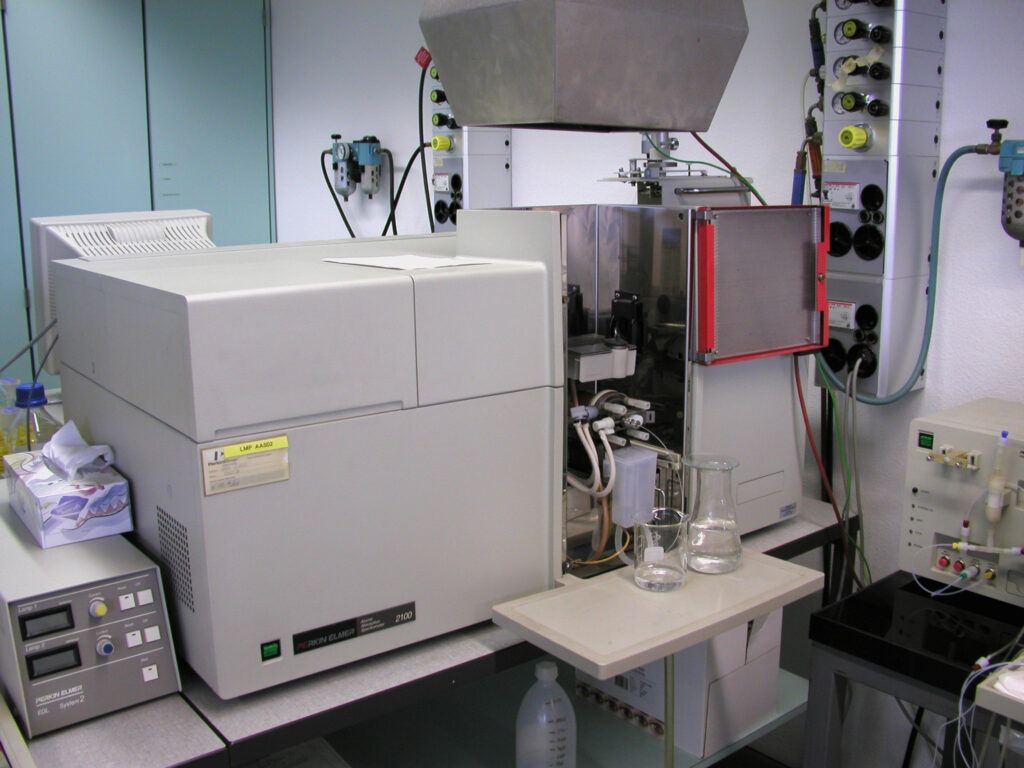
Another important analytical approach involves atomic absorption methods, which measure how atoms absorb specific wavelengths of light. This technique allows laboratories to quantify the concentration of individual elements with high accuracy. It is frequently used in applications such as environmental testing, pharmaceutical analysis, and industrial quality control.

Sample Preparation and Accuracy in Trace Analysis
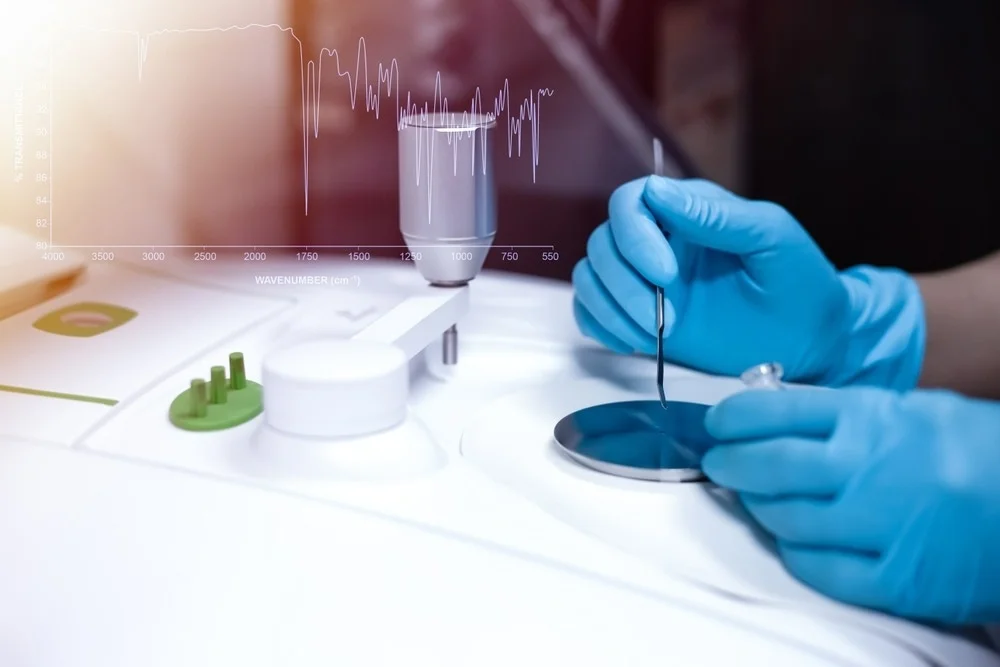
Accurate trace elemental analysis begins with proper sample preparation. Because the elements being measured may exist at extremely low concentrations, even small amounts of contamination introduced during preparation can significantly affect the results. Laboratories must follow strict procedures to ensure that samples remain uncontaminated and representative of the original material.
Sample preparation methods vary depending on the type of material being analyzed. Solid samples may require grinding, dissolution, or chemical digestion to convert them into a form suitable for analysis. Liquid samples may need filtration or dilution to remove impurities and adjust concentration levels. These processes must be carefully controlled to preserve the original elemental composition of the sample.
Clean laboratory environments are essential for preventing contamination during trace analysis. Specialized equipment, purified reagents, and strict handling procedures help ensure that samples remain free from external contaminants. Technicians must also use dedicated containers and instruments designed specifically for trace elemental work.
Quality Control and Regulatory Compliance
Trace elemental analysis plays an important role in quality control and regulatory compliance for many industries. Products ranging from pharmaceuticals and food ingredients to industrial materials must meet strict guidelines regarding allowable concentrations of specific elements. Analytical testing ensures that these materials comply with regulatory requirements and remain safe for their intended applications.
In pharmaceutical manufacturing, regulatory agencies require strict control of elemental impurities in drug products and raw materials. Trace metals such as lead, mercury, arsenic, and cadmium must be carefully monitored to ensure that their concentrations remain within acceptable limits. Accurate analysis helps manufacturers demonstrate compliance with these safety standards and maintain product quality.
Environmental monitoring also relies heavily on trace elemental analysis. Laboratories routinely test water, soil, and air samples to detect pollutants and monitor environmental health. Identifying trace levels of heavy metals or other contaminants helps organizations understand environmental risks and develop strategies to mitigate pollution.

Industrial manufacturers use elemental testing to verify the composition of raw materials and finished products. Even small variations in elemental content can affect material performance, making accurate analysis essential for maintaining consistent quality. Trace elemental analysis provides the data needed to confirm material purity and detect potential contamination.
Through reliable testing and detailed analytical reports, Genuine Testing helps clients meet regulatory requirements and maintain confidence in their products. Our trace elemental analysis services provide precise measurements that support quality assurance and regulatory compliance efforts.
Applications Across Industries and Scientific Fields
Trace elemental analysis is used across many industries and scientific disciplines because of its ability to reveal detailed information about the composition of materials. In environmental science, analytical testing helps monitor pollution levels and identify sources of contamination in ecosystems. Water, soil, and sediment samples are often analyzed to detect heavy metals and other pollutants that may pose risks to human health and the environment.
In biomedical research, scientists study trace elements to understand their role in biological systems. Certain elements are essential for human health in small quantities, while others may be toxic even at low concentrations. Analytical testing helps researchers investigate these effects and develop safer medical treatments and pharmaceutical products.
Materials science and engineering industries also rely heavily on trace elemental analysis. Engineers must ensure that materials used in manufacturing contain the correct elemental composition to achieve desired mechanical and chemical properties. Analytical testing helps verify alloy composition, detect impurities, and evaluate the effects of trace additives on material performance.
The electronics industry uses trace elemental analysis to ensure the purity of materials used in semiconductor manufacturing. Extremely small concentrations of contaminants can affect the electrical performance of electronic components, making precise analysis essential for maintaining product reliability.
At Genuine Testing, our trace elemental analysis services support clients across these diverse industries. By providing accurate and reliable data on elemental composition, we help organizations better understand their materials, improve product quality, and maintain compliance with regulatory standards. Our goal is to deliver analytical insights that support innovation, safety, and performance across a wide range of scientific and industrial applications.