
Advanced Coatings and Surface Treatments: How Surface Engineering Improves Material Performance
The performance of a material is often determined not only by what exists beneath its surface, but also by what happens at the surface itself. Components used in automotive, aerospace, energy, electronics, medical, construction, and industrial applications can be exposed to friction, moisture, chemicals, elevated temperatures, corrosive environments, and repeated mechanical loading. Over time, these conditions can cause wear, corrosion, cracking, adhesion problems, and surface degradation. Advanced coatings and surface treatments provide manufacturers with effective ways to improve the performance and service life of materials without necessarily changing the underlying bulk material. By engineering the surface, manufacturers can improve properties such as corrosion resistance, hardness, wear resistance, chemical stability, friction behavior, adhesion, and environmental durability. As industries continue to demand lighter, stronger, longer-lasting, and more efficient products, surface engineering has become an increasingly important area of materials science. However, selecting an appropriate coating or surface treatment requires more than simply applying a protective layer. The coating composition, thickness, adhesion, surface preparation, application process, environmental exposure, and interaction with the underlying material must all be carefully evaluated.
What Are Advanced Coatings and Surface Treatments?
Advanced coatings are engineered layers applied to a material surface to provide specific functional or protective properties. Depending on the application, coatings may be designed to improve corrosion resistance, reduce friction, increase hardness, protect against chemicals, improve thermal stability, or provide specialized electrical or optical characteristics.
Surface treatments, meanwhile, modify the properties of the surface itself through physical, chemical, thermal, or mechanical processes. These treatments can change surface hardness, roughness, chemistry, wettability, adhesion, or other characteristics.
Modern surface engineering can involve technologies such as protective coatings, conversion coatings, thin films, thermal treatments, surface modification, plasma-based processes, and other specialized approaches.
The right solution depends on the material, operating environment, required performance, and expected service life of the finished component.


Surface Analysis for Coating Development
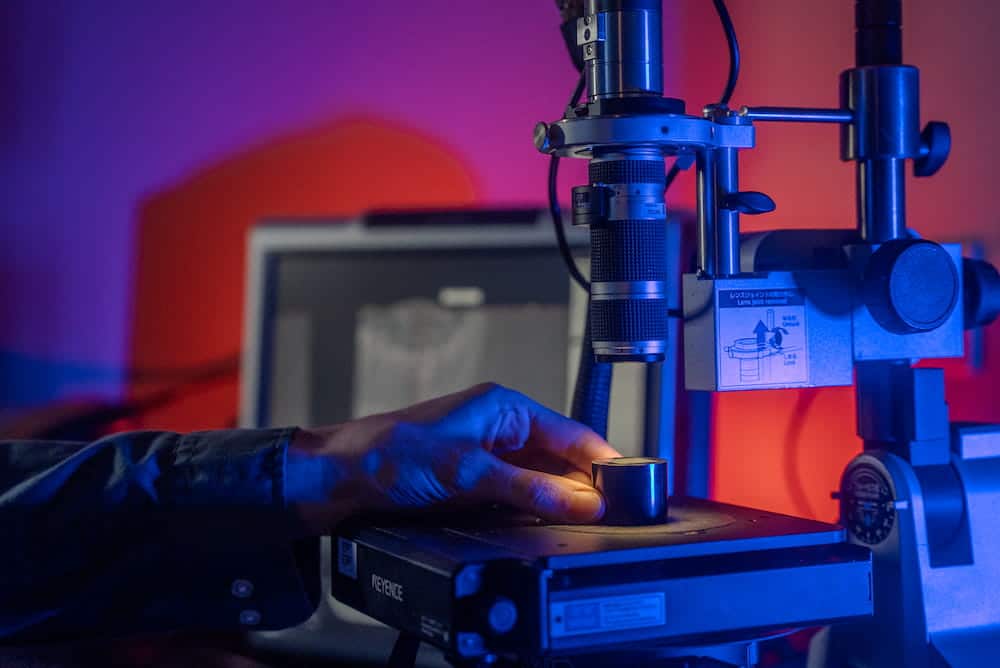
Understanding the surface is essential when developing and evaluating advanced coatings. Surface analysis can reveal information about chemical composition, morphology, contamination, roughness, and structural characteristics.
High-resolution microscopy can identify surface defects, cracks, particles, and coating interfaces. Chemical analysis can determine whether unexpected elements or degradation products are present.
For advanced applications, surface characterization can also help researchers understand how a coating interacts with the underlying substrate and how its properties change during service.
Surface Analysis can therefore provide valuable information during coating development, troubleshooting, quality control, and failure investigations.
Wear-Resistant Coatings for Industrial Applications
Mechanical wear can significantly reduce the service life of components that experience continuous contact, sliding, impact, or abrasive conditions.
Bearings, gears, cutting tools, pumps, valves, shafts, and other industrial components can experience substantial surface damage during operation.
Wear-resistant coatings are designed to reduce material loss and protect surfaces under demanding conditions. Some coatings are engineered to increase hardness, while others are designed to reduce friction or provide resistance to specific forms of abrasion.
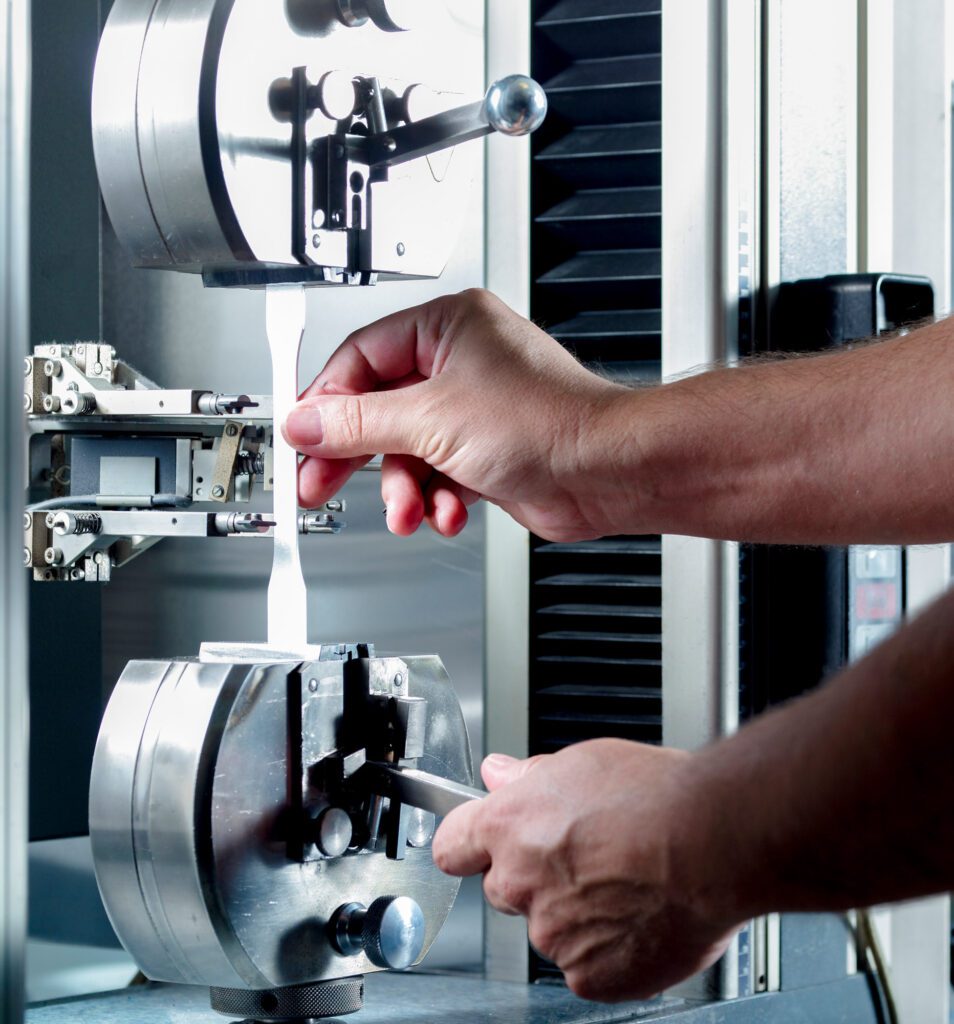
Laboratory evaluation allows engineers to compare coating systems under controlled conditions and determine which solution is most appropriate for a particular application.


Reducing Friction Through Surface Engineering
Friction is another important consideration in mechanical systems. Excessive friction can increase energy consumption, generate heat, accelerate wear, and reduce efficiency.
Surface treatments and specialized coatings can modify the interaction between two contacting surfaces and reduce friction under appropriate operating conditions.
Tribological testing can evaluate how surfaces behave during sliding or contact and can provide information about friction coefficients, wear rates, surface damage, and other performance characteristics.
This type of testing is especially valuable when developing coatings for automotive components, industrial machinery, aerospace systems, and other applications where efficiency and durability are critical.
Coatings in Aerospace and Automotive Applications
Aerospace and automotive components operate under demanding conditions and often require protection against corrosion, wear, temperature changes, chemicals, and mechanical stresses.
Surface treatments can help extend the service life of components while reducing maintenance requirements.
In aerospace applications, coatings may protect lightweight alloys and other materials from corrosion and environmental exposure. In automotive systems, specialized coatings may be used on engine components, braking systems, transmission parts, exhaust components, and other areas where wear and temperature resistance are important.
Because failure in these applications can have significant safety and economic consequences, coating performance must be thoroughly validated.
A coating that performs well under laboratory conditions may behave differently when exposed to real-world environments. Temperature fluctuations, humidity, salt, chemicals, ultraviolet radiation, and mechanical stresses can all contribute to coating degradation.
Environmental testing helps simulate these conditions and evaluate how coatings respond over time.
Supporting Sustainable Manufacturing
Advanced coatings can also contribute to sustainability by extending the useful life of components. A longer-lasting component may require fewer replacements, reducing material consumption and manufacturing waste.
Surface engineering can also allow manufacturers to use lightweight or lower-cost substrate materials while providing enhanced surface performance through specialized treatments.
As industries increasingly focus on circular manufacturing and resource efficiency, durable surface technologies may become an important part of sustainable product development.