
What is Failure Analysis in Materials Testing?
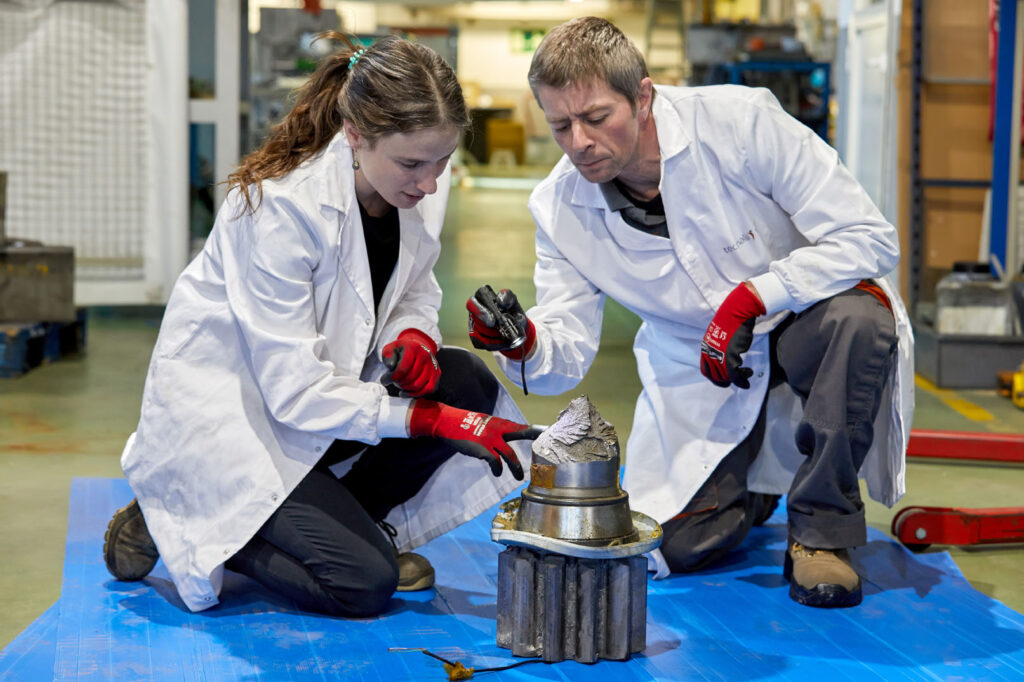
When a product, component, or material fails unexpectedly, the consequences can be costly—ranging from production downtime and financial loss to safety risks and reputational damage. This is where failure analysis in materials testing becomes essential. It is a scientific and systematic approach used to determine why a material or product failed and how such failures can be prevented in the future.
Modern industries rely heavily on a failure analysis laboratory to uncover the hidden causes behind structural breakdowns, material defects, and performance issues. Through advanced investigative techniques, experts transform uncertainty into clear, actionable insights.
Understanding Failure Analysis in Materials Testing
Failure analysis is the process of identifying the root cause investigation behind why a material, component, or system did not perform as intended. It goes beyond simply observing the damage—it digs deeper into the material’s history, composition, environment, and stress conditions.
In a well-equipped Failure analysis laboratory, scientists use advanced tools such as microscopy, chemical analysis, mechanical testing, and imaging techniques to study failed samples in detail. The goal is not just to understand what went wrong, but why it happened and how to prevent it in the future.
This makes failure analysis a critical part of quality assurance, product development, and regulatory compliance across industries like aerospace, automotive, construction, electronics, and energy.
Why Failure Analysis is Important
Failures can occur even in well-designed systems due to material defects, manufacturing errors, environmental exposure, or improper usage. Without proper investigation, these failures may repeat, leading to recurring costs and risks.
Professional failure analysis services help organizations to:
- Identify the exact cause of material or product failure
- Prevent future breakdowns and improve reliability
- Enhance product design and manufacturing processes
- Reduce warranty claims and operational costs
- Ensure compliance with industry safety standards
By understanding the root cause, businesses can make data-driven improvements rather than relying on assumptions.
The Role of a Failure Analysis Laboratory
A specialized failure analysis laboratory plays a central role in investigating failed components. These labs are equipped with advanced instruments and operated by experienced scientists and engineers who specialize in material behavior and diagnostics.
Typical capabilities include:
1. Visual and Microscopic Examination
Initial inspection helps identify visible cracks, fractures, corrosion, or deformation. High-resolution microscopy reveals microstructural changes that are not visible to the naked eye.
2. Chemical and Elemental Analysis
This helps determine whether contamination, corrosion, or incorrect material composition contributed to the failure.
3. Mechanical Testing
Tests such as tensile strength, hardness, and fatigue analysis help evaluate whether the material met required performance standards.
4. Fractography
This technique studies fracture surfaces to understand how cracks initiated and propagated.
5. Environmental Simulation
Recreating service conditions such as heat, humidity, or pressure helps identify external factors that may have caused degradation.
These combined methods allow experts to reconstruct the failure event with high accuracy.
Root Cause Investigation: Going Beyond Surface-Level Issues
A key element of failure analysis is Root cause investigation. While surface damage may show symptoms of failure, the root cause often lies deeper in material selection, design flaws, or manufacturing inconsistencies.
For example:
- A cracked metal component may be traced back to improper heat treatment
- A corroded surface may be linked to environmental exposure or coating failure
- A fractured plastic part may result from poor polymer formulation or stress concentration
Root cause investigation ensures that solutions address the actual problem rather than temporary symptoms. This leads to stronger, safer, and more reliable products.
Industries That Rely on Failure Analysis Services
Almost every engineering-driven industry depends on failure analysis services to maintain quality and safety. Some key sectors include:
- Aerospace: Ensuring aircraft components withstand extreme stress and temperature conditions
- Automotive: Improving engine parts, safety systems, and structural components
- Electronics: Diagnosing circuit failures, overheating issues, and material defects
- Construction: Analyzing structural materials like steel, concrete, and composites
- Energy: Investigating failures in pipelines, turbines, and renewable systems
In each case, failure analysis helps prevent catastrophic breakdowns and improves long-term performance.
The Process of Failure Analysis
A structured approach is followed in most laboratories to ensure accuracy and reliability:
- Sample Collection & Documentation
Failed components are carefully collected, labeled, and documented. - Preliminary Examination
Visual inspection identifies obvious damage patterns. - Detailed Laboratory Testing
Advanced techniques are used to analyze material structure and composition. - Root Cause Investigation
Data is interpreted to determine the exact cause of failure. - Reporting & Recommendations
A detailed report is provided, including corrective actions and preventive strategies.
This systematic workflow ensures that every failure is fully understood and addressed.
Benefits of Professional Failure Analysis Services
Partnering with an expert laboratory provides several advantages:
- Faster identification of failure causes
- Improved product reliability and performance
- Reduced risk of recurring failures
- Enhanced customer satisfaction
- Stronger compliance with industry regulations
Organizations that invest in Failure analysis services often experience long-term cost savings and improved operational efficiency.
Conclusion
Failure analysis in materials testing is not just about studying broken components—it is about uncovering valuable insights that drive innovation, safety, and performance. A professional failure analysis laboratory plays a crucial role in performing accurate diagnostics and delivering meaningful solutions.
Through detailed root cause investigation and advanced scientific methods, businesses can prevent future failures and continuously improve their products. Reliable failure analysis services empower industries to move forward with confidence, ensuring that every material and component performs exactly as intended.
In a world where precision and reliability matter more than ever, failure analysis stands as a cornerstone of modern materials engineering and quality assurance.