
Beyond Conventional Battery Testing: How Material Analysis Supports Safer and More Reliable Energy Storage Systems
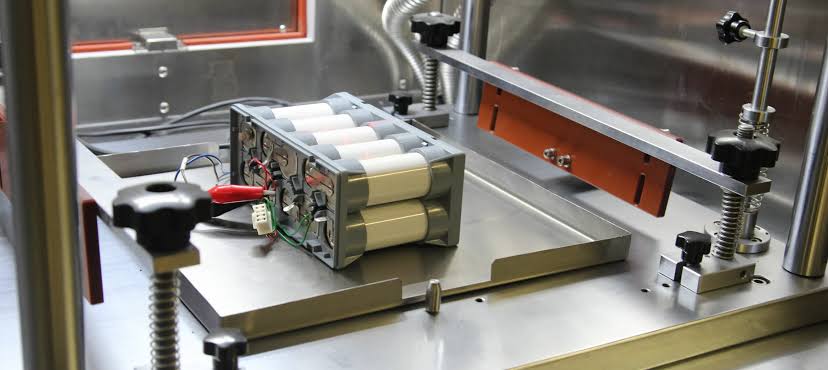
Modern energy storage systems are expected to deliver higher energy density, longer operating life, faster charging, and improved safety. Meeting these expectations requires much more than assembling high-quality battery components. Every material used within a battery can influence its overall behavior.
Electrodes, active materials, current collectors, separators, electrolytes, coatings, and other components must perform consistently under demanding conditions. Even small variations in chemical composition or unwanted contaminants can affect electrochemical performance.
This is where a specialized Battery testing laboratory becomes an important scientific partner. Laboratory testing provides manufacturers and research teams with objective data that can reveal how materials perform, identify potential sources of variation, and support continuous product improvement.
Understanding What Is Inside Battery Materials
Battery performance starts at the material level. Before researchers can optimize a battery, they need to understand precisely what they are working with.
Battery Materials Analysis provides detailed information about the physical and chemical characteristics of battery-related materials. Depending on the project requirements, analysis may help evaluate composition, identify unexpected substances, investigate material degradation, or compare samples from different manufacturing stages.
This type of testing can be valuable during:
- New battery material development
- Research and development programs
- Raw material qualification
- Manufacturing quality control
- Failure investigations
- Product optimization
- Supplier and batch comparisons
- Research into battery degradation
By examining materials carefully, organizations can move beyond assumptions and make decisions based on reliable scientific evidence.
Why Trace Elemental Analysis Matters
Materials can contain elements in extremely small concentrations that may nevertheless influence performance. These trace constituents can originate from raw materials, processing equipment, manufacturing environments, additives, or other sources.
Trace Elemental Analysis is designed to investigate elemental composition at low concentrations and can help researchers determine whether specific elements are present in a sample and, where applicable, understand their concentration.
For battery development, this information can be particularly useful when investigating unexpected changes in performance or material quality. Detecting trace elements can support root-cause investigations and help identify potential contamination or process-related issues.
The value of trace analysis is not simply finding something unusual. The real benefit comes from connecting analytical results with the scientific question being investigated.
Supporting Battery Safety Through Scientific Investigation
Battery safety is one of the most important considerations in modern energy storage development. Material inconsistencies and contaminants can potentially contribute to undesirable behavior, making characterization an important part of a comprehensive testing strategy.
A professional Battery testing laboratory can help organizations investigate material-related questions before they become larger development or manufacturing challenges.
For example, when a battery sample demonstrates unexpected performance, researchers may need to determine whether material composition, contamination, degradation, or another factor is contributing to the issue. Laboratory analysis can provide the evidence necessary to investigate these possibilities systematically.
This scientific approach supports better decision-making throughout the battery development lifecycle.
From Research Questions to Actionable Results
Laboratory testing becomes most valuable when it is connected to a clearly defined research objective. At Genuine Testing, the process begins by understanding what the client needs to discover.
Rather than applying the same testing approach to every project, the appropriate analytical techniques and methodologies can be selected according to the material, research question, and desired outcome.
The process can include:
1. Understanding the Objective
Every project begins with a clear understanding of the scientific or technical question. Whether the goal is material characterization, contamination investigation, quality evaluation, or research support, defining the objective helps establish an appropriate testing strategy.
2. Developing the Methodology
The next step involves selecting suitable analytical techniques, instruments, protocols, and quality controls. A customized methodology ensures that testing addresses the specific requirements of the project.
3. Conducting Laboratory Analysis
Samples are examined using advanced laboratory equipment and established procedures. Careful execution helps generate reliable and reproducible results.
4. Interpreting the Data
Raw laboratory results are only one part of the process. Scientific interpretation helps transform complex analytical information into useful findings that researchers and businesses can apply to their projects.
Genuine Testing: A Scientific Partner for Battery Innovation
Selecting the right laboratory can have a major impact on the quality and usefulness of research results. Genuine Testing combines advanced laboratory capabilities with scientific expertise to support organizations working with complex materials.
Its capabilities include Battery Materials Analysis, contaminant identification, advanced microscopy, chemical and environmental analysis, and other laboratory research services. This broad analytical capability allows clients to investigate material questions from multiple perspectives rather than relying on a single testing method.
As a trusted Contract Research Organization, Genuine Testing also supports clients beyond individual laboratory tests. Its collaborative approach can assist with research design, methodology development, laboratory execution, data analysis, and interpretation.
This combination of technical capability and research support can be particularly valuable for organizations developing innovative battery technologies or investigating challenging material problems.
Making Better Decisions With Better Material Data
Battery innovation depends on understanding materials at increasingly detailed levels. As manufacturers and researchers pursue improved performance, material characterization becomes an essential part of the development process.
A comprehensive Battery testing laboratory can help uncover information that may not be visible through conventional performance testing alone. Battery Materials Analysis can provide insight into the characteristics of the materials themselves, while Trace Elemental Analysis can help investigate elemental composition and potential trace-level contributors to material variation.
Together, these analytical approaches can support research, quality assurance, troubleshooting, and product development.
Advancing the Future of Energy Storage
The future of energy storage will depend not only on innovative battery designs but also on the ability to understand and control the materials behind them. As technologies become more sophisticated, precise laboratory analysis will play an increasingly important role in improving reliability and supporting responsible innovation.
Genuine Testing provides the scientific expertise, advanced instrumentation, and customized research capabilities needed to help organizations investigate complex material questions. From initial research through product development and quality evaluation, its laboratory services are designed to turn scientific questions into actionable insights.
With the right analytical partner, battery developers can gain a clearer understanding of their materials, investigate potential challenges more effectively, and make informed decisions backed by dependable laboratory data. Battery Materials Analysis, Trace Elemental Analysis, and advanced laboratory testing together provide a stronger scientific foundation for developing safer, more consistent, and more reliable energy storage technologies.