genuinetesting

Blog

FTIR testing services
Blog

FTIR vs XRF vs ICP-MS: A Complete Guide to Choosing the Right Chemical Analysis Method for Accurate Material Testing and Research

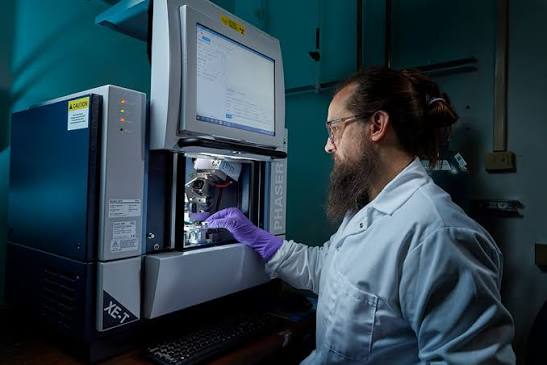
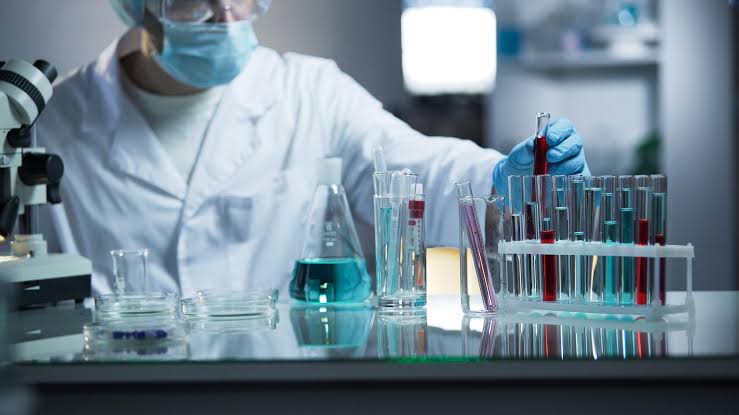
Selecting the right chemical analysis technique can significantly impact product quality, regulatory compliance, and research success. This guide compares FTIR testing services, XRF analysis laboratory capabilities, and ICP-MS testing to help manufacturers, researchers, and quality professionals determine the most effective analytical method for their materials and applications.

tribology testing services
Blog

What is Tribology and Why Does It Matter?

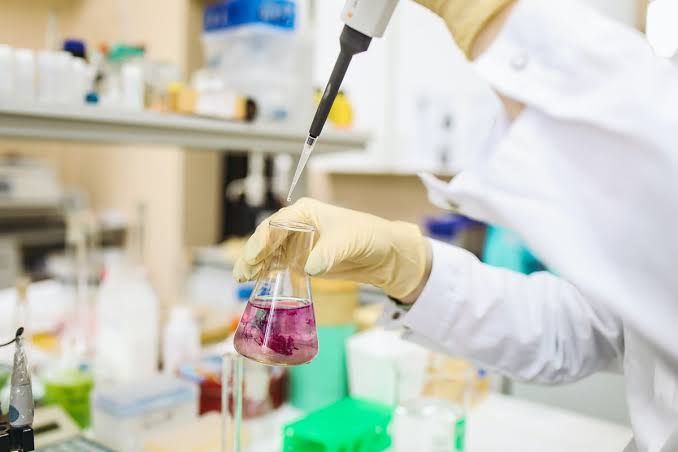
Tribology is the science of friction, wear, and lubrication between surfaces in motion. It plays a critical role in improving product performance, durability, and safety across industries. Through advanced tribology testing services, including coefficient of friction testing and wear and friction evaluation, manufacturers can optimize materials, reduce failures, and extend product life.

materials testing lab
Blog

How to Choose a Materials Testing Laboratory

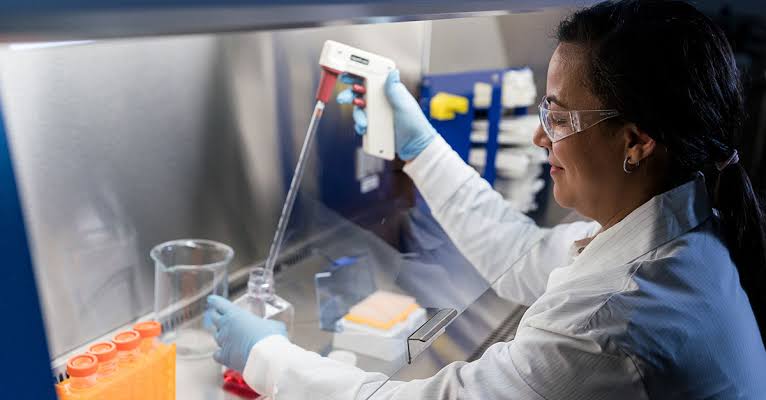
Choosing the right materials testing laboratory is essential for ensuring product safety, regulatory compliance, and reliable performance. This guide explains what to look for in a materials testing lab, the role of CRO materials testing services, and how to select a trusted partner for accurate, high-quality results.

SEM analysis services
Blog

SEM vs TEM Microscopy — What’s the Difference?

Scanning Electron Microscopy (SEM) and Transmission Electron Microscopy (TEM) are two powerful techniques in modern materials science. This blog explores the key differences between SEM and TEM, their applications, and how advanced microscopy and SEM analysis services help industries achieve precise material characterization for innovation, quality control, and research excellence.

Failure Analysis in Materials Testing
Blog

What is Failure Analysis in Materials Testing?

Failure analysis in materials testing is a critical scientific process used to determine why a material or component has failed and how similar issues can be prevented in the future. By using advanced techniques in a specialized failure analysis laboratory, experts conduct a detailed root cause investigation to uncover defects, environmental influences, and performance limitations. Professional failure analysis services help industries improve product reliability, enhance safety, and reduce costly breakdowns. This blog explores the importance, process, and benefits of failure analysis in modern engineering and how it supports innovation and quality assurance across multiple industries.

Scroll to Top