
How Failure Analysis Helps Manufacturers Reduce Product Failures and Improve Quality
In today's highly competitive manufacturing environment, product quality is more important than ever. Whether producing aerospace components, medical devices, automotive parts, electronic products, or industrial equipment, manufacturers are expected to deliver products that perform reliably throughout their intended lifespan. Even a minor material defect or manufacturing inconsistency can lead to product recalls, costly repairs, safety risks, and damage to a company's reputation. Failure analysis has become an essential part of modern quality assurance. Rather than simply identifying that a component has failed, failure analysis investigates why it failed. Through advanced laboratory techniques and scientific investigation, engineers can determine the root cause of material degradation, fractures, corrosion, contamination, or manufacturing defects. These insights enable organizations to improve designs, optimize manufacturing processes, and prevent similar failures in future production.
Understanding Failure Analysis
Failure analysis is a systematic scientific investigation used to determine the exact reason a material, component, or finished product has failed. The process involves examining physical evidence, analyzing material properties, evaluating manufacturing history, and studying the operating environment in which the failure occurred.
Instead of replacing failed components without understanding the underlying issue, organizations rely on laboratory investigations to uncover hidden problems that may not be visible during routine inspections. This proactive approach significantly reduces repeat failures while improving product reliability.
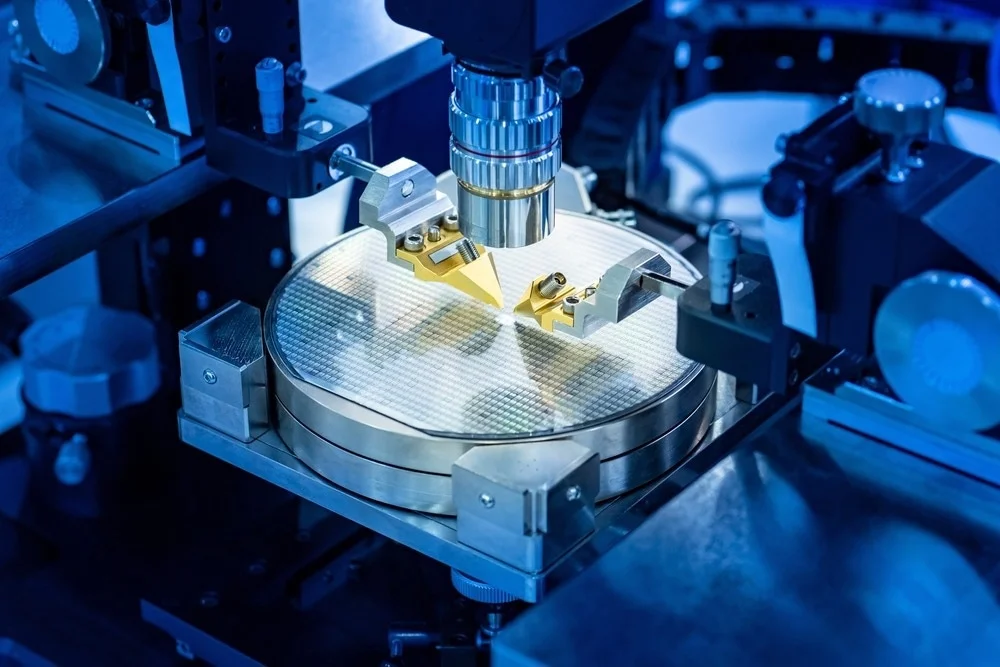
Modern laboratories utilize advanced analytical instruments including scanning electron microscopy (SEM), energy dispersive spectroscopy (EDS), optical microscopy, spectroscopy, chemical analysis, and mechanical testing to accurately identify failure mechanisms.
Organizations looking for comprehensive investigations often rely on Failure Analysis – Materials to determine the root causes of unexpected material or component failures before implementing corrective actions.

Why Root Cause Identification Is Essential
A visible crack or fracture is rarely the actual cause of failure. It is usually the final symptom of a much larger problem that may have started during raw material selection, manufacturing, assembly, transportation, or operational use.
Root cause analysis helps engineers determine whether the failure originated from material defects, excessive loading, corrosion, improper heat treatment, contamination, design flaws, fatigue, or environmental exposure. Once the underlying cause is identified, manufacturers can implement permanent solutions instead of temporary fixes.
This scientific approach reduces downtime, minimizes warranty claims, improves customer confidence, and strengthens overall product quality.
Common Industries That Benefit from Failure Analysis
Failure analysis is used across numerous industries because virtually every sector depends on reliable materials and components.
Automotive manufacturers investigate engine components, braking systems, gears, bearings, and lightweight alloys to improve vehicle safety and durability.
Aerospace companies analyze turbine blades, structural alloys, composite materials, and aircraft components that operate under extreme temperatures and mechanical stress.
Medical device manufacturers examine implants, surgical instruments, polymers, and biomaterials to ensure patient safety and regulatory compliance.
Electronics companies evaluate solder joints, semiconductor materials, connectors, coatings, and microelectronic components where microscopic defects can significantly affect product performance.
Energy companies investigate pipelines, pressure vessels, battery systems, and structural components exposed to harsh environments over long operational lifecycles.
The Role of Material Characterization
Accurate failure investigations begin with understanding the material itself. Material characterization allows scientists to evaluate composition, microstructure, grain size, hardness, mechanical properties, and surface conditions.
Even materials that appear identical may behave differently because of subtle differences in manufacturing processes or chemical composition. Laboratory characterization helps engineers verify whether the selected material meets required specifications and industry standards.
Advanced microscopy provides detailed images of fracture surfaces and microstructural features that reveal how failures initiated and propagated over time. Chemical analysis identifies contamination, oxidation, corrosion products, and unexpected elements that may have contributed to failure.
Organizations frequently combine failure investigations with Materials Characterization to obtain a complete understanding of material behavior and long-term performance.
Preventing Future Failures Through Scientific Testing
One of the greatest advantages of failure analysis is prevention. Once engineers understand why a product failed, they can redesign components, improve manufacturing methods, select better materials, or introduce additional quality control measures.
Manufacturers increasingly integrate laboratory testing into every stage of product development rather than waiting until failures occur in the field. This proactive strategy significantly reduces production risks while shortening product development cycles.
Testing can also identify early warning signs of degradation before catastrophic failures occur. Fatigue cracks, corrosion, material embrittlement, wear, and coating deterioration can often be detected long before they affect overall product performance.
Digital Manufacturing and Advanced Analytics
Modern manufacturing is evolving rapidly through Industry 4.0 technologies, artificial intelligence, and smart manufacturing systems. These technologies generate large volumes of production data that help manufacturers monitor equipment performance and identify anomalies.
However, digital data alone cannot explain material failures. Laboratory testing remains essential because physical evidence provides scientific confirmation of what actually happened within the material itself.
Combining digital monitoring with advanced laboratory investigations creates a powerful quality management system capable of identifying problems earlier and improving long-term manufacturing reliability.