
Revolutionizing Materials Science: How Advanced Glass Analysis, In Vitro Compatibility, and Materials Characterization Are Driving the Next Era of Scientific Innovation
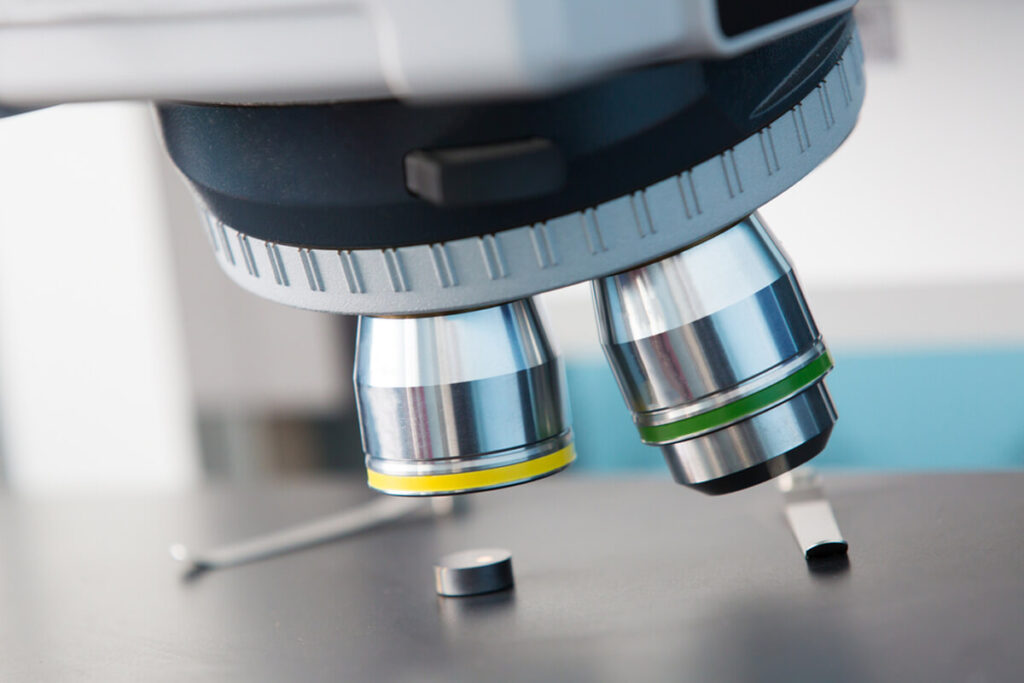
In today’s technology-driven world, the demand for high-performance materials is greater than ever before. Industries such as pharmaceuticals, medical devices, aerospace, energy, automotive, and advanced manufacturing rely on precise material analysis to ensure quality, safety, and regulatory compliance. The ability to thoroughly understand material behavior at the microscopic and molecular levels is no longer optional—it is essential for innovation.
Modern research laboratories are rapidly evolving to meet this need by integrating advanced instrumentation, digital technologies, and data-driven analysis methods. Organizations seeking reliable scientific insights are increasingly turning to specialized contract research laboratories that provide high-level analytical services and customized research solutions.
Among the leaders in this space, Genuine Testing has built a reputation for delivering precise and reliable laboratory solutions. By combining state-of-the-art instrumentation with experienced scientific expertise, the organization provides industries with powerful tools for understanding materials, optimizing performance, and accelerating product development.
Three key areas of modern laboratory science that are reshaping industries include Glass Analysis, In Vitro Compatibility testing, and Materials Characterization. Each of these fields is experiencing rapid innovation through new technologies, advanced analytical methods, and intelligent data analysis.
The Rising Importance of Glass Analysis in Modern Industry
Glass is one of the most widely used materials across numerous industries, including pharmaceuticals, electronics, construction, and packaging. Despite its seemingly simple structure, glass is an incredibly complex material whose chemical composition and structural integrity can significantly affect product safety and performance.
Glass Analysis has become an essential process for manufacturers and researchers who need to understand how glass behaves under different conditions. This is especially important in pharmaceutical packaging, where glass containers must maintain chemical stability and prevent contamination.
Recent technological advancements have significantly improved the accuracy and depth of glass analysis. High-resolution microscopy, spectroscopic techniques, and advanced imaging technologies now allow scientists to examine glass structures at microscopic levels. These tools help identify defects, impurities, and structural inconsistencies that may impact durability or chemical resistance.
Another major trend in glass research is the use of advanced surface analysis technologies. These methods enable scientists to study how glass surfaces interact with external substances such as chemicals, moisture, and biological materials. Understanding these interactions is crucial for industries that rely on sterile packaging and contamination prevention.
Genuine Testing utilizes modern analytical techniques to perform detailed glass evaluations. Through precise testing and comprehensive reporting, industries gain valuable insights into glass composition, durability, and structural performance. This information enables companies to improve product reliability while maintaining strict quality and regulatory standards.
In Vitro Compatibility: Advancing Safety and Performance in Biomedical Materials
The rapid growth of the healthcare and pharmaceutical sectors has increased the need for rigorous material safety testing. Materials used in medical devices, pharmaceutical packaging, and biomedical applications must interact safely with biological systems.
This is where In Vitro Compatibility testing plays a critical role.
In vitro testing refers to laboratory studies conducted outside a living organism, typically using controlled cell cultures or biological models. These tests help scientists determine whether a material is safe for human use by analyzing how it interacts with biological tissues, cells, and fluids.
Over the past decade, significant advancements have transformed in vitro compatibility testing. Modern laboratories now use sophisticated cell-based assays, automated screening platforms, and bioanalytical technologies to evaluate materials more efficiently and accurately.
One major technological development in this field is the use of high-throughput screening systems. These systems allow researchers to test multiple materials simultaneously, dramatically accelerating the research process while maintaining accuracy. This innovation helps companies reduce development timelines and bring new products to market faster.
Another emerging trend is the integration of advanced imaging and molecular analysis techniques. Scientists can now monitor cellular responses to materials in real time, observing how cells react to potential contaminants or surface interactions. This provides deeper insights into biocompatibility and helps identify potential safety concerns early in the development process.
Genuine Testing supports industries by offering comprehensive in vitro compatibility testing services designed to meet modern regulatory and scientific requirements. Through carefully controlled laboratory studies and advanced analytical techniques, the organization helps ensure that materials used in healthcare and biomedical applications meet the highest safety standards.
By delivering reliable compatibility data, Genuine Testing enables manufacturers to develop safer medical products, improve regulatory compliance, and enhance patient safety.
Materials Characterization: The Foundation of Modern Product Innovation
Materials Characterization is one of the most important aspects of modern scientific research and industrial development. It involves analyzing the physical, chemical, mechanical, and structural properties of materials to understand how they behave in different environments.
Accurate characterization is critical for industries that rely on advanced materials such as composites, polymers, metals, and ceramics. By understanding material properties in detail, engineers and researchers can optimize performance, improve durability, and design products that meet increasingly demanding specifications.
In recent years, Materials characterization has experienced a technological revolution. Modern laboratories are now equipped with highly sophisticated instruments capable of analyzing materials at nanoscale resolutions.
Techniques such as electron microscopy, spectroscopy, thermal analysis, and advanced chemical imaging allow scientists to investigate materials with unprecedented precision. These technologies reveal detailed information about composition, crystal structure, molecular arrangement, and mechanical behavior.
Another key trend shaping the future of materials characterization is the integration of digital technologies and data analytics. Artificial intelligence and machine learning algorithms are increasingly being used to analyze large datasets generated by advanced laboratory instruments.
These tools help researchers identify patterns, predict material behavior, and accelerate the discovery of new materials with improved performance characteristics.
At Genuine Testing, materials characterization plays a central role in supporting innovation across multiple industries. The organization’s advanced laboratory infrastructure enables comprehensive analysis of materials ranging from metals and polymers to specialized glass and battery components.
Through precise analytical methods and expert interpretation of data, Genuine Testing helps clients understand how materials perform under real-world conditions. This insight allows companies to refine product designs, enhance durability, and ensure consistent quality across production processes.
Emerging Technologies Transforming Laboratory Testing
The field of material testing and contract research is rapidly evolving as new technologies reshape the capabilities of modern laboratories. Several emerging trends are particularly influential in advancing glass analysis, in vitro compatibility testing, and materials characterization.
One of the most impactful developments is automation. Automated laboratory systems improve testing efficiency, reduce human error, and enable laboratories to handle large volumes of samples with consistent accuracy.
Another major innovation is digital laboratory infrastructure. Many laboratories now use integrated digital systems that track samples, manage data, and ensure full traceability throughout the testing process. This improves transparency and enhances regulatory compliance.
High-resolution imaging technologies are also transforming scientific research. Modern microscopes and imaging systems allow scientists to visualize materials at incredibly small scales, revealing structural details that were previously impossible to observe.
In addition, environmental and sustainability considerations are becoming increasingly important in material science. Laboratories are now focusing on testing methods that help industries develop more sustainable materials with reduced environmental impact.
Genuine Testing integrates these technological advancements into its research and analytical services, ensuring that clients benefit from the most modern scientific methodologies available.
The Value of a Trusted Contract Research Organization
In an era of rapid innovation, many organizations choose to partner with specialized contract research laboratories to support their scientific and analytical needs. These partnerships provide access to advanced equipment, experienced scientists, and specialized testing capabilities that may not be available internally.
A trusted contract research organization plays a critical role in helping companies navigate complex technical challenges. From early-stage research and product development to regulatory compliance and quality assurance, these laboratories provide the scientific expertise required to bring new products to market successfully.
Genuine Testing stands out as a reliable partner for industries seeking high-quality laboratory services. With extensive experience in material science and analytical testing, the organization supports clients across diverse sectors including healthcare, energy, aerospace, manufacturing, and environmental research.
By combining scientific knowledge with advanced technology, Genuine Testing helps businesses transform scientific questions into practical solutions.
Driving the Future of Scientific Discovery
As industries continue to evolve, the demand for advanced material testing and scientific research will only increase. Innovations in glass analysis, in vitro compatibility testing, and materials characterization are enabling researchers and manufacturers to develop safer, stronger, and more efficient products.
Laboratories that embrace cutting-edge technologies and maintain rigorous scientific standards will play a crucial role in shaping the future of innovation.
Genuine Testing remains committed to advancing laboratory science through precision, innovation, and collaboration. By providing reliable testing services and expert research support, the organization empowers industries to push the boundaries of material science and achieve new levels of performance and safety.
Through continued investment in technology, expertise, and scientific excellence, Genuine Testing is helping to drive the next generation of discoveries in materials research and laboratory testing.