
Why Material Characterization Is Essential for Product Development and Manufacturing Success
Every successful product begins with a thorough understanding of the materials used to manufacture it. Whether developing aerospace components, medical devices, electronic products, batteries, polymers, or construction materials, manufacturers depend on materials that consistently perform under demanding conditions. Even the most advanced product designs can fail if the material properties are not fully understood before production begins. Material characterization is one of the most important scientific processes in modern manufacturing and research. It provides detailed information about a material's chemical composition, physical structure, mechanical behavior, thermal stability, and surface properties. These insights enable engineers and researchers to select the right materials, improve manufacturing processes, reduce production costs, and deliver products that meet strict quality and regulatory requirements.
What Is Material Characterization?
Material characterization is the process of analyzing and measuring the physical, chemical, structural, and mechanical properties of a material. Instead of relying solely on supplier specifications, manufacturers perform laboratory analysis to verify that materials meet the exact requirements of their applications.
Scientists use a combination of analytical techniques such as microscopy, spectroscopy, thermal analysis, elemental analysis, and mechanical testing to build a complete understanding of material behavior. These techniques help identify impurities, manufacturing inconsistencies, structural defects, and performance limitations before materials enter production.
Organizations seeking comprehensive evaluation frequently rely on Materials Characterization to obtain accurate scientific data for research, quality control, and product validation.

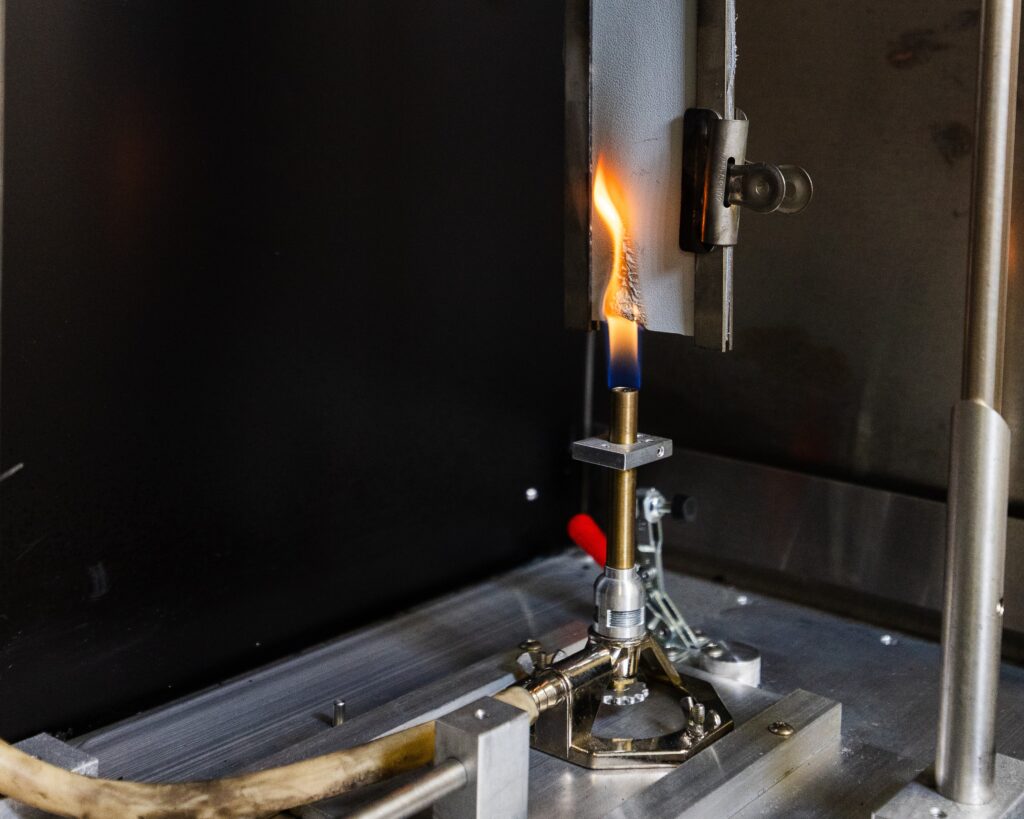
Why Material Characterization Matters During Product Development
Selecting the correct material is one of the earliest and most important decisions during product development. Every material possesses unique characteristics that influence strength, flexibility, corrosion resistance, wear performance, thermal stability, and chemical compatibility.
Without detailed characterization, manufacturers risk selecting materials that perform well during laboratory testing but fail under real-world operating conditions. Comprehensive laboratory analysis provides valuable information that helps engineers compare different materials, validate supplier claims, and optimize product designs before full-scale manufacturing begins.
This early investment in testing significantly reduces redesign costs while accelerating product development timelines.
Supporting Quality Control Throughout Manufacturing
Material characterization continues to provide value long after product development is complete. During manufacturing, laboratories routinely analyze incoming raw materials and finished products to verify consistency between production batches.
Minor variations in chemical composition or processing conditions can significantly affect product performance. By monitoring these variations, manufacturers can detect quality issues before products reach customers.
Regular characterization also helps manufacturers maintain process stability, improve production efficiency, and comply with international quality standards.

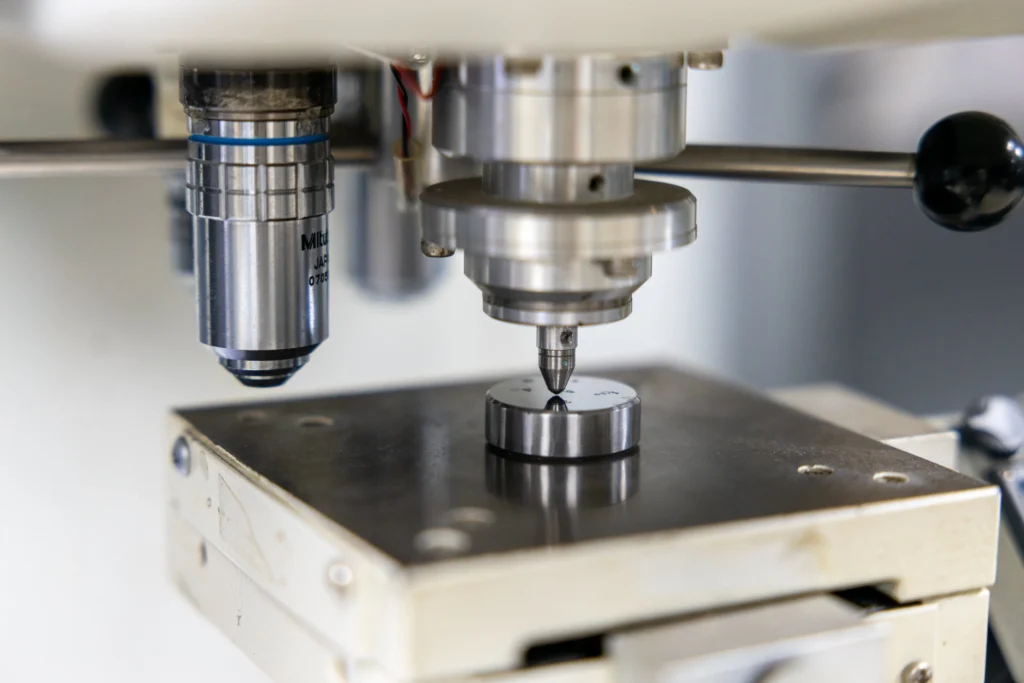
Improving Product Performance Through Scientific Analysis
Every industry demands materials capable of performing under specific operating conditions. Components may experience high temperatures, repeated mechanical loading, aggressive chemicals, moisture, ultraviolet radiation, or continuous wear throughout their service life.
Material characterization enables scientists to understand how materials respond to these conditions by evaluating their internal structure and physical properties. The resulting data allows engineers to optimize formulations, improve manufacturing techniques, and select materials that provide longer service life and greater reliability.
When product performance does not meet expectations, detailed laboratory investigations often include Chemical Analysis to identify contaminants, composition changes, degradation products, or unexpected chemical interactions affecting performance.
Advanced Analytical Techniques Used in Modern Laboratories
Today’s material characterization laboratories employ sophisticated analytical equipment capable of examining materials at microscopic and even atomic scales. These technologies provide insights that were impossible only a few decades ago.
Scanning electron microscopy reveals microscopic surface features and fracture characteristics with exceptional detail. Energy dispersive spectroscopy identifies elemental composition, while X-ray diffraction helps determine crystal structures. Thermal analysis measures changes in material behavior under varying temperatures, and spectroscopy techniques provide detailed chemical fingerprints.
Together, these analytical methods create a comprehensive picture of material performance, enabling researchers to make informed engineering decisions based on scientific evidence rather than assumptions.
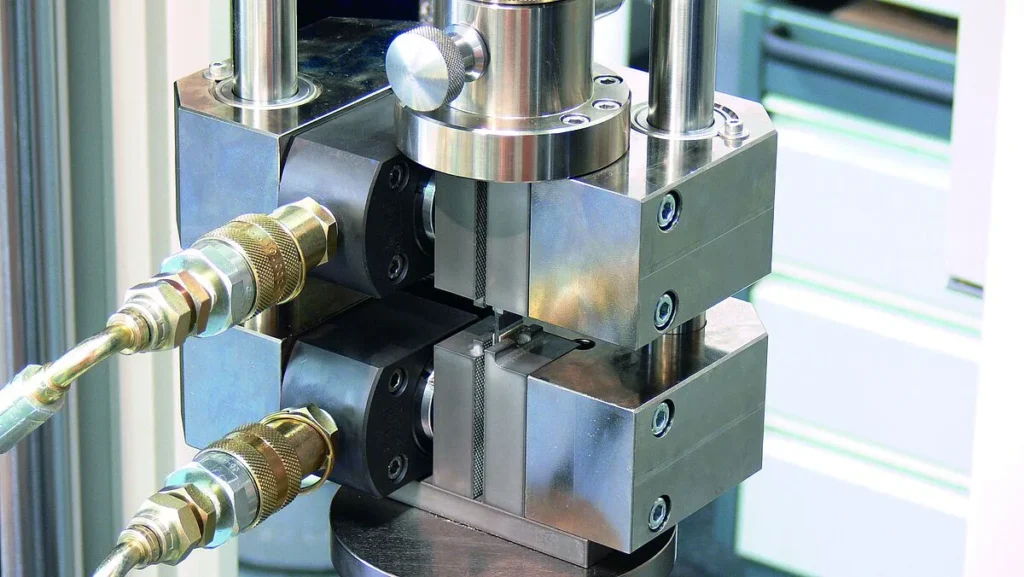
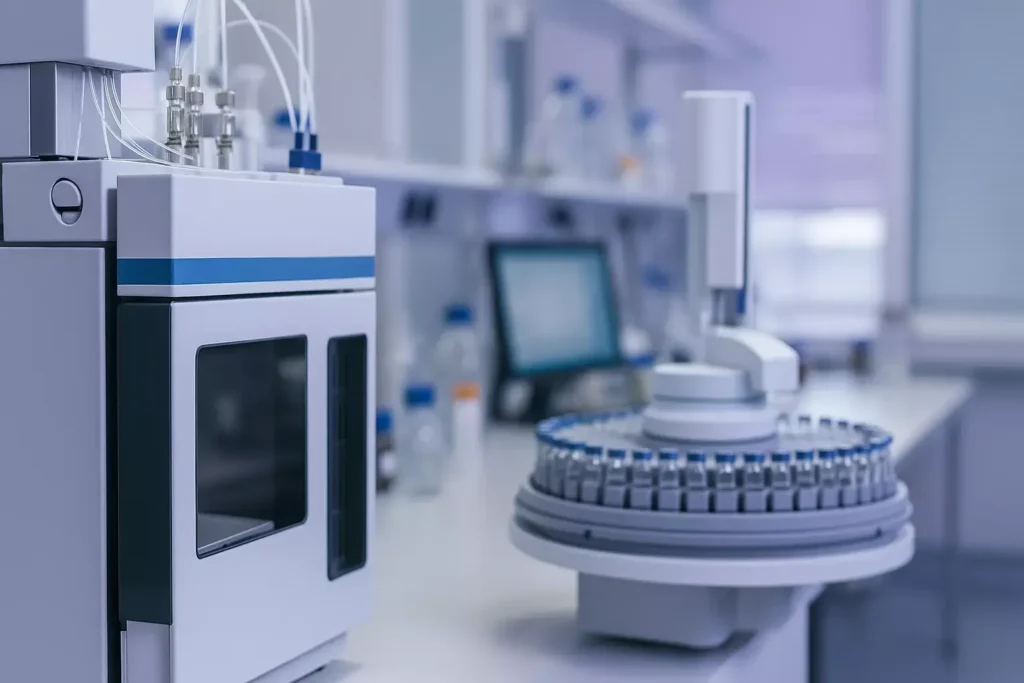
Material Characterization Across Multiple Industries
The aerospace industry depends on lightweight alloys and composite materials capable of withstanding extreme temperatures and mechanical stress. Automotive manufacturers analyze metals, polymers, and battery materials to improve safety, efficiency, and durability.
Medical device companies characterize biomaterials to ensure long-term biocompatibility and regulatory compliance. Electronics manufacturers study semiconductor materials, coatings, solder joints, and advanced polymers used in high-performance electronic systems.
Construction companies evaluate cement, concrete, coatings, glass, and structural materials to verify long-term durability and structural integrity. Energy companies characterize materials used in batteries, renewable energy systems, pipelines, and industrial equipment exposed to harsh operating environments.
Material Characterization Supports Sustainability
Sustainability has become a major priority across global manufacturing. Organizations are increasingly adopting recycled materials, bio-based polymers, lightweight composites, and environmentally friendly production methods.
Before these alternative materials can replace conventional options, they must undergo rigorous characterization to verify performance, safety, and long-term reliability. Laboratory analysis ensures recycled and sustainable materials satisfy the same quality requirements expected from virgin materials.
This scientific validation enables manufacturers to reduce environmental impact without compromising product performance.


Why Independent Testing Laboratories Are Valuable Partners
Independent testing laboratories provide access to highly specialized equipment, experienced scientists, and internationally recognized analytical methods that many manufacturers cannot maintain internally.
Working with an independent laboratory also provides objective results free from production bias. Whether developing innovative materials, investigating product failures, validating suppliers, or improving manufacturing processes, external scientific expertise helps organizations make informed decisions backed by accurate analytical data.
Contract Research Organizations further support innovation by offering customized testing programs tailored to unique product development challenges.