
Sustainable Materials Testing: How Material Science Is Driving the Circular Economy
Sustainability is rapidly changing the way products are designed, manufactured, tested, and brought to market. Across industries, manufacturers are looking for ways to reduce material waste, lower environmental impact, increase the use of recycled resources, and develop products with longer service lives. This shift toward more responsible manufacturing has created growing demand for recycled materials, bio-based polymers, sustainable composites, low-impact coatings, and other environmentally conscious material solutions. However, adopting a sustainable material is not simply a matter of replacing one material with another. Manufacturers must understand whether an alternative material can deliver the required mechanical strength, chemical stability, durability, thermal performance, and reliability. Recycled and bio-based materials can also exhibit variations in composition and properties that need to be carefully evaluated before they are used in demanding applications. This is where sustainable materials testing becomes increasingly important. Advanced laboratory analysis provides manufacturers, researchers, and product developers with the scientific data needed to evaluate new materials, verify recycled content, identify contaminants, compare material performance, and optimize manufacturing processes.
What Are Sustainable Materials?
Sustainable materials include a broad range of materials designed, produced, recovered, or processed with the goal of reducing environmental impact. These may include recycled plastics, recycled metals, bio-based polymers, recycled composites, sustainable packaging materials, recovered battery materials, low-impact construction materials, and materials designed for improved recyclability.
The sustainability of a material depends on more than its source. Its durability, manufacturing process, recyclability, chemical composition, energy requirements, and end-of-life options can all influence its overall environmental profile.
For this reason, scientific testing is essential when organizations are evaluating whether a material can provide the required combination of sustainability and technical performance.


Why Testing Recycled Materials Is Essential
Recycled materials can provide significant benefits by reducing dependence on virgin resources and diverting waste from disposal. However, recycled feedstocks can contain variations that are less common in virgin materials.
Recycled plastics, for example, may contain additives, degradation products, residual contaminants, or materials from previous applications. Recycled metals may have variations in alloy composition or trace elements depending on their source and recovery process.
Laboratory testing helps determine whether these variations could affect the performance of the final product. Chemical analysis can identify composition differences, while microscopy and other characterization techniques can reveal structural variations and inclusions.
By testing recycled materials before production, manufacturers can establish quality specifications and determine whether additional processing or purification is necessary.
Characterizing Sustainable and Recycled Materials
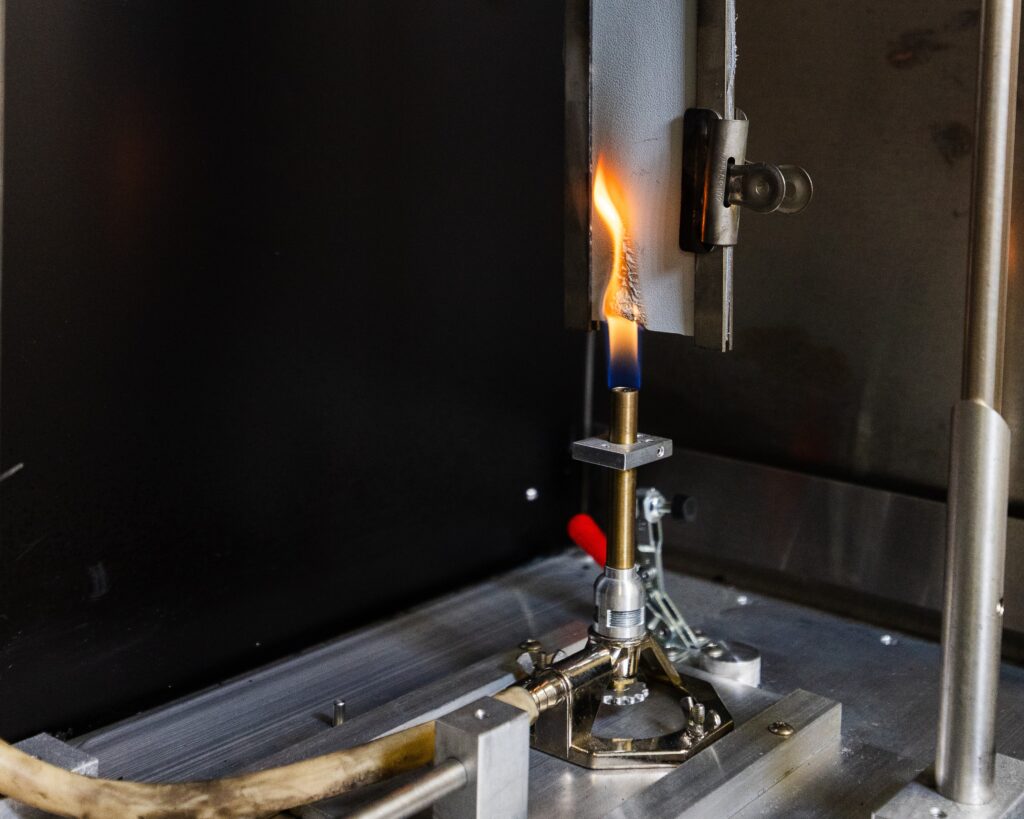
Understanding the physical and chemical characteristics of a sustainable material is fundamental to successful product development. Material characterization can provide information about composition, morphology, microstructure, surface properties, and other important characteristics.
For recycled materials, characterization can help determine whether processing has changed the material’s original properties. Researchers can compare virgin and recycled materials to identify differences in strength, structure, thermal behavior, chemical composition, and surface condition.
Materials Characterization can support these investigations by providing detailed scientific information that helps organizations make informed decisions about material selection and processing.

Contaminant Identification in Recycled Materials
Contamination is one of the major challenges associated with recycling. Materials collected from different sources may contain substances that were not present in the original manufacturing feedstock.In recycled polymers, contamination may come from incompatible plastics, pigments, fillers, adhesives, or processing residues. Recycled metals may contain unexpected elements introduced during collection and processing. Recovered battery materials can contain residual chemicals or components from different battery chemistries.
Identifying these contaminants is important because even small amounts can affect product quality and manufacturing performance. Contaminant Identification can help researchers and manufacturers investigate unexpected particles, substances, or chemical components in recycled and sustainable materials.
Sustainable Plastics and Polymer Development
The plastics industry is undergoing significant changes as manufacturers seek alternatives to conventional petroleum-based materials. Recycled polymers, bio-based plastics, biodegradable materials, and advanced polymer blends are increasingly being investigated for packaging, automotive components, consumer products, medical applications, and industrial products.
However, sustainable polymer solutions must still meet application-specific performance requirements. Tensile strength, flexibility, impact resistance, thermal stability, chemical resistance, and long-term durability can all influence whether a sustainable polymer is suitable for a particular application.
Testing allows manufacturers to compare sustainable formulations with conventional materials and identify opportunities for improving performance.

Recycled Materials in Packaging
Packaging is another major area where sustainable materials are gaining attention. Manufacturers are exploring recycled plastics, recyclable multilayer structures, bio-based polymers, paper-based materials, and other alternatives to conventional packaging.
The challenge is maintaining the required barrier, mechanical, chemical, and dimensional properties while reducing environmental impact.
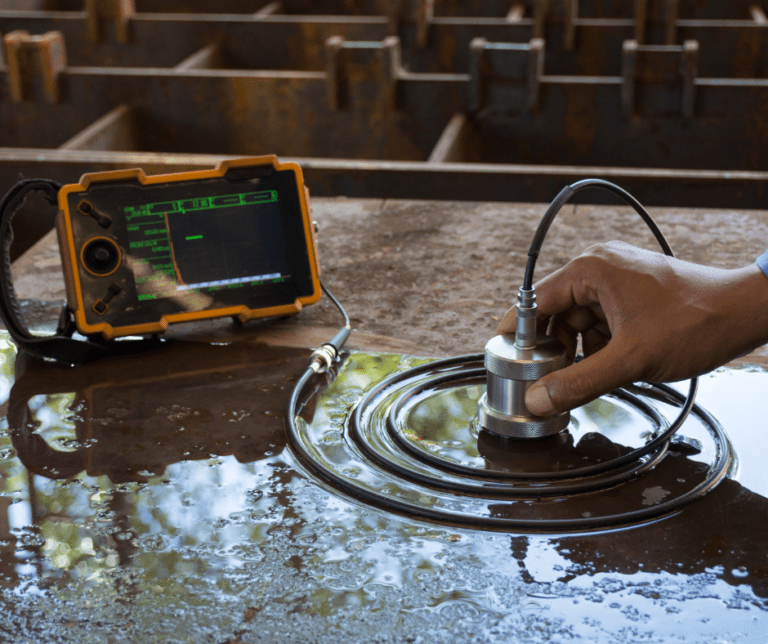
Laboratory testing can evaluate packaging materials for composition, strength, chemical compatibility, surface properties, and other characteristics relevant to their intended application. This helps manufacturers develop packaging that balances sustainability with functionality and product protection.