
Advancing Medical Device Safety Through In Vitro Compatibility, Materials Characterization, and Metallurgical Analysis
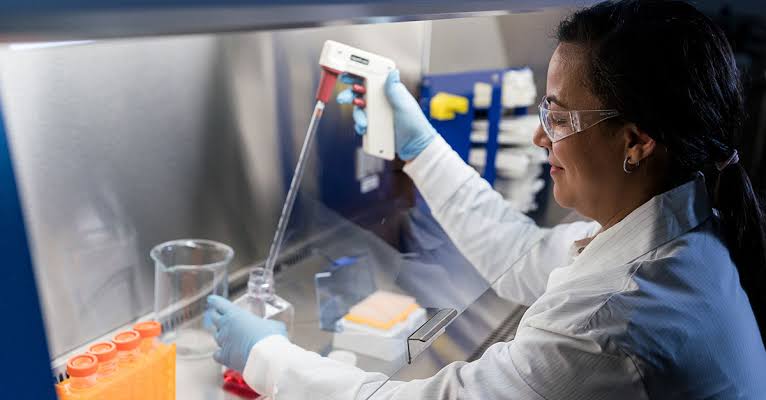
Medical devices can contain metals, polymers, ceramics, composites, coatings, adhesives, and other engineered materials. Each material can influence the device’s performance, durability, safety, and interaction with its intended environment.
A material that performs well under mechanical conditions may still require additional evaluation for biological compatibility. Similarly, a metal component that appears structurally sound may contain microstructural characteristics, inclusions, corrosion-related changes, or manufacturing defects that affect long-term performance.
This is why a comprehensive testing strategy can combine In Vitro Compatibility, Materials Characterization, and Metallurgical Analysis. Examining materials through multiple scientific approaches gives manufacturers a more complete understanding of their products and the factors that could influence performance.
Understanding In Vitro Compatibility
In Vitro Compatibility involves laboratory-based evaluation performed outside a living organism. Depending on the specific material, product, and intended application, in vitro studies can provide valuable information about how materials or their extracts may interact with biological systems.
For medical device manufacturers, this type of evaluation can become an important component of a broader material safety and biological assessment strategy.
Testing may help investigate questions such as:
- How does a material interact with relevant biological environments?
- Could substances migrate or leach from the material?
- Are there material-related characteristics requiring additional investigation?
- Does a manufacturing change alter the material’s biological profile?
- Can laboratory findings support further product-development decisions?
In vitro laboratory approaches can also help researchers identify potential concerns before moving into more complex stages of development.
The appropriate testing program depends on the device, material composition, intended use, exposure conditions, and applicable regulatory requirements. Therefore, selecting suitable methods and developing an appropriate study design is essential.
Materials Characterization: Seeing Beyond the Surface
Materials Characterization provides a detailed scientific understanding of what a material is and how its properties relate to its performance.
For medical devices and other high-performance products, characterization can investigate physical, chemical, morphological, and structural properties. This information can help manufacturers understand whether materials meet specifications and whether unexpected variations may be affecting product performance.
Advanced characterization techniques can be used to examine:
- Material composition
- Surface morphology
- Microstructure
- Chemical properties
- Physical characteristics
- Contaminants and impurities
- Material degradation
- Coatings and surface conditions
- Manufacturing-related changes
Microscopy is particularly valuable when researchers need to examine a material at a microscopic level. High-resolution imaging can reveal surface features, particles, fractures, inclusions, defects, and other characteristics that may not be visible through conventional inspection.
Chemical and environmental analysis can provide another layer of understanding by identifying constituents and investigating how materials respond to environmental conditions.
The Role of Metallurgical Analysis in Medical Devices
Metals remain essential in many medical devices because of their strength, durability, machinability, and other performance characteristics. However, metal performance is strongly influenced by composition, processing, microstructure, surface condition, and manufacturing history.
Metallurgical Analysis examines these characteristics to help determine why a metallic component behaves in a particular way.
A metallurgical investigation may be useful when manufacturers need to understand:
- Unexpected fractures or failures
- Corrosion or surface degradation
- Material inconsistencies
- Microstructural variations
- Manufacturing defects
- Inclusions or impurities
- Heat-treatment effects
- Surface abnormalities
- Differences between production batches
For failure investigations, metallurgical analysis can help researchers move beyond simply identifying that a component failed. The objective is to investigate the material evidence and determine factors that may have contributed to the observed condition.
This can provide valuable information for corrective actions, product improvements, manufacturing optimization, and quality-control programs.
Connecting Material Structure With Product Performance
One of the most valuable aspects of laboratory testing is the ability to connect observations at the material level with real-world product performance.
Consider a metallic medical component experiencing premature degradation. A visual inspection may identify corrosion, but additional Materials Characterization and Metallurgical Analysis can investigate the composition, microstructure, surface morphology, and possible contaminants associated with the condition.
Likewise, if a polymer component exhibits unexpected changes after exposure to a particular environment, laboratory characterization can help investigate chemical or physical changes that may explain the behavior.
This integrated approach can help manufacturers develop a clearer picture of material performance rather than relying on a single test result.
Supporting Quality, Compliance, and Product Development
Material testing is not limited to failure investigations. It can play a role throughout the product lifecycle.
During research and development, testing can help teams compare candidate materials and evaluate whether a selected material meets project requirements.
During manufacturing, laboratory analysis can help investigate material consistency and identify unexpected variations.
During quality investigations, testing can provide evidence for examining nonconforming materials, defects, or product failures.
For regulatory preparation, scientifically generated laboratory data can contribute to technical documentation and broader material or biological evaluation activities, depending on the applicable requirements.
A well-designed testing program therefore becomes more than a compliance exercise. It can provide scientific evidence that supports better engineering and product-development decisions.
A Scientific Approach From Sample to Solution
Genuine Testing follows a structured laboratory approach designed around each project’s scientific objectives.
1. Understanding the Testing Requirement
Every project begins by understanding the material, product, intended application, testing objectives, and specific questions that need to be answered.
2. Developing the Methodology
Scientists determine the appropriate analytical techniques, testing protocols, and research strategy based on project requirements and applicable standards.
3. Laboratory Execution
Samples are evaluated using appropriate laboratory equipment and controlled procedures. Depending on the project, testing can involve microscopy, chemical analysis, environmental analysis, contaminant identification, battery material evaluation, and other specialized capabilities.
4. Data Analysis and Interpretation
Laboratory results are analyzed to identify meaningful patterns, material characteristics, potential concerns, and relationships between observations.
5. Actionable Scientific Insights
The final objective is to provide useful information that can help clients make informed decisions about materials, product development, quality, research, or further testing.
Why Choose Genuine Testing?
Genuine Testing combines laboratory expertise, advanced instrumentation, and a research-focused approach to support organizations working with complex materials.
Its capabilities span Materials Characterization, Metallurgical Analysis, chemical and environmental analysis, advanced microscopy, contaminant identification, and other laboratory research services.
The team works collaboratively with clients to understand project requirements and develop testing strategies aligned with their scientific objectives. This approach is particularly valuable for organizations that need reliable laboratory data without managing every aspect of complex testing internally.
Genuine Testing also serves industries beyond medical devices, including aerospace, automotive, construction, energy, and healthcare, providing laboratory insights that support innovation, quality, safety, and product performance.
Building Confidence Through Better Material Science
Modern product development requires a detailed understanding of the materials behind every component. In Vitro Compatibility can provide important laboratory-based biological information, while Materials Characterization reveals the physical, chemical, and structural attributes of a material. Metallurgical Analysis adds another dimension by examining metallic composition, microstructure, defects, and performance-related characteristics.
Together, these scientific approaches can help manufacturers investigate materials more thoroughly, identify potential issues, optimize product development, and generate evidence for informed technical decisions.
For organizations seeking a laboratory partner for advanced material testing and scientific research, Genuine Testing brings together precision, innovation, and scientific expertise to transform complex material questions into meaningful laboratory insights.