
Specialized Sample Preparation — Why How You Prepare a Sample Determines the Quality of Your Test Results and the Accuracy of Materials Characterization
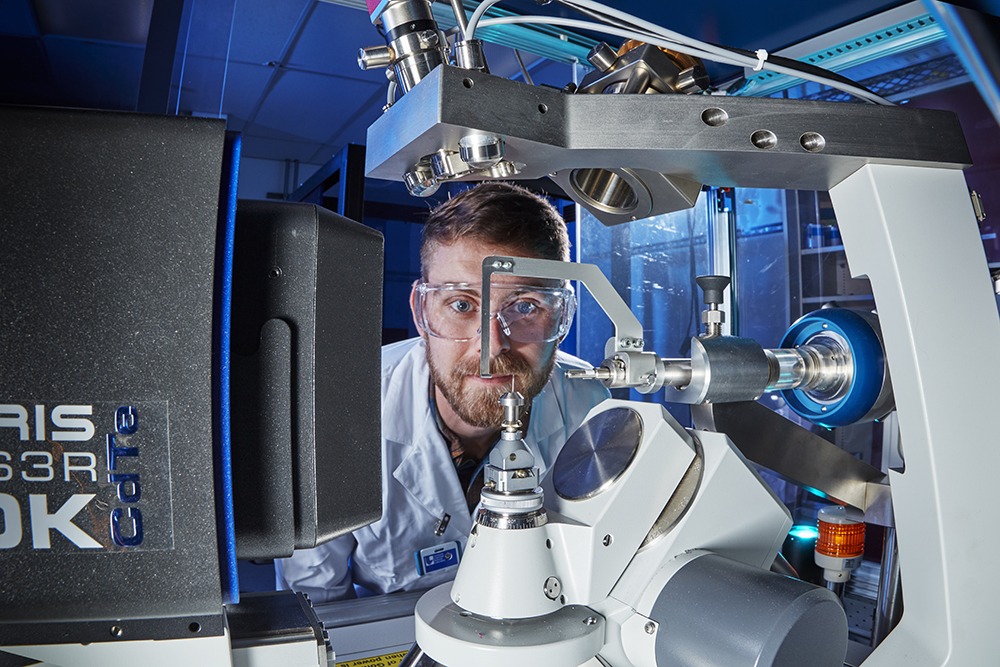
In modern industries, materials must meet increasingly demanding expectations for quality, safety, durability, and performance. Whether a manufacturer is developing an automotive component, evaluating an industrial polymer, investigating a metal alloy, or researching advanced battery materials, accurate laboratory testing is essential for making informed decisions.
However, reliable results begin long before a sample reaches a testing instrument. Specialized Sample Prep, Materials Characterization, and Material Performance Analysis work together to provide a deeper understanding of material properties, composition, structure, and behavior.
A poorly prepared sample may produce misleading measurements, conceal important defects, or introduce contamination that affects the final interpretation. In contrast, a carefully prepared sample allows scientists to investigate material characteristics under appropriate testing conditions.
Genuine Testing supports industries through advanced material testing, scientific research, and tailored laboratory solutions designed to turn complex questions into actionable insights.
What Is Specialized Sample Prep and Why Does It Matter?
Specialized Sample Prep refers to the controlled preparation of materials before laboratory examination or testing. Depending on the material and the objective of the investigation, preparation may involve cutting, sectioning, polishing, grinding, cleaning, drying, mounting, or other appropriate procedures.
The goal is to prepare a representative sample while preserving the characteristics that the test is intended to evaluate.
For example, a metal sample being examined for surface defects may require different preparation than a polymer being analyzed for chemical composition. Similarly, a composite material may need careful sectioning to avoid damaging the fibers or altering the structure being investigated.
Proper sample preparation helps laboratories:
- Minimize contamination and unwanted interference.
- Preserve important material characteristics.
- Improve the consistency and repeatability of measurements.
- Reveal structural features that may otherwise remain hidden.
- Support more reliable comparisons between samples.
- Improve the interpretation of laboratory findings.
The preparation method must always match the testing objective. Excessive polishing, unsuitable cleaning agents, improper heating, or aggressive cutting can alter the sample and potentially affect the results.
At Genuine Testing, a carefully planned testing approach helps ensure that preparation methods are aligned with project requirements and the scientific questions being investigated.
Materials Characterization: Discovering What Makes a Material Different
Materials characterization involves examining a material’s composition, structure, morphology, and other relevant properties to understand its behavior and suitability for a particular application.
Different materials can appear similar while exhibiting significantly different performance characteristics. Their internal structures, chemical compositions, surface conditions, and microscopic features may explain why one material performs better than another.
Materials Characterization helps scientists investigate these differences using appropriate analytical techniques and laboratory methods.
Understanding Material Composition
Chemical composition can influence strength, stability, conductivity, corrosion resistance, and compatibility with other substances. Identifying the components present in a material helps researchers evaluate whether it aligns with specifications and intended applications.
Examining Microstructure and Surface Features
Microscopic examination can reveal cracks, inclusions, voids, surface irregularities, and other features that may affect material quality. Advanced microscopy provides detailed images that help researchers investigate structural characteristics and potential defects.
Evaluating Polymers and Composite Materials
Polymers and composites are widely used in automotive manufacturing, aerospace, medical products, energy systems, and industrial applications. Their properties depend on factors such as formulation, reinforcement, processing conditions, and structural integrity.
Characterization can help researchers understand material variations, investigate manufacturing concerns, and evaluate whether a material is suitable for further development.
Genuine Testing provides advanced microscopy, chemical and environmental analysis, battery materials analysis, and contaminant identification to support a range of scientific investigations.
Material Performance Analysis: Connecting Laboratory Data With Real-World Applications
Understanding what a material contains is only part of the process. Businesses must also determine how that material behaves under relevant operating conditions.
Material Performance Analysis focuses on evaluating material behavior and interpreting test results to understand suitability, reliability, and potential limitations in specific applications.
Depending on the project, performance investigations may examine mechanical properties, chemical stability, environmental resistance, surface degradation, or other characteristics relevant to the intended use.
For example, a manufacturer developing an industrial component may need to understand how its material responds to repeated exposure to moisture or chemicals. An automotive supplier may investigate material consistency to support product quality. A battery developer may need to evaluate characteristics that influence material performance and reliability.
Material performance analysis can support several important objectives:
- Identifying potential causes of material failure.
- Comparing alternative materials and formulations.
- Investigating unexpected product behavior.
- Supporting quality assurance and product development.
- Evaluating material suitability for intended environments.
- Generating evidence for engineering and research decisions.
The value of this process lies in connecting laboratory measurements with practical questions. Results should be interpreted in the context of the sample, test method, operating environment, and project objectives.
Genuine Testing combines laboratory testing expertise with scientific data interpretation to help clients obtain meaningful insights from complex material investigations.
How Sample Preparation, Characterization, and Performance Analysis Work Together
These three processes are most effective when treated as connected stages of a scientific investigation rather than isolated activities.
Step 1: Define the Testing Objective
The laboratory first establishes what the client needs to understand. The objective might involve identifying contamination, examining a surface defect, comparing materials, or investigating performance concerns.
Step 2: Select the Appropriate Preparation Method
The sample is prepared according to its composition, physical characteristics, and intended analysis. Appropriate handling helps minimize the risk of introducing changes that could affect the findings.
Step 3: Perform Materials Characterization
Suitable analytical techniques are selected to examine the material’s composition, structure, surface features, or other relevant properties.
Step 4: Conduct Material Performance Analysis
The resulting data is assessed against the project’s objectives. Depending on the investigation, additional testing may be needed to examine durability, environmental response, or other performance-related characteristics.
Step 5: Interpret and Apply the Findings
The final insights can help businesses investigate problems, compare material options, improve processes, and make better-informed research and development decisions.
This structured approach supports greater consistency and helps ensure that scientific results address the questions that matter most to the client.
Why Choose Genuine Testing for Material Testing and Scientific Research?
Selecting a reliable laboratory partner is essential when testing results influence product development, quality decisions, and technical investigations.
Genuine Testing operates as a Contract Research Organization (CRO), supporting organizations that need specialized laboratory testing, research planning, and scientific analysis.
The company emphasizes precision, innovation, and integrity across its services.
Key advantages include:
- Scientific Expertise: Experienced professionals support material testing and research projects.
- Advanced Laboratory Capabilities: Modern instrumentation supports detailed material investigations.
- Customized Methodologies: Testing strategies are selected according to project objectives and relevant requirements.
- Comprehensive Testing Services: Capabilities include advanced microscopy, chemical and environmental analysis, battery materials analysis, and contaminant identification.
- Collaborative Project Planning: The team works with clients to understand their research needs and determine suitable approaches.
- Actionable Data Interpretation: Scientific findings are translated into insights that support technical and business decisions.
By combining laboratory capabilities with a client-focused approach, Genuine Testing helps organizations address material-related challenges with greater clarity and confidence.
Conclusion: Better Preparation Leads to More Meaningful Scientific Insights
Reliable laboratory testing depends on more than sophisticated equipment. It requires careful planning, appropriate sample handling, suitable analytical methods, and accurate interpretation of the resulting data.
Specialized Sample Prep helps establish the foundation for dependable testing. Materials Characterization reveals important information about composition and structure, while Material Performance Analysis connects laboratory findings with real-world material requirements.
Together, these processes help businesses investigate defects, compare materials, support product development, and improve their understanding of material behavior.
Genuine Testing provides comprehensive material testing and contract research services to support organizations across industries, helping turn scientific questions into practical solutions.
When accuracy, reliability, and informed decision-making matter, investing in the right testing approach can make a meaningful difference.
Partner with Genuine Testing to explore tailored laboratory testing and research solutions for your material analysis needs.