
How Comprehensive Material Testing Improves Product Performance and Reliability Across Industries with Advanced Microscopy and Materials Characterization
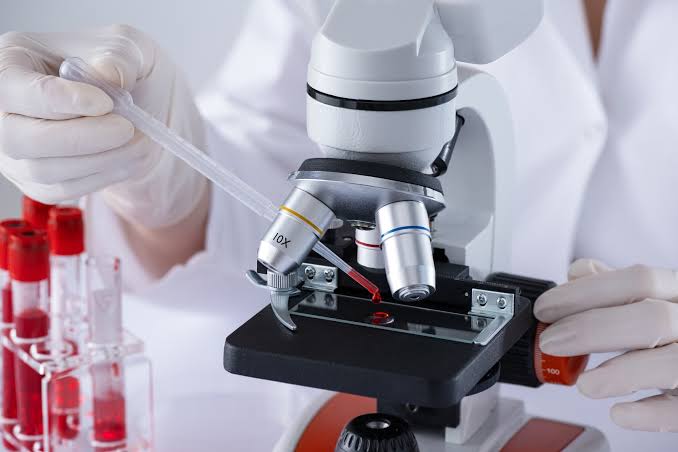
Modern industries are under constant pressure to deliver products that are stronger, safer, lighter, and more reliable than ever before. Whether manufacturing components for aerospace, automotive, healthcare, energy, electronics, or construction, even the smallest material defect can significantly impact performance, customer satisfaction, and regulatory compliance.
This is where comprehensive material testing becomes an essential part of product development and quality assurance. By combining Advanced Microscopy, Materials Characterization, and Failure Analysis Materials, organizations gain a deeper understanding of material behavior, enabling smarter engineering decisions and improved product reliability.
Instead of relying solely on visual inspections or standard quality checks, modern laboratories use sophisticated analytical techniques that reveal microscopic structures, chemical composition, mechanical properties, and hidden defects that would otherwise remain undetected.
Why Material Testing Matters More Than Ever
Every material behaves differently under varying environmental and operational conditions. Temperature fluctuations, mechanical stress, corrosion, chemical exposure, fatigue, and manufacturing inconsistencies can all affect product performance over time.
Comprehensive material testing helps manufacturers:
- Improve product durability
- Detect manufacturing defects early
- Verify raw material quality
- Meet industry regulations
- Reduce warranty claims
- Increase production efficiency
- Support continuous product innovation
Rather than reacting to failures after products reach customers, organizations can proactively identify potential weaknesses during development and production.
The Role of Advanced Microscopy in Modern Material Analysis
One of the most valuable tools in modern laboratory research is Advanced Microscopy.
Unlike conventional inspection methods, advanced microscopic imaging allows scientists to examine materials at extremely high magnifications, revealing details that cannot be seen with the naked eye.
These techniques provide valuable insights into:
- Surface morphology
- Grain structures
- Micro-cracks
- Coating thickness
- Phase distribution
- Particle size
- Corrosion patterns
- Material contamination
This microscopic understanding enables engineers to optimize manufacturing processes, improve material selection, and prevent future product failures.
Advanced imaging technologies are especially valuable when evaluating metals, polymers, ceramics, composites, electronic components, biomedical materials, and battery technologies.
Understanding Materials Characterization
While microscopy focuses on visual examination, Materials Characterization provides a complete scientific understanding of a material’s physical, chemical, thermal, and mechanical properties.
Materials characterization helps answer critical questions such as:
- What is the material made of?
- Does it meet design specifications?
- How will it perform under stress?
- Is contamination present?
- Has degradation occurred?
- Does the material meet regulatory standards?
By combining multiple analytical techniques, laboratories create comprehensive material profiles that guide product development and quality improvement.
Key characterization areas often include:
Chemical Composition
Understanding elemental and molecular composition ensures raw materials match required specifications while identifying impurities that may affect performance.
Mechanical Properties
Testing strength, hardness, flexibility, elasticity, toughness, and fatigue resistance ensures products can withstand real-world operating conditions.
Thermal Performance
Materials exposed to extreme temperatures require evaluation for thermal stability, expansion, conductivity, and degradation behavior.
Surface Analysis
Surface characteristics directly influence wear resistance, corrosion protection, adhesion, coating performance, and overall product lifespan.
Structural Evaluation
Analyzing internal microstructures provides valuable information about manufacturing quality, heat treatment effectiveness, and long-term durability.
Failure Analysis Materials: Learning from Every Defect
Even well-designed products can experience unexpected failures.
Rather than replacing failed components without investigation, organizations increasingly rely on Failure Analysis Materials to identify the root cause of the problem.
Failure analysis examines damaged materials using scientific techniques to determine exactly why failure occurred.
Common causes include:
- Manufacturing defects
- Material contamination
- Improper heat treatment
- Mechanical overload
- Fatigue cracking
- Corrosion
- Environmental degradation
- Poor material selection
- Assembly errors
Understanding these causes enables manufacturers to eliminate recurring issues while improving future product designs.
Instead of treating failures as setbacks, organizations use them as valuable opportunities for continuous improvement.
Industries That Benefit from Comprehensive Material Testing
Material testing plays a critical role across nearly every advanced manufacturing sector.
Aerospace
Aircraft components must perform reliably under extreme temperatures, vibration, pressure, and fatigue cycles. Material testing ensures structural integrity while maintaining lightweight performance.
Automotive
Vehicle manufacturers depend on laboratory testing to improve crash resistance, engine durability, battery performance, corrosion resistance, and lightweight material development.
Healthcare and Medical Devices
Medical implants, surgical instruments, diagnostic equipment, and biomaterials require precise material verification to ensure patient safety and long-term performance.
Construction
Building materials must withstand environmental exposure, heavy loads, and decades of service. Testing verifies strength, durability, and compliance with safety standards.
Energy
Power generation systems, pipelines, renewable energy components, and battery technologies require advanced material evaluation to maximize efficiency and operational lifespan.
Electronics
Electronic devices continue becoming smaller while demanding greater performance. Material analysis supports semiconductor development, circuit reliability, thermal management, and component longevity.
Improving Product Development Through Scientific Insights
Successful product innovation depends on accurate data.
Rather than relying on assumptions, engineering teams use laboratory-generated insights to guide every stage of product development.
Scientific testing helps teams:
- Select optimal materials
- Compare multiple material options
- Validate prototype performance
- Optimize manufacturing parameters
- Reduce production risks
- Improve product consistency
- Accelerate commercialization
Early identification of material limitations saves both time and development costs while increasing confidence in final products.
Supporting Regulatory Compliance
Many industries operate under strict quality and regulatory requirements.
Comprehensive laboratory testing provides documented evidence that products meet applicable standards for safety, quality, environmental responsibility, and performance.
Testing data often supports:
- Product certification
- Regulatory submissions
- Manufacturing validation
- Supplier qualification
- Customer quality requirements
- Internal quality management systems
Reliable scientific documentation strengthens compliance while improving customer confidence.
The Value of Early Defect Detection
One of the greatest advantages of comprehensive material testing is identifying problems before mass production.
Early detection can reveal:
- Hidden inclusions
- Internal voids
- Surface defects
- Chemical inconsistencies
- Microstructural abnormalities
- Processing errors
Addressing these issues during development prevents expensive recalls, production delays, warranty claims, and reputation damage.
Preventive quality assurance is significantly more cost-effective than corrective action after products reach the market.
Innovation Through Advanced Laboratory Technologies
Modern laboratories continue adopting new analytical technologies that deliver faster, more accurate, and more detailed results.
Emerging trends include:
- Automated image analysis
- Artificial intelligence-assisted defect detection
- High-resolution electron microscopy
- Three-dimensional material imaging
- Digital material databases
- Advanced spectroscopy techniques
- Smart laboratory automation
- Integrated data analytics
These innovations enable researchers and manufacturers to make faster decisions while improving testing accuracy and operational efficiency.
As products become increasingly sophisticated, advanced laboratory capabilities become even more essential for maintaining quality and competitiveness.
Building Long-Term Reliability Through Material Science
Reliable products are not created by chance—they are built through careful scientific evaluation, continuous improvement, and informed engineering decisions.
By integrating Advanced Microscopy, Materials Characterization, and Failure Analysis Materials into product development and quality assurance processes, organizations gain a complete understanding of material behavior throughout the product lifecycle.
Comprehensive material testing uncovers hidden risks, validates performance, strengthens compliance, and supports innovation across every stage of manufacturing. From initial research and prototype evaluation to production quality control and post-service investigations, scientific testing provides the knowledge needed to deliver safer, stronger, and more dependable products.
As industries continue pushing the boundaries of technology, investing in advanced material analysis remains one of the most effective strategies for improving product performance, enhancing reliability, and achieving long-term success in an increasingly competitive global marketplace.