
Understanding Material Durability: Advanced Wear Testing, Surface Interaction Analysis, and Composite Testing for Industrial Performance
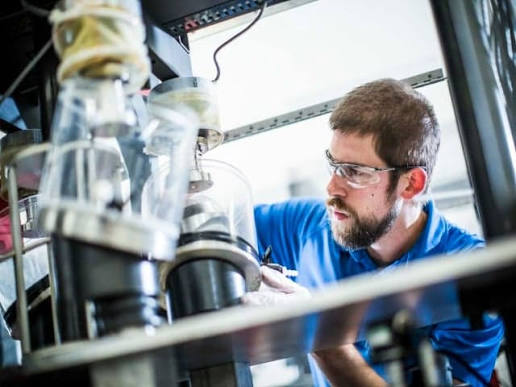
A material may look strong under standard laboratory conditions, but its real performance often depends on what happens when it comes into contact with another surface. Friction, repeated movement, pressure, temperature, moisture, and abrasive particles can gradually change a material’s surface characteristics.
For industries such as aerospace, automotive, construction, energy, and healthcare, understanding these interactions is particularly important. Components may experience thousands or millions of cycles during their service life. Even small amounts of surface degradation can eventually influence functionality, safety, maintenance requirements, and product longevity.
This is where specialized laboratory testing becomes valuable. Instead of relying only on theoretical material specifications, engineers can use controlled testing to generate measurable evidence about how materials respond to realistic conditions.
Evaluating Durability With Wear Testing Services
Wear testing services help determine how materials respond to mechanical contact and repeated surface movement. These evaluations can provide insight into material loss, surface degradation, friction behavior, and durability under controlled conditions.
Wear can occur in several forms, including abrasive wear, adhesive wear, erosive wear, and fatigue-related surface damage. The specific mechanism depends on the materials involved and the environment in which they operate.
By evaluating wear behavior in a laboratory environment, development teams can compare materials, coatings, formulations, or component designs before committing to large-scale production.
Wear testing can support decisions such as:
- Comparing alternative material formulations
- Evaluating coatings and surface treatments
- Investigating premature component failure
- Studying friction and material interaction
- Assessing durability under repeated contact
- Supporting product development and optimization
- Generating technical data for research and quality programs
Reliable wear data can help organizations identify potential performance concerns earlier in the development process and select materials that better match their intended application.
Exploring Material Behavior Through Surface Interaction Analysis
The surface of a material is often the first area affected by contact, friction, chemicals, environmental conditions, or other external influences. Surface interaction analysis provides a closer look at these relationships and helps researchers understand what happens at the interface between materials.
Surface interactions can influence adhesion, friction, wear, chemical compatibility, contamination, and overall component performance. Analyzing these effects can be especially valuable when materials operate alongside other components or are exposed to challenging environments.
Advanced microscopy and analytical techniques can reveal surface changes that may not be visible through conventional inspection. Researchers can investigate surface morphology, defects, deposits, contaminants, wear patterns, and other characteristics that contribute to material behavior.
This detailed information allows engineers to move beyond simply asking whether a material failed. Instead, they can investigate why the material behaved a certain way and what factors contributed to that behavior.
Unlocking the Potential of Advanced Composite Materials
Modern engineering increasingly relies on composites because they can combine desirable properties from different materials. Composites may offer advantages in areas such as strength-to-weight ratio, corrosion resistance, stiffness, thermal performance, or application-specific functionality.
However, composite materials can also present complex testing challenges. Their performance depends on factors such as constituent materials, interfaces, manufacturing processes, fiber distribution, bonding, defects, and environmental exposure.
Professional Composite testing services help researchers and manufacturers evaluate these factors through structured laboratory analysis. Testing can assist with material characterization, failure investigation, quality evaluation, and product development.
For advanced composites, laboratory analysis may help identify:
- Structural or surface defects
- Material inconsistencies
- Interfacial concerns
- Fiber-related characteristics
- Damage mechanisms
- Contamination
- Changes caused by environmental exposure
- Performance-related material variations
Combining composite testing with microscopy, mechanical evaluation, chemical analysis, and other laboratory techniques can provide a more complete understanding of a material system.
Turning Laboratory Data Into Actionable Decisions
Testing is most valuable when the resulting information can guide a practical decision. At Genuine Testing, laboratory work is supported by scientific planning and data interpretation designed around each project’s objectives.
The process begins with understanding the client’s material, application, testing requirements, and research goals. Appropriate techniques and methodologies can then be selected to produce meaningful and reproducible results.
Once laboratory testing is completed, the resulting data can help answer important questions:
Is the material durable enough for its intended application?
How does it respond to repeated surface contact?
What mechanisms are contributing to degradation?
How does one material or formulation compare with another?
Are surface characteristics influencing overall performance?
These insights can support material selection, product improvement, failure investigations, quality programs, and research and development initiatives.
Genuine Testing: Scientific Expertise for Material Research
Genuine Testing provides material testing and contract research capabilities for organizations seeking reliable scientific information about their products and materials. Its laboratory expertise covers areas including metals, polymers, composites, advanced microscopy, chemical and environmental analysis, battery materials analysis, and contaminant identification.
With experienced professionals, advanced laboratory capabilities, and a client-focused approach, Genuine Testing works with organizations to develop testing strategies aligned with their specific scientific and technical objectives.
Whether the goal is evaluating surface durability, investigating material interactions, characterizing a composite, or understanding an unexpected failure, carefully designed laboratory testing can provide the evidence needed to move research and development forward.
Building Greater Confidence Through Advanced Material Testing
Material performance should never be left to assumptions. As industrial applications become more demanding, organizations need dependable scientific data to understand how materials will behave under challenging conditions.
Wear testing services, surface interaction analysis, and composite testing services offer powerful ways to examine durability, degradation, interfaces, and material performance. By combining advanced laboratory technology with experienced scientific analysis, Genuine Testing helps transform complex material questions into useful, actionable insights.
From early-stage research to product optimization and failure investigation, the right testing strategy can provide greater confidence in material selection and performance — helping industries develop safer, more reliable, and better-performing products.